REVIEW · SEOUL
Seoul: Temple Vegan Cooking Class & Oriental Medicine Tour
Book on GetYourGuide →Operated by TRIPPER · Bookable on GetYourGuide
A monk-led kitchen starts the day. This Seoul experience pairs temple vegan cooking with an Oriental Medicine museum and market walk, so you get both food and the wellness thinking behind it. I especially like the hands-on meal prep with a Buddhist monk and the guided English explanations around traditional medicine. One thing to consider: the temple cooking class is optional and can be canceled if the group minimum isn’t met.
What makes it work for visitors is the structure: you’re never left to guess what you’re eating or why. I also like that English help is built in, and guides such as BJ, Gina, and Jade have a reputation for keeping the day clear and upbeat. The other practical snag is that it’s a group tour, so you’ll want to stay on schedule and keep shopping plans simple.
You’ll meet at An-guk Station Exit 1 and end back at the same spot, so it’s easy to plug into the rest of your Seoul plans. Expect tastings only in the market, with cash needed if you want extra snacks. And since temple food is about avoiding waste, you’ll be asked to finish your meal on-site or bring reusable containers if you want to take food with you.
In This Review
- Key highlights worth circling
- Temple vegan cooking with a Buddhist monk: what you’re really learning
- Oriental Medicine Museum and tea: wellness with context, not myths
- Cheongnyangni market walk: ginseng and herbs up close
- Street foods plus Korea’s old-meets-new culture stops
- Time, pace, and logistics in a 4-hour group tour
- Price and value: is $76 worth it?
- Who this tour suits best
- Should you book this Seoul temple food and medicine tour?
- FAQ
- How long is the Seoul Temple Vegan Cooking Class & Oriental Medicine Tour?
- Where do I meet the guide?
- Is pick-up and drop-off included?
- What’s included in the price?
- Is the food vegan and meat-free?
- Can I buy additional items at the market?
- What if the temple cooking class doesn’t run?
Key highlights worth circling
- Monk-led temple cooking (vegan, no meat) that teaches the philosophy, not just the recipe
- Oriental Medicine Museum entry plus a cafe drink, paired with a traditional tea moment
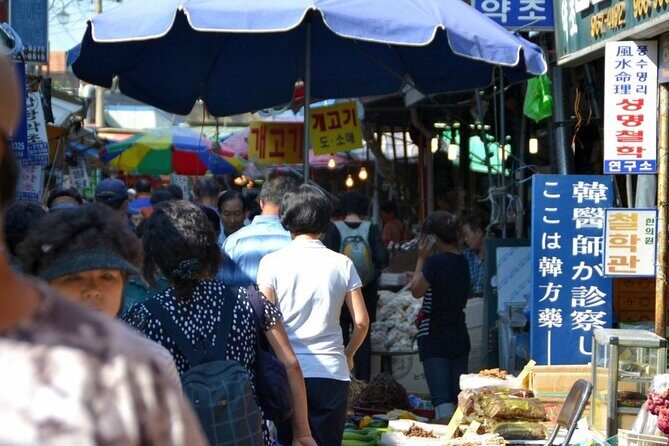
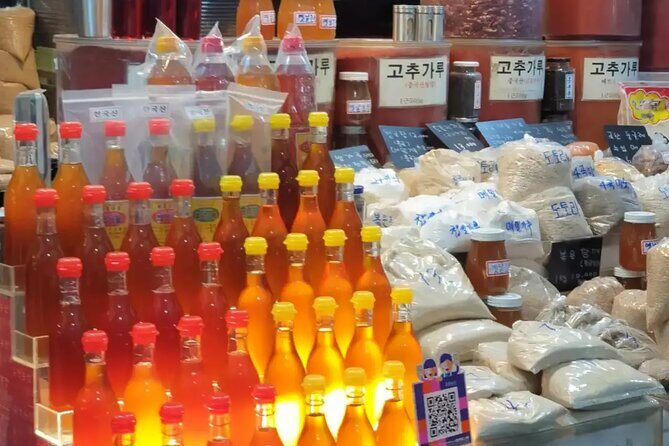
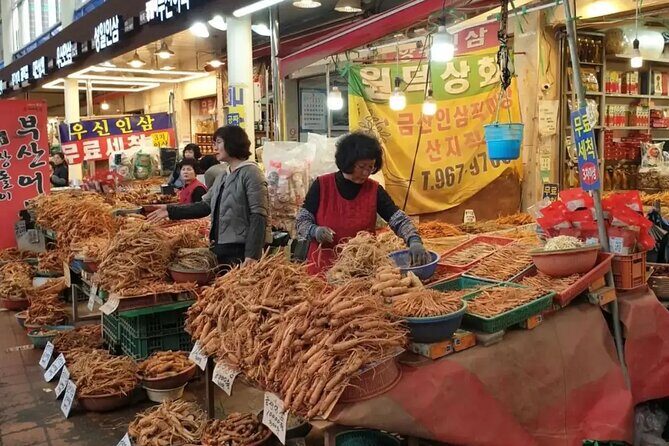
- Cheongnyangni Fruit & Vegetable Market herbal and ginseng focus, with plenty to see and smell
- Old-meets-new cultural stops like Starbucks Gyeongdong 1960 and Gold Star Radio LG
- Korean street food tastings that feel like everyday Seoul, not a tourist checklist
Temple vegan cooking with a Buddhist monk: what you’re really learning
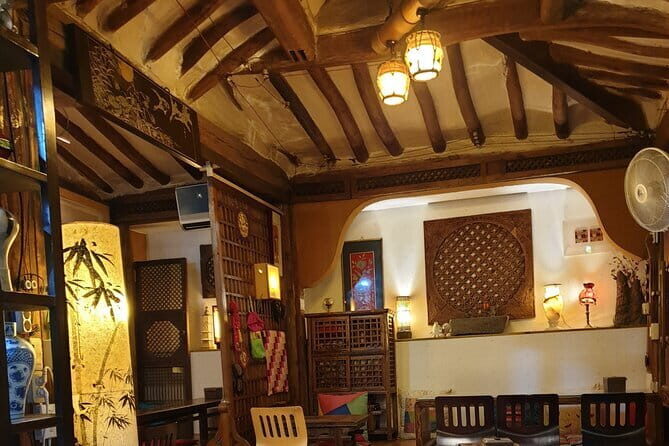
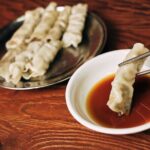
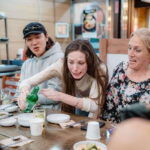
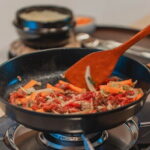
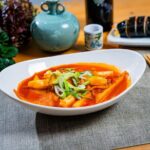
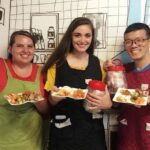
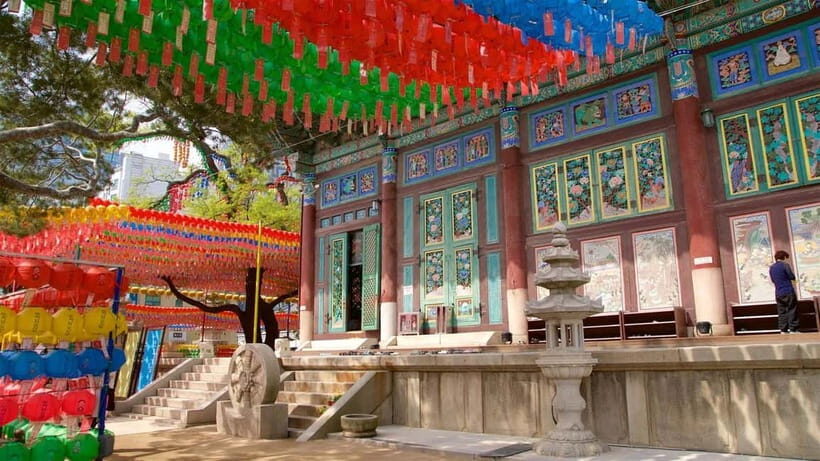
The day starts with temple food, made in the spirit of Buddhist practice and seasonal ingredients. You’re not just watching from the sidelines. You’ll cook, taste what you make, and learn how temple cuisine connects to ideas like simplicity and mindful eating.
Temple food here is meat-free, and that matters. If you’re vegetarian or vegan, this tour removes a big source of travel stress: you won’t have to hunt for a workaround. It also means the flavors you taste are built around vegetables, herbs, and fermentation-style foundations rather than “imitation” dishes.
You should also know that the menu changes each time because temple cooking uses seasonal ingredients. That’s a small uncertainty, but it’s also part of the point. You’ll experience how Korean temple cuisine shifts with what’s available, instead of getting the same set menu every day.
If you opt for the cooking class, language can vary by day. One review notes that Saturday cooking classes are in English, so if that detail matters for you, it’s worth checking your specific session. Either way, an interpreter is part of the experience so you’re not left translating with your phone.
A few more Seoul tours and experiences worth a look
Oriental Medicine Museum and tea: wellness with context, not myths
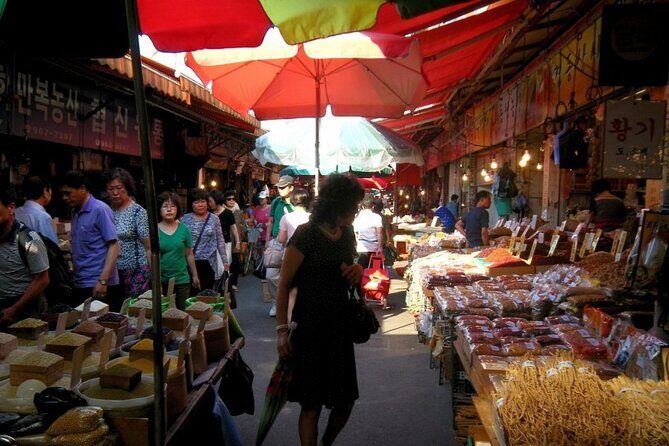
After the cooking, the tour pivots to traditional healing. You’ll take part in an Oriental Medicine experience that includes traditional Korean tea and museum time. The goal is to connect what you’re eating and seeing at the market to a longer way of thinking about the body.
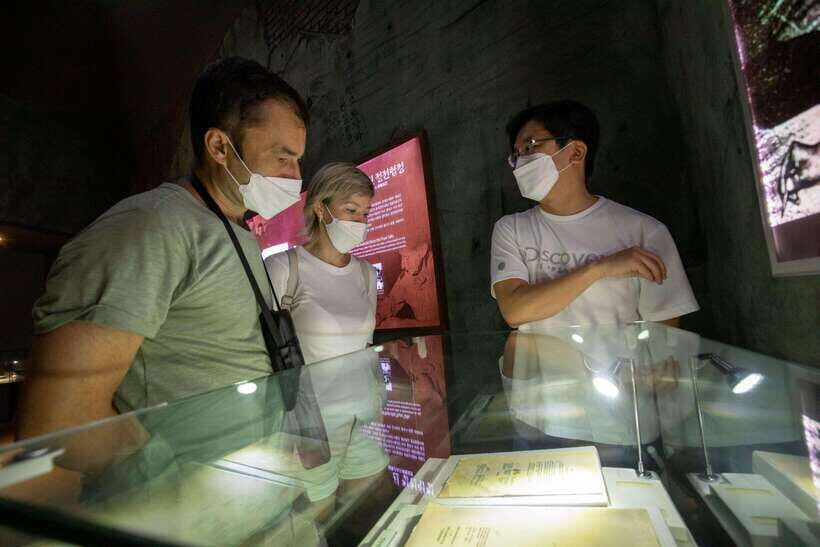
The museum visit is a key value piece because you’re paying admission as part of the tour package. You’re also able to ask questions through the licensed English guide, which helps when concepts get medical or body-type specific. One guide experience (Jade) stood out for how it explained traditional medicine as something grounded in history and practical care.
One of the most useful things you can carry home is the idea that Korean medicine approaches food and remedies differently depending on the person. You may hear explanations about how traditional medicine separates guidance by body type and what that can mean for food choices. Even if you don’t adopt the system, it gives you a clearer lens for why herbs and ginseng are treated like more than just ingredients.
You’ll also stop at an Oriental Medicine cafe for one drink, which works well as a reset between museum learning and sensory market walking. Think of it as a chance to slow down, digest what you heard, and then prepare for the next burst of aromas.
Cheongnyangni market walk: ginseng and herbs up close
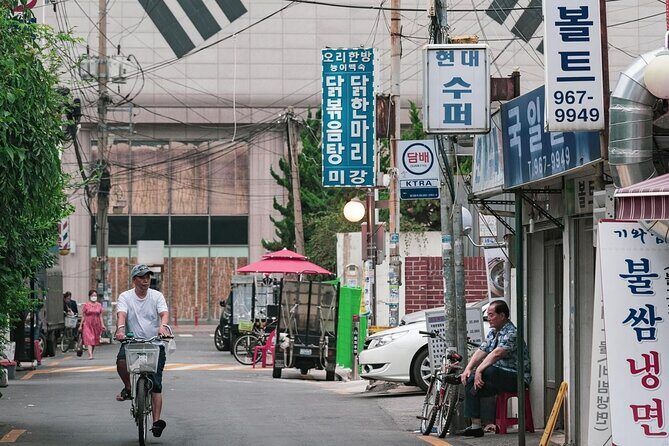
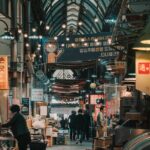
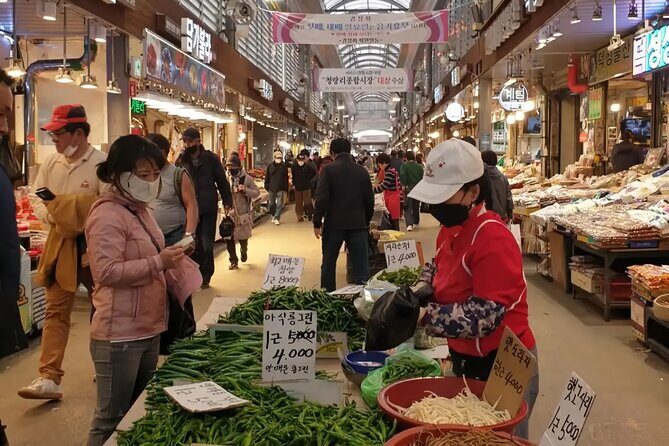
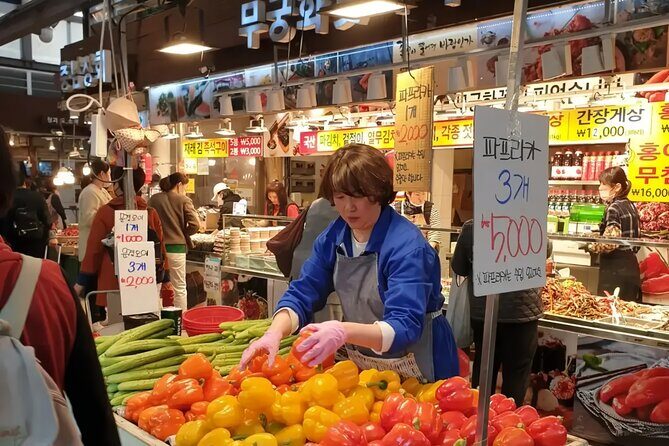
Next comes Seoul’s largest and old-style market setting, focused around Cheongnyangni’s fruit, vegetables, and medicinal herbs. This is where the tour becomes hands-on for your senses. You’ll see stalls built for display, and you’ll be close enough to notice textures and the way different herbs smell when they’re stacked and sold.
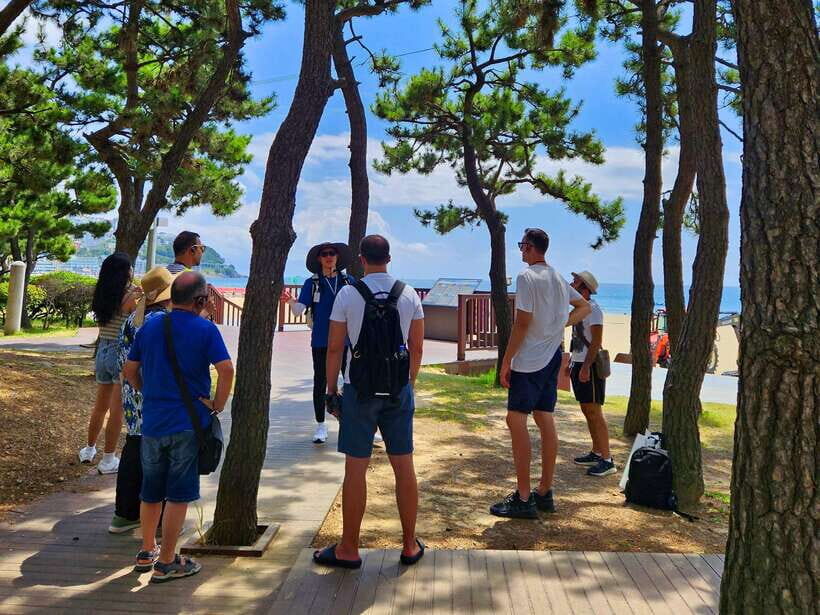
A big advantage here is that you’re not walking the market alone. The guide helps connect the items you see with the medicine ideas from earlier. That makes the market feel more coherent. You’re not just looking at signage and pointing. You’re learning why certain ingredients are valued and how they show up in traditional wellness.
Tasting is part of the deal, but it’s tasting only. The food and simple market foods you try are provided, and if you want more you’ll need to bring cash in Korean Won. That’s the one practical move I’d make before you go: withdraw a bit of KRW so you can buy anything extra without stress.
Also, remember the tour is a group. That’s good for efficiency, but it also means you should expect to keep moving. If you love lingering, take notes as you go and plan your deeper market shopping for after the tour, when you’re not on a schedule.
Street foods plus Korea’s old-meets-new culture stops
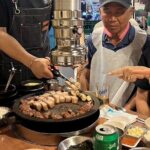
You’ll also get a taste of Korean street food style, with samples woven into the flow. This is a smart approach because it gives you flavor without forcing a full meal plan. The goal is to show you everyday tastes rather than only “Instagram food.”
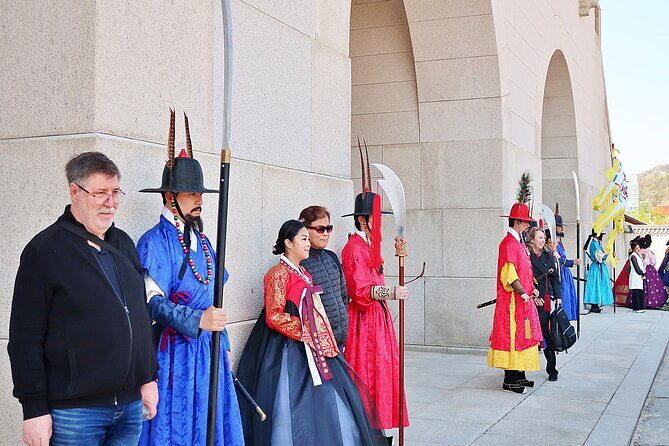
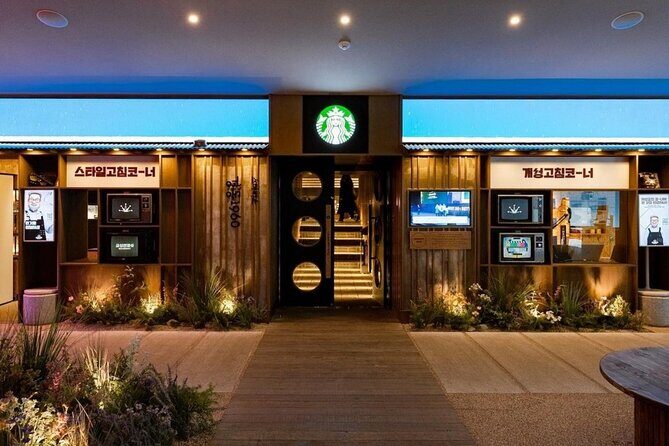
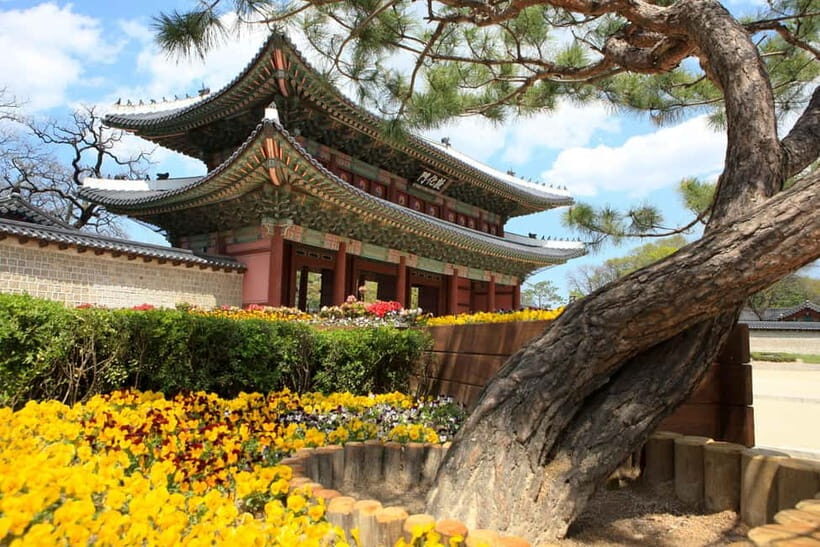
The tour also includes cultural landmarks that reflect how Seoul modernized while keeping its identity. Two stops highlighted in the experience are Starbucks Gyeongdong 1960 and Gold Star Radio LG. These aren’t random stops. They’re visual reminders that Seoul likes to reuse space and objects with a new story, mixing nostalgia with current life.
This mix helps you understand the day’s theme: traditional wellness meets modern Seoul. You start in a temple cooking setting, shift to medicine museum learning, then end up in markets and streets where people live, shop, and snack every day.
One small tip for street-food portions: because you’re sampling, not ordering one big dish, eat slowly. Taste what’s offered, then decide what you actually crave afterward on your own.
Time, pace, and logistics in a 4-hour group tour
The tour runs about 4 hours, so it’s tight by design. That’s great if you want a concentrated hit of culture and food without losing your whole day. It’s also why the schedule matters: you’ll want to follow it closely so the group doesn’t slow down.
Your meeting point is straightforward: An-guk Station Exit 1, and the guide holds a Tripper sign. The tour ends back at the meeting point, which saves you from scrambling to match plans later.
Transportation is handled in the experience as an optional fee. Pick-up and drop-off are not included, so plan to reach the meeting point yourself. If you’re staying far away, map it carefully. Seoul’s public transit is excellent, but with a group tour you want to arrive calm, not rushed.
Food rules are part of temple etiquette. After the temple food experience, you’ll taste the dishes on-site and are kindly asked to finish your meal there to avoid waste. If you’d rather take leftovers, bring reusable containers. It’s a small detail, but it’s the kind that makes the experience feel respectful instead of performative.
You can also read our reviews of more cooking classes in Seoul

Price and value: is $76 worth it?
At $76 per person, the value depends on how you like to travel. If you enjoy guided context and you want someone else to handle the “what does this mean?” part, this price can pencil out well.
Here’s what you’re getting that normally costs extra on your own:
- A professional licensed English guide
- Temple food cooking experience (optional) with tastings
- Fruits, healthy beverages, snacks, and simple market foods for tasting
- Oriental Medicine Museum admission
- One drink at an Oriental Medicine cafe
The market portion alone can feel chaotic if you’re not sure what you’re looking for. The guide bridges that gap, and the museum admission helps convert your time into something more educational than a simple food tour.
What you should factor in:
- You might pay for extra market purchases separately, and tasting only is provided.
- Pick-up and drop-off aren’t included, so you’ll cover your own transit to An-guk Station.
- If you want the cooking class, check that your date meets the minimum participant requirement (the threshold is 3). If it doesn’t, the class can be canceled.
If you want a wellness-themed day that includes both food and medicine context, you’re paying for that combination. For many people, that’s the whole point.
Who this tour suits best
This tour fits well if you want a guided introduction to two big themes in Korean culture: temple cuisine and traditional medicine. It’s also a solid choice for vegans because the temple food has no meat at all and the tour can be taken without issue.
If you like markets but don’t want to figure everything out alone, you’ll probably enjoy how the tour ties Cheongnyangni’s herbs and ginseng into what you learned earlier at the museum.
On the other hand, if you’re the type who hates group pacing, hates tasting portions, or wants total freedom to roam and bargain, this might feel a bit structured. With a 4-hour window, you won’t get a slow, meandering market day.
Also, if cooking is your top priority, plan your expectations around the optional class. Reviews show the cooking experience can be a standout, but the minimum group requirement can affect whether that part runs on your date.
Should you book this Seoul temple food and medicine tour?
I’d book it if you want more than just food. This experience gives you vegan temple cooking plus a medicine museum and a market walk tied together by explanation, not guesswork.
I wouldn’t book it if you’re chasing a long, free-form street market crawl or if you dislike schedules. Also consider your date if you specifically want an English temple cooking class; one review notes Saturday sessions are when cooking is in English.
If you go in with the right mindset—finish your temple meal on-site unless you bring containers, bring a little cash for market extras, and stay with the group—you’ll come away understanding why Korean wellness food and herbal ingredients are treated like everyday culture, not a gimmick.
FAQ
How long is the Seoul Temple Vegan Cooking Class & Oriental Medicine Tour?
It’s listed as a 4-hour experience.
Where do I meet the guide?
Meet at An-guk Station Exit 1. The guide will be holding a Tripper sign.
Is pick-up and drop-off included?
No, pick-up and drop-off are not included. The tour starts and ends back at the meeting point.
What’s included in the price?
The price includes a professional licensed English guide, fruits/healthy beverages/snacks and simple market foods, admission to the Oriental Medicine Museum, and one drink at an Oriental Medicine cafe. Temple food cooking is optional, and transportation fees are optional.
Is the food vegan and meat-free?
Vegans can take the tour with no problem. Temple food provided here contains no meat at all.
Can I buy additional items at the market?
Food provided at the market is for tasting only. If you want to purchase additional items, you should bring cash in Korean Won.
What if the temple cooking class doesn’t run?
The temple food cooking class option may be canceled if the minimum number of participants (3) is not met.