REVIEW · SEOUL
Small-Group Seoul Tour with Gyeongbokgung Palace (hotel pick-up)
Book on Viator →Operated by Seoul N Tour · Bookable on Viator
Royal Seoul, in a tight 3.5-hour window. You’ll hop between Korea’s major symbols of power and belief, with just enough context to make the sights click. And it’s built for convenience: hotel pickup, a mobile ticket, and a guide who keeps the morning moving.
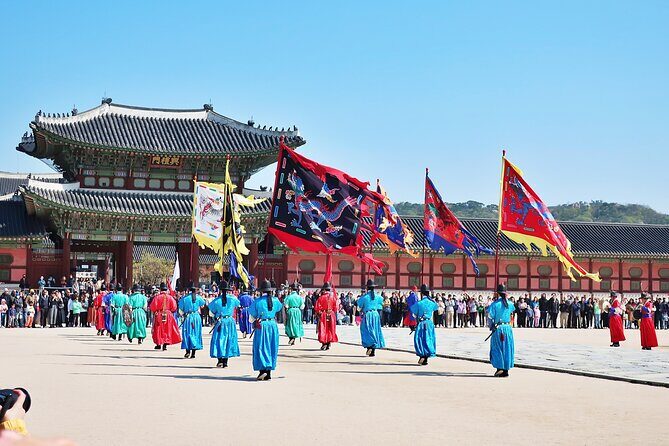
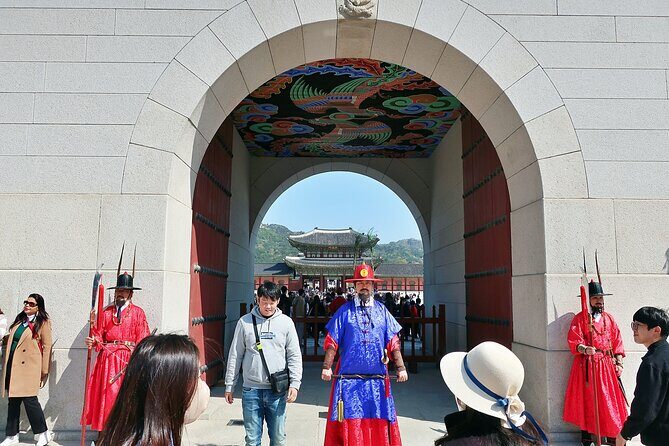
I especially like two things. First, the start-to-finish flow is efficient: hotel pickup gets you out of planning mode fast, and you’ll cover multiple highlights without transfers stress. Second, you get the cinematic photo moment at Gwanghwamun Gate with the royal guard changing ceremony timed into the schedule.
One thing to think about: the ginseng center stop can feel sales-focused. You’ll have time for tasting and browsing, but you’ll want a quiet “no pressure” mindset going in.
In This Review
- Key Points You’ll Feel Quickly
- A Morning Plan That Actually Makes Seoul Make Sense
- Hotel Pickup and the Small-Group Advantage
- Jogyesa Temple: Zen Buddhism Right in the City Noise
- Cheong Wa Dae Photos and Gwanghwamun Gate’s Guard Ceremony
- Gyeongbokgung Palace Tour: Court Life You Can Picture
- Tuesday Swap: When Gyeongbokgung Closes
- National Folk Museum: How People Lived, Not Just Ruled
- Ginseng Museum Stop: Cultural Taste, Real-World Sales Pressure
- Price and Value: What $39.73 Really Covers
- Weather, Crowds, and the Pace You Should Expect
- Who This Tour Fits Best
- Should You Book This Small-Group Royal Palaces Tour?
- FAQ
- What time does the tour start?
- How long is the experience?
- Does the price include entrance fees and a guide?
- Do I need to buy tickets on my own?
- Is food included in the tour?
- What happens if I’m touring on a Tuesday?
Key Points You’ll Feel Quickly
- Hotel pickup in central Seoul saves time when you’re juggling buses and subways.
- Jogyesa Temple gives you a clear intro to Korean Buddhism right in the city.
- Gwanghwamun Gate guard ceremony is a real show, and the timing matters.
- Gyeongbokgung Palace is where the court-life storytelling becomes tangible.
- National Folk Museum of Korea connects royal-era art to everyday living.
- Ginseng center stop is part cultural education, part shopping time—plan your expectations.
A Morning Plan That Actually Makes Seoul Make Sense
This is the kind of tour I like for a first trip to Seoul: short enough that you don’t burn your day, but structured enough that you leave with a mental map. You start with a religious site, then move into politics and public spectacle, then into the daily-life side of Korean culture. By the time you’re back near Insadong or City Hall, you’re not just seeing famous places—you’re understanding what they stood for.
The small-group size (up to 15) also changes the feel. You can hear the guide, ask questions, and get positioned for photos. If you’ve ever tried to do these stops solo, you know how quickly Seoul morning logistics can eat your attention.
The duration is about 3 hours 30 minutes, starting at 9:00 am, and it’s designed for a light walking pace. Still, the tour notes moderate physical fitness—so wear shoes that handle stone, steps, and crowds.
You can also read our reviews of more tours and experiences in Seoul.
Hotel Pickup and the Small-Group Advantage
Convenience is not a minor detail here. The tour includes hotel pickup in central Seoul, which means you don’t waste your energy figuring out where to meet or how to get there. That’s especially helpful if you’re arriving the night before, traveling solo, or just trying to stay fresh for palace time.
You’ll ride in a climate-controlled vehicle, and you’ll also get bottled water. From the guide experience people reported, guides tend to be punctual and organized—so the morning feels like it has a spine, not like a collection of separate stops.
You are not dropped off at your hotel. The tour ends with drop-off at either City Hall or Insadong, which is generally very walkable and well-connected. It also means you can plan your afternoon without needing to backtrack.
Jogyesa Temple: Zen Buddhism Right in the City Noise
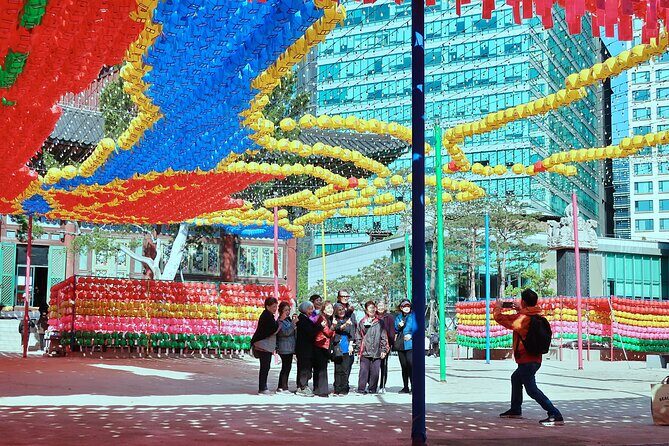
Your first real cultural stop is Jogyesa Temple, one of the city’s best-known Buddhist sites. The tour’s focus here is practical: you’ll hear about Zen Buddhism in Korea and then stroll through key parts of the colorful temple compound.
A couple of details matter. Temple access can vary based on worship times, so some areas may be limited or different depending on when you arrive. Also, you might experience a mix of guided orientation plus time where you can read and look on your own. That’s not a bad thing—Jogyesa is visually rich, and letting you slow down for a moment can make the spiritual mood feel real instead of rushed.
Tip I’d follow: after the intro, take 2 minutes just to watch what’s happening around you. Even if you don’t understand every ritual, you’ll feel the tempo—and that makes the rest of the tour more meaningful.
Cheong Wa Dae Photos and Gwanghwamun Gate’s Guard Ceremony
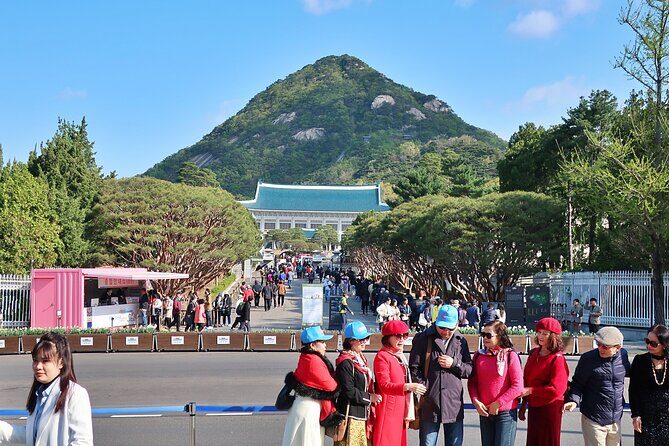
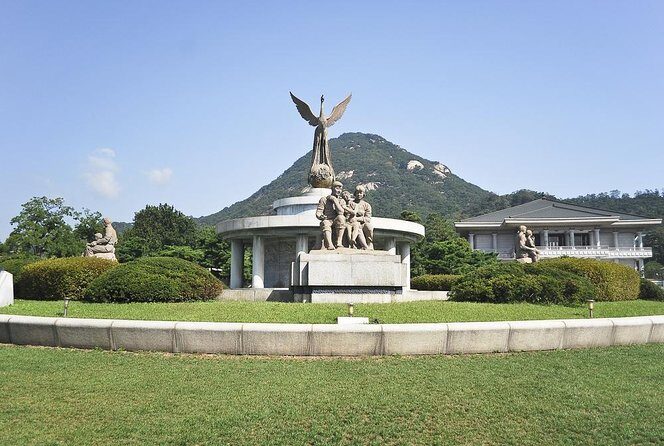
Right after Jogyesa, you’ll get a photo-focused stop at Blue House Square for Cheong Wa Dae (the official Presidential residence). You can’t visit inside, but you will pass by the front road and get views with Mt Bukak in the background.
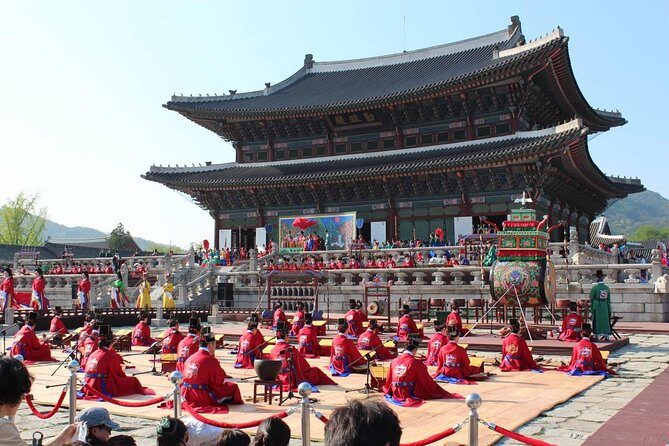
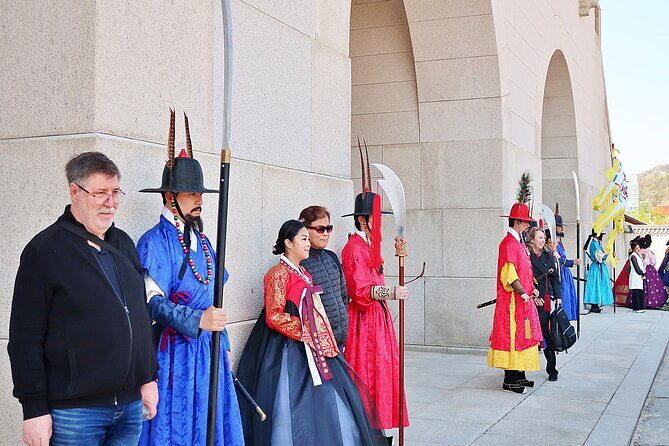
Then comes the show: Gwanghwamun Gate and the changing of the royal guards. This is one of those “you’ll know it when you see it” moments. The tour schedules a shorter window here (about 20 minutes), which is smart—crowds can grow and ceremony timing isn’t something you want to miss by wandering off.
What you should do before you arrive at the gate:
- Keep your camera ready before the ceremony starts.
- Be ready for people to shift positions quickly around you.
- Treat it like an event—small movements matter.
It’s also worth noting one real-world wrinkle: if weather turns (rain, for example), ceremony plans can change. The tour still tries to deliver the palace portion afterward, but your best strategy is to arrive with flexible expectations.
Gyeongbokgung Palace Tour: Court Life You Can Picture
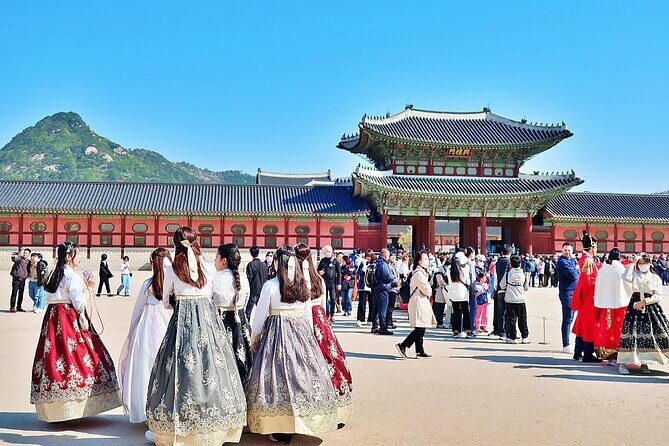
The centerpiece of the route is Gyeongbokgung Palace. On this tour, you get about 1 hour inside with a guide who focuses on how royal families and court attendants lived. That’s a good use of time because Gyeongbokgung is huge. Without someone pointing out the logic of where things were and what they were for, you can easily end up seeing buildings without understanding the system behind them.
You’re also getting guided context for the big movements of palace life: who belonged where, how the court operated, and why the layout mattered. Even if you’ve read about Joseon-era culture before, a guided walk can translate names and structures into something you can visualize.
A practical consideration: Gyeongbokgung areas can be crowded, and palace walking isn’t always flat or smooth. The tour notes you should have moderate fitness. If you have knee trouble or back issues, build your day around slower walking and don’t try to cram “extra” sights immediately afterward.

Tuesday Swap: When Gyeongbokgung Closes
Here’s the part that can change your whole morning. Gyeongbokgung Palace is closed on Tuesdays, so the tour adjusts. Instead of Gyeongbokgung and the royal guard changing ceremony, you’ll go to Changdeokgung Palace and the Secret Garden (Huwon) in the morning.
The tour’s own explanation says that on Tuesdays the royal guard ceremony isn’t available, and the admission totals are higher—but the provider covers that cost to keep overall tour value the same. For you, the takeaway is simple: if you’re aiming for Gyeongbokgung specifically, Tuesday is a trade-off day. If you like UNESCO-style palace gardens and a calmer feel than the main gate spectacle, Tuesday’s swap can actually be a win.
National Folk Museum: How People Lived, Not Just Ruled
After the palace, you’ll head to the National Folk Museum of Korea, where you’ll spend about 20 minutes. This stop is shorter than the main palace visit, but it plays an important role: it connects grand history to day-to-day life.
The museum focuses on how people lived across major Korean eras, including the Goryeo dynasty (918–1392) and the Joseon dynasty (1392–1910). The guide helps point out exhibits that show everyday life for different social groups, not just elite history.
If you like museums that give you something concrete to take home, this part helps. You’ll start noticing how the same culture shows up in palace objects, clothing styles, household tools, and everyday patterns. It’s a good place to regain energy too—indoors, seated moments, and a chance to cool down after outdoor walking.
One honest caution: the museum time is limited, so use it actively. Ask the guide what to prioritize if you’re the type who wants the most impact per minute.
Ginseng Museum Stop: Cultural Taste, Real-World Sales Pressure
Before drop-off, the tour includes a stop at a Korean ginseng center (government-approved). It’s about 30 minutes, and you can taste Korean ginseng tea and see a range of products.
This is the stop where you need the right expectations. Several guide experiences described it as interesting if you treat it as a cultural product lesson. Others flagged it as strongly sales-oriented, and that’s consistent with how these centers often work: you get a guided walkthrough, then a shopping environment.
My advice:
- Try the tea if it interests you. It’s included time.
- Decide in advance what you will and won’t buy.
- If your goal is strictly temples and palaces, keep your budget protected and enjoy the tasting as the main event.
If you’re not into shopping, you can still use the time to ask questions about what ginseng is used for and how it’s produced—just don’t confuse “information” with “you must purchase.”
Price and Value: What $39.73 Really Covers
At $39.73 per person, this tour is priced in the sweet spot for Seoul highlight coverage. What makes it feel like value isn’t just the low sticker price—it’s what’s bundled:
- Professional guide
- Hotel pickup in central Seoul
- All fees and taxes (so you’re not doing surprise add-ons mid-morning)
- Entrance fees at the key sites
- Bottled water
- Mobile ticket
Compared with paying separately for transport, multiple admissions, and guide time, this package is the practical move if you only have a short window. It also reduces friction: fewer lines caused by ticketing issues, and someone else managing timing so you’re not pacing the city all by yourself.
What isn’t included is also clear: food. You’ll likely finish with enough appetite to eat afterward, especially because you’ll be outside for multiple stops.
Weather, Crowds, and the Pace You Should Expect
Seoul palace areas can be crowded. Even when everything runs as scheduled, the “human factor” changes the day. One experience noted the changing of the guard being canceled due to rain, and that’s a good reminder that you should pack for flexibility.
Heat is another factor. Palaces and temple areas involve walking and standing. Some guides handle this with shade breaks and pacing, while other days can feel rushed if conditions are tough. Bring practical items: water, sun protection, and shoes you won’t hate by noon.
Also remember: this is a short tour. If you love lingering, you’ll likely want to return to your favorite place later for a longer self-guided visit.
Who This Tour Fits Best
This is a great match if you:
- Want Seoul highlights without planning every transfer
- Prefer a guide to explain the “why” behind the sites
- Travel in a group size that benefits from small-group structure
- Like a morning plan you can build an afternoon around
It might not be the best fit if you:
- Have serious mobility limitations (the tour says it’s not recommended for back problems or heart complaints)
- Want zero shopping pressure (the ginseng center is a real part of the schedule)
- Expect long museum time or a slow pace
That said, even people who were picky about the ginseng stop still tended to rate the tour highly for the guide and the core sights.
Should You Book This Small-Group Royal Palaces Tour?
I’d book it if you want a focused introduction to Seoul—temple to palace to museum—delivered with hotel pickup and included entry fees. The guard ceremony at Gwanghwamun Gate and the court-life framing at Gyeongbokgung are the two biggest reasons this works as a first-stop tour.
Book with eyes open on two points: Tuesday changes (Gyeongbokgung closes), and the ginseng center is shopping-adjacent time. If you’re fine treating that stop as a taste-and-learn moment, you’ll get a lot of value for a reasonable morning.
FAQ
What time does the tour start?
The tour starts at 9:00 am.
How long is the experience?
The duration is about 3 hours 30 minutes.
Does the price include entrance fees and a guide?
Yes. The tour includes a professional guide and all fees and taxes, including entrance fees for the included sites.
Do I need to buy tickets on my own?
No. A mobile ticket is provided, and the tour includes the listed admissions.
Is food included in the tour?
No. Food is not included. Bottled water is provided, and you’ll eat on your own after.
What happens if I’m touring on a Tuesday?
Gyeongbokgung Palace is closed on Tuesdays, and the royal guard changing ceremony isn’t available. The tour instead goes to Changdeokgung Palace and the Secret Garden (Huwon).