REVIEW · SEOUL
DMZ Past and Present: Korean Demilitarized Zone Tour from Seoul
Book on Viator →Operated by KOREA TOUR (DMZ TOUR) · Bookable on Viator
A look across one of the hardest borders. This DMZ tour from Seoul lets you see the front line area with a guide, including access to the 3rd Infiltration Tunnel and binocular viewing at the Dora Observatory. I also like that the day is run tightly by guides such as AJ, Grace, and Katie, who consistently keep the story clear and practical.
You’ll be walking on uneven ground and down a steep, narrow tunnel. It’s about 1,300 feet (400 meters) with an 11 degree gradient, so if you dislike tight spaces, plan for it and wear shoes you trust.
In This Review
- Key highlights worth penciling in
- Entering the DMZ zone: what this day really gives you
- Getting from Seoul: coach comfort and how the clock works
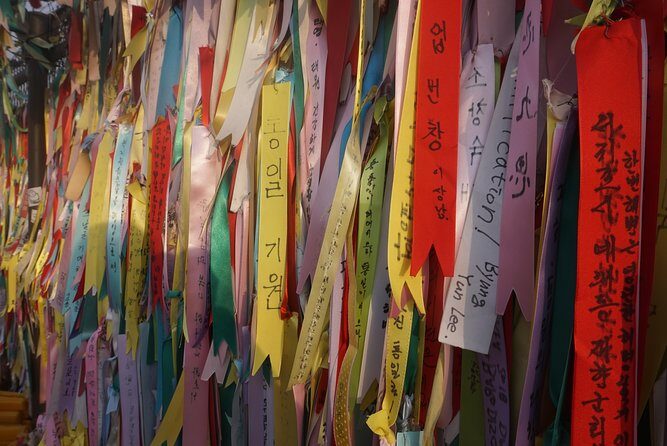
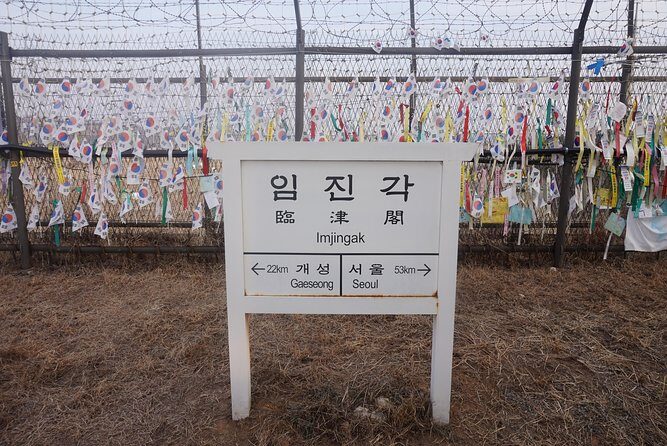
- Imjingak Park and the Freedom Bridge: war relics and a message of return
- The 3rd Infiltration Tunnel: what it’s like inside
- DMZ Museum: photos and artifacts that add the missing context
- Dora Observatory and binocular viewing: seeing North Korea from the South
- Guides, group size, and the pacing that keeps it from feeling heavy
- What you’ll actually need to be comfortable
- Value check: is $37 a good deal for the DMZ day?
- Should you book the DMZ Past and Present tour from Seoul?
- FAQ
- How long is the DMZ tour from Seoul?
- Do I need a passport?
- Is the tour physically demanding?
- Are admission fees included?
- Is lunch included?
- Can I cancel if my plans change?
- What group size should I expect?
- Do you offer tours in Japanese or Chinese?
Key highlights worth penciling in
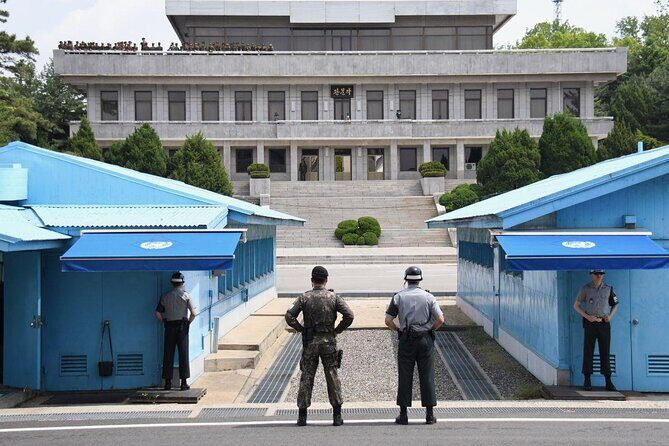
- Dora Observatory binoculars for a real look toward North Korea, with guide commentary on what you’re seeing
- The 3rd Infiltration Tunnel walk, including a moderate physical challenge that feels very real
- Imjingak Pyeonghoa-Nuri Park and war artifacts that ground the conflict in objects, not just talk
- Freedom Bridge context tied to the nearly 13,000 POWs who crossed on their path to freedom
- Small group feel with a maximum of 40 travelers, plus a guide who keeps questions moving
Entering the DMZ zone: what this day really gives you
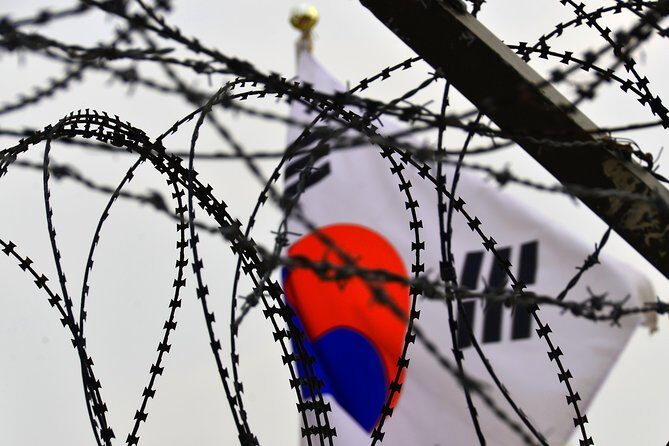
A DMZ tour is not a normal sightseeing day, and that’s the point. You’re traveling to the world’s most protected border and learning how the Korean conflict shaped both sides, then seeing how the present is still built on those lines.
What I like most is the mix of access and viewpoint. You’re not just staring at fences from a bus window. You get structured stops, guide explanations, and then you stand at Dora Observatory with binoculars and actually try to make sense of distance and reality.
Also, the tone is balanced. The guide’s job is to explain the past and what it means now, without turning it into rumor-fueled drama. Guides featured in past groups—like AJ, Grace, and Sadie—are often praised for turning tense topics into understandable context.
You can also read our reviews of more tours and experiences in Seoul.
Getting from Seoul: coach comfort and how the clock works
This tour runs about 6 hours 30 minutes. That matters because the DMZ is far enough that transport becomes part of the experience, not just a commute.
You travel by air-conditioned coach with an expert guide. You’ll start with a pickup in the downtown area of Seoul, and you end with drop-off back in central Seoul. Past groups have also noted hotel-adjacent pickups, so if you’re staying near the city core, you’ll likely find the logistics fairly painless.
Timing is usually one of the make-or-break factors on half-day tours. Several guides are praised for using the time well at each stop, so you spend enough time to see things, take photos, and ask questions—without feeling rushed like a drive-by tour.
Imjingak Park and the Freedom Bridge: war relics and a message of return
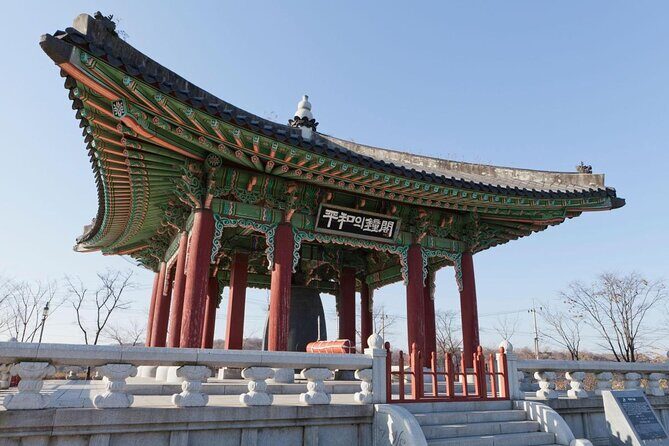
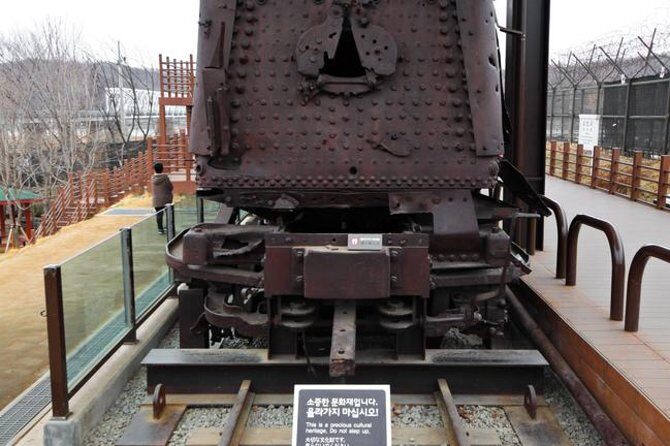
The morning begins at Imjingak Pyeonghoa-Nuri Park, in the banks of the Imjin River. This is where the conflict moves from headlines to physical context. You’ll see artillery and war artifacts used during the Korean War, plus the feeling that this river valley has been watched and fought over for decades.
From there, you move to the Freedom Bridge. The bridge is described as a symbol of hope and return, and your guide connects it to the nearly 13,000 POWs who crossed it on their path to freedom in South Korea. That’s not a trivia stop. It’s a perspective shift: the DMZ isn’t only about war—it’s about displacement, survival, and what people tried to reclaim.
If you’re the type who likes “why this matters” explanations, you’ll appreciate how the guide frames each location. If you’re only after dramatic photos, this portion may feel more reflective than flashy.
The 3rd Infiltration Tunnel: what it’s like inside
Then comes the part that makes this tour memorable for many people: the 3rd Infiltration Tunnel. This is one of four known tunnels under the border, and you walk into a space where the conflict wasn’t theoretical—it was engineered.
The walk is around 30 minutes total time at the tunnel. The practical catch is the physical part. You’ll be going down and walking through a steep, narrow passage—about 1,300 feet (400 meters) at an 11 degree gradient. It’s manageable for many visitors, but it’s not a stroll.
A couple of useful tips from real on-the-ground experience: tall people can find the ceiling close, so you’ll want to keep your pace steady and follow any guidance given on entry. A hard hat is mentioned as helpful if you bump the ceiling, so yes—take that gear seriously and wear it properly.
What I like about the tunnel stop is that it forces you to think differently. From a distance, you see borders as lines. Inside the tunnel, it becomes a story about planning, risk, and how people tried to move through walls that were never meant to be crossed.
DMZ Museum: photos and artifacts that add the missing context
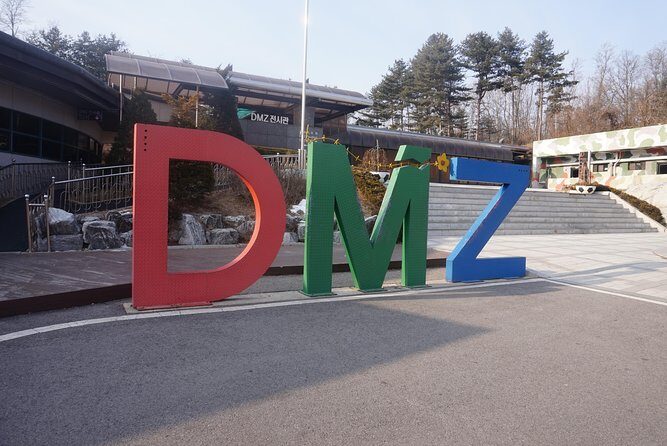
After the tunnel, you’ll visit the DMZ Museum area, where photographs and war artifacts are displayed. This is the “hold your thoughts together” stop.
The value here is simple: your brain is still sorting impressions from the tunnel and the border region. Museum displays give you additional context so the day doesn’t feel like a series of disconnected landmarks.
You may find that this is where the guide’s storytelling clicks. The binocular view at Dora Observatory can be easy to treat like a sightseeing moment. The museum helps you frame what you’re looking at—and what you are not being allowed to access.




Dora Observatory and binocular viewing: seeing North Korea from the South
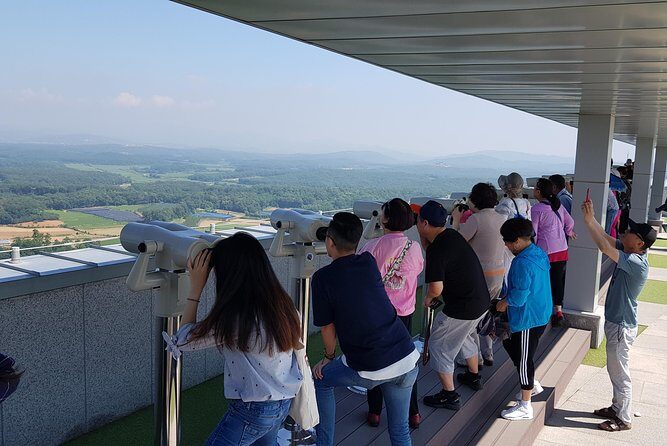
Dora Observatory is the big payoff visually. You’ll use binoculars atop the observatory to look across the DMZ into North Korea. Your guide explains what you can see and offers context about daily life on the other side, including reference to the village of Kijongdong.
This part is short—about 15 minutes on-site—but it’s targeted. With binoculars, you’re not just taking in a general view. You’re trying to identify what the guide points out, and that turns the viewing into an active experience.
A quick reality check: you’ll get glimpses at best. The distance, weather, and viewing conditions limit what you can actually make out. Still, the experience feels powerful because it’s a controlled window into a place most people can’t visit or even approach.
If you enjoy learning from what’s in front of you, this is where the tour earns its keep. It’s not only about history; it’s about how borders look when you’re standing on the wrong side of distance.
Guides, group size, and the pacing that keeps it from feeling heavy
This tour caps at 40 travelers. That’s large enough to run efficiently, but small enough that your guide can still handle questions without turning into a megaphone-only performance.
The most praised guides in past groups—AJ, Katie, Grace, Sadie, and others—are often described as energetic, humorous, and clear. That matters because DMZ topics can get tense. When a guide keeps explanations practical and answers questions in plain language, you absorb more and feel less overwhelmed.
You also benefit from steady pacing. Multiple people mention that the tour gives a good amount of time at each stop. You’re not trapped in constant transit, and you get chances to pause, look carefully, and ask follow-ups.
The overall tone seems to be educational without pretending you can fully understand a system you can’t enter. You’ll leave with a sharper sense of what the DMZ represents—and why it’s been maintained for so long.
What you’ll actually need to be comfortable
This tour includes guided commentary and transportation by air-conditioned coach, with admission fees included for the stops you visit. Lunch is not included, and the tram is also listed as not included, so plan to handle food on your own.
Wear comfortable clothes and shoes with good grip. You’ll be walking through a steep, narrow tunnel, and you’ll want stable footing for any uneven surfaces outside. If you’re sensitive to tight spaces, consider that in advance—this is the one moment on the day where your body may feel like it’s doing extra work.
Based on past experiences, the hard hat provided for the tunnel area can be a lifesaver if you’re tall or you tend to look up as you walk. And yes, bring your patience. Security-style environments and strict areas often move on their own timetable.
Value check: is $37 a good deal for the DMZ day?
At $37 per person, the pricing is notably reasonable for an experience that combines multiple admission points, expert guidance, and coach transportation for a long cross-border day. The tunnel access and Dora Observatory binocular viewing are the big reasons the value holds up.
Where it’s especially good value: if you don’t want to gamble on self-planning. The DMZ is not the kind of place you casually design day trips for. A guided structure gives you access to areas you can’t visit independently, plus explanations that help you connect each stop to the broader story.
The one “cost” to consider isn’t money. It’s effort. You’re paying with time and with physical activity during the tunnel walk. If that tradeoff sounds fine, this price feels like a strong deal for what you get.
If you’re expecting a soft, mostly seated tour, you may feel disappointed. But if you want a real-world border experience with guided context, it’s hard to argue with the value.
Should you book the DMZ Past and Present tour from Seoul?
I’d book this if you want your DMZ visit to be more than a photo stop. You’ll get structured access to the key sites—Imjingak Park, Freedom Bridge context, the 3rd Infiltration Tunnel walk, DMZ Museum displays, and Dora Observatory binocular viewing—plus an expert guide to connect the dots.
I’d think twice if you dislike steep, narrow spaces. The tunnel walk is specific and physical, and it’s the part most likely to test you. Also, this is not a tour built around long lunch breaks, so plan to eat on your own.
If you like guided history that stays practical—and you want to see what you can see, with the right context—this is one of the clearer choices for a first DMZ day from Seoul.
FAQ
How long is the DMZ tour from Seoul?
It runs about 6 hours 30 minutes (approx.).
Do I need a passport?
Yes. A current valid passport is required the day of travel.
Is the tour physically demanding?
There’s moderate walking and you’ll go through a steep and narrow tunnel. The tunnel walk is about 1,300 feet (400 meters) with an 11 degree gradient, so you should be physically fit for that.
Are admission fees included?
Yes. Admission fees are included for the stops on the tour.
Is lunch included?
No. Lunch is not included, so you’ll need to plan food on your own.
Can I cancel if my plans change?
Free cancellation is available up to 24 hours in advance for a full refund.
What group size should I expect?
The tour has a maximum of 40 travelers.
Do you offer tours in Japanese or Chinese?
Japanese/Chinese speaking tour guides require at least 4 people to book that option.
![[Jeju] Hanbok Private guide tour & photo session in beautiful Yongduam rock, - Yongduam Rock: Dragon-Head Photos with Daniel’s Direction](https://8.koreaadventures.com/wp-content/uploads/jeju-hanbok-private-guide-tour-photo-session-in-beautiful-yongduam-rock.jpg)