REVIEW · SEOUL
Ultimate Korea DMZ Tour from Seoul (Gondola & Suspension Bridge)
Book on Viator →Operated by VIP TRAVEL Co.Ltd · Bookable on Viator
The DMZ feels close and real. This day trip from Seoul strings together Korea’s most powerful Cold War sites, including a Paju Imjingak Peace Gondola glide and a Third Tunnel visit, so you get history you can see and walk through. I especially like the tight on-the-ground organization (you’re moved between major stops without getting lost) and the guide-led storytelling that makes each place click. One thing to plan for: it’s a packed, active schedule, with uphill walking and some sections where mobility can be tough.
You also get the practical comforts that matter on a long day: air-conditioned transport, mobile tickets, and multiple downtown meeting points (Myeongdong, City Hall, Hongdae). The group size is capped at 150, which helps keep it manageable, but the timing can still feel rushed because there are a lot of controlled checkpoints. And yes, there can be photo limits near the North Korea views, so don’t assume you’ll be shooting everything you see.
At $35, this tour is strong value if you want one all-in structure for the DMZ area rather than piecing together buses, entry tickets, and checkpoints on your own. Lunch is not included, and you’ll want to budget time to eat on the tour day. Also, a suspension bridge add-on is listed as optional, so double-check what you want to do when you book.
In This Review
- Quick highlights that matter before you go
- Meeting in Seoul: Myeongdong, City Hall, or Hongdae pickup
- Entering the DMZ: why the quiet part hits hard
- Imjingak Peace Park: war relics turned into reunification symbols
- Paju Imjingak Peace Gondola: the ride that changes your viewpoint
- Mangbaedan and the Dokgae Bridge: memorial quiet, river air
- The Third Tunnel: what to expect in a tight underground experience
- Dora Observatory at Dorasan: the closest official view
- Tongilchon-gil and Mount Odu: small details that add a human angle
- Suspension bridge options: Gamaksan Red Bridge and Majang Lake
- Unification Bridge military checkpoint: bring your documents
- Pacing, fitness, and the role of the guide
- Price and value: why $35 can work for the DMZ
- Should you book this DMZ day trip with gondola and suspension bridges?
- FAQ
- How long is the Ultimate Korea DMZ Tour from Seoul?
- Where do I meet the tour in Seoul?
- Is round-trip transportation included?
- What’s included in the price?
- Is lunch included?
- Do I need my passport for the checkpoint?
- Is the gondola ride included?
- Are the suspension bridges included?
- What do I need for mobile tickets?
- What is the cancellation policy?
Quick highlights that matter before you go
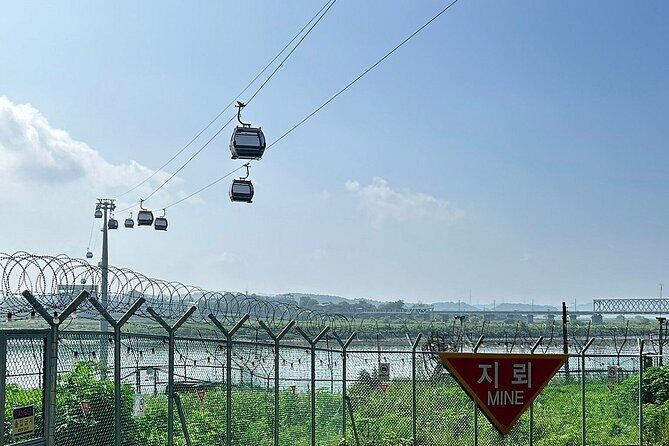
- Gondola across the Imjin River (Paju Imjingak Peace Gondola) for a higher, farther-feeling look at the DMZ area
- Third Tunnel experience with real walking inside the site, plus a return climb that some people find hard
- Imjingak Peace Park hits many reunification relics in one place: Iron Horse, Peace Bell, and multiple war-era structures
- Military checkpoint ID checks at the Unification Bridge where soldiers verify your documents
- Optional suspension bridges near the DMZ (Gamaksan Red Suspension Bridge and Majang Lake suspension bridge) if you want extra views and a thrill
- Guides like Nancy, Hana, Emily, and Diane stand out for clear stories, humor, and keeping the group moving on time
Meeting in Seoul: Myeongdong, City Hall, or Hongdae pickup
This is built as a full day out of downtown, not some vague “meet us somewhere.” You’ll pick one of three convenient meeting points: Myeongdong Subway Station (Exit 9), Seoul City Hall Subway Station (Exit 6), or Hongdae Subway Station (Exit 3). That matters because the DMZ area has tight time windows; starting at a known, transit-friendly spot makes the day easier.
You travel in an air-conditioned vehicle with round-trip transport included, and you typically end back in central areas for drop-off (Hongdae, Seoul City Hall, or Myeongdong). Even with all the stops, this layout is helpful if you want to stay in the city at night and avoid logistical headaches.
One practical tip: keep your jacket handy. Even when Seoul feels warm, the DMZ region can feel windy and cooler, especially near river crossings and outside overlooks.
You can also read our reviews of more tours and experiences in Seoul.
Entering the DMZ: why the quiet part hits hard
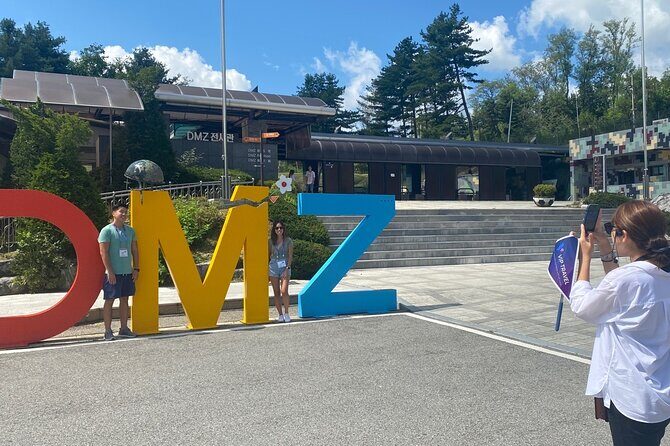
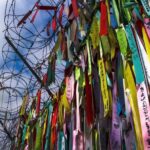
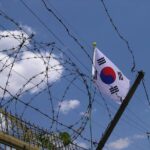
The tour’s DMZ portion focuses on the DMZ itself as a 4-kilometer-wide strip separating North and South since 1953. You get a guided orientation, and you’ll spend time in the DMZ area where you can hear the atmosphere described as stark and quiet. Expect visual cues like barbed wire and the “Cold War” tension that’s still visible in how the area is controlled.
There’s also time connected to a DMZ tourist information center before you move on to the next peace-focused stops. That’s not filler. It helps you understand what you’re seeing so you’re not just collecting photo stops.
Plan for photo rules. One common frustration: you may not be able to take pictures of North Korea views in certain zones. That’s not something you can outsmart with good timing—just treat it like part of the security reality and focus on what you can record from allowed angles.
Imjingak Peace Park: war relics turned into reunification symbols
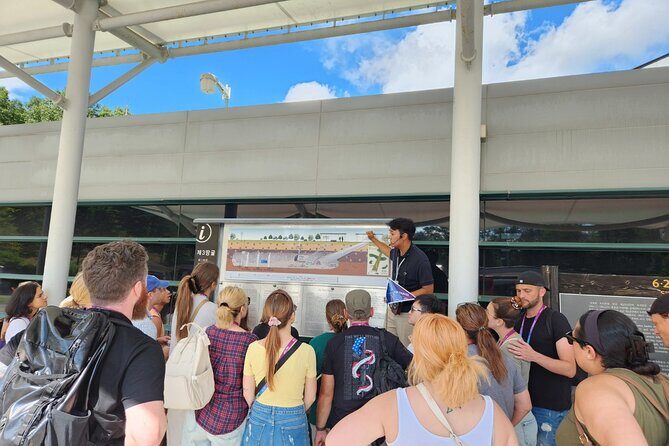
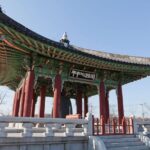
After the DMZ orientation, the tour moves to Imjingak Pyeonghwa-Nuri Park, a peace-minded area packed with war and reunification landmarks. This is one of the most emotional parts of the day because it’s not abstract. It’s physical reminders.
Here are the big-name stops you’ll encounter around the Imjingak zone:
- Bridge of Freedom: a temporary wooden span built in 1953 after the armistice. It replaced a destroyed railroad bridge and carried 12,773 prisoners to the South. The number is the kind that sticks with you, because it turns “history” into people.
- Peace Bell (Pyeonghwauijong): a 21-ton bronze symbol of reunification cast in 2002. The bell area is designed for a pause—one of those places where you naturally slow down.
- Iron Horse / steam locomotive at Jangdan Station on the Gyeongui Line: the tour frames it as an old relic tied to the interrupted railway story. In this area, even touching and being close to the metal matters because it makes the past feel less distant.
- Dokgae Bridge: built in 1950 and scarred by the Korean War. It’s short in time on the schedule, but it sits in a broader peace setting—plus you may get sightings of birds along the river corridor.
You’ll also notice memorial touches. Mangbaedan, for example, is near the DMZ and specifically dedicated to families honoring loved ones in North Korea, especially around holidays. That theme repeats across Imjingak: this tour isn’t just about conflict; it’s about the long wait for change.
The main drawback here is pacing. The tour stacks many meaningful stops in a day, so you’ll want to keep your expectations realistic: you can appreciate each place without expecting a long, museum-style linger.
Paju Imjingak Peace Gondola: the ride that changes your viewpoint
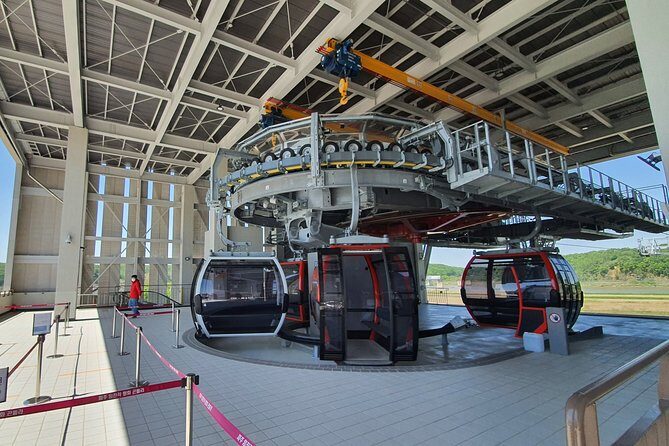
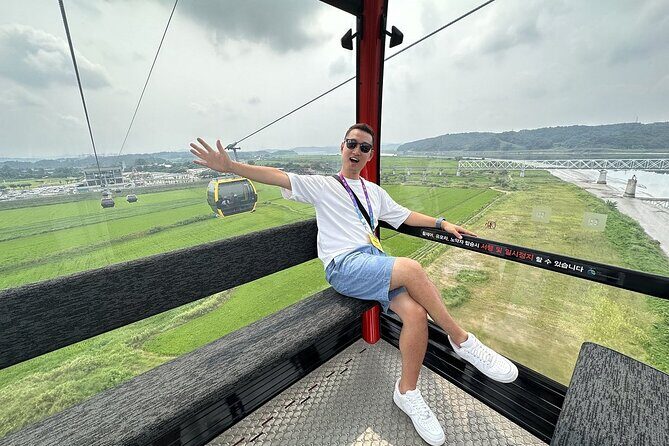
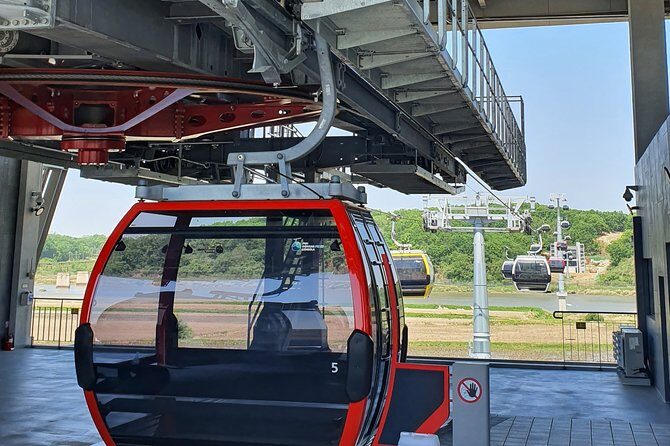
The Paju Imjingak Peace Gondola (completed in 2020) is the signature add-on tied to the “Gondola” part of the tour name. It offers a higher, birds-eye view as you cross the Imjin River. The key detail: it goes beyond the Civilian Control Line, which is why the view feels farther north than typical roadside overlooks.
This stop is listed for about an hour, which is just enough time to enjoy the ride without feeling like a rushed “one minute ticket.” It’s also a nice change from bus time. Many people remember the gondola because it’s a different angle on the same controlled reality of the border area.
Bring a layer. Gondola rides can feel cooler, and wind can make it hard to focus your camera settings. If you’re traveling with family, this is also one of the easiest ways to keep the experience varied without adding more walking.
Mangbaedan and the Dokgae Bridge: memorial quiet, river air
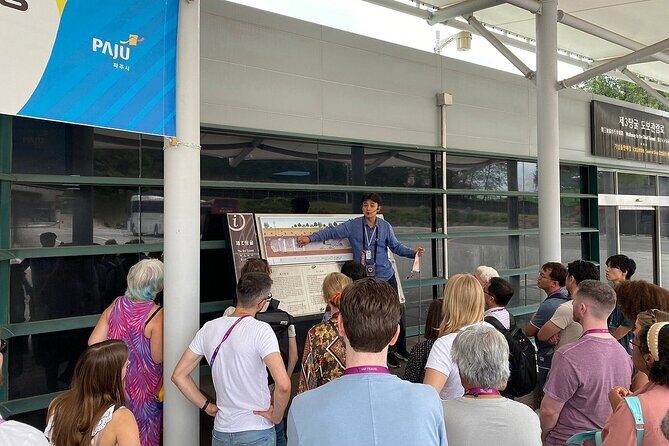
Mangbaedan Memorial Altar is built in 1987 near the DMZ, and it’s where families honor loved ones in North Korea. The tour environment is designed for reflection: you’ll hear the idea of prayers on ribbons fluttering in the breeze and you may notice incense in the air.
Then you’ll step into the Dokgae Bridge area, built in 1950. It’s described as weathered and creaking, with the river’s mist and a chance to see birds in calmer stretches. This combination works well for first-timers: you get both the human side of the division and the physical side of the geography.
Time on these stops is shorter than the big ticket moments like the tunnel and Dora Observatory. Still, these smaller memorial segments can be the places where you feel the tour’s theme most clearly.

The Third Tunnel: what to expect in a tight underground experience
The Third Tunnel (also called the 3rd Infiltration Tunnel) is one of the major “must-see” stops. It’s located about 12 kilometers from Munsan and around 52 kilometers from Seoul. On schedule, you’ll spend roughly 30 minutes at the site.
This is not a passive lookout. You’ll walk in and through a controlled tunnel environment. Some people find the walk back up difficult—one reason the tour earns high marks for overall guidance is that a good guide keeps everyone moving safely and with clear timing.
One thing to calibrate before you go: the tunnel experience can feel less like a big exploration and more like a focused viewing route with limited moments to look through specific openings. If you’re expecting a long time to wander freely or see lots of displays inside the tunnel itself, you may feel time is tight. That said, the point of the stop is to physically connect with the story of infiltration and the lengths both sides were willing to take.
Comfort matters here. Wear shoes with grip, and don’t plan on this being a “light stroll” moment.
Dora Observatory at Dorasan: the closest official view
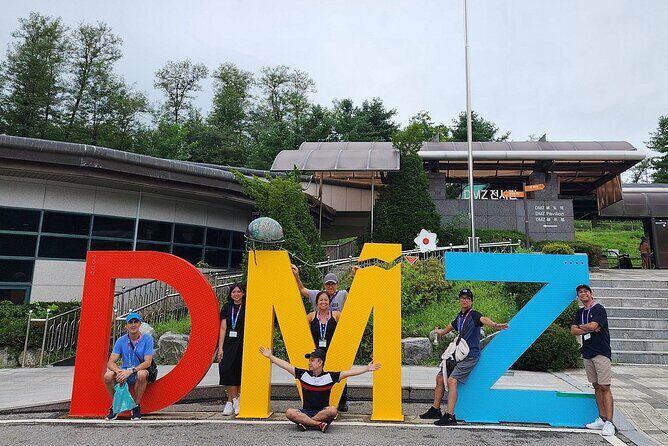
Next up is Dora Observatory, rebuilt in 2018. It’s described as South Korea’s closest view of North Korea, established in 1986, and it sits at the top of Dorasan.
Plan for this stop to be one of those “you understand the border’s rules after you’ve seen them” moments. Even if you’ve read about the DMZ, actually looking across from the official observation point makes the political boundary feel concrete.
The time here is about 30 minutes, which is enough for the first look and some guided context, but not enough to treat it like a slow photo session. Also, given the nature of controlled zones, expect that photography may be limited in certain areas.
Tongilchon-gil and Mount Odu: small details that add a human angle
After Dora, the itinerary includes Tongilchon-gil, a village area just beyond the DMZ’s Civilian Control Line. The tour frames it as connected to Korea’s food and daily life—specifically mentioning Jangdan soybeans. Even in a short visit, it adds texture. The DMZ is usually talked about in weapons and borders; this stop reminds you there are real routines and crops on the other side of the rules.
The overview also points to Mount Odu Unification Observatory, where you can buy North Korean products and view through a telescope. That’s a specific combo: it turns the abstract “North Korea” idea into something you can literally point at and look through, plus a chance to see the kinds of goods sold to visitors.
If that idea interests you, come with a simple mindset: this is not a shopping spree. It’s more like one of the DMZ day trip’s few chances to interact with the reunification-themed economy you’ve been hearing about all day.
Suspension bridge options: Gamaksan Red Bridge and Majang Lake
The “suspension bridge” part is handled as optional stops, which matters for planning your energy and expectations.
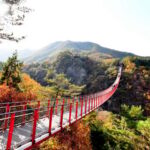
- Gamaksan Chulleong Bridge: a 150-meter-long, 1.5-meter-wide suspension bridge built in 2018 honoring Korean War heroes near the DMZ. The tour notes it can hold up to 900 adults.
- Majang Lake suspension bridge: a 220-meter-long bridge built in 2017. The tour frames it as crossing over a reservoir that’s become an urban oasis, with a bouncy feel as you go.
Why I like these add-ons: they break the day out of “war relic loop.” You get a dramatic crossing, time for photos, and a bit of adrenaline—without losing the theme of being near the DMZ corridor.
Why you might skip them: they still take time and energy, and the tour already has uphill walking earlier. If your legs are already feeling it from the tunnel, you may prefer to rest instead of adding more steps.
Unification Bridge military checkpoint: bring your documents
Before you finish the main cluster of DMZ viewing, the tour includes a stop at the Unification Bridge military checkpoint. Soldiers will inspect the bus and conduct ID verification checks.
You’ll need a passport, a Military ID Card, or a South Korea-issued ARC (Alien Registration Card). This is one of those places where the tour can’t wait for you to figure out paperwork, so make sure your ID is easy to access.
This checkpoint stop is short (about 10 minutes), but it’s important. Treat it like a safety-critical segment, not a tourist photo break.
Pacing, fitness, and the role of the guide
This tour can feel packed because it stacks many sites across the DMZ corridor. The upside is you see a lot in one day. The downside is you can’t treat it like a leisurely “stop and stare” itinerary.
Fitness is the real divider. There are uphill walks, and the tunnel experience adds physical strain. One of the most repeated strengths from real-day experiences is how guides keep everyone safe and on track—especially reminding you when photos are appropriate and when you should not shoot.
Guide names that come up with strong praise include Nancy, Hana, Emily, Diane, Kelly, Ray, Crystal, Gogo, and Alex. Across those guides, the common thread is clear storytelling plus good humor, which makes the day less heavy even when the subject matter is intense.
One practical timing tip: be ready for an early start. The schedule can start earlier than listed if demand is high, since there are many time-bound stops.
Price and value: why $35 can work for the DMZ
Let’s talk value without magic thinking. $35 is low compared with what you’d spend to arrange DMZ transport, pay multiple entry fees, and manage checkpoint timing on your own. This price bundles:
- air-conditioned round-trip transportation
- all fees and taxes
- guided interpretation
- admission tickets for the major included stops (including the DMZ-linked segments and the gondola when you do it)
What’s not included is also important: lunch isn’t included. The tour typically includes time for a meal, but you should be prepared to buy and eat during that window. One practical observation from meal time on similar tours is that you might not get clear labels or menu explanations—so if you have dietary restrictions, ask questions early.
Also note: hotel drop-off isn’t included. You’ll get off at Hongdae, City Hall, or Myeongdong. That’s usually fine in Seoul because transit is good, but it does mean you need to plan the final ride to your exact hotel.
Should you book this DMZ day trip with gondola and suspension bridges?
Book it if you want a first-timer friendly day that hits the biggest DMZ themes in one organized loop: border reality, reunification symbols, the tunnel, and Dora Observatory—plus the extra viewpoint of the gondola.
Don’t book it if you’re not comfortable with walking on uneven ground, climbing back up from the tunnel, and handling a schedule with limited free time. There’s also limited control over photo rules near the North Korea view areas, so if your main goal is lots of North Korea photos, you may feel frustrated.
My practical “yes” checklist:
- you want one guided day instead of DMZ logistics research
- you’re okay with a long day around 7.5 hours
- you can handle walking and timing pressure
- you can bring your ID/passport for the checkpoint
- you’re interested in at least one optional scenic add-on (gondola and/or suspension bridge)
If you match those points, this is the kind of tour you’ll remember for a long time—not because it’s comfortable, but because it makes the divided peninsula feel real, immediate, and human.
FAQ
How long is the Ultimate Korea DMZ Tour from Seoul?
It runs about 7 hours 30 minutes (approx.).
Where do I meet the tour in Seoul?
You can meet at Myeongdong Subway Station (Exit 9), Seoul City Hall Subway Station (Exit 6), or Hongdae Subway Station (Exit 3).
Is round-trip transportation included?
Yes. The tour includes round-trip transportation from Seoul in an air-conditioned vehicle.
What’s included in the price?
The price includes all fees and taxes, air-conditioned vehicle transport, and admission tickets for included stops (with the gondola and suspension bridge items handled per the listed itinerary).
Is lunch included?
No. Lunch is not included.
Do I need my passport for the checkpoint?
Yes. At the Unification Bridge military checkpoint, you’ll need a passport, Military ID Card, or a South Korea-issued ARC.
Is the gondola ride included?
The Paju Imjingak Peace Gondola is listed as optional on the itinerary, and admission is included when you do it.
Are the suspension bridges included?
The suspension bridge options (Gamaksan Red Suspension Bridge and Majang Lake suspension bridge) are listed as optional.
What do I need for mobile tickets?
You’ll use a mobile ticket, and confirmation is received at the time of booking.
What is the cancellation policy?
Free cancellation is available up to 24 hours in advance for a full refund.