REVIEW · SEOUL
From Seoul: South Korea Demilitarized Zone Guided Tour
Book on GetYourGuide →Operated by I LOVE SEOUL TOUR Co., Ltd. · Bookable on GetYourGuide
A border you can almost touch. The DMZ tour out of Seoul is one of those rare day trips where the setting forces the story: you’ll see the Imjingak sites first, then get a view across to North Korea from an observatory.
I really like how this tour is guided. When I hear names like Stella, Winnie, and Kenny show up as the leader, the day stays fast and human, not lecture-y.
One thing to plan for: you’re going to walk and climb. The 3rd Infiltration Tunnel is steep (about 30–40 minutes round trip on foot), and the Gamaksan bridge option includes a long hike approach.
In This Review
- Key highlights at a glance
- The DMZ from Seoul: why this day trip hits so hard
- Imjingak Park, Bridge of Freedom, and Unification Village stops
- Dora Observatory and the DMZ’s 4 km-wide reality
- Tunnel route details: choosing the 2nd Tunnel day (and the season changes)
- Gamaksan Suspension Bridge: the walk that adds Korean War context
- Aegibong Observatory and the Starbucks view roughly 1.4 km away
- The guides: why the day feels clear, not chaotic
- Timing, transport, and what to pack for a smoother DMZ day
- Value check: how a $30 DMZ tour makes sense (and where it doesn’t)
- Should you book this DMZ tour from Seoul?
- FAQ
- Do I need a passport for this tour?
- How long does the DMZ tour take?
- Which parts of the DMZ are included?
- Can I choose different tour options like the 2nd tunnel or Aegibong?
- Is hotel pickup included?
- What language is the tour guide?
- Does the tour include food?
- What add-ons are available?
- How much walking is involved?
- Who is this tour not suitable for?
Key highlights at a glance
- Imjingak Park and the Bridge of Freedom set the tone right away, then you move on to peace-themed stops
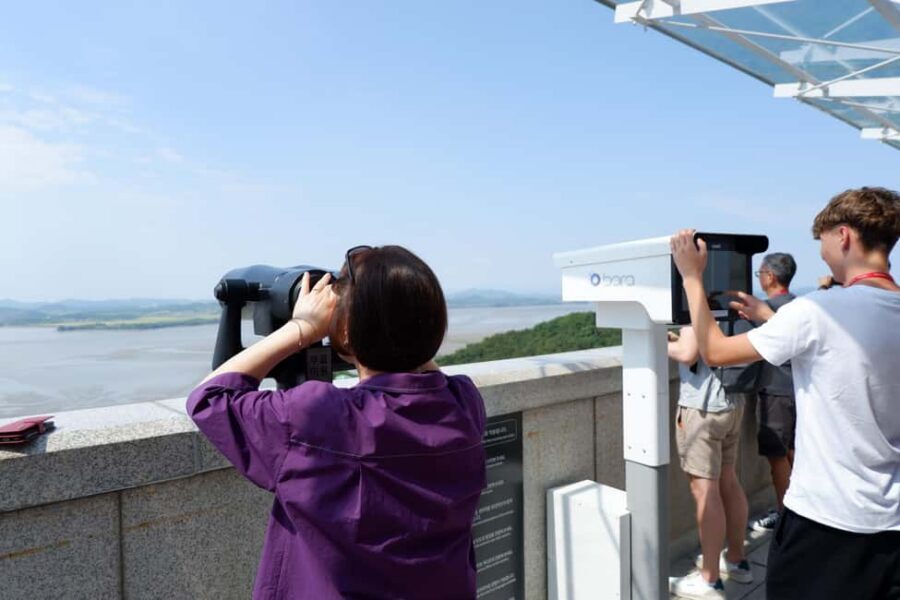
- Dora Observatory views across a 4 km-wide DMZ give you scale you can actually see
- Tunnel options (3rd or 2nd) turn the war story into something physical, not just on a map
- Aegibong Observatory and its Starbucks puts you in the Civilian Control Zone with a view roughly 1.4 km away
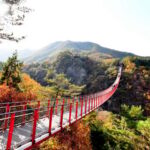
- Gamaksan Suspension Bridge adds Korean War context, but you’ll earn the view with a 40-minute hike
- Guides like Winnie, Thomas, and Kenny often keep energy up with clear explanations and practical touches like binoculars
The DMZ from Seoul: why this day trip hits so hard
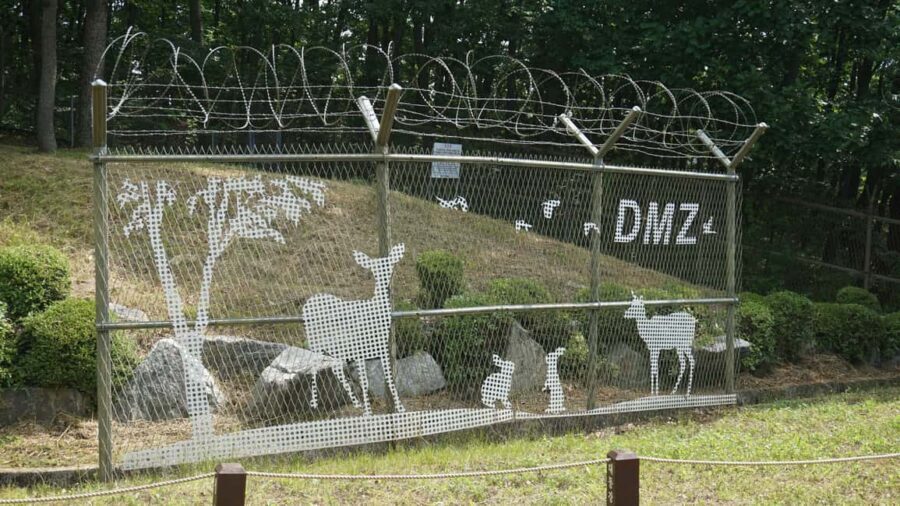
The Korean Demilitarized Zone is not a typical tourist border. It’s a military line that has shaped daily life, travel routes, families, and the politics of the peninsula since 1953. On this tour, you don’t just drive past it and snap photos—you get stops designed to explain what that division means.
I like that the experience is built around a simple progression: first you get context, then you see physical reminders (tunnels, observatories), and finally you get a glimpse of what North Korea looks like from authorized viewpoints. Also, you’re not waiting around for long stretches without purpose; the day is structured so your time stays meaningful even when you’re dealing with heat, humidity, or schedule changes.
One key note: this tour does not include JSA/Panmunjom. So if your main goal is specifically Panmunjom access, you’ll need a different plan. But for most first-timers, the DMZ observatories and tunnels are the heart of what you came for.
You can also read our reviews of more guided tours in Seoul

Imjingak Park, Bridge of Freedom, and Unification Village stops
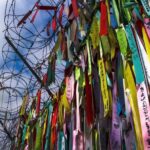
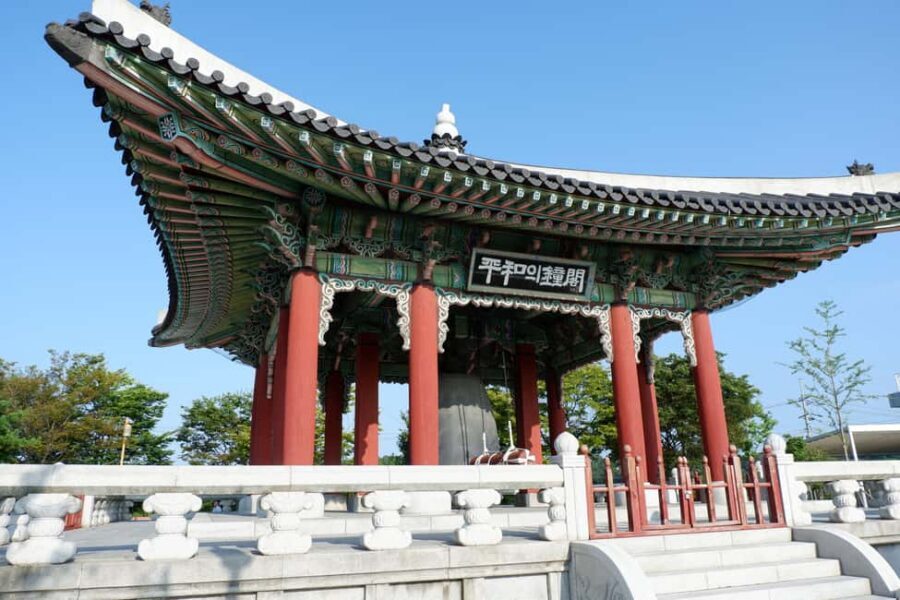
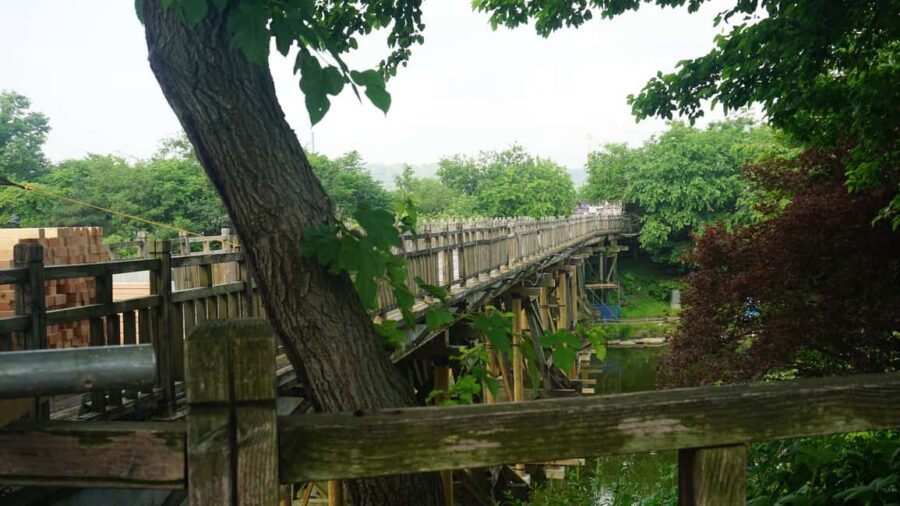
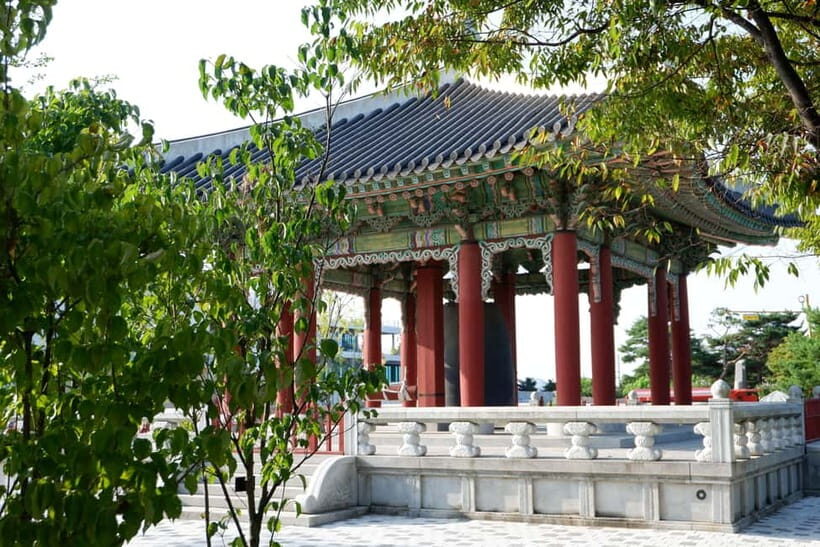
Your day often starts with Imjingak Park, a place that helps you orient fast—geography, history, and emotion all in one sweep. The Bridge of Freedom is a standout here. It’s symbolic, yes, but it also gives you a real starting point for thinking about separation and hope rather than just conflict.
After that, you head toward the area near the DMZ where Unification Village sits. This is one of those stops that’s a little different from the usual museum rhythm. You can browse souvenirs and items connected to peace and reconciliation, and sometimes you’ll even find products linked to North Korea themes. It’s not everyone’s favorite part, but it’s useful for understanding how everyday commerce and politics can blur when the border is close.
I also like that the tour is willing to slow down at the right moments. One of the biggest complaints about long day trips is when you’re rushed through the only place you actually want to pause. Here, the pace tends to leave you enough time to look, take in the scale, and then move on without losing your bearings.
Dora Observatory and the DMZ’s 4 km-wide reality
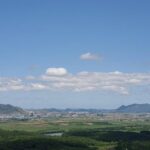
If you choose the route that goes up Mount Dora, you get the signature view from Dora Observatory. This is where the DMZ stops feeling abstract. The border strip is about 4 km wide, and from the observatory you can take in that full separation zone rather than just a thin line on a sign.
From a practical standpoint, the view matters because it changes how you interpret everything else you saw earlier. The Bridge of Freedom makes more sense after you’ve stood far enough back to see how wide the division actually is. Same with the tunnel stop—suddenly it’s not just an engineering story; it’s a story about how people tried to move and communicate under impossible constraints.
This route typically includes the 3rd Infiltration Tunnel, and that’s both the most intense and most “real” part for many people. The slope is steep and the walking time is around 30–40 minutes round trip. If you’re traveling with kids or someone who doesn’t handle climbs well, you can wait at the tunnel entrance area instead of going inside. I’m glad that option exists, because the day is otherwise a long push of standing and moving.
Tunnel route details: choosing the 2nd Tunnel day (and the season changes)
Some days switch from the 3rd tunnel focus to a 2nd Tunnel route. This version tends to feel more spread out, with more stops that build a chain of meaning.
Along the way, you can visit the Cheorwon Peace Observatory, Woljeong-ri Station, and a Migratory Bird Sanctuary. That mix matters. It reminds you that the DMZ isn’t only a military space—it affects wildlife, land use, and the patterns of life that grow in the presence of a ceasefire line.
Then there’s the Hantan River element, which changes with the season. From April to November, you can explore the Hantan River Cliffside Path. From December to February, you’ll have access to the Hantan River Water Road. Either way, it’s a useful break from the constant border talk, and it also gives you a chance to slow down and stretch your legs without feeling like you’re wasting time.
The day’s final stop in this route is the former Korean Workers’ Party Headquarters. Again, it’s not just a photo stop. It gives you another piece of the political puzzle that sits behind the conflict narratives you’ll hear all day.
Gamaksan Suspension Bridge: the walk that adds Korean War context
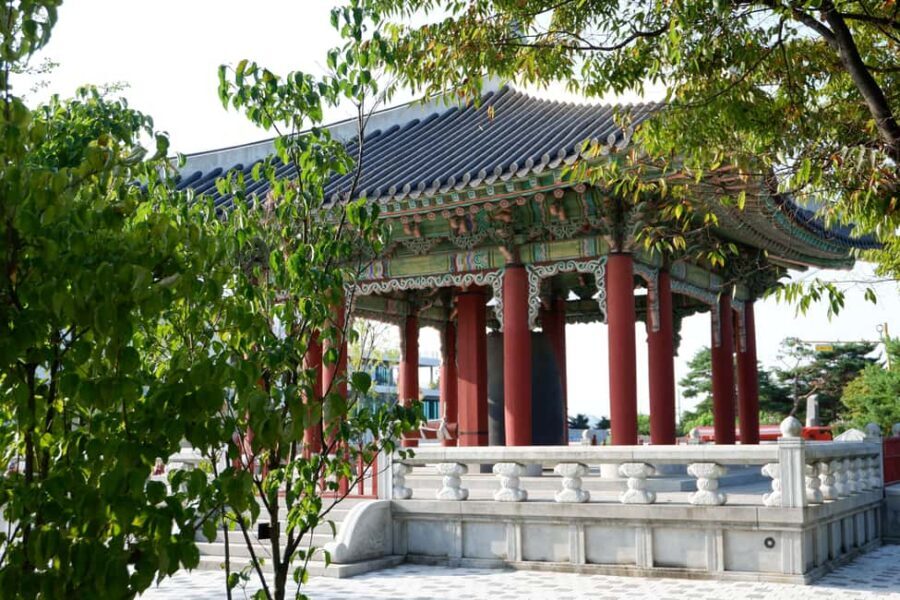
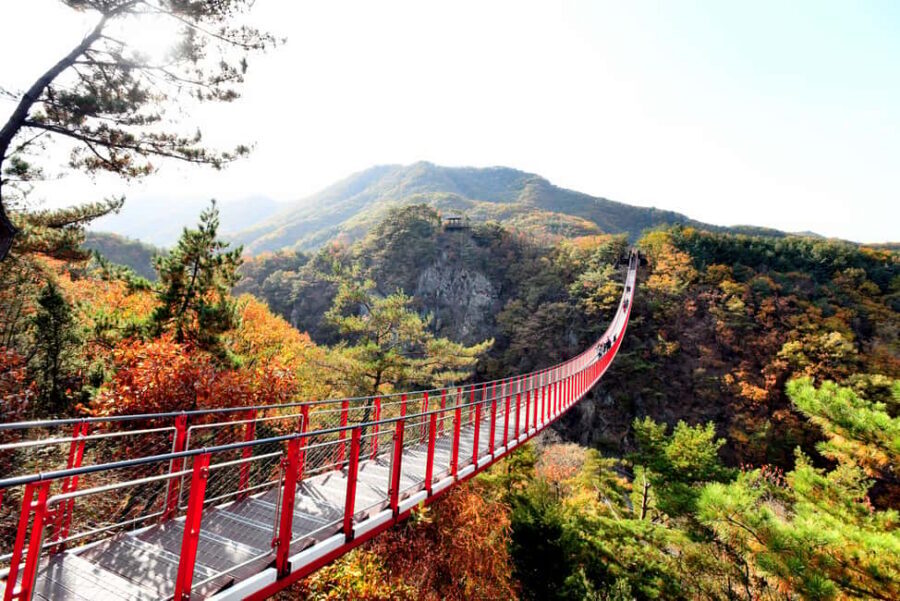
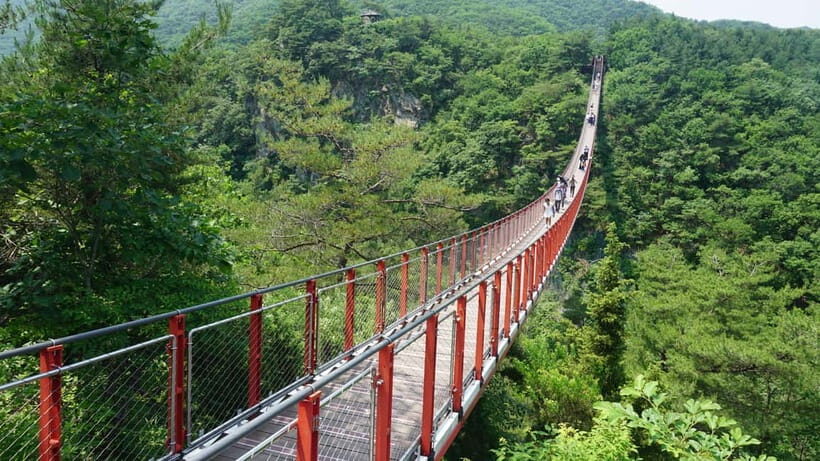
If you’re going with the option that includes the Gamaksan Suspension Bridge, you’ll also get a stop tied to a Korean War battle involving British troops. It’s a meaningful addition because it widens the story beyond just North and South Korea and shows how international forces were pulled into the peninsula’s crisis.
The catch is the effort. The suspension bridge area includes a hike—about 40 minutes—so comfortable shoes are a must. This is not the day trip for slick sandals or shoes you only wear for quick errands. The bridge itself is part of the point, but the approach is what determines whether you feel good at the end of the day.
I also like that the tour gives you different flavors of meaning. Some DMZ days focus more on border structures like tunnels and observatories. This one adds a “movement through terrain” element, where the walk reinforces the war-era geography.


Aegibong Observatory and the Starbucks view roughly 1.4 km away
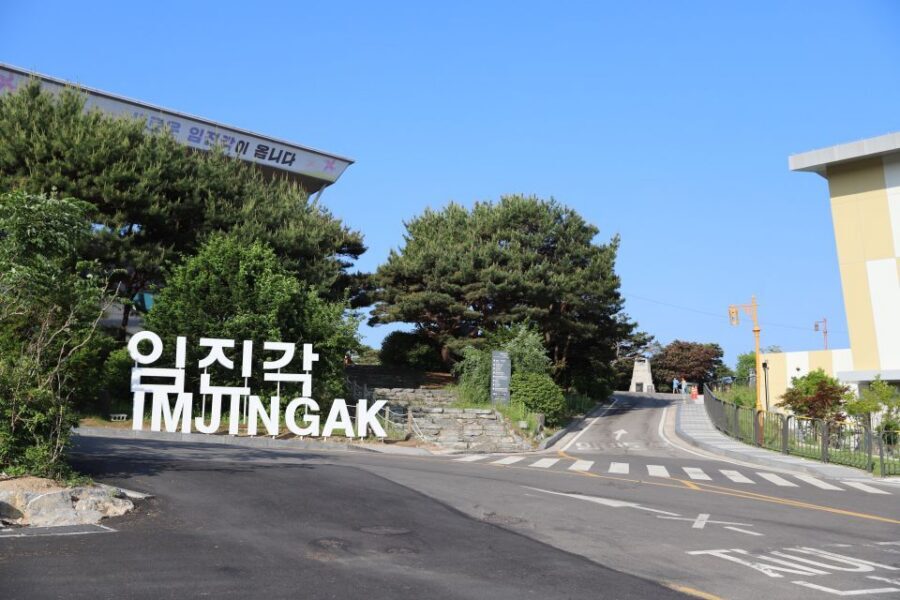
One of the most unique options is the Aegibong Observatory (Starbucks) tour, which runs on days other than Saturdays. This isn’t just a coffee stop with good branding. It takes place at Aegibong Peace Ecopark and includes Jogang Observatory in the Civilian Control Zone, which is one of the closest authorized vantage points for viewing North Korea.
From there, you can view North Korea, which lies just 1.4 km away. That closeness changes your perception instantly. You’re not “imagining” the border distance; you can sense how close two political realities really are.
There’s also a human-history layer to this location. After the Korean War, displaced people visited Aegibong hoping to catch a distant view of their hometowns. In recent years, the area gained extra buzz because of the Starbucks set inside the observatory complex. I find that mix of heartbreak and pop culture fascinating for travel, as long as you keep the context in mind while you’re there.
If you want a DMZ day that feels different from the tunnels and big observatory viewpoints, this option gives you a closer, quieter, more intimate feel—while still staying within the rules of the controlled border area.
The guides: why the day feels clear, not chaotic
The DMZ is heavy subject matter. What makes a difference is how the guide handles it—speed, pacing, humor, and how well they connect each stop to what you should be thinking next.
I’m impressed by how often guides like Stella, Winnie, Thomas, and Kenny show up in the feedback as energetic and organized. One pattern I’ve picked up from the guide style is that they don’t just list facts. They connect the dots, keep questions flowing, and use small moments to keep the group from burning out.
A concrete example: Kenny is noted for preparation and for using binoculars at the observatory. That’s the kind of practical detail that pays off in a border setting. It’s also a reminder to you: bring yourself a calm, curious mindset. The whole experience works best when you ask, and when you’re willing to look longer than you planned.
Some guides also build in small breathing space at the end of the day. That matters because DMZ travel can feel like information overload. You’ll learn a lot, but you still want a few moments to reset before heading back to Seoul.
Timing, transport, and what to pack for a smoother DMZ day
This tour runs 5 to 11 hours depending on the option and day. Starting times vary, so check what’s offered when you book. In practice, you should expect an early start and a long day that’s mostly about moving between sites and standing around for views.
Plan around the physical demands:
- The 3rd Tunnel involves a steep slope and a 30–40 minute round trip on foot
- The Gamaksan Suspension Bridge stop includes a 40-minute hike approach
- You’ll spend time outside near observatories and parks, so weather matters
What to bring is simple but important: you need a passport. You should also avoid alcohol before the tour. Intoxicated passengers aren’t allowed to participate.
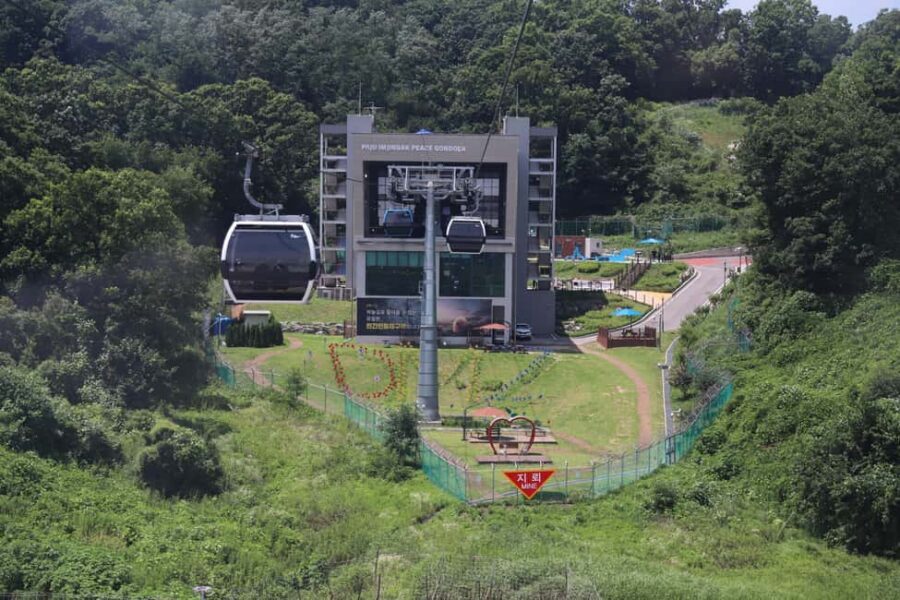
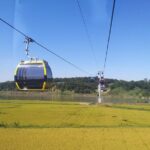
If you’re considering add-ons, note the tradeoffs. A shooting range add-on in Myeongdong can extend the feel of the day into a different part of Seoul after the main DMZ experience. And if you choose the Peace gondola add-on, keep in mind it isn’t air-conditioned, so summer days can get hot.
Food and drinks are not included. That means your best move is to eat before pickup and plan on buying or packing something for breaks when you have downtime.
Value check: how a $30 DMZ tour makes sense (and where it doesn’t)
At about $30 per person, this DMZ tour can feel like a bargain compared with the cost and logistics of arranging border-area visits yourself. You’re paying for licensed guidance, authorized access, and the built-in transport chain, including roundtrip shared transfer by air-conditioned bus or minivan.
You also get entrance fees covered, plus optional hotel pickup from central areas like Gangnam, Myeongdong, Gwanghwamun, Itaewon, and Dongdaemun. If your lodging is harder to access, the guide meets you at a nearby central hotel or subway station. This kind of planning is exactly what saves you time in Seoul, where transit can be easy but coordinating a DMZ schedule isn’t.
Where the price doesn’t apply is food, drinks, and JSA/Panmunjom access. So if you want Panmunjom itself, this is not the right match. If you want an organized day that covers observatories and tunnel sites, it’s a strong deal.
The best value shows up when you pick the option that fits your priorities:
- Choose the Dora route if you want the classic Mount Dora observatory experience and tunnel history
- Choose the 2nd tunnel route if you like a wider set of border-adjacent stops plus seasonal Hantan River walks
- Choose Aegibong if you want the unusual closeness and the Starbucks-in-an-observatory angle in the Civilian Control Zone
Should you book this DMZ tour from Seoul?
Yes, if you want a structured DMZ experience that’s built around views, tunnels, and clear explanations, not just driving past the border. It’s especially worth it for first-timers who want the scale of the DMZ, a rare glimpse of North Korea from an observatory, and a guide who can keep the day moving and understandable. Names like Stella and Winnie are repeatedly tied to keeping long hours from feeling dull.
Skip it or look for a different format if walking and climbing are a problem for you. The tunnel slope and Gamaksan hike can be challenging, and the tour isn’t suitable for wheelchair users or people with heart problems. Also, if JSA/Panmunjom is your non-negotiable goal, this route won’t satisfy that wish.
If you’re the kind of person who likes context—why a bridge matters, why a tunnel was built, why people went to Aegibong—you’ll leave feeling like the DMZ story finally has shape.
FAQ
Do I need a passport for this tour?
Yes. You must bring your passport.
How long does the DMZ tour take?
It’s listed as 5 to 11 hours. Starting times vary by date and option, so you’ll need to check availability.
Which parts of the DMZ are included?
Depending on the option you book, you may visit places like Imjingak Park (including the Bridge of Freedom), infiltration tunnels, Mount Dora and Dora Observatory, Unification Village, and other peace observatories. The tour does not include JSA/Panmunjom.
Can I choose different tour options like the 2nd tunnel or Aegibong?
Yes. There are multiple routes, including a 2nd tunnel-focused tour on specific days and an Aegibong Observatory (Starbucks) option on days other than Saturday.
Is hotel pickup included?
Hotel pickup is optional. If it’s selected, pickup is offered from centrally located Seoul hotels, and otherwise the guide meets you at a nearby central hotel or subway station.
What language is the tour guide?
The tour guide provides live commentary in English and Japanese.
Does the tour include food?
No. Food and drinks are not included.
What add-ons are available?
You can add a shooting range (pistol shooting) and a Peace gondola, if selected. The shooting range add-on includes a visit in Myeongdong after the main tour.
How much walking is involved?
There are walking parts that can be challenging. The 3rd Infiltration Tunnel involves a steep slope with about 30–40 minutes round trip on foot, and the Gamaksan Suspension Bridge stop includes a 40-minute hike.
Who is this tour not suitable for?
It’s not suitable for wheelchair users and people with heart problems. Intoxication also prevents participation.