REVIEW · SEOUL
Seoul: Gyeongbok Palace, Bukchon Village, and Gwangjang Tour
Book on GetYourGuide →Operated by I LOVE SEOUL TOUR Co., Ltd. · Bookable on GetYourGuide
Seoul can feel huge. This tour strings the city’s top hits into one smooth route, mixing royal history, classic neighborhoods, and some of the best Seoul viewpoints in a fully narrated day.
I especially like how the morning starts at Gyeongbokgung Palace and includes the Royal Guard Changing Ceremony, so you’re not just looking at buildings—you’re watching tradition in motion. I also really like the variety after that: Bukchon’s hanok streets for photos, then a calm mountain viewpoint before you hit the shopping-and-snacks finish.
One watch-out: the whole thing is time-optimized. You’ll cover a lot on foot, and there’s no hanbok rental included, so your photo style will depend on what you can arrange on your own.
In This Review
- Quick hits you’ll care about
- Gyeongbokgung Palace and the Royal Guard Changing Ceremony
- Bukchon Hanok Village: your photo route through old Seoul
- Bugak Skyway and Bugak Palgakjeong viewpoints: Seoul from above
- The Korean Ginseng Museum stop: shopping with context
- Gwangjang Market drop-off: where the day turns into snacks
- Timing, group pace, and what 4 to 9 hours really means
- Transportation, pickup, and meeting rules that matter
- Price and value: why $32 can work for a big day
- Who this tour suits best (and who should rethink it)
- FAQ
- FAQ
- How long is the Seoul Gyeongbokgung, Bukchon, and Gwangjang tour?
- What is included in the price?
- Is food included?
- Does the tour run if it rains?
- Is hanbok rental included?
- What should I wear or bring?
- Where does the tour end?
- Is hotel pickup available?
- Can I join the tour after it has started?
- Should you book this Gyeongbokgung–Bukchon–Gwangjang tour?
Quick hits you’ll care about
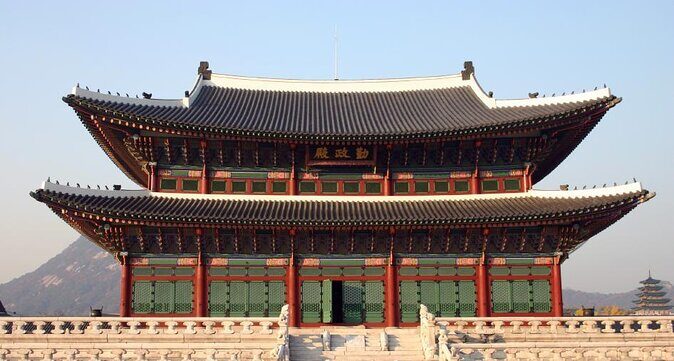
- Gyeongbokgung Palace + Royal Guard Changing Ceremony for the real show, not a drive-by
- Bukchon Hanok Village (or Namsangol Hanok Village if it’s closed) for classic neighborhood vibes
- Bugak Palgakjeong viewpoint with big panoramic angles and a breather from the city noise
- Korean Ginseng Museum shopping for practical souvenirs and interesting context
- Gwangjang Market drop-off so you can eat when you’re actually hungry
- English live guiding + air-conditioned transport to keep the day comfortable
Gyeongbokgung Palace and the Royal Guard Changing Ceremony
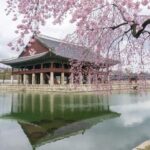
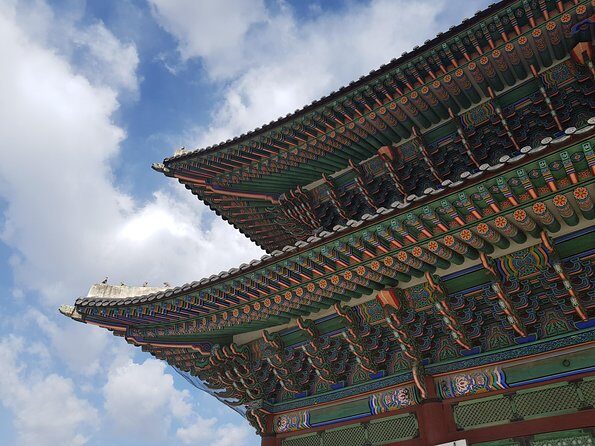
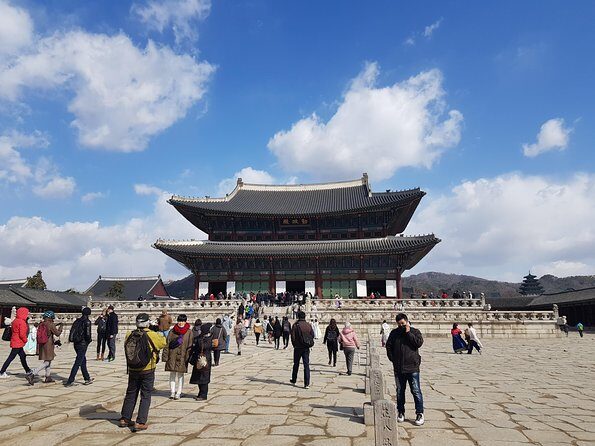
If you only have a half-day or one full day, this is the kind of start that gives you instant momentum. Gyeongbokgung Palace is the biggest and most famous of Seoul’s five main palaces that are still standing, and the tour hits it with a guided, narrated walkthrough that helps you connect the dots—what you’re seeing, why it matters, and how the palace functioned.
Then comes the highlight: the Palace Royal Guard Changing Ceremony. This is one of those moments where the details pay off. You’ll see palace guards perform the ceremony tied to palace tradition, which is a step beyond taking photos of gates and courtyards. The guide’s narration matters here because it helps you understand the order of what’s happening and what to watch for.
A practical note: palaces can mean uneven walking and more time outdoors than you expect, even if the guided part is structured. So bring comfortable shoes and expect to stand and move at a gentle pace as the group watches and photographs the ceremony.
You can also read our reviews of more tours and experiences in Seoul.
Bukchon Hanok Village: your photo route through old Seoul
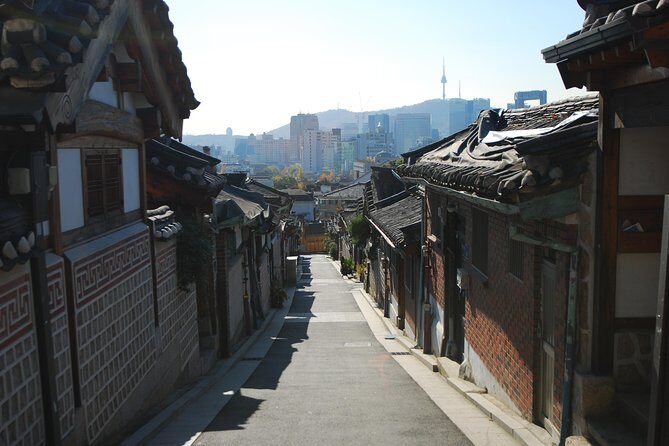
After the palace, you’ll head to Bukchon Hanok Village, an area whose name basically points you to its position—northern Seoul—and where traditional houses (hanoks) still shape the streetscape. The tour gives you a guided walk time that’s long enough to orient yourself and short enough not to feel like you’re trapped in a long museum loop.
What I like about Bukchon is that you’re not just seeing “old houses.” You’re seeing a neighborhood where hanoks function as cultural spaces, guest areas, and places to eat. That gives your photos a sense of life, not just a background.
There’s also a smart backup built in. If Bukchon Hanok Village is closed that day, the tour visits Namsangol Hanok Village instead. Either way, you get the hanok streets and classic architecture theme, but you avoid losing the stop entirely.
Two small considerations:
- You’ll want to be ready for photo chaos. Streets are narrow, and everyone aims their cameras at similar corners.
- If you want a dramatic look in hanbok-style photos, know that hanbok rental isn’t offered on this tour, so plan accordingly if that’s your goal.
Bugak Skyway and Bugak Palgakjeong viewpoints: Seoul from above
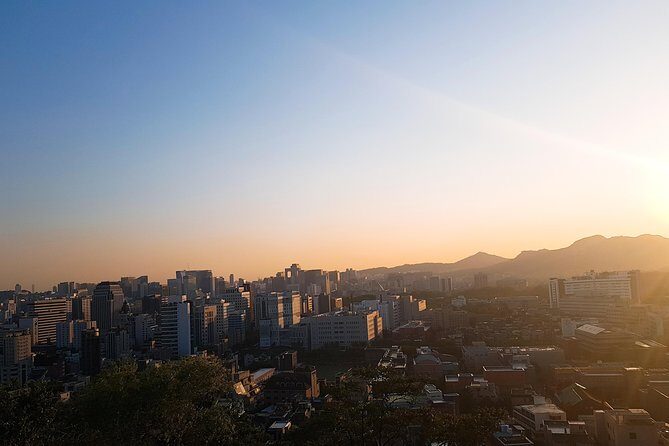
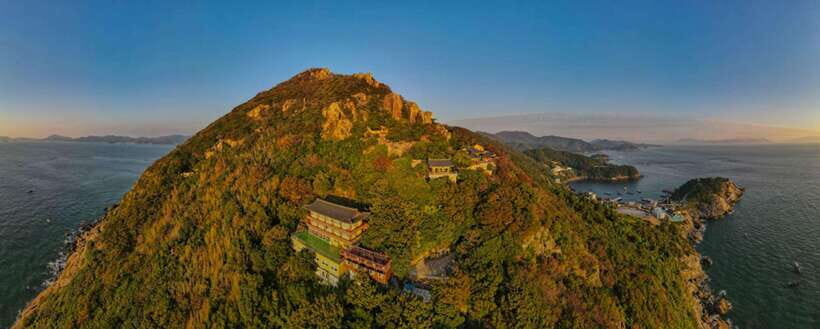
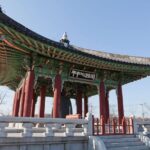
One reason this tour feels like a smart mix is the way it breaks after the palace and neighborhood. You get time at Bugak Skyway, then a dedicated stop at Bugak Palgakjeong—also called the Bugak Pavilion—where you’ll get panoramic views of Seoul.
This is a big mood shift. After palaces and photo streets, the pavilion area is calmer and more open, and the mountain slope setting helps you see the city as a whole. It’s not just pretty; it’s useful. Once you’ve got those skyline angles, you start understanding where things are and how neighborhoods connect.
The guided time here is shorter than the palace or the market segment, so don’t treat it like a long hike. Think of it as: walk to the viewpoint, take in the scale, grab photos, and move on—no stress, no marathon climbing.
Rain or shine: the tour operates in bad weather too. That means you might want to pack a light layer and be ready for slick surfaces if it’s wet. The good news is you’re not stuck with just one indoor stop—your day stays structured.
The Korean Ginseng Museum stop: shopping with context
The Korean Ginseng Museum stop is not only a shopping pause; it’s also an explanation break. Ginseng is a huge cultural and commercial theme in Korea, and the museum stop gives you a guided shopping window where you learn the basics behind why Korean ginseng is so sought after.
The tour’s framing includes some historical context—ginseng being referenced in older writings—and it connects the herb to its modern reputation, including its adaptogenic properties. Even if you’re not planning to buy anything, you’ll usually come away with clearer ideas about what you’re looking at on shelves (types, products, and why brands market them the way they do).
And yes, you’ll have time to shop. The tour explicitly gives you a set shopping window, so you’re not wandering for hours. If you do buy ginseng products, this is the moment to decide what’s realistic for your budget and luggage.
One fair caution: ginseng museums are still retail environments. Go in with a rough plan—maybe you want a small souvenir set, maybe you want something specific—and don’t let the store rhythm rush you.
Gwangjang Market drop-off: where the day turns into snacks
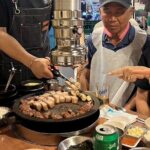
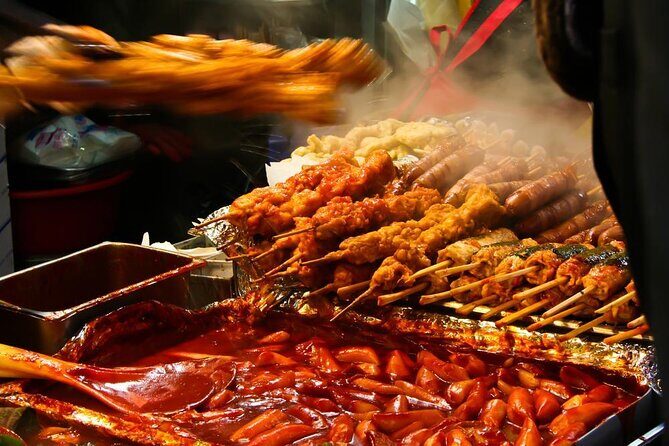
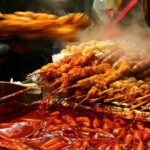
The day ends at Gwangjang Market, which is one of Korea’s best-known traditional markets and famous for food. This is a strong way to finish because you’re not forced to eat during the tour. Lunch timing is built around the market stop, and you’ll have your own choice once you arrive.
Gwangjang Market is especially known for:
- Bindaetteok (mung bean pancakes)
- Mayak gimbap (seaweed rice rolls people often describe as addictive)
This matters because your hunger and spice tolerance change throughout the day. Dropping you near the market gives you flexibility. You can go sit down, grab something quick, or snack-hop your way through a few favorites.
The shopping side is also part of the experience. The market isn’t built around luxury brands; it’s built around variety and value. If you’re looking for useful items, simple souvenirs, or ingredients you recognize from Korean cooking, this is often where you’ll find them.
Timing, group pace, and what 4 to 9 hours really means
This tour can run anywhere from 4 to 9 hours, depending on the option you book. That range is important because it changes how you feel at the end of the day.
A shorter option typically means:
- fewer total stops (or shorter stop times)
- more “look, learn, photograph, move” energy
- a faster return to your own plans after drop-off
A longer full-day option adds extra Seoul anchors. In the provided variations, that can include stops like the War Memorial of Korea (with the emphasis on the 3rd floor United Nations Memorial Cemetery), plus additional cultural sites such as Jogye Temple and Tapgol Park. One option also swaps in Deoksugung Palace with the Royal Guard Changing Ceremony, and another includes N Seoul Tower—with the observatory not included.
So when you choose your duration, choose your travel style:
- If you’re on a tight schedule, go shorter and prioritize the core palaces + viewpoints + market.
- If you can handle more walking and want more cultural stops, go longer and you’ll get a fuller slice of Seoul.
Group tours can sometimes feel rushed, but this one is built with structured stop times and transport between them. Many guides are praised for running the day smoothly and using clear communication, including picture support with devices and a microphone for sound.
Transportation, pickup, and meeting rules that matter
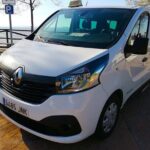
This is an air-conditioned comfort factor tour. You’ll travel by air-conditioned minivan or coach, which makes a big difference in a city where weather and walking distances can surprise you.
Hotel pickup is available only for the right option. If you choose pickup, it’s from central Seoul areas such as Gangnam, Myeongdong, Gwanghwamun, Itaewon, and Dongdaemun, typically between 7:20 AM and 8:40 AM (you’ll confirm the exact time in your message). Otherwise, you’ll meet at the listed starting point and it’s recommended to use the subway for easy access.
Now for the rule that catches people off guard: you have to meet on time and join at the start. Meeting at Gyeongbokgung Palace after the tour starts isn’t permitted, and you can’t contact the guide once the tour is in progress to catch up. Translation: if you want to be on this tour, show up early enough to check in, use the restroom, and settle before the group moves.
Also: meeting point details vary by option, so double-check your confirmation.
Price and value: why $32 can work for a big day
At about $32 per person, this is one of those deals that feels almost unfair for the number of major-name stops. You’re paying for more than transportation. You’re paying for:
- guided time at Gyeongbokgung Palace (including the ceremony watch)
- guided time in Bukchon with context for what you’re looking at
- viewpoint time at Bugak Palgakjeong
- an included stop at the Korean Ginseng Museum
- and structured drop-off at Gwangjang Market so you can eat after the tour
Add in that entrance fees and a local guide are included, and you start to see the value. The trade-off is you’re not buying time at your own pace. It’s “scheduled sightseeing,” not “wandering freedom.”
One more value note: transport quality is frequently praised, with a very high share of reviewers scoring it as perfect. Comfortable rides plus a clear guide can turn a long day into something manageable.
What’s not included is equally important for budgeting:
- food and drinks
- personal expenses and any purchases
- hanbok rental (not offered)
- travel insurance
- hotel drop-off
Who this tour suits best (and who should rethink it)
This tour is a strong fit if you:
- want a first-day-or-first-week style introduction to Seoul
- love history plus classic neighborhoods
- want views without committing to a long hike
- appreciate having an English guide organize the day for you
It’s less ideal if you:
- need wheelchair access (it’s marked not suitable for wheelchair users)
- prefer totally unstructured wandering (this tour is scheduled and efficient)
- want lots of spare time to shop slowly—especially at the ginseng museum and the market
If you’re traveling solo, you can still enjoy it because the route gives you clear meeting points, guided stops, and a built-in finish near food.
And if your main goal is photos, you’ll do well. Bukchon and Bugak Palgakjeong are built for that. Just remember: no hanbok rental means your wardrobe choices are on you.
FAQ
FAQ
How long is the Seoul Gyeongbokgung, Bukchon, and Gwangjang tour?
It runs for about 4 to 9 hours, depending on the option you book.
What is included in the price?
Entrance fees, a local guide, and transport by air-conditioned minivan or coach are included. Hotel pickup is included only if you select the pickup option.
Is food included?
No. Food and drinks aren’t included. You’ll have time to eat at or around Gwangjang Market.
Does the tour run if it rains?
Yes. The tour takes place rain or shine.
Is hanbok rental included?
No. Hanbok rental time is not offered.
What should I wear or bring?
Wear comfortable shoes. The route includes walking and uneven surfaces around palaces and traditional streets.
Where does the tour end?
It ends with drop-off at locations that can include Gwangjang Market and other central points such as Myeongdong Cathedral, depending on the option.
Is hotel pickup available?
It depends on your selected option. Pickup is offered for private tour customers or selected option customers in central Seoul, typically between 7:20 AM and 8:40 AM.
Can I join the tour after it has started?
No. Joining once the tour has started, meeting later than the official start, or contacting the guide once the tour is in progress isn’t permitted.
Should you book this Gyeongbokgung–Bukchon–Gwangjang tour?
If you want a fast, high-value taste of Seoul—palace ceremony, hanok neighborhood walking, a big viewpoint, ginseng shopping, and a market finish for food—this tour is a solid choice. Book it if you like structure and an English guide guiding your priorities.
Skip it if you want maximum freedom to roam at your own pace, or if you need wheelchair-friendly access. Also plan your expectations for hanbok photos: the tour is about the places, not included rentals.