REVIEW · SEOUL
Private Tour: DMZ Aegibong & Korean Culinary Workshop Experience
Book on Viator →Operated by Jung Ho Travel · Bookable on Viator
Aegibong turns geopolitics into something you can see. This private tour pairs a rare DMZ viewing spot with a hands-on Korean culinary workshop, so your day runs from tense views to real kitchen skills. Expect an English-speaking guide, pickup, and a full meal—plus a small souvenir you make yourself.
What I like most is the clear border viewing from Aegibong Peace Eco Park, including the chance to spot North Korean villagers and soldiers with a viewer. The second win is practical cooking time: you create your own 200g jar of gochujang, then eat a traditional bibimbap lunch using locally sourced ingredients.
The main consideration is that this is a military restricted area and it can be canceled for unpredictable reasons. Weather can also affect the day, so it helps to keep your schedule flexible.
In This Review
- Key points that make this tour worth your time
- DMZ Aegibong Peace Eco Park: the border view that feels close
- Aegibong’s meaning in plain words: history you can connect to today
- Rural Gyeonggi-do: the gochujang workshop where you leave with real work
- The bibimbap lunch: what’s included and how to handle dietary needs
- Hand-drip coffee: a calmer ending after the border
- Private tour value: why $219 can make sense
- Timing and transport: how the day actually runs
- Your guide can make or break it: Xander, Chuck, Jun
- Who should book this DMZ plus cooking combo
- Should you book? My take for the right kind of traveler
- FAQ
- How long is the tour?
- Do I get pickup and drop-off?
- What’s included in the price?
- How long do I spend at each stop?
- Can I see North Korea?
- What if I have dietary restrictions?
- What happens if the tour is canceled due to weather or restricted-area issues?
Key points that make this tour worth your time
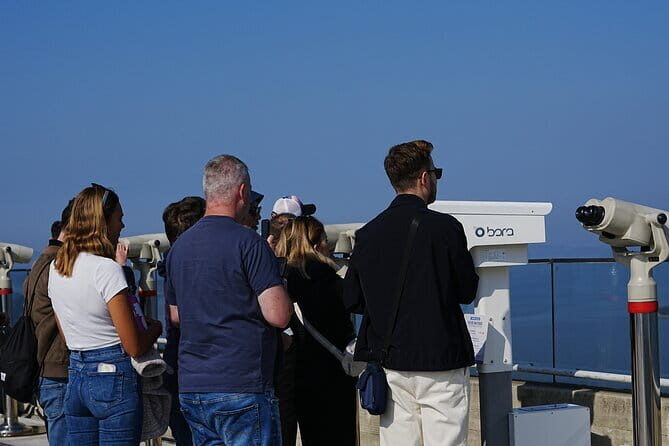
- Aegibong Peace Eco Park views are the highlight, with a viewer to help you see across the border
- Handmaking gochujang: you leave with a jar you made, not just a tasting
- Bibimbap lunch included, with organic, locally sourced ingredients
- Hand-drip coffee as an optional finishing touch for a calmer ending
- Private vehicle + pickup/drop-off keeps the day smooth and low-stress
- Short guide-led stops mean you spend your time actually doing things, not sitting
DMZ Aegibong Peace Eco Park: the border view that feels close
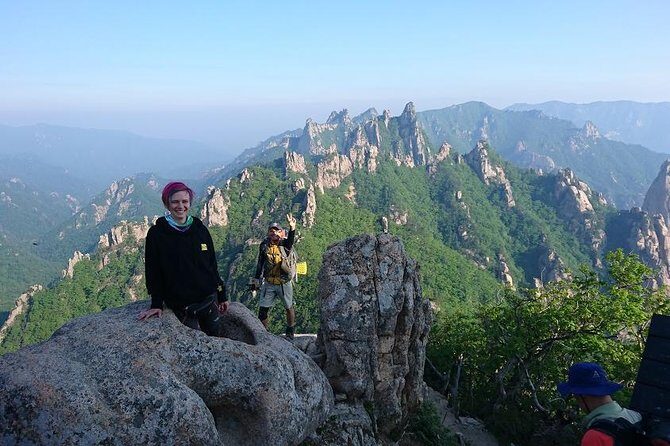
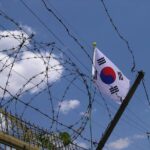
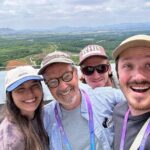
Aegibong Peace Eco Park sits at Aegibong Peak, on the northern tip of Gimpo City. It’s about an hour from downtown Seoul, so you get out of the city without a half-day transport slog. The setting is tied to the Korean War and the division of Korea, which gives the views more weight than a generic “scenic stop.”
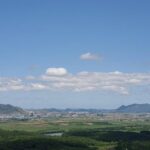
What makes Aegibong different is the viewing angle. From this peace park point, you can take in panoramic views of both North and South Korea, and the experience is set up so you can see North Korean villagers and soldiers using a viewer. That viewer matters because it turns a distant outline into something your eyes can actually track.
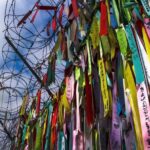
There’s also a human-story layer here. The name Aegibong combines words for love, mistress, and peak, linked to a tragic separation during a conflict in 1636 between a Pyeongyang governor and his mistress. One of the most striking things you’ll hear from your guide is how President Park Chung Hee later used that separation as a metaphor for the pain of division. It’s the kind of detail that makes the border feel personal, not abstract.
One small practical tip: this stop is part of a military restricted area, so expect rules to matter. Bring your patience, and don’t plan anything else tight right after.
You can also read our reviews of more private tours in Seoul
Aegibong’s meaning in plain words: history you can connect to today
It’s easy to treat the DMZ as a postcard topic. Aegibong pushes it into a more grounded, everyday frame because you’re not just hearing dates—you’re standing in a place where the past has physical proximity.
Your English-speaking guide typically helps connect the dots between the Korean War era, the later political symbolism, and what division has meant over time. In past days, guides like Xander and Chuck have been praised for making that connection clear and for answering questions in a way that keeps the pace comfortable. If you like context that doesn’t feel like a lecture, this is the part of the day that usually delivers.
You’ll also spend about two hours at this stop, which is long enough to actually absorb the views. That time buffer matters because border viewing works best when you’re not constantly rushed.
Rural Gyeonggi-do: the gochujang workshop where you leave with real work
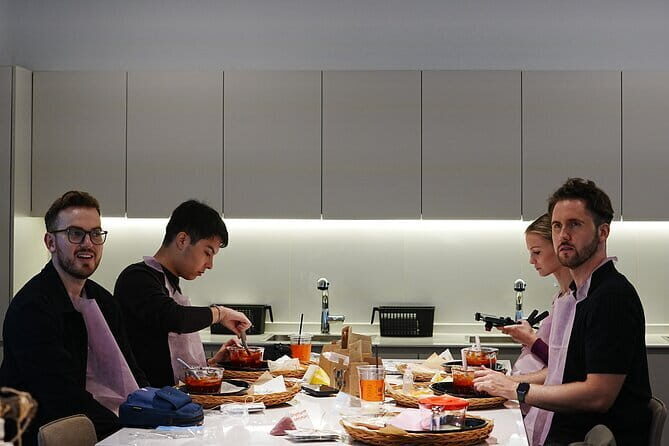
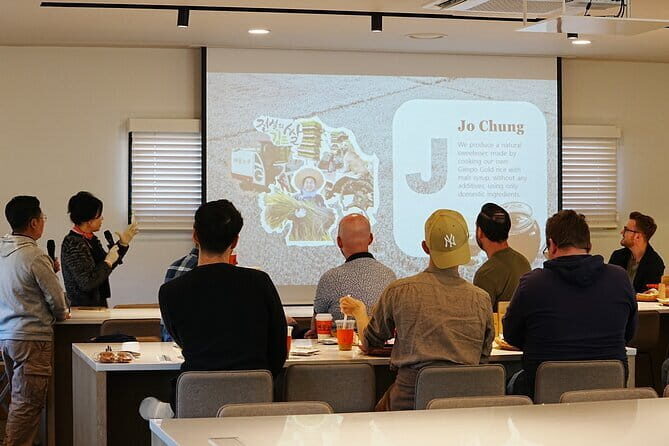
After the DMZ viewing, the day shifts gears to rural Gyeonggi-do. Instead of another “look and go” stop, you get pulled into the process of making Korea’s signature red chili paste: gochujang.
The setting is a cultural and agricultural site focused on farming heritage and the people who shaped it. You’ll learn in a hands-on way during a gochujang-making workshop, and you’ll make your own 200g jar to take home. That jar is the difference between souvenirs and food you can actually use.
The workshop also comes from a family-run operation connected to food-making across three generations. That matters because it changes the tone: this isn’t staged “cooking class” energy. You’re making something real, with methods and guidance that reflect long-term practice.
In practice, plan for a bit of mess and smell. Gochujang is chili-based, so your hands and air around your station will carry that aroma. Bring or wear something you don’t mind getting slightly fragrant.
The bibimbap lunch: what’s included and how to handle dietary needs
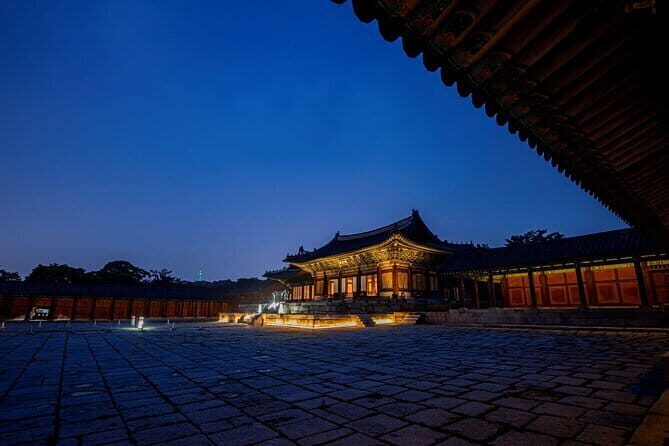
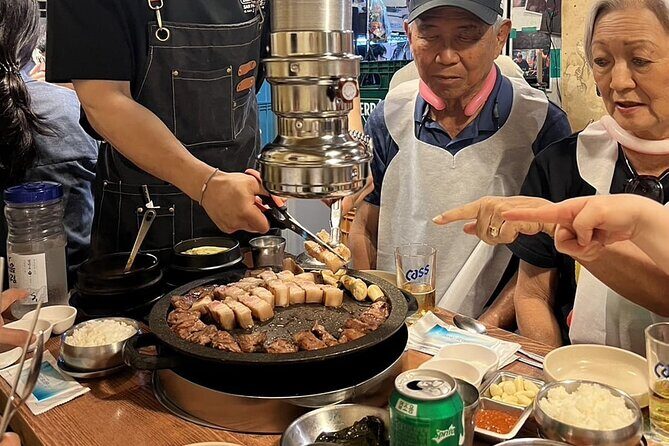
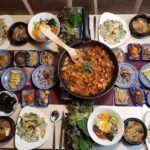
Lunch is built around authentic bibimbap, and it’s included. You’ll eat after the cooking activity, which is a smart order: you’ll better understand the flavors when you’ve just worked with Korean ingredients.
The meal is described as using organic, locally sourced ingredients. You’ll get a classic bibimbap experience rather than a simplified tourist version, and your guide should help you understand what you’re seeing on the table.
Diet matters here. If you have dietary restrictions, notify the company in advance. The tour includes bibimbap for lunch, and adjustments are the kind of thing that need planning rather than guessing on the day.
If you’re the type who wants to try local food without hunting for it afterward, this lunch is a big value piece. You don’t just get fed—you get to taste something that connects back to the ingredients you handled during gochujang making.
Hand-drip coffee: a calmer ending after the border
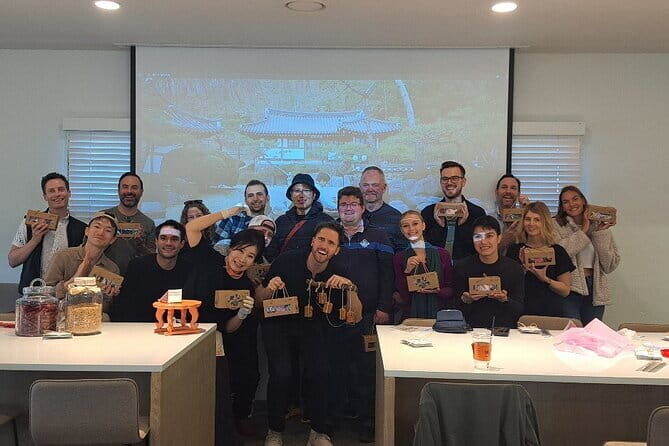
The day doesn’t end with food alone. There’s also a hand-drip coffee experience as an optional add-on in the included items list.
This is where the tour balances the mood. After a serious, high-emotion morning at the peace park, grinding and brewing coffee gives you a quiet reset. You’ll create a cup from premium beans, and if you like the ritual side of coffee, you’ll probably appreciate this more than a typical café stop.
Practical note: coffee is optional here (it’s listed as coffee and/or tea), so the exact cup you get may depend on what’s offered that day. Either way, the intent is the same—something warm to close out a long day without dragging you back into crowds.
A few more Seoul tours and experiences worth a look



Private tour value: why $219 can make sense
At $219 per person for a 6 hours 30 minutes experience, this price only feels high at first glance. But when you break down what you actually receive, the math gets easier.
You’re paying for:
- Private transportation with air-conditioned comfort
- Entrance fees included
- A real workshop where you take home a 200g jar
- Lunch (bibimbap) included
- A guide for the full stretch, plus time at the viewing point and then the rural stop
DMZ access is not the same as a typical museum visit. The day involves a military restricted area, a specialized viewing location, and a schedule that has to account for rules and safety. That kind of friction costs money and limits how cheaply it can be offered.
And because it’s private, you avoid the constant “wait your turn” problem that can happen on group versions. Your guide can adjust pacing to your questions, which matters a lot when a subject is politically and historically charged.
If you’re traveling as a couple or a small group and want the most efficient version of the experience, a private format usually wins. If you’re a solo traveler on a tight budget, you might consider whether a shared DMZ tour plus a separate cooking class would feel similar. But if you want one smooth day with food included and less stress, this combo is hard to beat.
Timing and transport: how the day actually runs
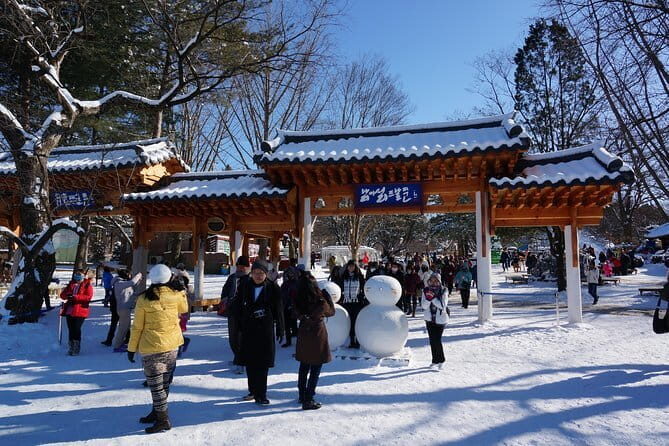
This tour is designed so you’re not stuck in transit forever. Stop time is about two hours at Aegibong Peace Eco Park and about two hours at the rural site, with roughly 2.5 hours for travel time making up the rest of the day.
That schedule matters because the day has two different energy levels. Aegibong is the “stand and look” part, and it benefits from time to settle in. The gochujang and lunch segment is the “do and eat” part, and it benefits from not being rushed.
Pickup and drop-off are included, which is a quality-of-life upgrade if you don’t want to coordinate trains or taxis with timing pressure. You’ll also have a mobile ticket, which cuts down on paper hassle.
In terms of physical demand, the tour calls for moderate physical fitness. That usually means you should be comfortable with walking time around outdoor areas, not that you need to be an athlete.
Your guide can make or break it: Xander, Chuck, Jun
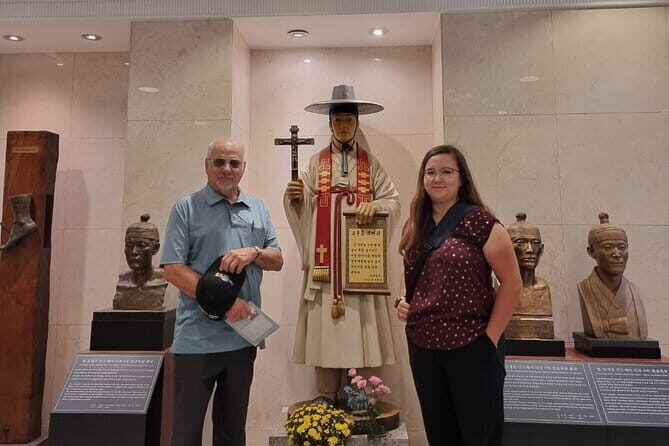
This is the kind of tour where the guide’s tone matters. You’re balancing a serious border setting, a cultural story, and a hands-on kitchen activity. If the guide keeps things clear and paced, the whole day clicks.
In previous experiences, guides named Xander, Chuck, and Jun have been praised for different strengths:
- Xander for delivering deep insights and keeping the experience unforgettable
- Chuck for being an excellent driver-guide type, with strong context during the ride
- Jun for making the gochujang-making time enjoyable and memorable
If you’re the type who likes to ask questions, a good guide also helps you understand what you’re seeing through the viewer, not just where you’re standing.
If you’re visiting for the first time, that guidance is especially useful. Korean history and modern politics can feel tangled when you’re learning it on the fly.
Who should book this DMZ plus cooking combo
This works best if you want two things in one day:
1) A DMZ viewing experience that focuses on clear sightlines from Aegibong rather than just checking a box.
2) A real culinary activity where you take home food you made and then eat a proper Korean meal.
You’ll probably be happiest with this tour if you:
- Like guided context, especially for politically sensitive topics
- Want a hands-on cooking souvenir, not just a photo
- Prefer private pickup/drop-off and a schedule that stays organized
- Are comfortable with moderate walking and outdoor time
It may feel less ideal if you hate uncertainty. Because the Aegibong area can be impacted by unpredictable factors and the experience depends on good weather, your plans should allow for flexibility.
Should you book? My take for the right kind of traveler
Book it if your ideal Seoul day looks like this: clear border views, a guide who explains what matters, then hands-on food-making that gives you something to bring home and share. For many people, the value comes from the combination—DMZ access plus a workshop plus lunch—within one private, timed day.
Skip or reconsider if your schedule is rigid or you can’t tolerate the possibility of weather or restricted-area changes. This tour is set up to deliver a lot, but it can’t fully control the conditions around the DMZ area.
If you’re deciding between a bigger, more famous DMZ option and this Aegibong approach, the advantage here is that you’re going for a spot designed for viewing. You’ll likely feel you get a better sense of distance and direction than the kind of stop where crowds eat up your attention.
In short: if you want meaning and a meal—plus a jar of gochujang you made—this is a strong pick.
FAQ
How long is the tour?
The tour runs for about 6 hours 30 minutes.
Do I get pickup and drop-off?
Yes. Pickup and drop-off service is offered, and you travel in an air-conditioned private vehicle.
What’s included in the price?
Entrance fees are included, along with lunch (authentic traditional bibimbap). Hand-drip coffee and/or tea is listed as optional.
How long do I spend at each stop?
Aegibong Peace Eco Park is about 2 hours, and the rural Gyeonggi-do stop for the workshop and meal is also about 2 hours. The remaining time is travel.
Can I see North Korea?
From Aegibong Peace Eco Park, you can see North Korean villagers and soldiers using a viewer.
What if I have dietary restrictions?
You should notify the company in advance, since bibimbap lunch is included and dietary needs need planning.
What happens if the tour is canceled due to weather or restricted-area issues?
The experience requires good weather. If it’s canceled due to poor weather, you’ll be offered a different date or a full refund. The Aegibong stop is in a military restricted area, so it can also be canceled due to unpredictable reasons.