REVIEW · SEOUL
Premium Private DMZ Tour & (Suspension Bridge or N-Tower) include lunch
Book on Viator →Operated by Outdoors Korea · Bookable on Viator
A somber day, tightly packed with meaning. I like that this is truly private—you get one driving guide and your own pickup/drop-off—plus the day ends with a traditional Korean lunch that often includes army stew. One thing to plan for: the DMZ portion and the optional suspension bridge both involve real walking, including a steep, wet-feeling tunnel climb.
After hotel pickup, the tour builds context first, then gets hands-on at the DMZ sites, and finally balances it with either evening-style city views at N Seoul Tower or calmer mountain time at a suspension bridge. Your guide also has a habit of answering the big questions—politics, culture, religion, and daily life—so the stops connect instead of feeling like checkboxes.
This is a long 9 to 10 hour day, but it’s paced with a private vehicle and an English-speaking guide. If you want a DMZ outing that feels organized and human (not rushed or confusing), this one is a strong fit.
In This Review
- Key highlights worth knowing before you go
- Why this private DMZ day feels different from the usual setup
- Price and what you really get for $198 per person
- Pickup, timing, and how the day stays organized
- Imjingak Pyeonghoa-Nuri Park: where the DMZ story starts
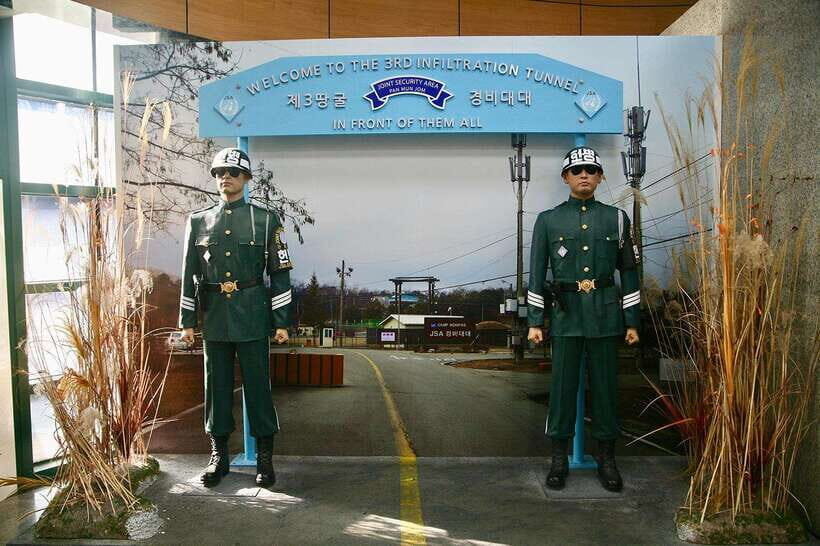
- Dora Observatory and the Third Tunnel: the DMZ in close-up
- Suspension bridge time on Gamaksan or Majang Lake
- British Military Seolmari Battle Memorial Park: a short stop with weight
- N Seoul Tower option: flexible, easy to reach from the day’s routing
- Lunch at a traditional Korean restaurant (often army stew)
- The guides: what you’re paying for besides the driving
- What to wear and pack for this DMZ + hike combo
- Who should book this tour (and who should think twice)
- Should you book this Premium Private DMZ Tour?
- FAQ
- What does the $198 price include?
- Is N Seoul Tower included?
- How long is the tour?
- Do I need a passport?
- Is lunch included?
- How much walking should I expect?
- Can I take photos at Dora Observatory?
- Is this tour truly private?
- What is the cancellation policy?
Key highlights worth knowing before you go
- Private hotel pickup and drop-off in an air-conditioned vehicle so the day starts smoothly.
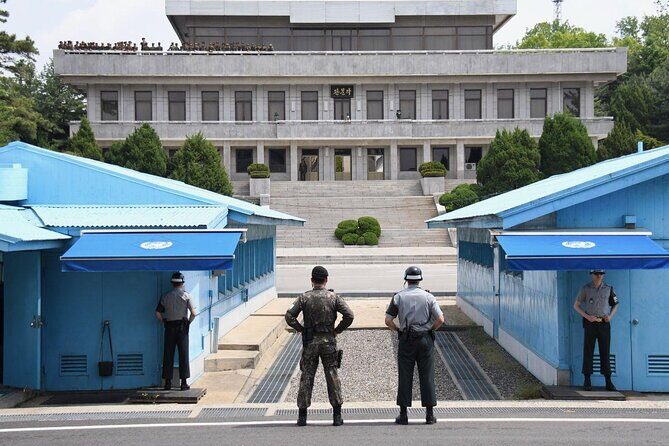
- DMZ includes Dora Observatory and the Third Tunnel with built-in time for security-area movement.
- Lunch is included at a local Korean restaurant, with army stew showing up often.
- Suspension bridge option included (Gamaksan or Majang Lake), with moderate hiking.
- N Seoul Tower is an add-on path, but parking and cable car/elevator costs are not included.
- English-speaking driving guides get high praise for clarity and keeping the schedule moving.
Why this private DMZ day feels different from the usual setup
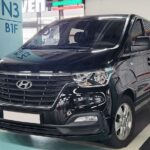
The best part here is the “front half” of your day: you start with round-trip pickup from your hotel and you ride in your own vehicle. That matters in Seoul, where timing can turn into stress fast. You also have a guide who can shape the day around your interests, not just read from a script.
Another big win is comfort. You’re not constantly changing transport. Even when official rules shape how the DMZ area works, you still get a smoother experience than hopping between random buses on your own.
The vibe is serious, yes. But it’s also well run. Guides with strong English skills—like the ones guests name often, including Chance Kim, Benny, Jimmy, Andy, Sebastian, and BJ—tend to keep you feeling informed rather than overwhelmed.
You can also read our reviews of more private tours in Seoul
Price and what you really get for $198 per person
At $198 per person for roughly 9 to 10 hours, the value comes from stacking several “expensive in time and effort” parts into one booking: hotel pickup, a fluent English-driving guide, included admissions for major stops, and lunch.
Here’s what’s clearly included:
- Lunch
- Fluent English-speaking driving guide
- Hotel pickup and drop-off
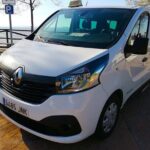
- Air-conditioned vehicle
- Gamaksan Suspension Bridge or Majang Lake Suspension Bridge
And for the DMZ-side elements, admission is included for the DMZ stops listed.
What’s not included:
- N Seoul Tower costs like parking plus cable car/elevator (only if you choose that option)
- Any extra add-ons you decide to purchase separately
So the “math” isn’t just admissions. It’s buying time and easing logistics. For many first-time visitors, that’s what makes the day worth it.
Pickup, timing, and how the day stays organized
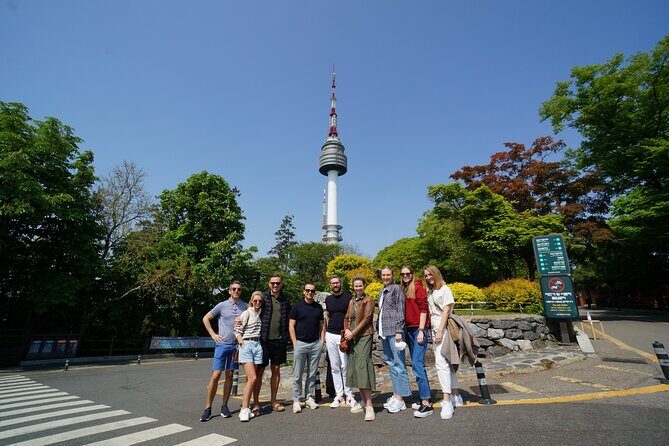
The day runs long—plan on most of a daylight stretch. You’ll spend meaningful time moving between sites, and you’ll also spend time walking where it’s required.
One important reality check: even on a private tour, DMZ access can involve regulated group transport inside the controlled zone. That’s not a deal-breaker. It just means you should expect some shared logistics at the DMZ segment, even if your guide is with you for explanation and direction.
Your guide also plays traffic-controller. Multiple reviews highlight guides who keep an eye on timing, reduce waiting when possible, and adjust when people need more time—especially at the bridge climb and the tunnel portion.
Imjingak Pyeonghoa-Nuri Park: where the DMZ story starts
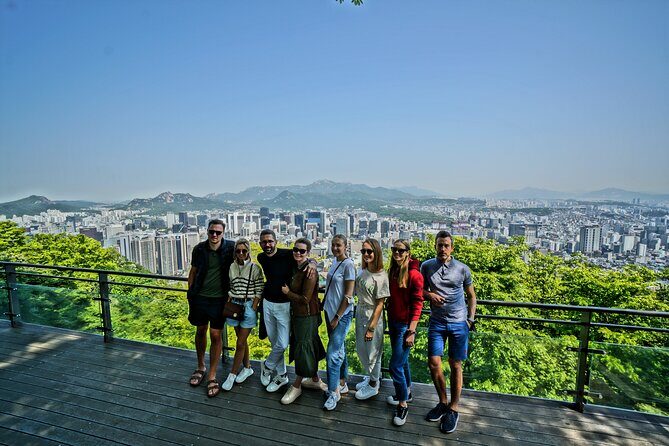
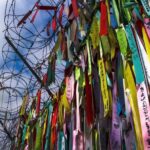
You begin at Imjingak Pyeonghoa-Nuri Park, a key staging area for the DMZ visit. This stop does two jobs at once: it’s practical (cars park here) and it sets your mental map before you get anywhere near the border area.
You’ll see elements tied to the Korean War era, including a Rust Train reportedly bombed during the war, plus a ceremony table connected to North Korean ancestors. Even if you know the basic headlines, this is where the day starts to feel grounded in place.
Why it works: it prevents the DMZ from becoming abstract. Before you’re looking at observatories and tunnels, you understand what people in the region remember—and why those symbols matter.
Dora Observatory and the Third Tunnel: the DMZ in close-up
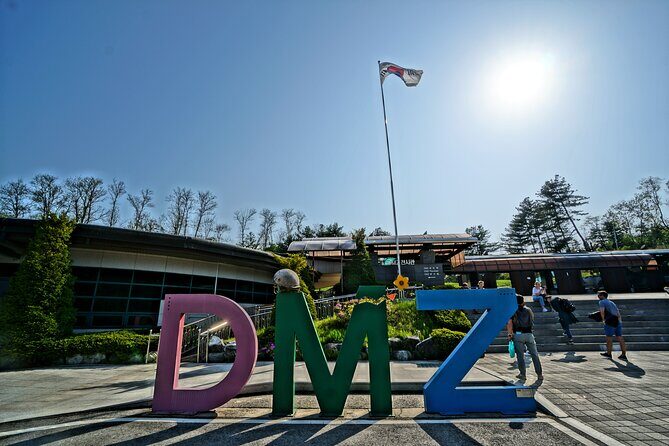
This is the core of the day. You head into the DMZ area with your guide and visit:
- Dora Observatory
- The Third Tunnel, dug under the border
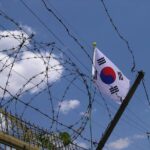
At Dora Observatory, you’re set up to view the North Korea side across the divide. A review notes that from the observatory café, you can clearly see both flags, helped by the guide’s binoculars—and that photos are prohibited at that location. So treat this like a place for observation, not a place for selfies.
Then comes the tunnel. Expect a physical experience. Reviews mention a hike down and back up that worked out to about 1.2 km and includes steep sections (one review mentions around an 11% incline feeling). It can also feel wet, and one guest specifically advised shoes because of that.
Why this part hits: it turns the border into something you can almost feel—engineering, distance, and tension all at once. It’s also where a great guide adds value, because they can explain what you’re seeing without making it feel like a lecture.
A few more Seoul tours and experiences worth a look
Suspension bridge time on Gamaksan or Majang Lake
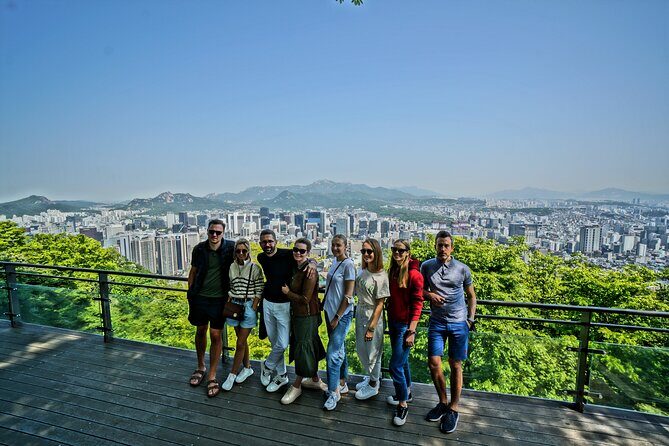
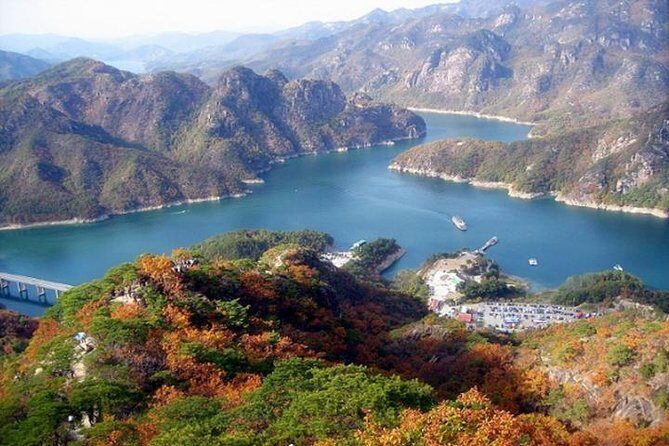
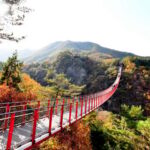
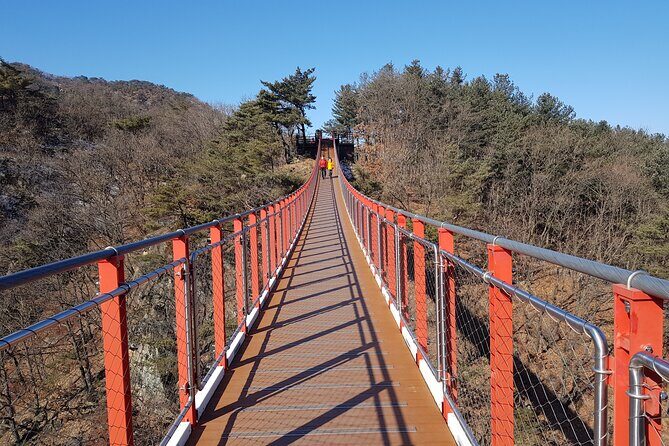
After the DMZ, the day can go two ways depending on your choice: city views with N Seoul Tower or fresh-air hiking with a suspension bridge. This tour includes the bridge option, typically Gamaksan Suspension Bridge or Majang Lake Suspension Bridge.
The point isn’t just the bridge. It’s the reset. One review describes Gamaksan as a mountain hike from the parking area, around a 20-minute climb before you reach the bridge. Another review frames Majang Lake as calm and peaceful compared with the DMZ intensity.
You should know what you’re signing up for:
- You’ll hike up to the bridge and back.
- It’s described as moderate activity.
- Good footwear matters because it’s not flat strolling.
If you love the idea of ending your day with quieter nature views—rather than more guardrails and restrictions—this is a smart pairing.
British Military Seolmari Battle Memorial Park: a short stop with weight
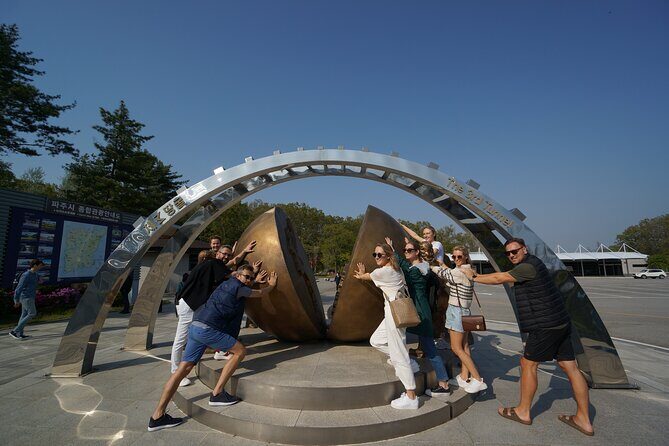
If you choose the suspension bridge route, there’s usually a stop at the British Military Seolmari Battle Memorial Park. It’s a remembrance site tied to the British battle in the region.
It’s only about 20 minutes, so don’t expect a deep museum-style visit. But it adds perspective. The DMZ often gets treated like a purely Korea-only storyline. This stop quietly expands the picture to the wider history of the conflict.
N Seoul Tower option: flexible, easy to reach from the day’s routing
Some bookings add N Seoul Tower instead of the suspension bridge path. The tower is a logical late-day option because it’s easy to reach afterward using public transit or a cable-car-style route, depending on your plan.
Here’s the practical catch: N Seoul Tower admission/ticket costs are not included, and optional items like car park, cable car, and elevator aren’t included either. If you want the tower, treat it as a paid add-on you’ll budget for.
Why people like it: the tower gives you Seoul from above at the end of a long, serious day. It’s a change of scenery that can feel like a reward after the DMZ.
Lunch at a traditional Korean restaurant (often army stew)
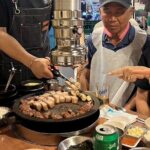
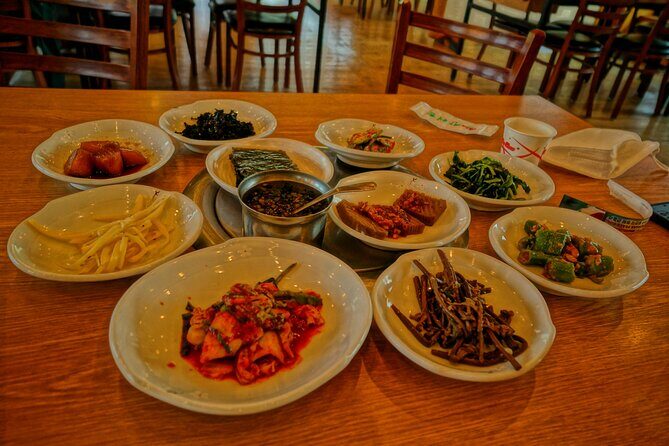
Lunch is included, and it’s the kind of stop that makes the day feel more than a history lesson. Multiple reviews call out army stew as a standout.
This is what I like about having lunch included in the itinerary:
- you don’t lose time hunting for food between controlled-site visits
- you can focus on the sites, not the schedule math
- your guide can steer you toward local favorites rather than tourist menu traps
One review even highlights a guide who ordered local favorites and got large, family-style portions. Another mentions guides bringing water for heat. Translation: when lunch is built in, your guide can handle the small comfort details that make a long day bearable.
The guides: what you’re paying for besides the driving
The guides are a major reason this tour gets almost perfect scores. Names that pop up repeatedly include Chance Kim, Benny, Jimmy, Andy, Sebastian, and BJ.
The best feedback patterns aren’t just about facts. They’re about how the guide handles the day:
- clear English so you can follow every stop
- humor and storytelling that make hard topics easier to process
- patience when you need more time at the tunnel or bridge
- flexibility when small issues pop up, like missing sunglasses or timing questions
One guest called out Benny for being alert about timing and helping them avoid lines. Another describes Andy as full of answers and making the trip fun while still staying respectful of the subject.
This matters because the DMZ isn’t a casual sightseeing circuit. A good guide helps you connect the dots without turning it into a blur.
What to wear and pack for this DMZ + hike combo
This is the part you’ll want to get right before you go. The biggest practical needs are:
- passport (you’re explicitly told to bring it)
- comfortable shoes with grip
- something to handle humidity or heat (you may be outdoors walking)
For the tunnel: one review mentions that the steep walk can feel wet and sandals were not ideal for everyone. For the suspension bridge: expect a climb up and down. If you’re thinking of footwear, go for shoes you can walk in confidently for an hour or more.
Photo rules: at Dora Observatory, photos are prohibited per a review. So plan your photos around everything else, and use your eyes at the observatory instead.
Who should book this tour (and who should think twice)
I’d book this if you:
- want a private DMZ day with real guiding and easy hotel logistics
- care about understanding how the Korean peninsula is shaped by politics and culture, not just seeing sites
- don’t mind a long day and physical walking, especially with the tunnel and optional bridge
You might think twice if you:
- hate steep walking or wet, slippery-feeling surfaces (the tunnel portion can be demanding)
- need a short, low-effort sightseeing day
- want lots of free time to wander without schedule pressure (this is structured and time-managed)
That said, the tour repeatedly earns praise for not feeling rushed. The private pacing and guide attention can make the long hours feel manageable.
Should you book this Premium Private DMZ Tour?
If your goal is a well-run DMZ day that feels organized, personal, and informative, I think it’s a strong choice. The value isn’t only the sights. It’s the combination of pickup/drop-off, fluent English guiding, included lunch, and admissions—plus a meaningful “after” either at N Seoul Tower or on a suspension bridge hike.
Book it if you’re ready for walking and you want context, not just headlines. Skip it only if you’re aiming for an easy, stroller-style outing or you’re not comfortable with the tunnel and bridge hikes.
If you do book, pack good shoes, bring your passport, and give your guide your questions. This is the kind of day where the answers make the places hit harder.
FAQ
What does the $198 price include?
The price includes lunch, a fluent English-speaking driving guide, hotel pickup and drop-off, an air-conditioned vehicle, and the included bridge stop (Gamaksan Suspension Bridge or Majang Lake Suspension Bridge). Admission is included for the DMZ-related stops listed on the itinerary.
Is N Seoul Tower included?
N Seoul Tower is not included. Parking, cable car, and elevator costs are also not included if you visit the tower.
How long is the tour?
The tour runs about 9 to 10 hours.
Do I need a passport?
Yes. You’re asked to bring your passport for the tour.
Is lunch included?
Yes. Lunch is included at a traditional Korean restaurant, with army stew mentioned in guest feedback.
How much walking should I expect?
Expect walking during the Third Tunnel portion and during the suspension bridge visit if you choose that option. The tunnel climb involves steep sections, and it can feel wet.
Can I take photos at Dora Observatory?
Photos are prohibited at Dora Observatory, based on guest experience.
Is this tour truly private?
It’s private in the sense that only your group participates. However, the DMZ area has regulated transport, so you may use official group transport during part of the DMZ visit.
What is the cancellation policy?
You can cancel for free up to 24 hours in advance for a full refund.