REVIEW · SEOUL
[DMZ Private Full day Tour] & The War Memorial include Lunch
Book on Viator →Operated by Outdoors Korea · Bookable on Viator
Two Koreas, one long day.
This private DMZ + War Memorial tour is interesting because it mixes big sights with real context, from Imjingak’s war reminders to the War Memorial’s exhibits. I especially like the hotel pickup and the fact that you’re not stuck figuring out checkpoints and timing on your own. The lunch is included at a traditional Korean restaurant, and it gives you a calmer reset before the heavier museum time. One thing to keep in mind: parts of the viewing area can close when tension is high, and you may have to roll with what’s open that day.
You also get the kind of guided day that makes the places connect. In past groups, guides like B. J. Kim and Alfonso have led the story with clear links between the Korean War and today’s political reality, and they also answer the side questions that pop up when you’re standing in these exact locations. You’ll likely spend more time listening (and asking) than just taking photos, which is a good thing on a day like this.
In This Review
- Key things I’d bet on
- Private full-day DMZ tour: what you’re really buying
- Imjingak Pyeonghoa-Nuri Park: start with monuments and the rust train
- Third Tunnel: the engineering site that makes politics feel real
- Dorasan Station: a platform built for peace that never fully got used
- Dora Observatory: views of North Korea territory, with real-world caveats
- Lunch first: a traditional Korean meal that helps you process the day
- War Memorial of Korea: museum time that ties modern and older conflict threads
- Suspension bridges as a reset: Gamaksan or Majang Lake
- Price check: when $194 feels like real value
- Practical tips for checkpoint day: make it smoother
- Who should book this DMZ + War Memorial private day
- Should you book it? My decision guide
- FAQ
- How long is the DMZ Private Full day Tour?
- Is hotel pickup and drop-off included?
- What’s included besides the DMZ sites?
- Do I need a passport?
- Is this tour private?
- What DMZ stops are part of the itinerary?
Key things I’d bet on
![[DMZ Private Full day Tour] & The War Memorial include Lunch - Key things I’d bet on](https://8.koreaadventures.com/wp-content/uploads/dmz-private-full-day-tour-the-war-memorial-include-lunch-1.jpg)
- Private group, private pace: it’s only your party, so questions don’t get rushed.
- DMZ checkpoints with support: you ride in on included private transportation, then handle the required security process as a group.
- Imjingak Pyeonghoa-Nuri Park and the broken rust train: a strong opening that frames the conflict fast.
- Third Tunnel plus Dorasan Station plus Dora Observatory: you cover the DMZ story in steps, not random stops.
- War Memorial of Korea after lunch: the museum time lands better once you’ve eaten.
- Optional suspension bridge stop: if added, it’s a welcome leg-stretch during a heavy day.
Private full-day DMZ tour: what you’re really buying
![[DMZ Private Full day Tour] & The War Memorial include Lunch - Private full-day DMZ tour: what you’re really buying](https://8.koreaadventures.com/wp-content/uploads/dmz-private-full-day-tour-the-war-memorial-include-lunch-2.jpg)
This is sold as a private day trip from Seoul, and that matters more than it sounds. DMZ travel isn’t just sight-seeing; it’s timing, security, and limits on movement. When you have pickup and drop-off, a fluent English-speaking driving guide, and a plan that moves you from site to site, you spend less energy on logistics and more on understanding what you’re seeing.
The day runs about 8 to 9 hours, so it’s long, but not absurdly long. You’ll also need to bring a passport because entry and security processes require it. Most people can participate, and the tour uses a mobile ticket, which simplifies check-in.
What makes the private format feel “worth it” is the discussion time. You’re not just being transported; you’re encouraged to talk about the Korean War and the broader geopolitical picture. Guides like BJ Kim and Alfonso have been praised for connecting the dots and staying patient when questions go off-track.
One practical note: DMZ tours can be affected by schedule rules. One useful tip from an experienced guide setup is that meeting earlier may help when tickets are tied to first-come timing. And yes—DMZ tours can be closed on Mondays, so don’t assume every day works the same.
You can also read our reviews of more private tours in Seoul
Imjingak Pyeonghoa-Nuri Park: start with monuments and the rust train
![[DMZ Private Full day Tour] & The War Memorial include Lunch - Imjingak Pyeonghoa-Nuri Park: start with monuments and the rust train](https://8.koreaadventures.com/wp-content/uploads/dmz-private-full-day-tour-the-war-memorial-include-lunch.jpg)
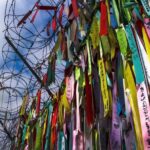
Your first stop is Imjingak Pyeonghoa-Nuri Park, a place that sets the emotional and historical tone right away. You’ll see monuments related to the Korean War and the division, including the famous broken rust train damaged during the conflict. It’s a striking way to begin because it puts you in the story before you head into the more controlled DMZ viewing areas.
At this stage, you’ll likely spend around 2 hours. That’s long enough to walk, read what’s there, and absorb what the site is trying to communicate. The best way to get value from this kind of opening is to ask your guide what each memorial is pointing to—because the visuals mean different things depending on the era and context.
Is there any drawback? Not really, unless you hate walking in humid or changeable Seoul weather. Come with comfortable shoes and expect a “heavier mood” start to the day. This is not a quick photo stop; it’s an orientation.
Third Tunnel: the engineering site that makes politics feel real
Next up is the Third Tunnel, located in the DMZ area. This tunnel was made by North Korean soldiers in the 1970s, and the visit gives you a physical sense of how intensely both sides prepared for the possibility of crossing or infiltration.
You’ll spend about 1 hour 30 minutes here. That’s enough time to see the tunnel space, process what it represents, and ask questions you might not think of until you’re actually standing there. The tunnel’s value for most people is that it turns an abstract topic into something concrete: infrastructure, planning, and strategy.
A quick realism check: underground sites can feel colder or more enclosed than you expect. Wear layers you can adjust, and keep your pace steady. If you’re prone to claustrophobic feelings, consider mentioning that to your guide beforehand so they can help you manage your time.
Dorasan Station: a platform built for peace that never fully got used
![[DMZ Private Full day Tour] & The War Memorial include Lunch - Dorasan Station: a platform built for peace that never fully got used](https://8.koreaadventures.com/wp-content/uploads/dmz-private-full-day-tour-the-war-memorial-include-lunch-4.jpg)
Then you move to Dorasan Station, a train station located in the DMZ area. It’s symbolic—built as a peace-minded reference point for where trains could connect someday. You’ll only spend about 30 minutes, but it’s the kind of stop where short can still feel meaningful.
What I like about Dorasan Station is its contrast. After tunnel history and war-era seriousness, Dorasan adds a different angle: the future version of the story. It makes it easier to understand why people talk about reconciliation and connection, even while the present remains tense.
If you’re the type who wants every minute maximized, ask your guide to explain the symbolism in simple terms. The station can feel like just another building unless the guide connects it to the broader political timeline.
Dora Observatory: views of North Korea territory, with real-world caveats
![[DMZ Private Full day Tour] & The War Memorial include Lunch - Dora Observatory: views of North Korea territory, with real-world caveats](https://8.koreaadventures.com/wp-content/uploads/dmz-private-full-day-tour-the-war-memorial-include-lunch-5.jpg)
Your next big viewing stop is Dora Observatory. This is where you look across toward real North Korea territory through the observatory setup. You’ll spend about 1 hour, which is a good length: enough to settle in, listen, and adjust where you stand as others move around.
Here’s the key consideration: the observatory experience can change. In one group, the top viewing area was closed due to current tension. Translation for you: don’t plan your day like everything is guaranteed to be open exactly the same way each time.
Still, the observatory stop is a core part of the DMZ narrative. Even when things are closed, you’re getting structured context—your guide can explain what you’re seeing and what you’re not able to see. That guided framing is what turns the view into understanding.
Tip: dress for standing and waiting. Even if the tour keeps moving, you’ll likely be stationary for parts of this segment. Sunglasses can help, and layers can save you if temperatures swing.
A few more Seoul tours and experiences worth a look

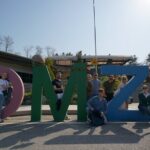
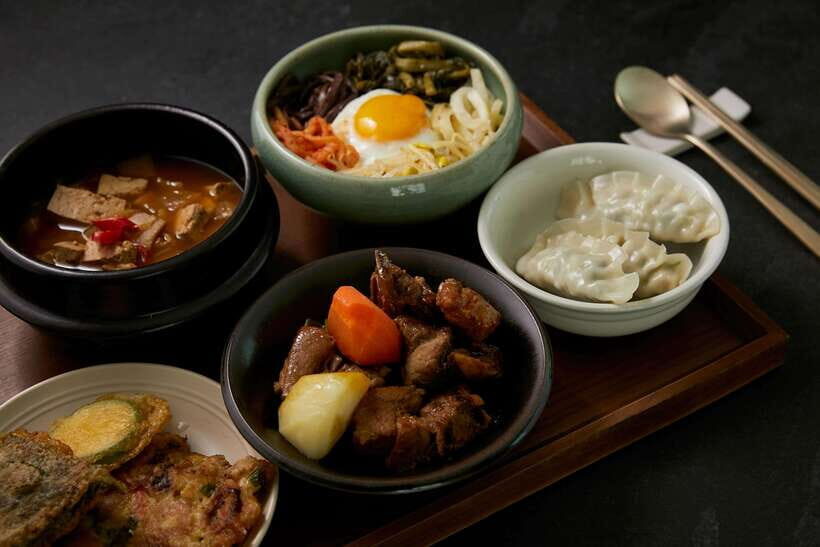
Lunch first: a traditional Korean meal that helps you process the day
![[DMZ Private Full day Tour] & The War Memorial include Lunch - Lunch first: a traditional Korean meal that helps you process the day](https://8.koreaadventures.com/wp-content/uploads/dmz-private-full-day-tour-the-war-memorial-include-lunch-6.jpg)
After your first DMZ sequence, you’ll have lunch at a traditional Korean restaurant. Lunch is included, and it’s not a throwaway break—it’s timed to help you regroup before The War Memorial of Korea.
This is a smart structure. The DMZ stops can feel heavy and intense. Eating with your guide nearby means you can ask questions without rushing, and you can also recalibrate your energy. Just keep expectations practical: personal snacks and drinks are not included, so if you’re the type who likes a little extra water, you may want to plan ahead within any checkpoint rules.
What you’ll get from lunch here is simple: a chance to slow down, talk, and reset before museum time gives you deeper context.
War Memorial of Korea: museum time that ties modern and older conflict threads
![[DMZ Private Full day Tour] & The War Memorial include Lunch - War Memorial of Korea: museum time that ties modern and older conflict threads](https://8.koreaadventures.com/wp-content/uploads/dmz-private-full-day-tour-the-war-memorial-include-lunch-7.jpg)
Then comes the big museum block: The War Memorial of Korea, with about 3 hours on site. This isn’t just a Korean War stop. You’ll see material spanning the Korean War as well as earlier eras, which helps the story feel less like one isolated conflict and more like a continuing national narrative.
I like this timing because the morning gives you the physical DMZ reality, and the museum gives you the why. It’s the same reason people do better on a guided day when you alternate “place” and “context.” The exhibits have enough time behind them now that you can actually connect what you saw earlier to the explanations you hear.
How do you maximize 3 hours without feeling overwhelmed? Go in with a short list of what you want to understand, even if it’s only two items. For example: what led to division, and how the Korean War shaped later decades. Your guide can steer you toward the most relevant sections, and that keeps the museum from becoming a blur.
A drawback? Museums mean walking and reading. If you’re not into that style, you’ll still get value from having a guide point out the key themes, but you may need frequent breaks.
Suspension bridges as a reset: Gamaksan or Majang Lake
![[DMZ Private Full day Tour] & The War Memorial include Lunch - Suspension bridges as a reset: Gamaksan or Majang Lake](https://8.koreaadventures.com/wp-content/uploads/dmz-private-full-day-tour-the-war-memorial-include-lunch-8.jpg)
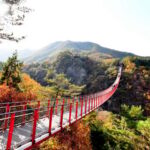
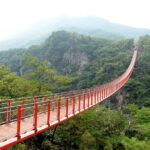
Your included options also mention an extra stop connected to a suspension bridge, either Or Gamaksan Suspension Bridge or Or Majang Lake Suspension Bridge. This isn’t listed as a fixed stop in the main sequence, so treat it as an add-on depending on how the route is run that day.
When it is included, it can be a nice contrast to the DMZ. A bridge is outdoors, open air, and mostly light-footed compared to underground tunnels and museums. If your day already feels heavy, this kind of scenic pause can help you feel human again before you head back to Seoul.
Just keep expectations grounded. If it’s added, it’s typically a brief chance to stretch your legs and look at scenery, not a long hike.
Price check: when $194 feels like real value
At $194 per person, this tour isn’t cheap. But look at what you’re getting and the cost starts to make more sense.
You’re paying for:
- Private transportation with hotel pickup and drop-off
- a fluent English-speaking driving guide
- admission tickets included for the stops listed
- lunch included
- a full day plan (so you don’t spend time hunting transport, ticket windows, and security requirements)
- DMZ access structure that’s hard to replicate casually
For many people, the real cost of a DMZ day isn’t just money—it’s stress and wasted time. When tickets are first-come for certain parts, when security requires specific processes, and when some areas can close due to tension, having a guide and transport plan saves you the headache.
Also, this is a private tour. That means you’re not competing with a random crowd for time in key viewing zones. If you’re traveling with family or friends, private pricing can feel more reasonable per person than you’d expect—especially if you split costs on a single booking.
Group discounts may apply depending on how your group is set up, which can help if you’re traveling with others.
Practical tips for checkpoint day: make it smoother
A DMZ day runs on discipline. Small choices help a lot.
Bring your passport. It’s required, and you don’t want to be scrambling.
Arrive early if your guide suggests it. One helpful tip from a past guide experience: DMZ bus movement and security can take time, and DMZ-related ticketing can be first come, first served, so you might benefit from starting earlier than the default plan.
Expect a security bus and checkpoints. You’ll ride a bus to reach the security process, so give yourself mental patience for waiting and steps.
Plan for changing access. The top of the Dora Observatory can close when tension is high, so you may see less than you hoped. You still get the guided DMZ overview, but stay flexible.
Wear comfortable shoes and layers. You’ll be outdoors at multiple stops and then inside museum spaces. Weather can shift, and some places have confined areas like tunnels.
Finally, remember that lunch and museum time are included, but personal snacks and drinks aren’t. Bring water if that’s allowed for your group, or plan to buy basic items if the tour schedule gives you time. Don’t assume everything is provided beyond what’s listed.
Who should book this DMZ + War Memorial private day
This tour is a great fit if you:
- want a guided explanation of the Korean War and how it connects to what you see at the DMZ
- prefer private pacing and conversation over crowd herding
- like history but also want someone to translate the meaning behind the monuments and viewing zones
- want included lunch, tickets, and hotel pickup to simplify your day
It also works well for military buffs and amateur historians because the stops are arranged in a story line: memorial start, tunnel and DMZ infrastructure, symbolic station, observatory view, then the museum deepening the narrative.
If you dislike structured schedules, long days, or reading/interpretation in museums, you might find the day intense. But even then, the guide helps keep the experience focused.
Should you book it? My decision guide
Book this tour if you want a DMZ day that feels organized, explained, and not exhausting to navigate. The private format, the included admissions and lunch, and the ability to ask questions make the experience more than a checklist.
Skip or reconsider if:
- you strongly prefer flexible wandering with no structure
- you can’t handle possible partial closures at Dora Observatory when tension rises
- you’re hoping for a short, casual outing
If you’re on the fence, here’s the simple way to decide: if you want the DMZ to make sense, and you’re okay with a long day, this is the kind of tour that delivers value because someone else handles the hardest parts, and your guide turns the sights into a coherent story.
FAQ
How long is the DMZ Private Full day Tour?
The tour runs about 8 to 9 hours.
Is hotel pickup and drop-off included?
Yes. Pick up and drop off at the Hotel are included.
What’s included besides the DMZ sites?
Lunch is included, along with a fluent English-speaking driving guide, private transportation, and admission tickets for the listed stops. The War Memorial of Korea is also included.
Do I need a passport?
Yes. You must bring a passport.
Is this tour private?
Yes. It’s a private tour/activity, meaning only your group participates.
What DMZ stops are part of the itinerary?
The tour includes Imjingak Pyeonghoa-Nuri Park, The Third Tunnel, Dorasan Station, and Dora Observatory, plus The War Memorial of Korea.