REVIEW · SEOUL
Seoul: Premium Korean Feast Cooking Class
Book on GetYourGuide →Operated by Zanchi cooking studio · Bookable on GetYourGuide
Korean cooking tastes better when you learn it together. This 2.5-hour class at Zanchi Cooking Studio focuses on royal-feast inspired dishes, served in an elegant Korean setting with a tea start and traditional drink pairing. It’s also small-group friendly (up to 8), so you can keep up without playing catch-up.
I love the hands-on cooking part with clear English guidance. I also love the way the experience is paced: tea time and etiquette context first, then you step into the kitchen, then you sit down and eat what you made. You’ll get a recipe book to take home, which makes this class more useful than a one-off meal.
One consideration: there’s no hotel pickup, so you’ll want to plan your arrival. Also, you’re cooking for a group setting, so if you want ultra-private instruction, this may feel a bit social.
In This Review
- Key Reasons This Cooking Class Works
- A Small-Group Korean Feast Lesson at Zanchi Cooking Studio
- How the 2.5 Hours Unfold: Tea Room, Kitchen Work, Dining Table
- Welcome tea and a Korean sweets start
- Dining room learning: etiquette and stories
- Step into the kitchen and cook together
- Sit down and dine with paired Korean drinks
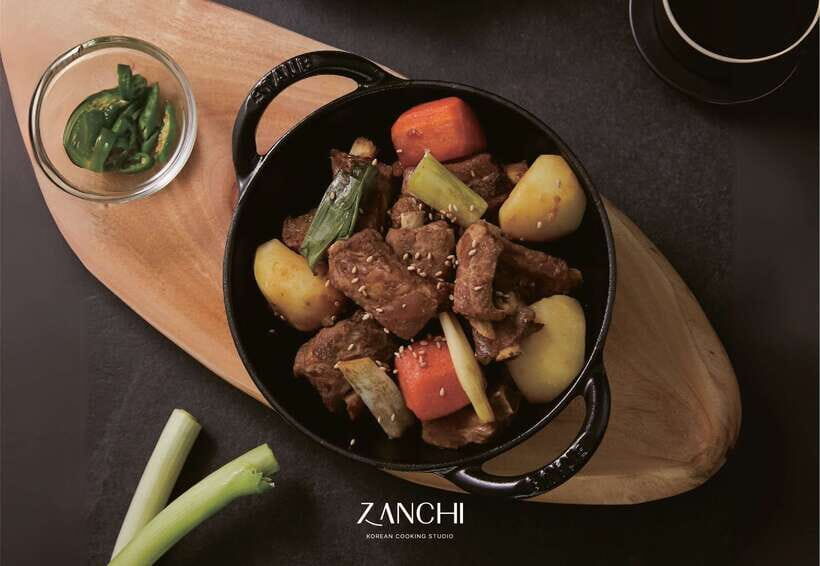
- What You’re Actually Cooking: Royal-Feast Inspired Dishes and Side Plates
- Tea Time and Traditional Drinks: The Flavor Training Wheels
- Space, Design, and Why the Setting Helps You Learn
- What’s Included (And Why That Matters for Value)
- Photo and Video Service + Recipe Book: The Take-Home That Actually Helps
- English Instruction and Keeping Up at Your Pace
- Who This Cooking Class Is Best For
- Price and Logistics: What to Plan Before You Go
- Should You Book This Korean Feast Cooking Class?
- FAQ
- How long is the cooking class?
- What is the group size?
- Is the class taught in English?
- What’s included in the price?
- Are hotel pickup and drop-off included?
- Do I need to bring cooking equipment?
- Are seasonal ingredients used?
- Is there a meal and drink as part of the experience?
- When should I arrive?
- Is the studio wheelchair accessible?
Key Reasons This Cooking Class Works
- Small group (max 8) means you’re not waiting around for answers.
- Tea and Korean sweets set the mood before you touch the cookware.
- Royal-feast style dishes turn everyday cooking into a more special cultural lesson.
- English instruction keeps technique explanations easy to follow.
- Paired Korean traditional drink makes your meal feel complete, not just filling.
- Photo and video service + recipe book help you remember what you made and how.
A Small-Group Korean Feast Lesson at Zanchi Cooking Studio
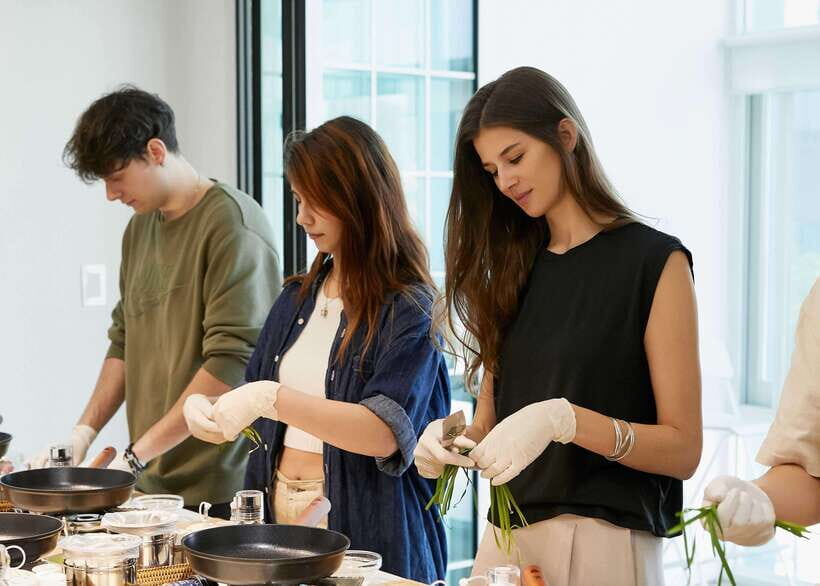
If you want Seoul food that’s more than eating and taking photos, this class is a strong bet. Zanchi Cooking Studio runs a premium Korean feast cooking class in Gyeonggi Province, with an English instructor and group size capped at 8 participants. That limit matters. Fewer people means more attention and fewer moments where you’re staring at a cutting board wondering if you’re doing it wrong.
I like that the studio is described as newly opened (as of November), so the setup feels designed rather than improvised. Even better, the teaching space and dining space are part of the experience, not just a room you pass through.
And yes, the atmosphere is a big deal here. People rate the class highly for its friendly vibe and warm guidance, with Yena specifically noted as approachable and helpful. That matters for cooking classes. When someone makes techniques feel doable, you end up enjoying the learning, not just surviving it.
You can also read our reviews of more cooking classes in Seoul
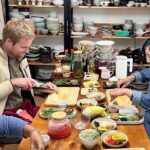

How the 2.5 Hours Unfold: Tea Room, Kitchen Work, Dining Table
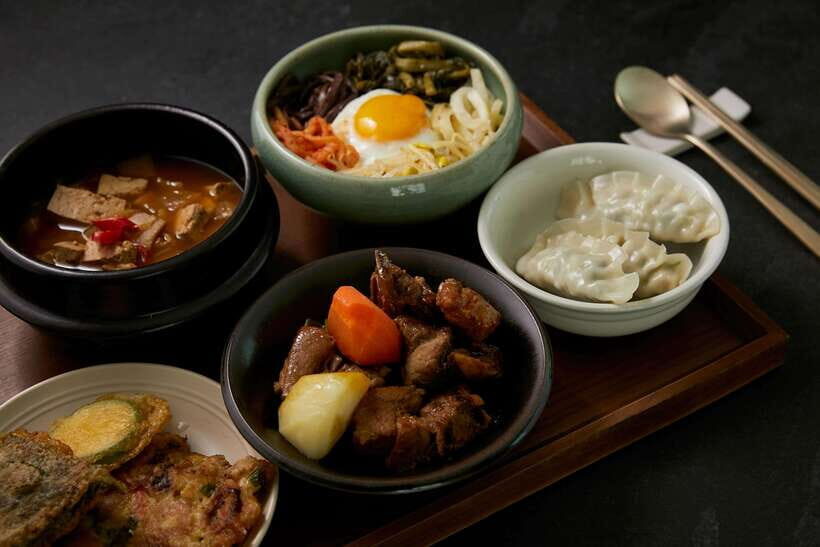
This experience runs for about 2.5 hours, and it starts when the group starts—so arrive about 5 minutes early. The flow is simple and well-paced: tea and snack first, then cooking together, then dining with traditional drink pairing.
Welcome tea and a Korean sweets start
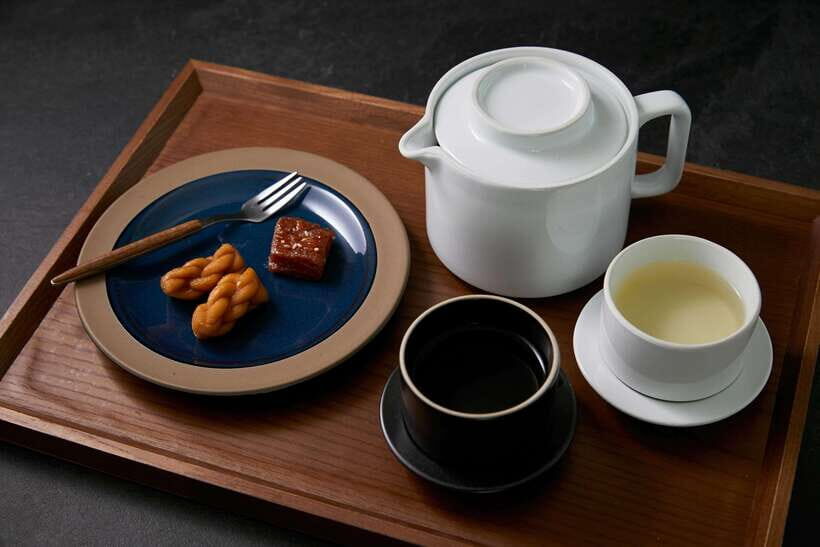
You begin in a beautifully designed Korean-culture setting with welcome tea and snacks, including traditional Korean sweets. It’s a good warm-up because you get a calm start before the kitchen gets active. Think of it as setting your palate and your brain.
This early moment also helps you connect with what you’re about to cook. Instead of jumping straight to ingredients, you’re given a context switch: this isn’t just food prep, it’s feast culture—how meals are structured, how flavors are balanced, and how the dining experience fits the occasion.
Dining room learning: etiquette and stories
Before you cook, you spend time in the dining area learning about Korean dining etiquette and the meaning behind the culinary traditions. The class includes stories tied to Korea’s rich culinary background and royal-feast inspired technique. From the reviews, I’d especially watch for how your instructor explains etiquette and meal culture—one reviewer highlighted that this portion was informative and enjoyable, not boring trivia.
If you’re the kind of person who always asks why something is served a certain way, this part will click. Even if you’re not, the etiquette lesson can make the meal feel more intentional once you sit down to eat.
Step into the kitchen and cook together
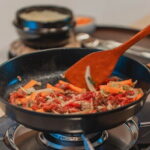
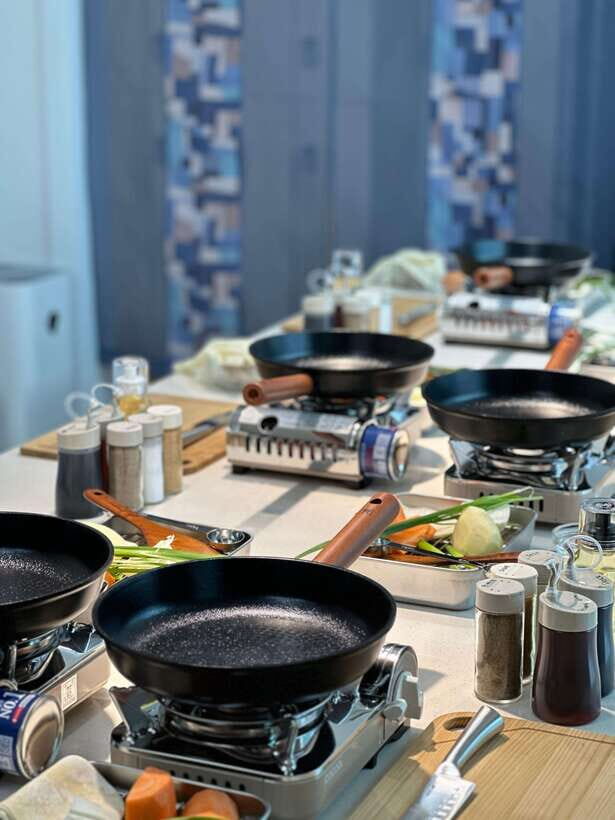
Next comes the hands-on part: you join the chef in crafting feast-style dishes inspired by royal cuisine. All ingredients and cooking equipment are provided, so you’re not spending mental energy figuring out what’s missing.
Because the group is small, the pace is more human. If you need a slower explanation, you’re likely to get it. If you’re faster, you won’t feel like you’re holding everyone back. That’s the sweet spot for cooking classes: you learn techniques and build confidence without turning it into a race.
A few more Seoul tours and experiences worth a look

Sit down and dine with paired Korean drinks
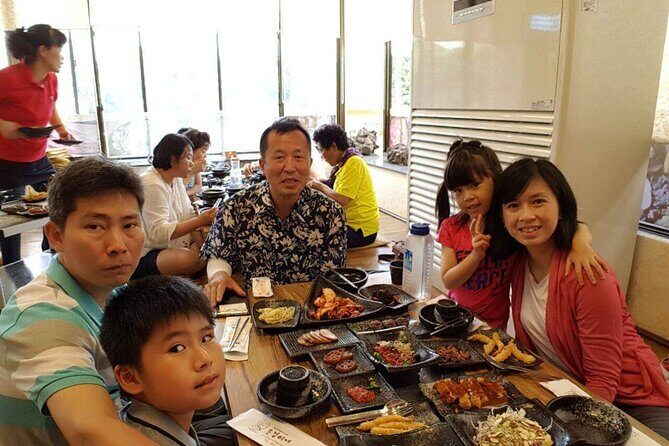
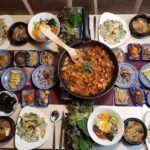
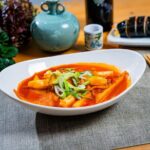
Finally, you eat what you made. In the dining area, your meal includes the dishes you prepared, plus traditional side dishes. You’ll also get a Korean traditional drink pairing to go with your food.
This is one of the most practical parts of the class. Pairing teaches you flavor balance in a way tasting alone can’t. You start noticing how the drink changes how you perceive saltiness, sweetness, and richness. And since you’re eating together, it’s also a natural moment for cultural conversation—exactly the kind that turns a class into a memory.
What You’re Actually Cooking: Royal-Feast Inspired Dishes and Side Plates
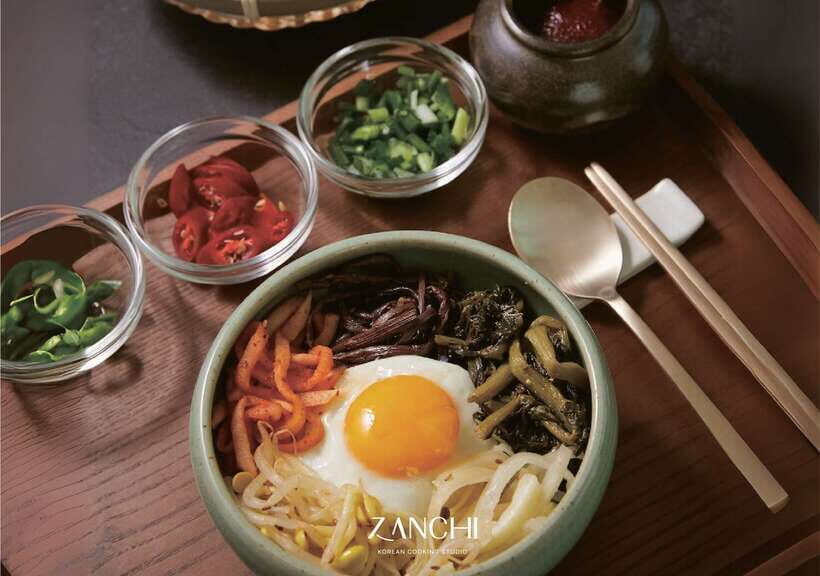
The class focuses on traditional feast dishes inspired by royal cuisine. That doesn’t mean you’ll only cook complicated, luxury-only food. It means the techniques and meal style lean formal—built for special occasions and layered flavor.
Here’s what you can count on based on what’s included:
- You’ll cook multiple dishes as a group.
- You’ll also get traditional side dishes with the meal.
- You’ll work with seasonal ingredients.
That last point is quietly important. Seasonal ingredients tend to taste more alive, and they often make the cooking process make sense. When you’re learning, you want ingredients that behave well and taste good right away, so your results match the story you’re being told.
Also, the experience is described as using premium-quality ingredients and minimizing plastic. While you don’t control the kitchen’s packaging decisions, it usually correlates with a general care in how things are set up: less disposable clutter, more thought in the flow.
Tea Time and Traditional Drinks: The Flavor Training Wheels
A lot of cooking classes stop once the food hits the table. This one adds two key flavor elements: tea and traditional Korean sweets at the start, then a traditional drink pairing during the meal.
The tea time matters because it’s a gentle reset. You’re not starting with coffee or rushing into cooking on an empty stomach. Tea can also make the sweetness and textures of the snack feel more balanced, which helps if the class then teaches you how to think about pairing flavors.
Then, the drink pairing at dinner helps you connect technique to taste. You’re not just eating your own cooking. You’re learning how Korean traditional drink interacts with the feast flavors you made—an education you’ll actually remember because you can taste it.
Space, Design, and Why the Setting Helps You Learn
The studio’s design is part of the reason the reviews are so positive. One person called the space absolutely stunning and praised its authentic Korean design. I take that as more than aesthetics. When a space feels thoughtful and comfortable, it’s easier to focus.
Also, the experience includes a studio space that supports both learning and dining—meaning you can transition from tea room to kitchen to meal without feeling like you’re moving through a random workspace. That reduces friction, and friction is the enemy of good learning.
There’s also a people factor. If Yena helps you feel relaxed before you start cooking, you’ll cook better. You’ll ask more questions. And you’ll actually enjoy the class instead of worrying that you’re slow with the knife or confused by the steps.
What’s Included (And Why That Matters for Value)
The price is $128 per person, and it’s for 2.5 hours. Value isn’t only about the headline cost. It’s about what you’re not paying for and what you walk away with.
Included items:
- Cooking class with a professional chef
- All ingredients and cooking equipment
- Experience with seasonal ingredients
- Welcome tea and snacks
- Meal including traditional side dishes
- A Korean traditional drink
- Water
- Photo and video service
- Recipe book included
Not included:
- Hotel pickup and drop-off
When you add it up, you’re paying for more than cooking instruction. You’re paying for the whole experience: ingredients, guidance, meal, drinks, and keepsakes. Many cooking classes still leave you with a half-day bill where you have to find your own drinks, supplies, and photos. Here, those pieces are built in.
The small group size also supports value. If 8 people max means the chef can correct more details, that’s educational value—not just a nicer setting.
Photo and Video Service + Recipe Book: The Take-Home That Actually Helps
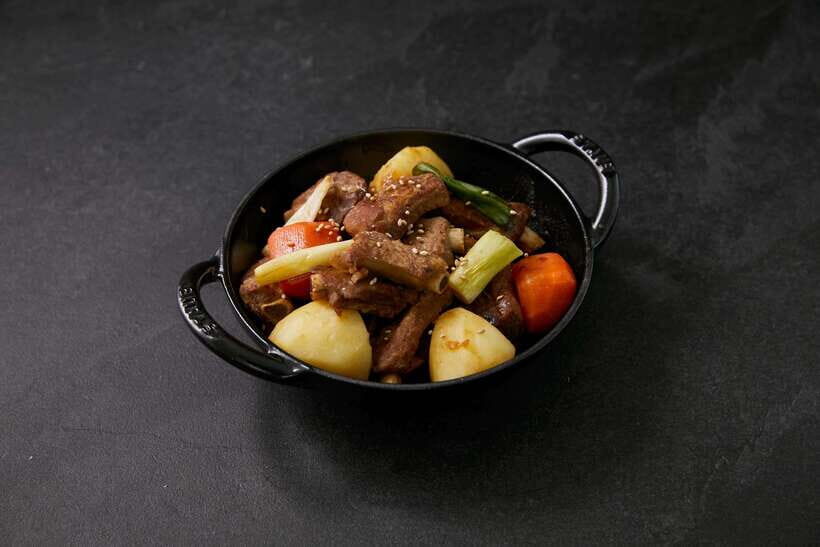
Two included details make this class more practical than a typical evening out: photo and video service and a recipe book included.
The photo/video part helps if you want to document the dishes for friends or future cravings. But the bigger value is the recipe book. When you cook at home, you need more than memory. A structured guide makes it easier to repeat the dish you liked without reinventing the steps.
One review explicitly praised receiving the recipe book to take home. That tells me it’s not an afterthought leaflet. It’s part of the reason the class feels complete.
English Instruction and Keeping Up at Your Pace
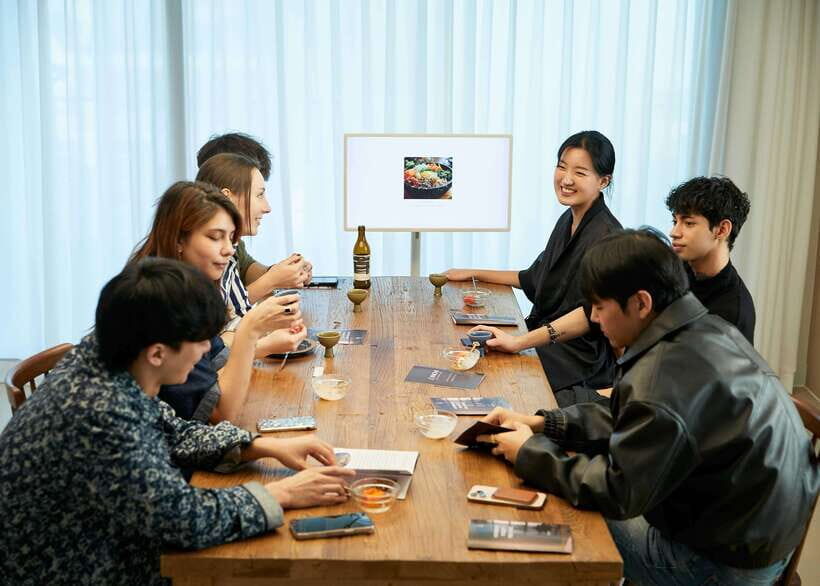
The class is taught in English, and the small group size is built for pacing. That combination is a big deal in Korea, where cooking classes sometimes assume you already know the terminology. Here, you can focus on technique instead of translating basic instructions in your head.
Also, the studio provides all equipment, so you’re not juggling your own gear. That’s one less stressor, and you’ll appreciate it if you’re traveling with limited carry-on space.
Who This Cooking Class Is Best For
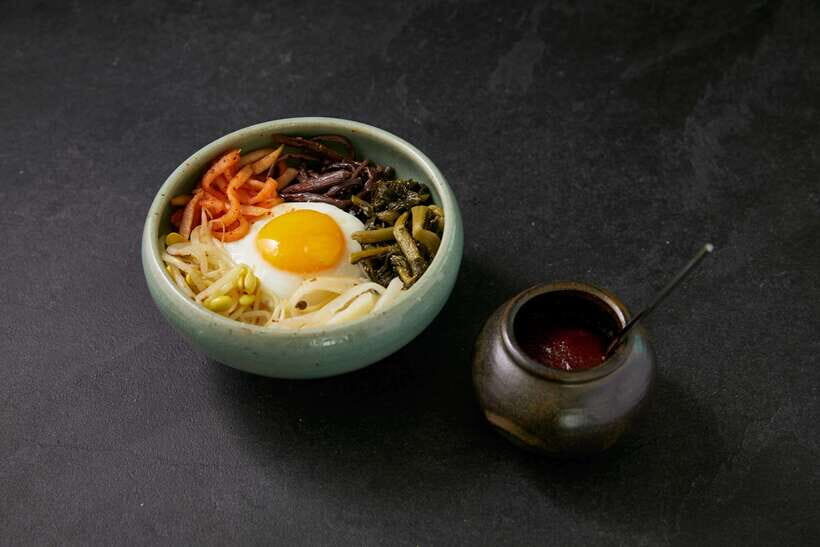
This is a great fit if:
- You want hands-on cooking, not just a food tasting.
- You like cultural context—etiquette and stories—mixed into the lesson.
- You’re traveling with friends or solo and want a small group experience that still feels social.
- You care about getting a recipe you can use later.
It may be less ideal if:
- You hate group activities and prefer private lessons only.
- You’re relying on hotel pickup and don’t want to plan your own arrival.
- You want a longer class where you cook more dishes from scratch without rotating roles.
Price and Logistics: What to Plan Before You Go
Let’s keep it real: $128 is not a bargain bucket. But for a 2.5-hour, small-group class with chef instruction, ingredients, meal, traditional drink, and a recipe book, it’s priced like a premium cultural experience.
Your main planning items are simple:
- Go at the right time (there are multiple starting times, so check availability).
- Arrive about 5 minutes early.
- Plan your own way to the studio since there’s no pickup.
If you’re building a Seoul plan, think of this class as a high-quality dinner replacement. You’re not only eating; you’re learning and leaving with materials.
Should You Book This Korean Feast Cooking Class?
I’d book it if you want a class that feels intentional: tea start, etiquette learning, hands-on cooking, then a meal with paired traditional drinks. The strongest reasons to choose it are the small group size, the approachable teaching (with Yena specifically mentioned), and the fact that you get a recipe book plus photos/videos to remember it.
Skip it if you want a cheaper, no-frills cooking demo, or if you’re unwilling to handle your own arrival. Otherwise, this is the kind of experience that turns Korean food from something you order into something you can actually cook and explain.
FAQ
How long is the cooking class?
The experience runs about 2.5 hours.
What is the group size?
It’s a small group with a maximum of 8 participants.
Is the class taught in English?
Yes, the instructor teaches in English.
What’s included in the price?
You get the cooking class with a professional chef, all ingredients and equipment, welcome tea and snacks, the meal with traditional side dishes, a Korean traditional drink, water, photo and video service, and a recipe book.
Are hotel pickup and drop-off included?
No, hotel pickup and drop-off are not included.
Do I need to bring cooking equipment?
No. All cooking equipment is provided.
Are seasonal ingredients used?
Yes, the experience includes seasonal ingredients.
Is there a meal and drink as part of the experience?
Yes. You’ll dine with the dishes you make, traditional side dishes, and a Korean traditional drink pairing.
When should I arrive?
Arrive about 5 minutes early to start on time.
Is the studio wheelchair accessible?
Yes, the experience is wheelchair accessible.