REVIEW · SEOUL
Master Korean traditional cooking with a Kimchi chef
Book on Viator →Operated by OME COOKING LAB · Bookable on Viator
A cooking class that starts in a market feels real. In Seoul, you walk with your instructor to Gyeongdong Market, buy the day’s ingredients, then cook in a Korean-style home and sit down to eat together. It’s a hands-on way to learn Korean flavors that you can actually recreate later, including weekday menus that rotate.
I especially like the small-group setup (kept intimate, with bookings capped at up to 10 even though the experience is described as limited to seven). I also like that the guide turns into your cooking instructor, so you learn ingredients, technique, and reasoning—not just steps.
One thing to keep in mind: what you cook changes by the day you pick. If you’re set on kimchi (or any other specific dish), choose your weekday carefully.
In This Review
- Key Points Before You Go
- Market-to-Kitchen Korean Cooking Class With a Kimchi Focus
- Finding the Meeting Point Near Dongdaemun (and Why It Matters)
- Stop 1: Gyeongdong Market Shopping Like a Local
- Cooking in a Korean-Style Home: Hands-On, Not a Demo
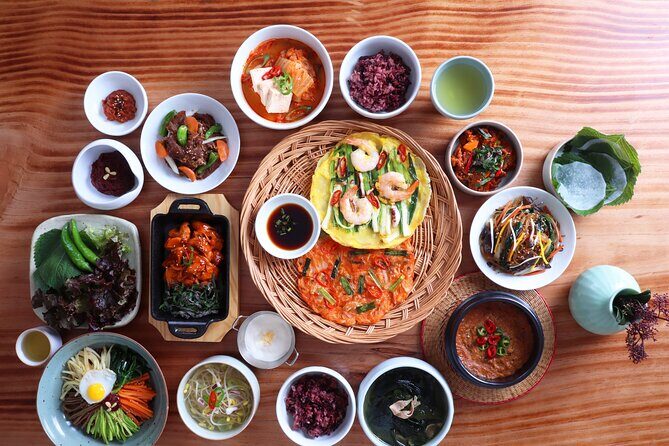
- The Weekday Menu Rotation: What You’ll Cook and Eat
- Monday: Samgyetang
- Thursday: Kimchi
- Tuesday or Saturday: Bulgogi, Japchae, Doenjang Jjigae
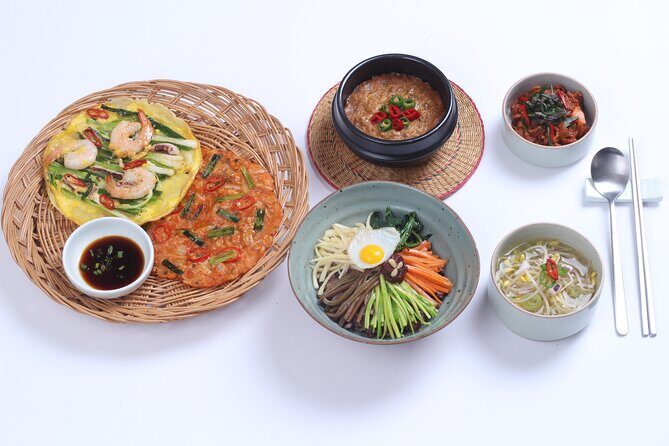
- Friday: Bibimbap
- Sunday: Korean Desserts
- Why This Class Feels Different: Context, Pace, and Clear Teaching
- Ingredient reasoning, not just steps
- A pace that keeps you from falling behind
- Patient instruction for non-cooks
- Vegan, Halal, and Dietary-Friendly Planning
- Value Check: Is $85 Fair for 3.5 Hours?
- Who Should Book This Kimchi Chef Class
- Should You Book It?
- FAQ
- What time does the class start and where do I meet?
- How long is the cooking class?
- What dishes do I cook?
- Is the class small-group?
- Is morning tea and food included?
- Can I cancel for a full refund?
Key Points Before You Go
- Gyeongdong Market ingredient shopping first: you buy what you’ll cook, so the flavors make sense right away
- Weekday menu rotation: your class day determines the dishes (samgyetang, kimchi, bulgogi + japchae + doenjang jjigae, bibimbap, or desserts)
- Hands-on cooking in a Korean-style home: you’re actively making the food, not watching from the sidelines
- Eat the meal you cook: morning tea is included, and you sit down with the group afterward
- Dietary options available: vegan and halal options are listed as available
Market-to-Kitchen Korean Cooking Class With a Kimchi Focus
If you only do restaurants in Seoul, Korean cooking can stay a little vague. This class is built to fix that. You start with a short walk through city streets, head to Gyeongdong Market, and then move into a traditional Korean-style home to cook the same ingredients you just picked.
The pricing is also easier to justify when you see the structure. For $85 per person (about 3 hours 30 minutes), you get a local guide, a guided market run, hands-on instruction, and a sit-down meal or dessert depending on your selection and day. That combination usually costs more if you try to stitch it together on your own with taxis, a market trip, and a cooking setup.
I’ve found that the best cooking classes do two things: they explain why ingredients matter, and they keep you moving at a pace that works even if you’re not a confident home cook. This one leans hard into that. Reviews highlight patient teaching and clear instruction, including at least one instructor called Chef Minseon.
You can also read our reviews of more cooking classes in Seoul

Finding the Meeting Point Near Dongdaemun (and Why It Matters)
You meet at Jegi-dong Station, Exit 2 near Dongdaemun, around 10:00am. The activity ends back at the meeting point, so it’s a closed loop without the usual guessing game of where you’ll land afterward.
One practical detail: subway pickup and drop-off aren’t included. That means you’ll want to plan your route before you go and arrive a few minutes early. If you’re coming from a hotel far from Dongdaemun, give yourself time to navigate to Line 1.
Comfort tip: this is not a sit-and-stare event. You’ll walk through local streets to reach the market, so wear shoes you’re happy to stand and walk in.
Stop 1: Gyeongdong Market Shopping Like a Local
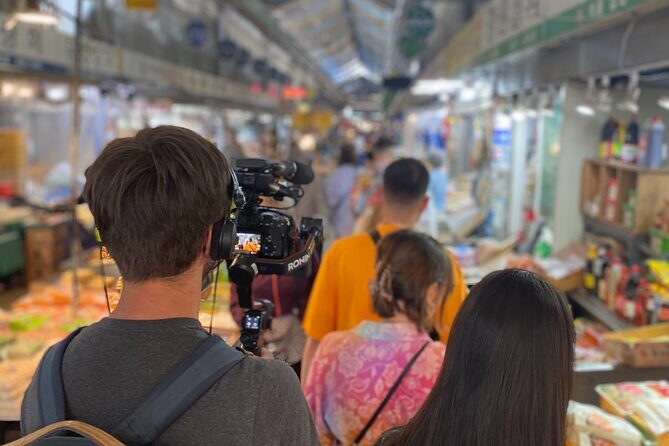
Gyeongdong Market is the pivot point of the whole experience. Instead of being handed ingredients in a prep room, you learn what’s normal to buy there and how cooks think about flavors.
The market stop is where the class earns its authenticity. You’re guided through key foods and ingredients used in Korean cooking, and you get to see the range of items firsthand—spices, herbs, vegetables, and other staples that show up in the dishes for your specific day. One review mentioned it as a huge market for groceries, spices, and even traditional medicine, which lines up with why this area can feel different from a typical tourist market.
You might also run into small sampling moments while shopping. At least one review noted traditional Korean donuts being sampled along the way. Even when sampling isn’t part of every day, the point remains: you’re building ingredient context in real time, not memorizing a list later.
Big takeaway for you: when you can name what you bought and why it’s used, cooking at home gets easier fast. You don’t just follow a recipe—you understand what to look for.
Cooking in a Korean-Style Home: Hands-On, Not a Demo
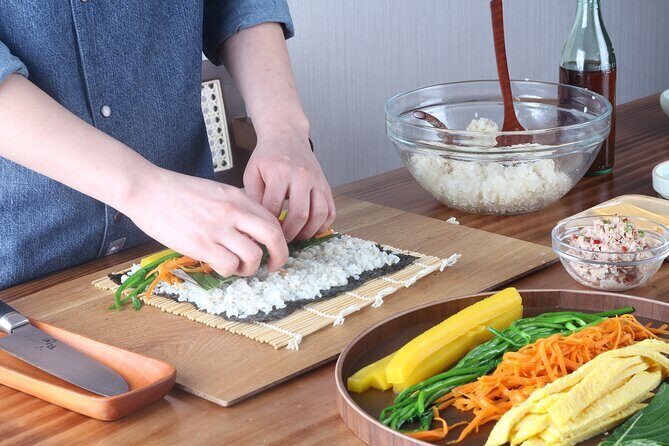
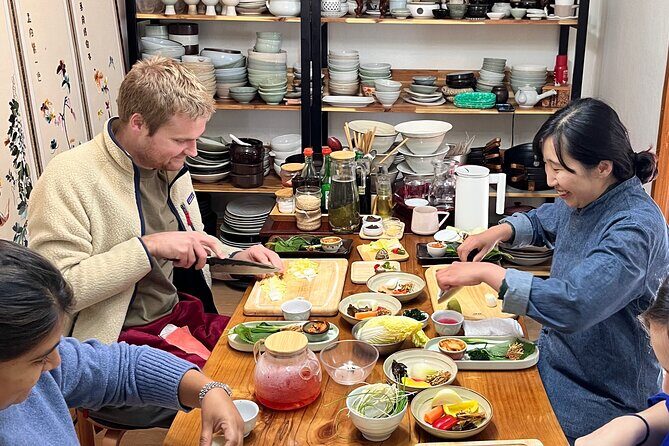
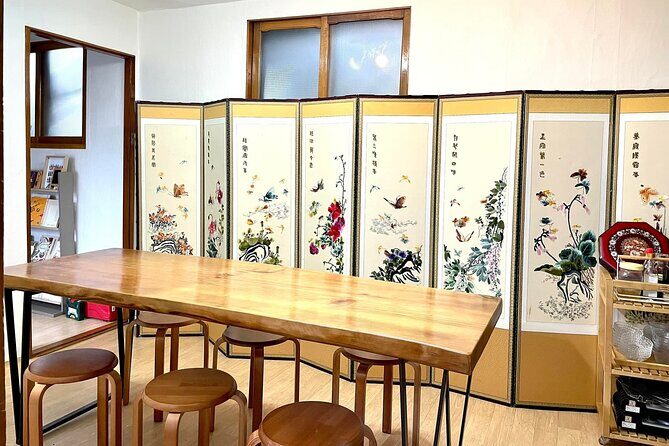
After the market, your guide leads you to a Korean-style home in a local neighborhood. This is where the class shifts from shopping to technique: setup in the kitchen, group cooking, and then a shared meal.
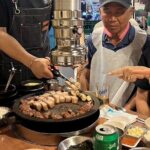
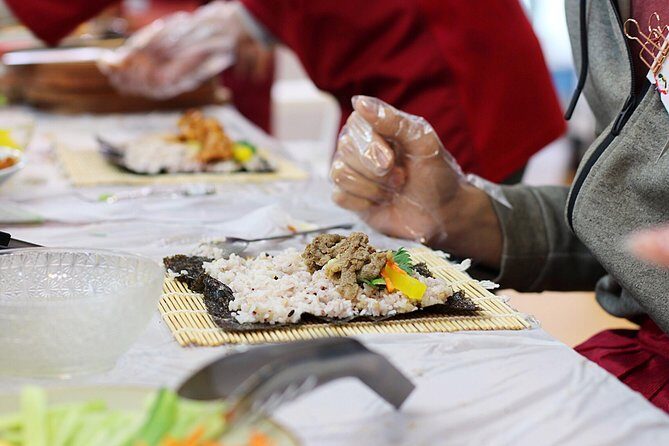
The biggest advantage of this format is control. You each get your turn at the stove and prep tasks, which is exactly what people praise most: it’s hands-on. Reviews specifically call out that everyone cooks small portions across the menu, then sits down to enjoy a complete meal.
If you’ve ever taken a cooking class that felt more like a show, this is the opposite. Even if you’re not a confident cook, the instruction style is designed to keep you engaged. Chef Minseon is mentioned in multiple reviews as patient and communicative, including support for people who might get turned around on the way to the meeting spot. That matters because it’s not just about cooking—it’s about feeling comfortable from minute one.
Another practical plus: the setup is organized enough that you don’t spend the whole time hunting for tools. One review described the studio as well organized with prepped ingredients, which helps you focus on learning the process rather than logistics.
The Weekday Menu Rotation: What You’ll Cook and Eat
Here’s the part you should plan around: the cooking menu changes by day.
Your class is built around three different menu items, and the day determines which dishes you’ll make. That makes the experience flexible—pick a weekday that matches what you’re craving.





Monday: Samgyetang
If you take the Monday class, you’ll make samgyetang, a chicken ginseng soup often associated with warm, hearty comfort. It’s a good choice if you want Korean cooking that feels nourishing and distinctly Korean in flavor profile rather than just spice-and-noodles.
Thursday: Kimchi
Thursday is your kimchi day. You’ll focus on kimchi, which is ideal if your goal is fermentation flavors, seasoning balance, and the practical reality of making it at home (not just eating it).
Tuesday or Saturday: Bulgogi, Japchae, Doenjang Jjigae
On Tuesday or Saturday, your menu includes bulgogi, japchae, and doenjang jjigae. This is a strong “greatest hits” spread:
- Bulgogi for sweet-savory marinated meat flavor
- Japchae for stir-fried glass noodles with sauces and vegetables
- Doenjang jjigae for soybean paste stew depth
If you want variety—meat, noodles, and soup—this is the day.
Friday: Bibimbap
Friday classes focus on bibimbap. It’s a smart pick if you like building flavors in layers: rice base, toppings, sauce, and the mix-at-the-table idea. It also tends to be very instructive because you learn how ingredients come together.
Sunday: Korean Desserts
Sunday involves making a variety of Korean desserts. If your Seoul trip is already heavy on savory food, desserts on Sunday can be a nice reset.
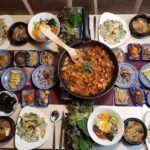
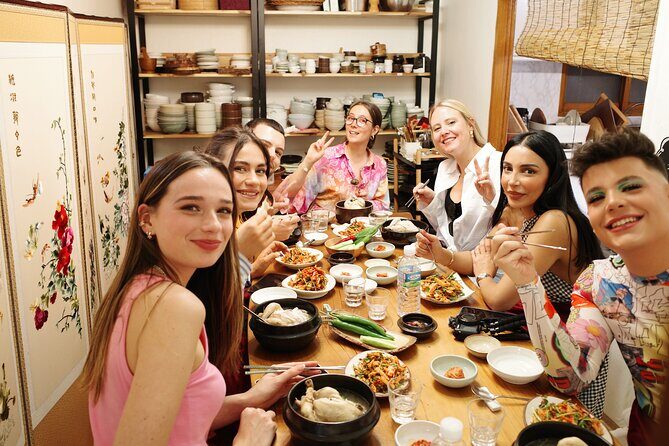
What you’ll eat at the end: after cooking, you sit down and taste what you made. Morning tea is included on all tours, and the included meal is listed as lunch or dinner depending on timing, or dessert depending on your selection.
Why This Class Feels Different: Context, Pace, and Clear Teaching
Lots of cooking classes teach technique. This one also teaches context, which is why it lands well with beginners and returning foodies.
Ingredient reasoning, not just steps
Your market walk isn’t sightseeing. It’s tied directly to your cooking day. You learn which ingredients show up in Korean cooking and what they’re doing in the dish, so your home cooking feels less like copying and more like decision-making.
A pace that keeps you from falling behind
The structure—market, then kitchen—gives you time to absorb new information. Reviews praise the pace and the way everything is organized so participants can cook and not just watch.
Some people even mention getting take-home materials like a recipe book. It isn’t listed in the main details, so don’t assume it’s guaranteed every session, but it does appear in reviews. Either way, you should leave with enough notes and confidence to recreate the dishes.
Patient instruction for non-cooks
One review explicitly frames it as a great experience even for non-cooks, with patient teaching and friendly explanations. Chef Minseon is repeatedly described as helpful, communicative, and supportive when people got stuck.
That’s a big deal for you. If you want to learn rather than survive the class, look for this vibe—clear guidance, reassurance, and a kitchen that feels welcoming.
Vegan, Halal, and Dietary-Friendly Planning
The experience lists vegan and halal options as available. That’s useful because Korean cooking often involves animal-based ingredients in sauces or broths, so dietary accommodations can make the difference between a good class and a frustrating one.
If you have dietary needs, this is one of the classes worth considering in Seoul. Just choose your weekday for the dish you want, then confirm the dietary option with the provider during booking.
Value Check: Is $85 Fair for 3.5 Hours?
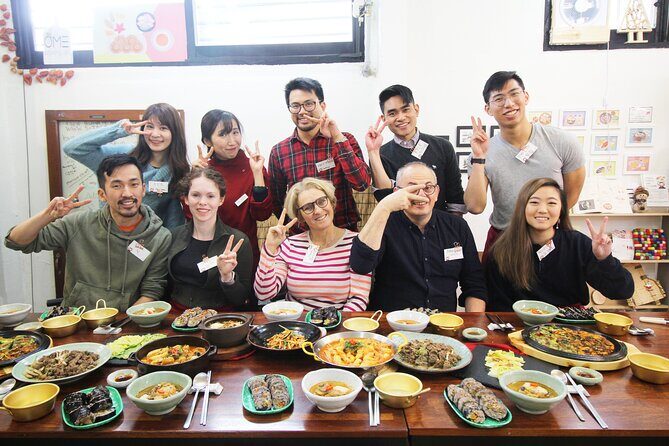
Let’s be practical. $85 for 3 hours 30 minutes sounds like a splurge until you break down what you’re actually getting.
You’re paying for:
- A small-group instructor-led market trip
- A Korean-style home cooking setup
- Hands-on instruction and guided cooking
- The meal you cook (or dessert, depending on day/selection)
- Included morning tea
- A local guide throughout the experience
If you attempted the same thing solo, you’d spend time (and money) on market shopping, then still need a kitchen setup, cooking guidance, and ingredients tailored to a specific meal. Here, the class bundles all the moving parts into one morning.
Also, the small-group size matters. With a cap listed as limited to seven in the overview (and up to 10 per booking in the details), you’re more likely to get attention when you need it, which makes learning faster.
Who Should Book This Kimchi Chef Class
This is a great fit if you:
- Want Korean cooking you can recreate with the right ingredients
- Like guided local food shopping, not just “cook and go”
- Prefer small groups where questions don’t get lost
- Enjoy day-specific menus and want a structured Korean meal experience
It’s also a good option if you’re new to Korean food and want your first Korean cooking class to cover foundational flavors: stew depth (doenjang jjigae), stir-fry balance (bulgogi), noodle comfort (japchae), and assembled rice meals (bibimbap).
If you only like one dish and don’t want surprises at all, pick your day carefully—because that weekday menu rotation is the whole game.
Should You Book It?
I think you should book this class if you want a Seoul food experience that’s more than eating. The market-to-kitchen format gives you quick context, the teaching style is described as patient and organized, and you leave with a meal that you made yourself.
If your main goal is a specific dish, choose the right weekday (kimchi on Thursday is the cleanest match). And if you don’t enjoy walking to local markets, plan for a short, purposeful walk as part of the experience.
Overall, it’s strong value for the time: small group, guided shopping, hands-on cooking, and a sit-down meal in a Korean-style home. If that sounds like your kind of morning, you’ll likely have a very satisfying one.
FAQ
What time does the class start and where do I meet?
You meet at Jegi-dong Station Exit 2 near Dongdaemun around 10:00am. The experience ends back at the meeting point.
How long is the cooking class?
The duration is about 3 hours 30 minutes.
What dishes do I cook?
The menu depends on the day you choose:
- Monday: samgyetang
- Thursday: kimchi
- Tuesday or Saturday: bulgogi, japchae, and doenjang jjigae
- Friday: bibimbap
- Sunday: Korean desserts
Is the class small-group?
Yes. The overview describes a small-group experience limited to seven people, and the booking details list a maximum of 10 people per booking.
Is morning tea and food included?
Morning tea is included. Your included food is listed as lunch (dinner) or dessert depending on the selection and time.
Can I cancel for a full refund?
Yes. Free cancellation is available. You must cancel at least 24 hours before the experience’s start time for a full refund.