REVIEW · SEOUL
Seoul : Taste of Korea, Authentic Home-Style Cooking Class
Book on Viator →Operated by Hansik Korean Cooking Class · Bookable on Viator
Four Korean classics, cooked from scratch. In a small Hansik cooking class in Seoul, you learn home-style dishes like gimbap and tteokbokki, then eat what you make with tea, snacks, sikhye, and dessert.
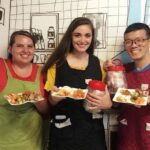
I especially like the step-by-step teaching that keeps you cooking, not just watching, and the friendly, patient guidance from Jennifer and her team (including Ms Lee). You also get recipes digitally afterward, which makes it easier to recreate the flavors later.
One thing to plan for: this is a 3-hour, food-heavy session, and makgeolli (Korean rice wine) is only served to travelers age 21 and up, with non-alcoholic options for everyone else.
In This Review
- Key things I’d bet you’ll care about
- Hansik at a Seoul kitchen: what this class really gives you
- Why that matters
- Meet Jennifer and the kitchen that’s actually built for cooking
- The group size helps more than you think
- If you’re traveling with kids
- How the 3 hours typically unfold (so you’re not surprised)
- Practical tip that saves time
- The dishes: what you’ll learn (and what to pay attention to)
- Gimbap: the build-your-roll lesson
- Tteokbokki: learning the chili-sauce flavor system
- Haemulpajeon: crisp edges, seafood comfort
- Budaejjigae: learning the simmering mindset
- Recipes and technique tips you can actually use later
- Dietary preferences: the class adapts
- Drinks and dessert: included, and age 21 matters
- Price and value: is $89 a fair deal?
- Who gets the best deal
- Location and practical comfort: finding it and making it easy
- A simple packing mindset
- Who should book this class (and who might hesitate)
- You might hesitate if
- Should you book Hansik Korean Cooking Class?
- FAQ
- How long is the cooking class?
- What’s the price per person?
- Where is the meeting point in Seoul?
- What dishes do you cook?
- Is the class hands-on?
- Are drinks and dessert included?
- Can minors drink makgeolli?
- Is there a limit on group size?
- Are recipes provided after the class?
- What is the cancellation policy?
Key things I’d bet you’ll care about
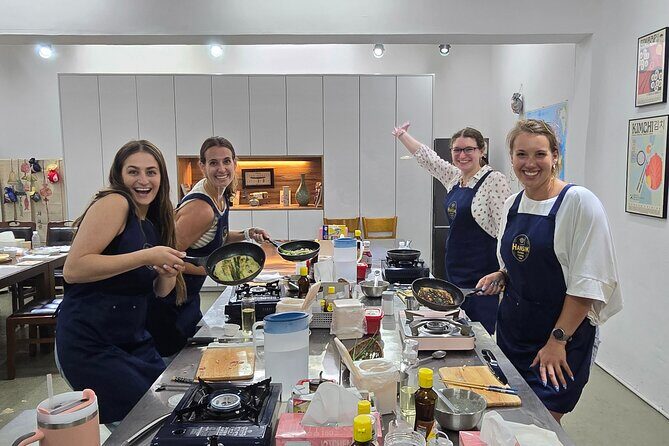
- Small group, up to 10 people, so you get real attention at the station
- Cook 4 dishes from scratch: gimbap, tteokbokki, haemulpajeon, budaejjigae
- Jennifer and Ms Lee keep it calm and doable, even if you’ve never used Korean ingredients before
- Digital recipes afterward, so your effort doesn’t vanish when you get home
- Food + drinks + dessert included, including sikhye and (age 21+) makgeolli
- Leftovers to take with you, which is great if you want a second meal without cooking
Hansik at a Seoul kitchen: what this class really gives you
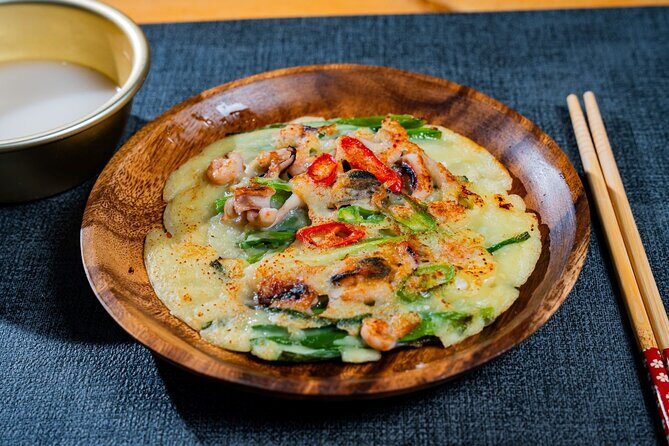
If you want more than Seoul “food photos,” this is the kind of class that helps food make sense. Hansik is Korean cuisine in a home setting, not just restaurant plating. And here the focus is on classic, everyday dishes you can understand by cooking them yourself—how the rice rolls get shaped, how the chili sauce clings, and how pancake batter turns into something crisp and comforting.
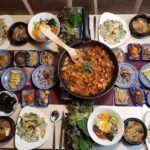
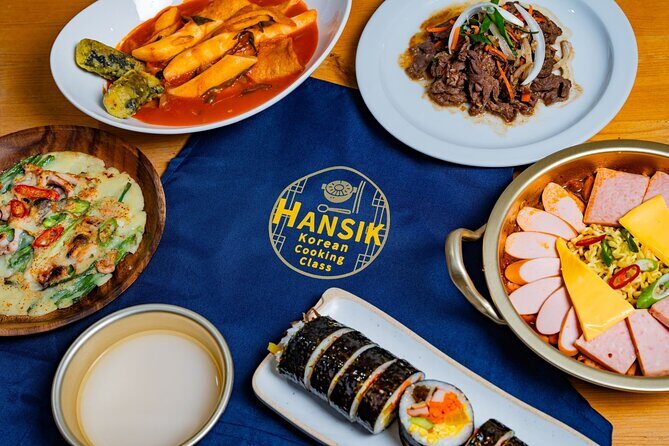
You’ll be doing a full set of dishes (not tiny appetizers). The class centers on four hands-on dishes: gimbap, tteokbokki, haemulpajeon, and budaejjigae. On top of the cooking, you sit down to a full-course home meal with Korean tea, snacks, sikhye (a sweet rice punch), makgeolli (rice wine), and desserts.
You can also read our reviews of more cooking classes in Seoul

Why that matters
Cooking changes how you taste. When you measure, stir, fold, and adjust, you start to recognize ingredients by behavior—thickening, simmering, crisping. That’s the difference between eating Korean food once and understanding it enough to make it again later.
Meet Jennifer and the kitchen that’s actually built for cooking
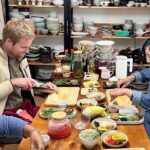
This class is led by Jennifer, with help from her team (including Ms Lee). In the best cooking classes, the teacher doesn’t just explain. She supports. You’re guided through each step, and you cook your own dishes rather than “helping” once or twice.
The setup is geared for comfort and cleanliness. You have dedicated cooking stations and a workshop environment that feels professional instead of makeshift. And the teaching style comes through clearly in the way people talk about the class: it moves at a pace that makes sense, explanations are easy to follow, and adjustments are offered if you need them.
The group size helps more than you think
There’s a maximum of 10 travelers. In practice, that means you’re not one person in a crowd of 30. You can ask questions without shouting, and the instructor can check your technique while you’re still working—not after the moment has passed.
If you’re traveling with kids
This can work well for families. One family experience included kids ages 10 and 12 who were able to actively participate. If you bring younger kids, just know it’s a real cooking session—there’s plenty to do, and the class includes a lot of eating afterward.
A few more Seoul tours and experiences worth a look

How the 3 hours typically unfold (so you’re not surprised)
You’re looking at about 3 hours from start to finish. The “from scratch” part matters: you’re not just reheating a pre-made kit. You learn the dishes step by step and make them with guidance.
Here’s how to think about the flow:
- You start with core instructions tied to the first dish. Expect hands-on technique and practical explanations rather than a long lecture.
- You move through the set of four dishes, cooking each one yourself with support when you need it.
- You eat the meal you made, plus extra Korean tea, snacks, sikhye, and desserts.
- You leave full, and you may have leftovers to take with you.
You’ll also receive the recipes digitally afterward. That’s a big deal for value: it means the cooking class doesn’t end when the session ends.
Practical tip that saves time
Come hungry. The food portion is a feature, not an accident. Plan your day so you’re not trying to squeeze a heavy meal right before the class.
The dishes: what you’ll learn (and what to pay attention to)
You’ll cook four classics. Each one teaches a different Korean cooking skill, which is why this mix is such good value.
Gimbap: the build-your-roll lesson
Gimbap is the Korean rice roll—savory, neatly packed, and built for good texture. What you’ll learn here is the “assembly” side of cooking: getting the rice spread, adding fillings, and rolling so it holds together. It’s also a friendly dish for beginners because the ingredients are straightforward, and the shape matters more than complicated culinary chemistry.
If you want to impress at home, gimbap is the kind of dish that travels well and scales easily for family meals.
Tteokbokki: learning the chili-sauce flavor system
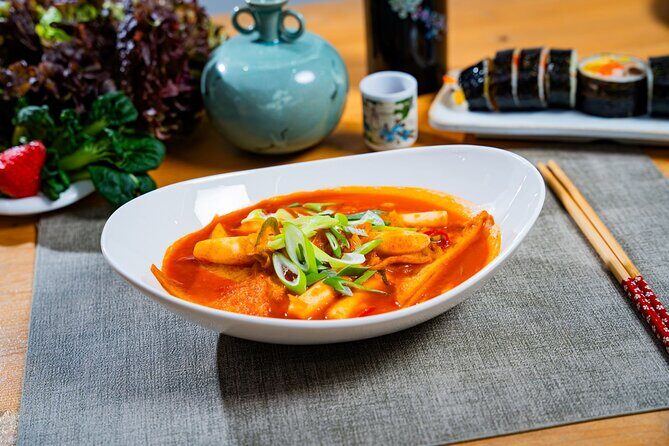
Tteokbokki is rice cakes in a sweet-spicy gochujang-based sauce. This teaches you about balancing heat with sweetness and getting sauce thickness right. Even if you’ve eaten tteokbokki in restaurants, cooking it helps you understand why it tastes different from one batch to the next: the sauce clings, bubbles, and coats in a way you can control.
This is also one of the dishes where you’ll learn ingredient roles. Gochujang isn’t just heat—it brings depth, tang, and that signature reddish color.
Haemulpajeon: crisp edges, seafood comfort
Haemulpajeon is a seafood and scallion pancake. Pancakes like this teach you batter handling and heat management. You’ll practice getting the pancake cooked through without turning it into a rubbery mess.
Why it’s a great teaching dish: even if your first attempt is imperfect, you’ll still end up with something delicious. And once you get the texture right, you’ll recognize the cues fast.
Budaejjigae: learning the simmering mindset
Budaejjigae is army stew, typically hearty and deeply satisfying. This part of the class teaches you how stews develop flavor through simmering and how a pot meal can feel comforting without being complicated to assemble. You’ll learn the basic approach so you can understand what makes it taste “stew-like,” not just like hot ingredients dumped in a bowl.
This is the dish that makes the whole class feel like a real meal—not a snack experiment.
Recipes and technique tips you can actually use later
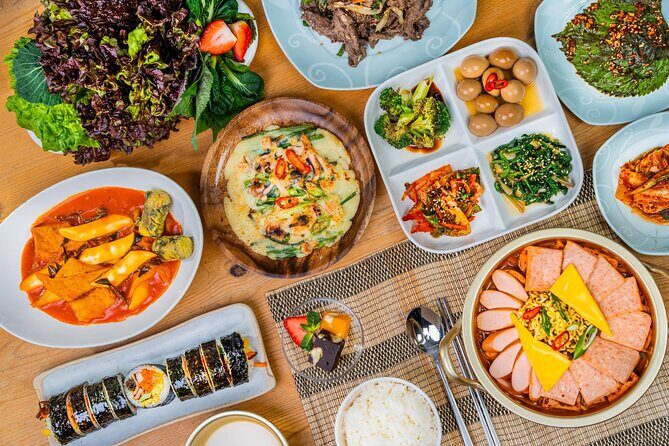
You’ll get digital recipes after the class. That’s not just a nice extra—it changes the usefulness of what you learn.
When you have a recipe in your phone, it’s easier to:
- repeat the same ingredients without guesswork
- remember which step comes first (especially for rolling and pancake timing)
- adjust spice or taste later with confidence
And because the instructor teaches you step by step, you’re more likely to understand what you’re doing rather than memorizing moves.
Dietary preferences: the class adapts
If you have dietary restrictions or preferences, alternative recipes are offered. That flexibility makes this class easier to recommend for more than just adventurous eaters.
Drinks and dessert: included, and age 21 matters
Food comes with Korean tea and snacks, plus sikhye during the experience. You’ll also be served makgeolli, but only for travelers age 21 and above. If you’re under 21, you’ll still get non-alcoholic drinks.
This matters for two reasons:
- You can plan your expectations if you’re traveling with a group that includes both adults and younger guests.
- It keeps the experience comfortable for everyone—no pressure to drink.
Dessert is included too. In a class like this, dessert is often the final signal that you’ve officially reached the “full” stage. Plan on it.
Price and value: is $89 a fair deal?
At $89 per person, the price only feels fair if you’re getting more than cooking instructions. Here’s what supports the value:
- A full 3-hour, small-group class (max 10 people), so it’s not a rushed show
- Four dishes made hands-on from scratch, not a “one dish” sampling session
- A full-course home meal plus tea, snacks, sikhye, and desserts
- Makgeolli included for 21+, adding to the overall meal experience
- Digital recipes afterward, so you leave with something usable
- Leftovers to take with you, which stretches the value across more than one meal
If you’ve ever done cooking classes where you make one small thing and then leave hungry, this one is different. It’s built around leaving well fed—and with the knowledge to repeat at home.
Who gets the best deal
This tends to be great value for people who:
- want hands-on experience, not just tasting
- like Korean food and want to understand it beyond restaurants
- don’t want to spend extra money on a separate meal afterward
Location and practical comfort: finding it and making it easy
You meet at 31-5 Jahamun-ro, Jongno District, Seoul and the activity ends back there. It’s near public transportation, which matters in Seoul where walking can be great—or tiring depending on the day.
Also, you’ll get a mobile ticket, which is the modern kind of helpful. Bring your phone and you’re set.
A simple packing mindset
Since you’ll likely have leftovers, consider bringing a bag you can use for carrying food. You’ll appreciate it more than you think once you’re at the “I’m full but still taking some home” stage.
Who should book this class (and who might hesitate)
This is a strong fit if you want a real Korean home-food experience without needing Korean cooking skills first. The class is designed to be approachable, with patient instruction and a step-by-step pace.
Book it if you:
- love Hansik and want to learn classic dishes you’ll recognize
- enjoy interactive, hands-on activities
- travel with dietary needs (because alternatives are offered)
- want a small-group experience led by Jennifer and her team
You might hesitate if
- you don’t like cooking and prefer purely tasting experiences
- you’re short on time or don’t want a big food session
- you’re a group member under 21 and were hoping for alcohol (makgeolli is only served to 21+)
Should you book Hansik Korean Cooking Class?
I think you should book it if your goal is to leave Seoul with more than memories—you want a practical skill and a satisfying meal.
This class wins on two things: you cook the dishes (step by step, with real support), and you eat what you made with included Korean drinks and dessert. The small group size keeps the experience friendly and attentive, and the digital recipes help you carry the learning home.
If you’re a Korean food fan, it’s an easy yes. And if you’re not yet a fanatic, it’s still a smart way to become one, because you’ll understand the why behind the flavors instead of just grabbing something delicious off a menu.
FAQ
How long is the cooking class?
It’s about 3 hours.
What’s the price per person?
The price is $89.00 per person.
Where is the meeting point in Seoul?
You meet at 31-5 Jahamun-ro, Jongno District, Seoul, South Korea, and the class ends back at the meeting point.
What dishes do you cook?
You cook four home-style Korean dishes: gimbap, tteokbokki, haemulpajeon, and budaejjigae.
Is the class hands-on?
Yes. You learn and create the dishes step by step, and you cook the food yourself with instructor guidance.
Are drinks and dessert included?
Yes. The experience includes Korean tea and snacks, sikhye (Korean rice punch), makgeolli (Korean rice wine), and desserts.
Can minors drink makgeolli?
Alcohol is only served to travelers age 21 and up. Minor travelers below 21 will be served non-alcoholic drinks.
Is there a limit on group size?
Yes. The class has a maximum of 10 travelers.
Are recipes provided after the class?
Yes, you receive recipes digitally afterward.
What is the cancellation policy?
Cancellation is free. You can cancel up to 24 hours in advance for a full refund, and cut-off times are based on local time. If you cancel less than 24 hours before the start time, the amount paid is not refunded.