REVIEW · SEOUL
Korean Kimchi Making Day Experience with a Local Market Tour
Book on Viator →Operated by cookorean · Bookable on Viator
Kimchi day starts at the market. I love how this Seoul class mixes a Mangwon Market ingredient walk with real cooking time, not a lecture. You meet Jomin at Mangwon Station and she steers you through what to look for, plus you’ll get chances to taste street snacks along the way.
My favorite part is the hands-on studio work: you make four types of kimchi yourself, then sit down to eat what you made with a Korean family-style spread. One thing to plan for: you’ll leave with a lot of kimchi, so luggage space and container placement matter, and the class can reschedule or cancel if it doesn’t hit the minimum guest count.
In This Review
- Quick Hits From the Mangwon Kimchi Day
- Finding Jomin at Mangwon Station (Line 6 Entrance 2)
- Mangwon Market Tour: Fresh Ingredients Plus Street Food Bites
- Inside the Studio: Four Hands-On Kimchi Types in One Session
- What You Eat After Cooking: Pork, Fried Tofu, and Kimchi You Made
- Take-Home Kimchi Reality Check (Yes, It’s a Lot)
- Price and Value: When $89 Feels Fair for Seoul
- Who This Kimchi Making Day Is Best For
- Booking Checklist and Planning Tips That Actually Matter
- Should You Book This Kimchi Making Day in Seoul?
- FAQ
- Where do I meet for the kimchi making experience?
- How long is the experience?
- How big is the class?
- What kinds of kimchi will I learn to make?
- Are vegetarian or vegan options available?
- Do we eat the kimchi after the class?
- Can I take leftovers home?
- Do I receive recipes or instructions for cooking later?
- What happens if the minimum number of guests isn’t met?
Quick Hits From the Mangwon Kimchi Day
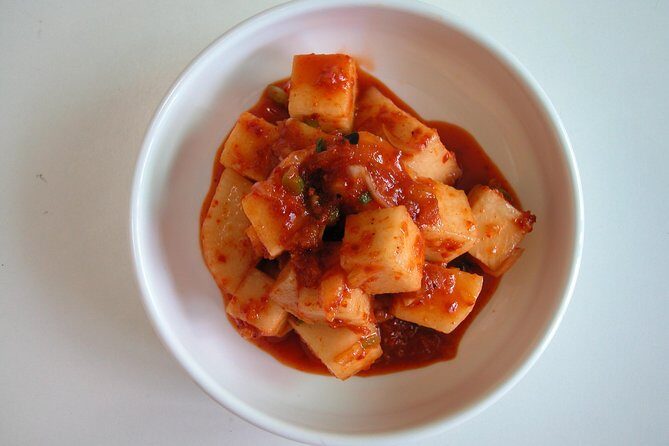
- Small-group cooking keeps the class focused, with hands-on guidance while you work
- Mangwon Market walk with Jomin helps you learn how to pick ingredients and shop Korean-style
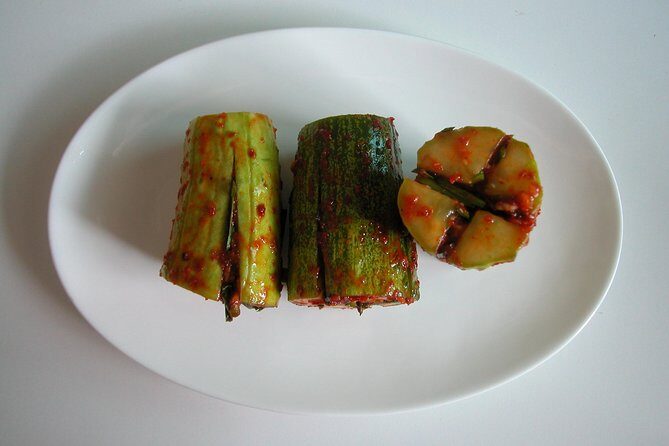
- Four different kimchi types using fresh produce like Korean cabbage, radish, and cucumber
- Eat your results afterward with boiled pork, fried tofu, and often makgeolli-style pairing
- Take-home container included, so you can keep practicing back home
Finding Jomin at Mangwon Station (Line 6 Entrance 2)
This experience is built for people who like to start their Seoul day like a local: by walking first. You meet at Mangwon Station (Line 6), Entrance 2, then your group heads toward the cooking studio. It’s a simple setup, and it means you don’t waste your limited vacation time figuring out routes.
Jomin’s role here is more than “tour guide.” She’s there to connect the market ingredients to what you’ll be doing later in the kitchen. You’ll get explanations about the items used in the class—how they show up at Korean stalls, how to spot quality, and what each ingredient is doing in the process.
Also, this is a mobile-ticket experience, so keep an eye on your phone battery and make sure your confirmation is easy to find.
You can also read our reviews of more shopping tours in Seoul
Mangwon Market Tour: Fresh Ingredients Plus Street Food Bites
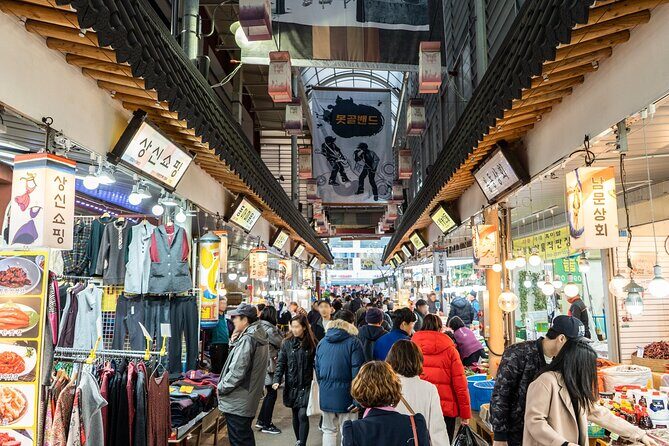
The Mangwon Market segment is where you get your bearings in Korean food culture fast. You’ll walk through stalls and see the range of ingredients used for kimchi—especially the key produce you’ll cook with later. Korean cooking is very ingredient-driven, and this walk makes that feel practical instead of abstract.
A few things make this market time worth your attention:
- You don’t just look—you learn what to buy and why.
- Jomin highlights class ingredients along the way, so the studio steps start making sense before you even touch a knife.
- You’ll have opportunities to taste street foods. That matters because kimchi in Korea isn’t treated like a science project. It’s part of everyday eating, snacks, and meals.
There’s also a useful pacing element. You’re not stuck in a marathon shopping spree. You get just enough market time to understand the ingredient choices, then you move on while the momentum is still good.
One practical note: if you’re the type who loves to browse and buy everything, go easy on impulse purchases. The class includes take-home kimchi, and you’ll want to save space for what you make.
Inside the Studio: Four Hands-On Kimchi Types in One Session
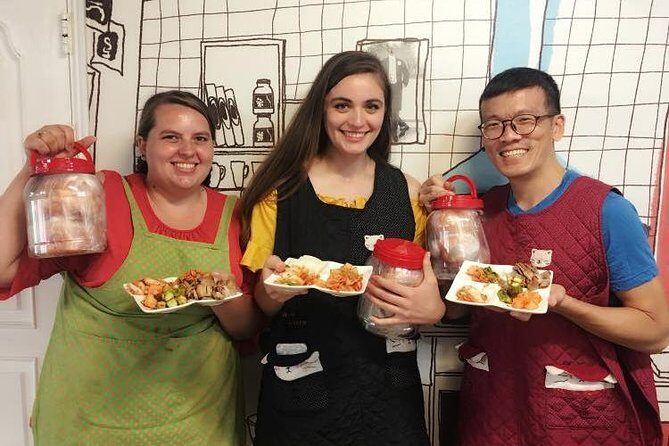
The cooking part happens in a studio setting after the market walk, and the teaching style is built for real learning. You cook with a Korean chef (Jomin as your guide/instructor), and the class is kept small—with a maximum of four people in the class experience. That small size is a big deal. You get feedback while you’re working, not after the fact.
You’ll make four authentic types of kimchi. The class description specifically points to fresh ingredients like Korean cabbage, radish, and cucumber, so expect to handle different veggie textures and prep steps. Even if you’re a beginner, you’re not stuck watching. You’ll be coached through the process and guided as you prepare and season the mix for each kimchi style.
What I like about this setup is how it builds confidence. Lots of “food experiences” end as soon as you finish eating. Here, you leave with a repeatable framework. The goal is that you can recreate the basics back home, then adjust to your own taste.
If you’re wondering about dietary needs: vegetarian and vegan options are available. The important detail is that the experience is flexible enough to accommodate you, instead of forcing a one-size-fits-all method.
What You Eat After Cooking: Pork, Fried Tofu, and Kimchi You Made
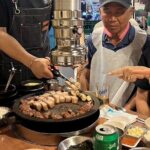
After cooking, you sit down to eat the results in a meal that feels like what Korean families would put together on a special food day. Your kimchi is served alongside boiled pork and fried tofu—a comforting pairing that helps balance the sharp, fermented tang of kimchi with savory, hearty sides.
Several reviews also mention a makgeolli pairing. Makgeolli is a common Korean drink that fits the vibe of a casual meal with banchan-style flavors. Even if you don’t plan to drink, the meal part is still valuable because it shows how kimchi behaves on a plate—not just as a jar souvenir.
This is also the moment where the teaching sticks. You made the kimchi, then you taste it with the meal. That contrast helps you learn what you got right and what you might tweak next time.
Take-Home Kimchi Reality Check (Yes, It’s a Lot)
The class doesn’t end with taste. You also take your kimchi home. The experience includes taking leftovers after the class, and the group provides a container so you can store what you made.
Here’s the part you should plan for:
- You’ll likely pack a large amount of kimchi.
- Your container takes space, and it may be safer in checked luggage than trying to squeeze it into carry-on.
- Your trip needs room for one more “meal item,” not just a small condiment sample.
If you’re doing a multi-day Seoul itinerary, think ahead. Use the kimchi as real food on your trip back home, not something you’ll only open once you’re settled. Fermented foods are happiest when they’re actually eaten.
Also, don’t treat the container like a throwaway item. Keep it sealed, keep it cool when possible, and follow your own comfort level with how you store fermented food during transit.
A few more Seoul tours and experiences worth a look



Price and Value: When $89 Feels Fair for Seoul
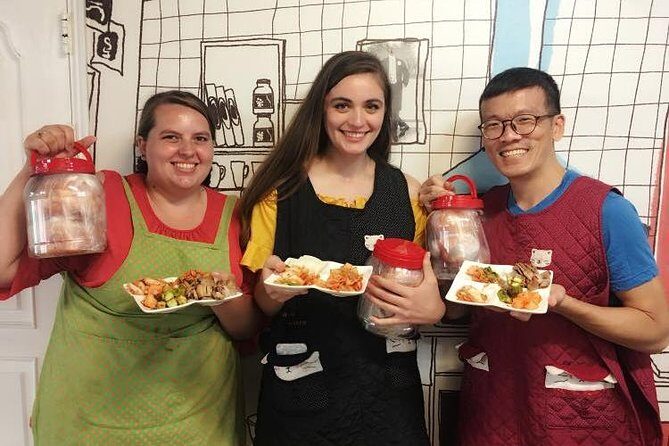
At $89 per person for about 3 hours 30 minutes, this isn’t an all-day “tour bus” kind of activity. You’re paying for three things that are usually where the best cooking classes spend their money:
- Chef-led teaching (not just a demo)
- Market time tied directly to the ingredients you cook
- The fact that you make multiple types of kimchi and take them home
Small-group structure matters here. With an experience capped at a small cooking group, the instructor’s time per person is higher than in large classes where you’re mostly watching. You also get a meal afterward, which makes the experience feel more like a full food moment than a quick snack-and-leave.
One more value point: you’re not only learning what kimchi is. You’re learning how to shop and how to approach ingredients. That helps even if you never make kimchi again, because you’ll feel more capable buying Korean produce and sauces on your own.
Booking timing is another practical detail. This is typically booked around 30 days in advance, so if you’re traveling in a busy stretch, don’t wait until the last minute.
Who This Kimchi Making Day Is Best For
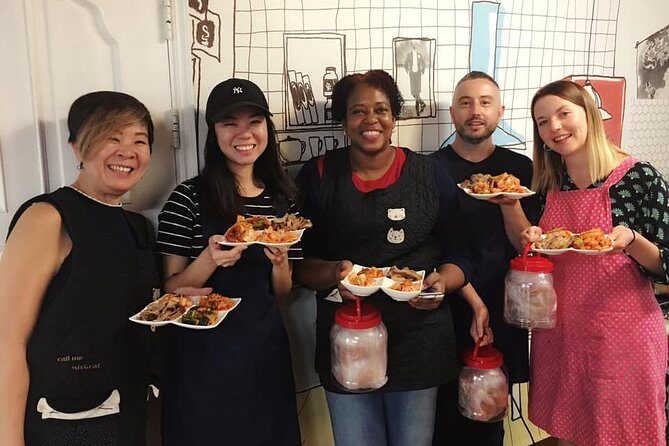
This is a strong fit if you:
- Want an authentic Seoul food experience without being overwhelmed by complexity
- Like hands-on cooking more than “watching someone else”
- Want confidence to shop and cook after you go home
- Enjoy market walks and want a food-focused neighborhood vibe rather than only top sights
It’s also a good choice for couples. The small group size makes it feel personal, and the market + studio format gives you a clear rhythm. Families can work too, including teens, since the class is hands-on and structured.
If you’re a super picky eater or someone who refuses fermented flavors, this might still be fun as a learning experience—but the meal and take-home element mean kimchi will be part of your day and your packing plan.
Booking Checklist and Planning Tips That Actually Matter
Before you go, I’d plan around three practical items.
1) Where you meet
- Mangwon Station (Line 6), Entrance 2 is your anchor point.
2) Luggage space
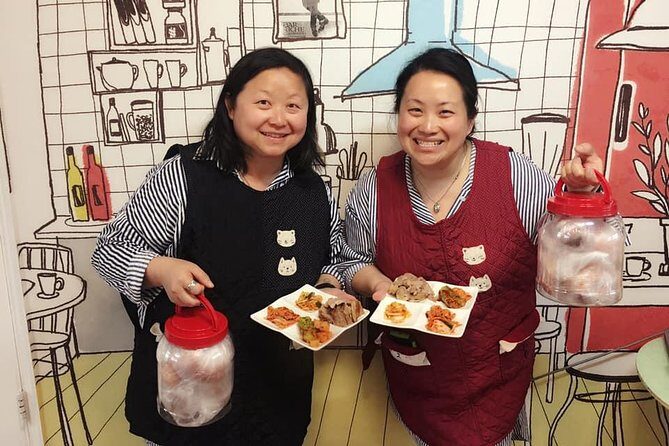
- You’re taking home kimchi in a container, and quantity can be more than you expect.
- If you’re short on space, shift the plan now rather than fighting your suitcase later.
3) Timing
- You’re in for roughly 3.5 hours total. Plan your next activity with a buffer so you don’t feel rushed.
One last thought: the class can be rescheduled or canceled if it doesn’t meet minimum guest numbers (the minimum noted is four). If you’re on a tight schedule, keep backup dates in mind.
Should You Book This Kimchi Making Day in Seoul?
Book it if you want real skill, not just a food photo. The combo of a Mangwon Market ingredient walk, a small-class cooking setup, and the chance to make four kimchi types is exactly the kind of value that makes a cooking class memorable.
Don’t book it if you absolutely can’t handle packing take-home food, or if your travel schedule is so strict that a reschedule would wreck your plan. The experience is great, but it comes with kimchi and logistics you’ll need to respect.
If you’re flexible, curious, and ready to roll up your sleeves, this is one of the more practical and confidence-building ways to understand Korean kimchi culture.
FAQ
Where do I meet for the kimchi making experience?
You meet at Mangwon Station (Line 6), Entrance 2. The activity ends back at the meeting point.
How long is the experience?
It runs for about 3 hours 30 minutes.
How big is the class?
The cooking class is designed for a maximum of four people, and the activity is listed with a maximum of 11 travelers overall.
What kinds of kimchi will I learn to make?
You’ll learn to make four authentic types of kimchi, using fresh ingredients such as Korean cabbage, radish, and cucumber.
Are vegetarian or vegan options available?
Yes. Vegetarian and Vegan options are available.
Do we eat the kimchi after the class?
Yes. After cooking, you sit down to enjoy the kimchi you made, paired with boiled pork and fried tofu.
Can I take leftovers home?
Yes. You can take home the kimchi you make, and a container is provided.
Do I receive recipes or instructions for cooking later?
Yes. You receive a recipe/cookbook so you can remember what you made and repeat the steps at home.
What happens if the minimum number of guests isn’t met?
The class can be rescheduled or canceled if it doesn’t meet the minimum guest requirement (minimum noted as 4). In that case, you’ll be offered a different date/experience or a full refund.