REVIEW · SEOUL
Seoul: Korean Cooking Class at a Local Home and Market Tour
Book on GetYourGuide →Operated by HELLO K COOKING · Bookable on GetYourGuide
A Korean market and a home kitchen in one plan. You start in Mangwon at a local station, then cook with an English/Korean-speaking chef-guide in a real home setting. What I like most is the mix of hands-on cooking plus an eating format called Hanjeongsik, where the meal is built like a full course.
You’ll also get a true market walkthrough, including street food sampling, and you’ll practice small bits of Korean along the way. One watch-out: the class takes place in a home with no elevator, so plan for stairs and mobility needs.
In This Review
- Key Highlights You’ll Feel Right Away
- Mangwon Station to Local Market: The Smart Way In
- Market Walk: Shopping Like You Live There
- Welcome Tea and Korean Phrase Practice at the Home Venue
- Hands-On Cooking: Bibimbap, Dakgalbi, Pancakes, and Doenjang-Jjigae
- Hanjeongsik Meal: How a Korean Course Meal Feels
- Tal Mask and Heritage Festival Flavor
- Price and Value: What $98 Really Covers
- Who This Class Suits Best in Seoul
- Getting There and Making It Smooth
- Should You Book This Seoul Korean Cooking Class?
- FAQ
- Where is the meeting point?
- Is hotel pickup and drop-off included?
- How long does the experience last?
- What dishes will I cook?
- What languages does the instructor speak?
- How many people are in the group?
- What food and drink are included?
- Is the cooking location accessible by elevator?
- Can I cancel, and how does Reserve Now and Pay Later work?
Key Highlights You’ll Feel Right Away
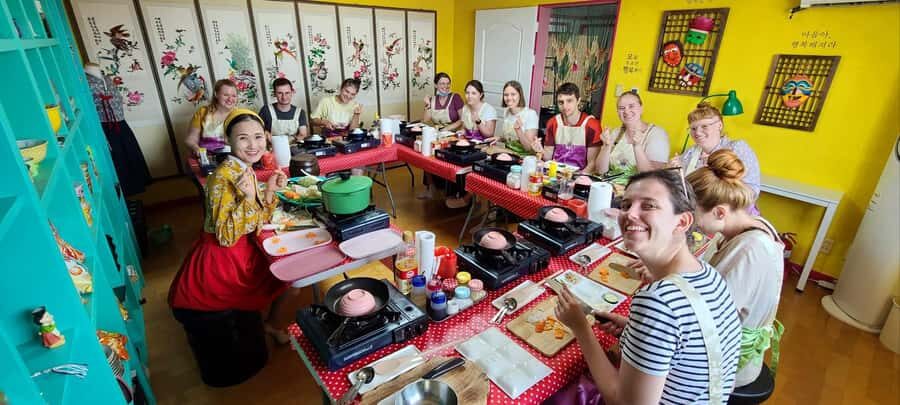
- Mangwon Station start point: convenient transit access, then you walk into the local food world.
- Traditional market shopping + street food samples: you see ingredients up close before cooking with them.
- 4 dishes you make yourself: Bibimbap, Dakgalbi, Haemul-Pajeon, and Doenjang-Jjigae.
- Hanjeongsik-style meal: you eat a full Korean course with more than 10 side dishes plus seasonal fruit and rice wine.
- Cultural extras that aren’t random: Korean phrase practice and trying on a Tal mask tied to heritage festivals.
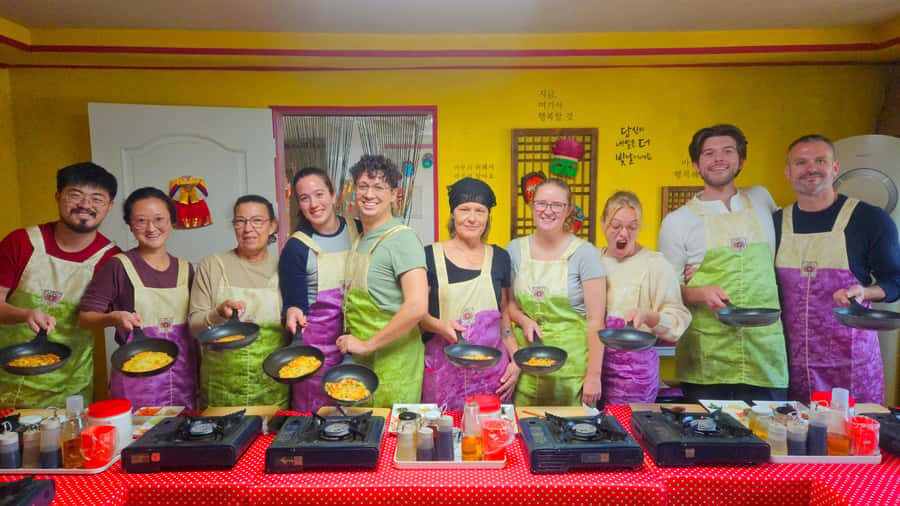
- Small group of 10: more attention during hands-on steps.
Mangwon Station to Local Market: The Smart Way In
This experience starts at Mangwon Station (Exit 2, outside), and that matters more than it sounds. It means you’re not herded from a hotel lobby and rushed. You meet up, get oriented, and then you walk into the neighborhood food rhythm that makes Korean cooking make sense.
Mangwon itself has the feel of a place where locals actually shop, not just a place designed for photos. And because the tour begins with a market visit, you get the story behind the ingredients before you start chopping, mixing, and cooking.
One practical thing: there’s no hotel pickup or drop-off. You’ll want to plan your route in advance so you arrive on time. The good news is the start point is clear and easy to follow once you’re in the area.
You can also read our reviews of more shopping tours in Seoul
Market Walk: Shopping Like You Live There
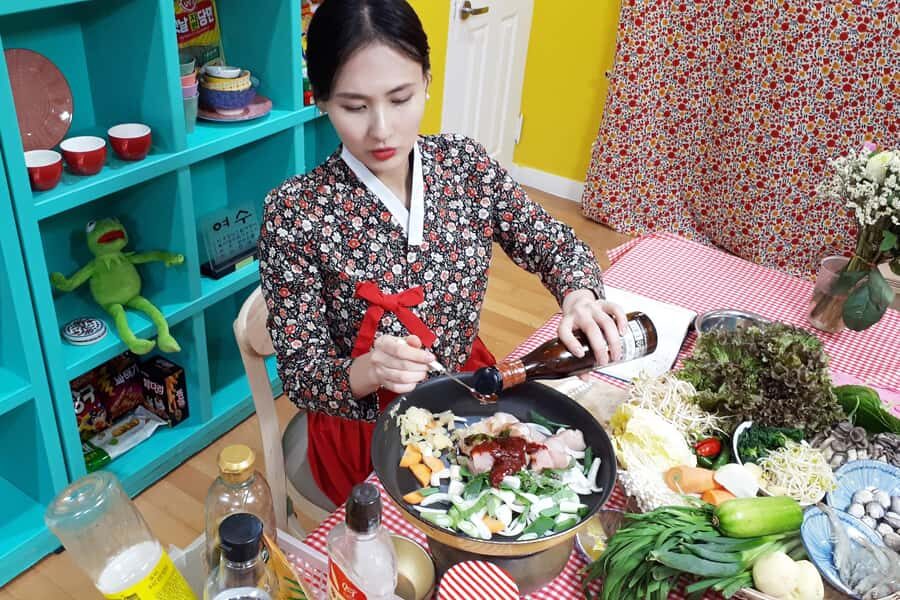
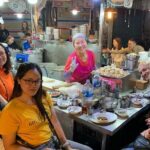
The heart of the day kicks off with a traditional market tour where your guide helps you find the ingredients needed for class. This isn’t just browsing. You taste street food samples, and you learn how people choose produce, seafood, pantry items, and fermented goods that show up again and again in Korean home cooking.
What makes this part valuable for you is that shopping turns into a skill. After you’ve watched what to look for and heard why certain items matter, cooking at home becomes less guesswork. You’re not trying to remember what “looks right” from a recipe blog. You’ve seen the ingredients in context.
You also get a taste of day-to-day food culture. Markets in Seoul often move fast, smell strong (in a good way), and feel very practical. You’ll learn how to navigate the stalls with your guide, and you’ll come away with a better sense of how Korean meals are built around a mix of savory, fermented, and fresh elements.
Welcome Tea and Korean Phrase Practice at the Home Venue
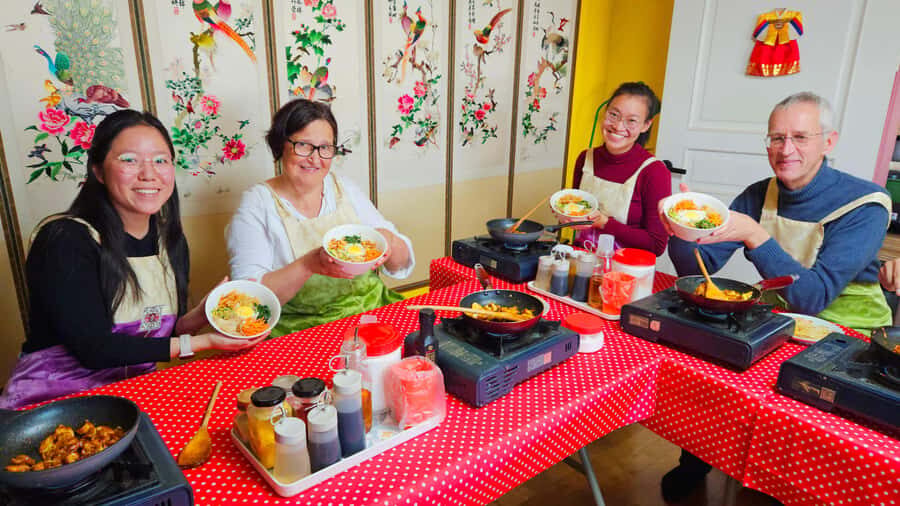
After the market, you head to the cooking class home venue. Before you start cooking, you’ll have a welcome tea, and your guide works in a bit of Korean phrase practice.
This is one of those small moments that pays off. You’re not just eating Korean food; you’re learning how locals talk about it. Even a few phrases can make your next restaurant meal easier, and it helps you connect the dishes to culture rather than just recipes.
There’s also a logistics reality here: there’s no elevator up to the home. If you’re traveling with limited mobility or heavy bags, plan for stairs. This is the one practical snag mentioned in the tour notes, and it’s worth taking seriously.
Hands-On Cooking: Bibimbap, Dakgalbi, Pancakes, and Doenjang-Jjigae
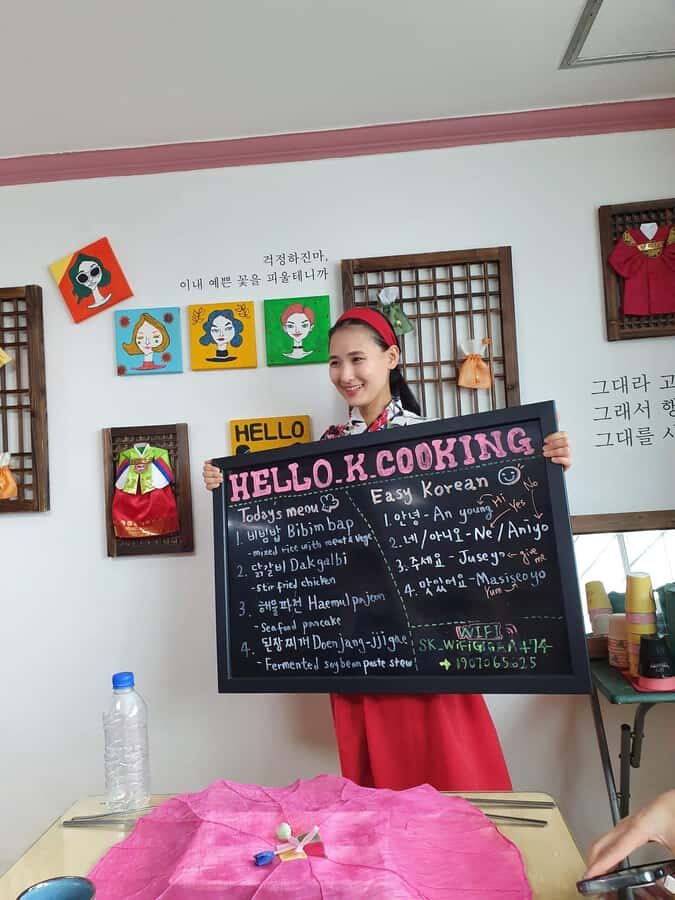
Now for the part you came for: you cook.
The class covers 4 dishes:
- Bibimbap (mixed rice with meat and vegetables)
- Dakgalbi (stir-fried chicken)
- Haemul-Pajeon (seafood and green onion pancake)
- Doenjang-Jjigae (fermented soybean paste stew)
What I like about this lineup is the balance. You don’t only learn one style. You get:
- A bowl meal (bibimbap) where assembly and toppings matter.
- A fast stir-fry (dakgalbi) where timing and sauce flavor are key.
- A pancake (haemul-pajeon) where batter + heat control changes the outcome.
- A stew (doenjang-jjigae) where fermented flavor is the backbone.
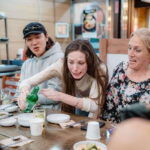
Because it’s a small group limited to 10, you’re not stuck watching. You’re in the cooking process, and your chef-guide supports you step by step. The format is designed to help even less confident cooks follow along without feeling lost.
You’ll also have ingredients and equipment provided, which is a big deal for value. You’re paying for technique and guidance, not for the hassle of sourcing everything yourself first. And since the tour includes recipes, you’re not leaving with only good memories. You’ll have a way to reproduce at least the core steps at home.
Hanjeongsik Meal: How a Korean Course Meal Feels
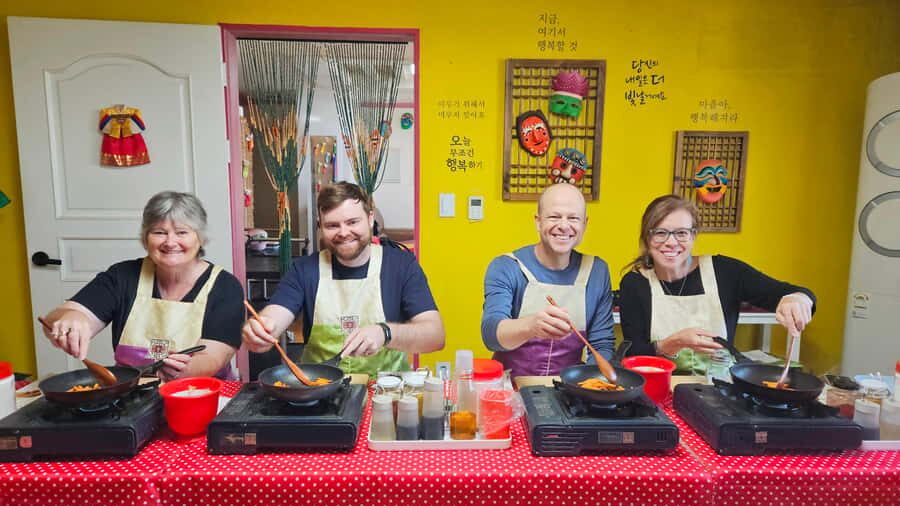
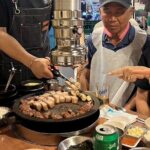
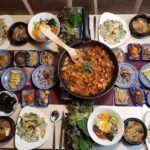
After cooking, you sit down for the meal—and it’s not a simple “here’s your food” arrangement. The experience includes a Hanjeongsik meal, described as a traditional Korean course with more than 10 side dishes, plus seasonal fruits and rice wine.
For you, the Hanjeongsik format is more than variety on a table. It shows you how Korean meals are meant to work together: spicy, salty, savory, fermented, fresh, and crunchy often appear side by side. When you taste your own dishes in that context, the flavors start to click.
And because it’s part of the same day, you get a feedback loop. You cook, then you taste. You learn what you nailed and what you’d tweak next time. That’s how cooking classes become useful instead of just entertaining.
Also included with the meal is plenty of support—side dishes, rice wine, and the broader course structure. That means the cooking work doesn’t end at the stove. It continues into how Koreans think about eating as a full experience.
A few more Seoul tours and experiences worth a look


Tal Mask and Heritage Festival Flavor
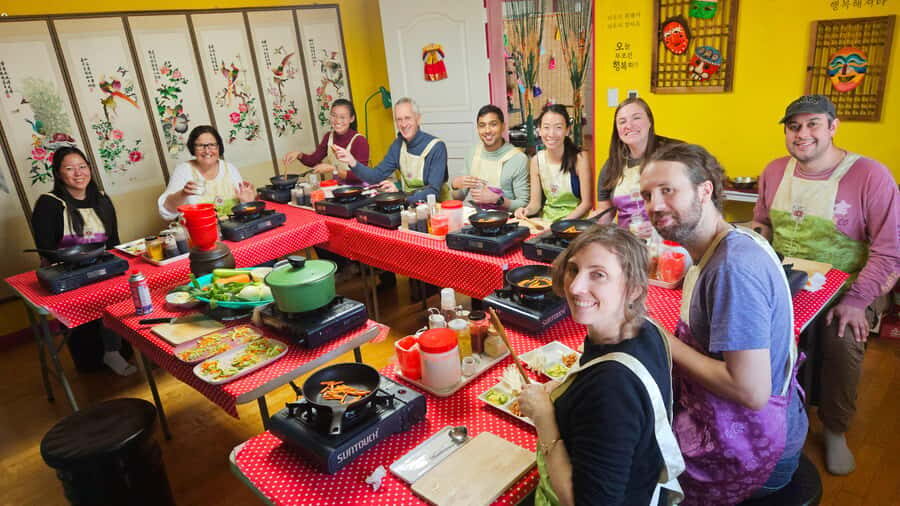
A fun cultural extra is the Tal mask. You’ll get to try on an artful Tal mask that’s worn during many Korean heritage festivals.
This part isn’t just costuming. It adds a grounded, visual layer to your day. When you’ve already learned a bit about food culture and fermented flavors, it helps to see that Korean heritage shows up in everyday life too—through festivals, performance, and symbols people still recognize.
It’s also the kind of moment that makes photos feel personal rather than staged. You’ll remember the mask, but you’ll also remember the day as a whole: market, kitchen, course meal, then a cultural touch that connects the experience beyond cooking.
Price and Value: What $98 Really Covers
At $98 per person for a 3.5-hour experience, you’re not paying just for “a cooking class.” You’re paying for several linked components that would each cost extra if you did them separately:
- Market tour plus street food samples
- Cooking class with a professional chef-guide
- Ingredients and equipment
- Welcome tea
- The full Hanjeongsik meal with more than 10 side dishes, seasonal fruits, and rice wine
- Water
- Photo and video service
- Recipes provided for follow-up
That’s the value story. If you’re the type who loves food but also wants to learn how to shop, cook, and serve Korean flavors the “right” way, this pricing starts to make sense. You’re getting a full evening’s worth of food and learning, compressed into a half-day format with guidance built in.
Just keep one thing realistic: you’ll be active. You’ll walk through the market and cook in a home kitchen setting. If you prefer low-movement classes, this might feel more hands-on than you expect. If you like doing things with your hands and asking questions, it’s a great fit.
Who This Class Suits Best in Seoul
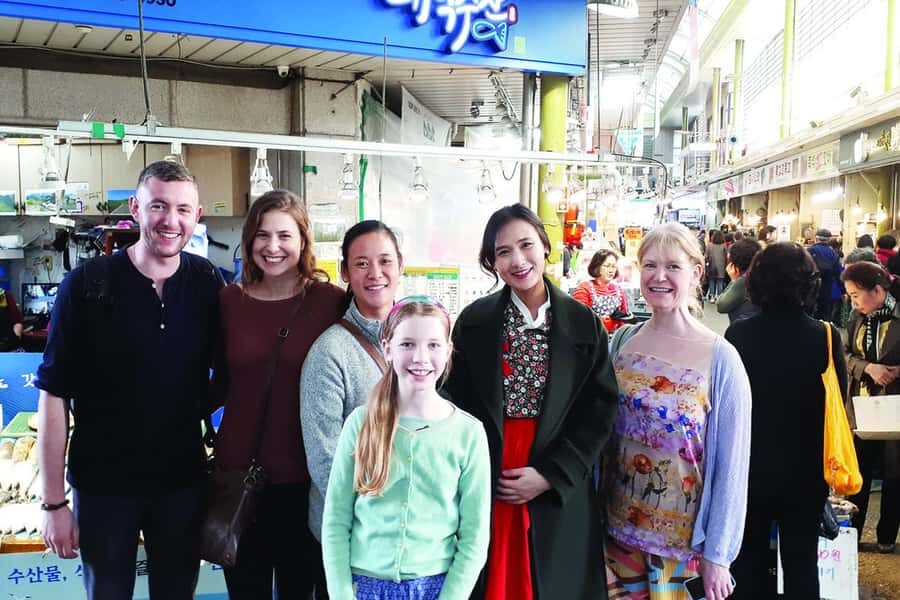
This experience is a strong match if you want:
- A local-market start (not a generic shopping stop)
- The chance to cook a set menu of Korean favorites
- A guided cultural experience that includes Korean phrase practice
- A full meal experience through Hanjeongsik
- A small group feel with attention during cooking
It’s especially appealing for first-timers to Korean cooking because the dishes chosen cover a lot of the flavor map. Bibimbap teaches assembly, dakgalbi teaches stir-fry sauce logic, Haemul-Pajeon teaches batter and heat, and Doenjang-Jjigae teaches fermented soybean paste depth.
If you already cook Korean food regularly, you may still enjoy it for the market-to-kitchen flow and the Hanjeongsik meal structure. But if your goal is only one signature dish, this class is a bigger package than you need.
Getting There and Making It Smooth
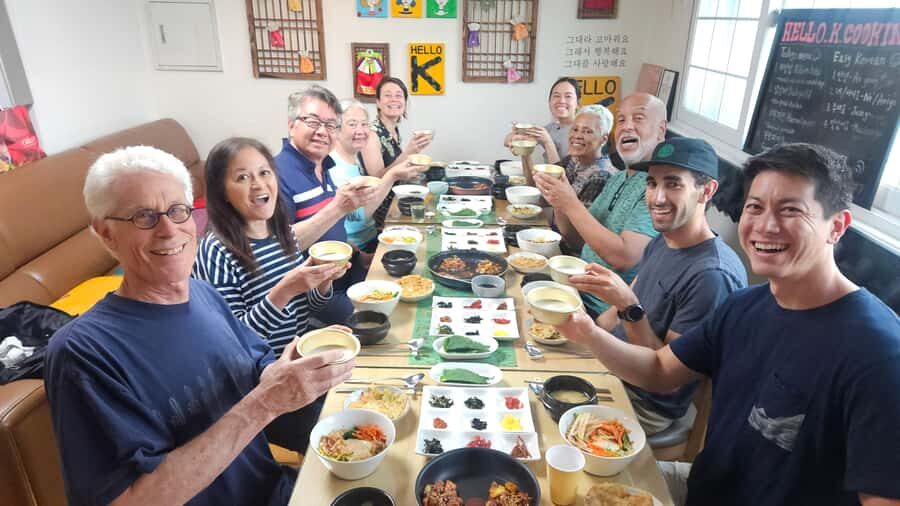
Because there’s no hotel pickup, your biggest responsibility is getting to Mangwon Station Exit 2 (outside). Once you’re there, the plan runs as a guided loop: market, then home kitchen, then back to the meeting point at the end.
Wear shoes you don’t mind for market walking. Bring a light jacket if you’re sensitive to temperature changes. And plan for the fact that the home venue has no elevator, so stairs are part of the experience.
Should You Book This Seoul Korean Cooking Class?
I’d book it if you want Seoul food that feels lived-in: market shopping, real cooking technique support, and then a full Korean course meal you can actually learn from. The class is also priced in a way that makes sense for what’s included, especially if you value recipes, meals, and guide-led shopping rather than just a short tasting.
Pass if you have mobility concerns that make stairs hard, or if you’d rather skip market walking and focus only on cooking in a more conventional studio. For the right traveler, this is the kind of day that leaves you with skills, not just photos.
FAQ
Where is the meeting point?
You meet your guide at Mangwon Station, exit 2 (outside). The activity ends back at the meeting point.
Is hotel pickup and drop-off included?
No. You’re responsible for making your own way to and from the meeting point.
How long does the experience last?
The duration is 3.5 hours.
What dishes will I cook?
You’ll prepare Bibimbap, Dakgalbi, Haemul-Pajeon, and Doenjang-Jjigae.
What languages does the instructor speak?
The instructor speaks English and Korean.
How many people are in the group?
It’s a small group limited to 10 participants.
What food and drink are included?
You’ll have street food samples at the market, a welcome tea, and a Hanjeongsik meal with more than 10 side dishes, seasonal fruits, and rice wine.
Is the cooking location accessible by elevator?
No. There is no elevator to get up to the local home.
Can I cancel, and how does Reserve Now and Pay Later work?
You can cancel up to 24 hours in advance for a full refund. You can also reserve now and pay later, so you can book without paying today.