REVIEW · SEOUL
DMZ tour south Korea from Seoul (NK experience hall, defector)
Book on Viator →Operated by SEOUL CITY TOUR CO. LTD. · Bookable on Viator
The DMZ feels close enough to touch. This Seoul day trip turns big politics into real places, from Imjingak Park and the Freedom Bridge to Dora Observatory across the border. I especially love the defector Q&A component and the binocular views from Dora Observatory, and guides like Katie and Sadie often keep the whole day clear and human.
One thing to plan for: the 3rd Infiltration Tunnel involves steep, narrow walking. You’ll be glad you wear comfortable shoes and expect it to feel warm and a bit tight in there.
In This Review
- Key Points You’ll Actually Use
- DMZ From Seoul: Why This Route Works
- Price and Time: What You’re Really Paying For
- City Hall Pickup and a Comfortable Coach Ride North
- Imjingak Park and the Freedom Bridge: War Keeps Its Scale
- The DMZ Theater Hall and Museum Stops (Plus the Defector Q&A)
- The 3rd Infiltration Tunnel: The Most Physical Stop
- Dora Observatory: Binoculars, Kijongdong, and Dorasan’s Symbolism
- Tongilchon-gil and Unification Village: Farming Behind the Fence
- Optional Suspension Bridges: When Full-Day Gives You More to See
- What Can Go Wrong: Security Changes and Day-of Reality
- Practical Tips So You Don’t Lose Time or Comfort
- Should You Book This DMZ Tour From Seoul?
- FAQ
- How long is the DMZ tour from Seoul?
- What are the main stops on this tour?
- Do I need a passport?
- Is pickup from hotels included?
- What if part of the DMZ stops are closed due to military conditions?
- Is the tunnel walk difficult?
Key Points You’ll Actually Use
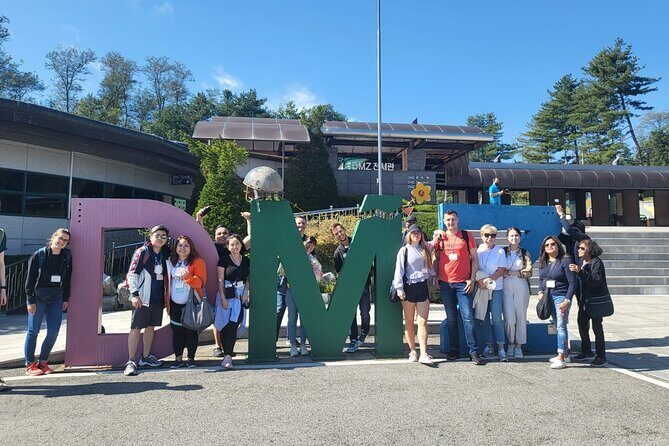
- Defector session adds real-world context: You get a firsthand North Korean perspective tied to what you’re seeing in the DMZ areas.
- Dora Observatory is the visual payoff: Provided binoculars help you scan North Korea from Kijongdong model village viewpoints.
- The 3rd Tunnel is physical, not just photo ops: It’s one of the most memorable parts, but it takes stamina and good footwear.
- Flexible half-day vs full-day options: Full-day can add suspension bridge stops for extra time and extra scenes.
- Binoculars and guided timing matter: The day is structured so you’re not stuck at sites guessing what to look for.
DMZ From Seoul: Why This Route Works
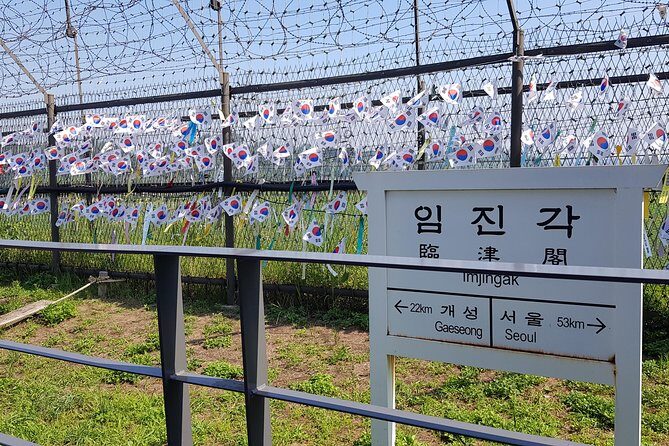
The DMZ is one of those places where words fail fast. You can read about it for months and still feel like it’s abstract. Then you’re standing in the DMZ zones seeing artillery, tunnels, bridges, and border-facing viewpoints, and it suddenly clicks.
What makes this tour especially practical is the pacing. You don’t just speed past major stops. You hit the dramatic landmarks first, then you move to the places designed to help you understand what’s on the other side. At Dora Observatory, for example, you’re not just looking. Your guide helps you interpret what you’re seeing—especially around the Kijongdong model village—so the view feels connected to daily life, not just geography.
If you’ve got a limited window in Seoul, this is also a strong use of time. The route is built around the main DMZ sites that are publicly accessible, with just enough time at each stop to make photos and ask questions.
You can also read our reviews of more tours and experiences in Seoul.
Price and Time: What You’re Really Paying For
At about $26 per person, this tour is priced like a value play compared with many one-off DMZ experiences. You’re buying a full morning or afternoon (about 7 hours for the longer option), with coach transport included plus admission fees at key sites.
The biggest “value” isn’t only the cost. It’s the logistics:
- round-trip coordination from Seoul (often hotel pickup, with City Hall as a key meeting/end point),
- a guided explanation that keeps the day coherent,
- and access to the stops that matter most for understanding the DMZ.
That said, you’re still dealing with a sensitive border zone. A military closure can shut down parts of the itinerary with no refund. So this is best if you can handle the day being a little unpredictable and you still want the core DMZ sites even when something is off-limits.
City Hall Pickup and a Comfortable Coach Ride North
Most days start in central Seoul around City Hall, and the tour ends back near City Hall. Some versions include hotel pickup across Seoul, but Incheon pickup isn’t available. The safest move is to check your confirmation for your exact pickup details.
Once you’re on the coach, the ride north takes around an hour. This matters more than it sounds. You don’t want to arrive stressed, tired, and out of rhythm—because the day only feels meaningful when you’re mentally switched on at each site.
Also, the operator keeps groups to a maximum of 40 people. That size is usually large enough to be efficient, but small enough that your guide can still manage timing and questions at stops.
Imjingak Park and the Freedom Bridge: War Keeps Its Scale
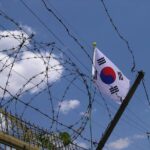
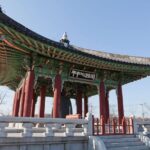
Imjingak Park is your first real orientation. You’ll stop along the Imjin River to see war artifacts and artillery connected to the Korean conflict, before you move toward the Freedom Bridge.
Then comes the Freedom Bridge, a site tied to a specific moment: nearly 13,000 Korean POWs crossed there at the end of the war. This is one of those locations where the story feels heavy even when you’re just standing on the viewing side. Your guide’s job here is to give you the timeline so it doesn’t feel like a random monument stop.
Practical tip: take a breath here. The DMZ can be visually intense. If you rush through Imjingak, the day becomes a blur of locations instead of an understanding of what those places represent.
The DMZ Theater Hall and Museum Stops (Plus the Defector Q&A)
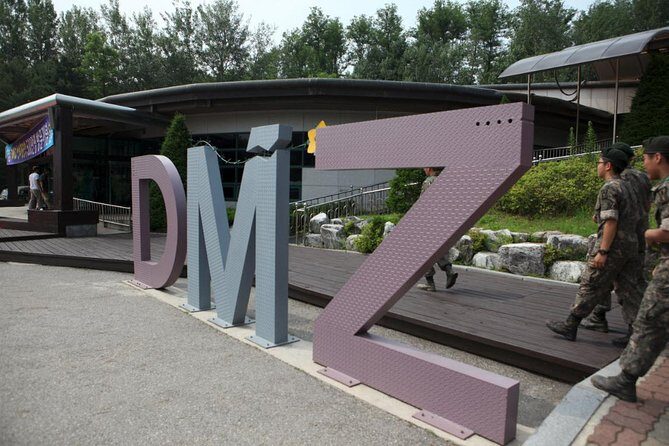
After the early border landmarks, the day shifts into explanation mode. You spend time at the DMZ Theater & Exhibition Hall where you can learn through displays and guided commentary.
This is also where the tour’s most human element often lands: the defector experience/Q&A. In multiple guide-led versions of this day, that session is described as a highlight because it’s not just theory. It gives you a direct frame for what the DMZ looks like to someone who lived with the system behind it.
A guide like Felicity or Sadie can make this segment land. The best DMZ tours don’t only list facts—they connect the facts to real consequences. The defector chat tends to do that by answering the questions you didn’t know you had yet.
One note to keep your expectations realistic: access rules can change. If certain areas like JSA aren’t available on the day, the tour still focuses on the main publicly accessible DMZ stops and uses the time you have for the tunnel and Dora viewpoints.


The 3rd Infiltration Tunnel: The Most Physical Stop
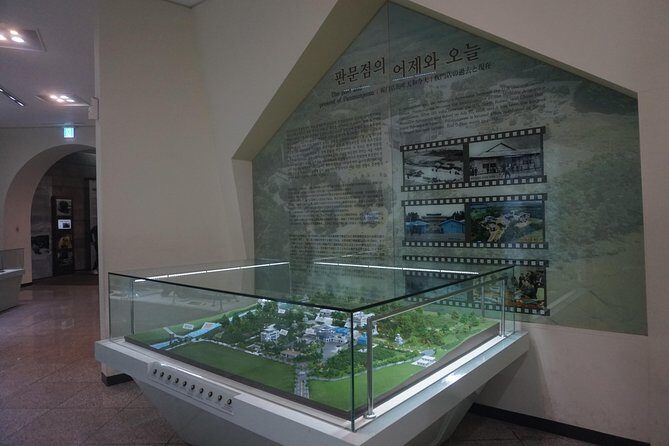
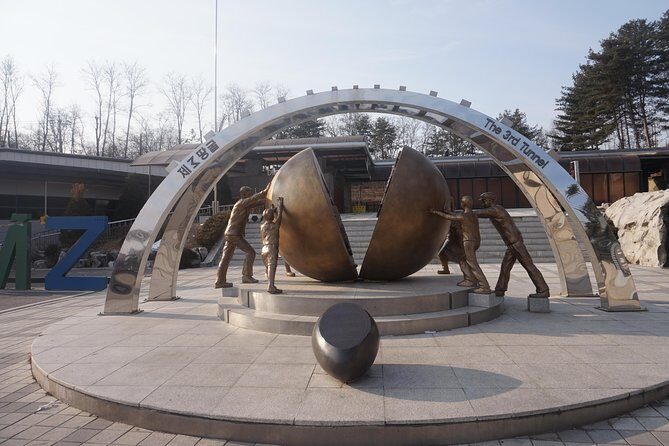
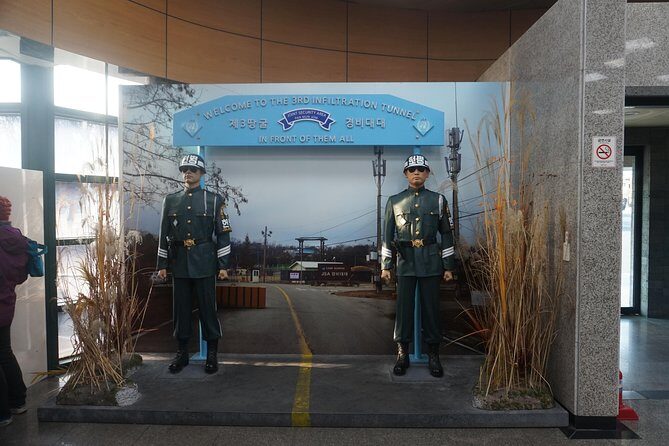
If you want proof that this tour is more than sightseeing, go to the 3rd Infiltration Tunnel. It’s an actual structure beneath the border area, and it’s part of why the DMZ feels real.
Here’s what you’ll get from the stop:
- it’s believed North Korea built it for a military invasion,
- it was discovered in 1978,
- and South Korea blocked it at the military demarcation line.
You’ll walk through a steep, narrow tunnel path. This is not an outdoor stroll. Wear comfortable shoes and plan for short stretches of effort and warmth. One very useful tip from experienced visitors: leave coats in the locker when you go down, because the return is steep and it gets hot.
Also, pace yourself. In tunnel conditions, people slow down without noticing. If you rush, you lose your focus. If you take it steady, you can actually take in the structure and let your guide’s explanation make sense.
Dora Observatory: Binoculars, Kijongdong, and Dorasan’s Symbolism

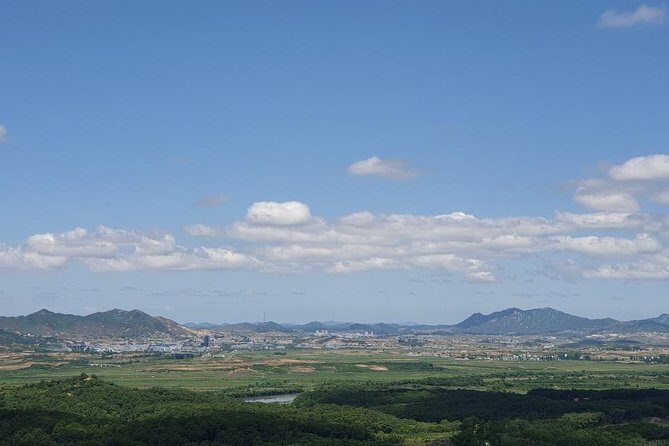
Dora Observatory is where the tour earns its reputation. You get provided binoculars to look toward North Korea, plus a guided explanation of the Kijongdong model village across the river.
This stop is valuable for two reasons:
1) you’re doing the viewing with support, not guessing what matters,
2) you’re seeing how the border is lived with in mind—even though you’re on the South side.
On a clear day, Dora can feel almost surreal: the DMZ turns from an idea into a distance you can measure with your eyes. Some guides have even pointed out that clearer weather can make it possible to spot daily movement in the distance, which makes the moment feel less like a museum display and more like an active border region.
You’ll also hear about Dorasan Station, a train station that once connected North and South Korea and now carries heavy symbolic meaning. That symbolism matters here because it ties the visible landscape back to the political dream of connection.
Tongilchon-gil and Unification Village: Farming Behind the Fence
After the tunnel and observatory, you get a calmer stop: Tongilchon-gil, the area associated with the Unification Village. You’ll learn about how it models daily farm life—especially around soy products and corn goods.
This isn’t just a snack-and-photo stop. It’s a deliberate contrast to the military tools you’ve been seeing earlier. Soybean milk, traditional soy sauce, and everyday farming aren’t flashy, but they help you understand what the DMZ is blocking: ordinary routines.
At this point in the day, you’ll probably feel two emotions at once—curiosity and discomfort. That’s normal. This part of the route helps you hold both without turning it into a one-note political lecture.
Optional Suspension Bridges: When Full-Day Gives You More to See
You can choose a half-day schedule or upgrade to a full-day plan. The full-day option typically adds suspension bridge stops for extra time outside the main DMZ cluster.
In the route, these options can include:
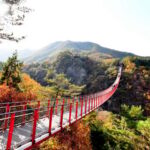
- Gamaksan Chulleong Bridge (DMZ + Red Suspension Bridge option),
- Majang Lake Suspension Bridge (DMZ + Majang Lake option).
These aren’t the same kind of emotional weight as Freedom Bridge or the tunnel. But they add variety so your day doesn’t feel like only border infrastructure. If you’re the type who likes a scenic break after serious sites, the extra hour(s) can be worth it.
What Can Go Wrong: Security Changes and Day-of Reality
DMZ tours operate under changing conditions. The tour info is clear: if part of the itinerary is canceled due to unexpected military conditions or local circumstances, there’s no refund. In some cases, the operator may provide an alternative course related to the DMZ.
That’s why you should treat this like a plan that you adapt to, not a guarantee of every single site. The good news: the tour is structured so Dora Observatory and the core DMZ explanations remain the backbone. Even when a more restricted area isn’t accessible, you still end up with the main landmarks that explain the border system.
Practical Tips So You Don’t Lose Time or Comfort
A DMZ day can feel long because you’re constantly switching gears—history, viewing, walking, listening, then walking again. Do yourself a favor with these basics:
- Wear comfortable shoes. The tunnel stop includes steep, narrow walking.
- Bring layers. Indoors and tunnel temperatures can feel different from the coach and outdoor viewpoints.
- Use the time at Dora. Binoculars are provided, but you still need to listen long enough for your guide’s cues.
- Bring your passport. A current valid passport is required on travel day.
- Expect a moderate amount of walking overall, including steep sections.
If you’re sensitive to cramped indoor spaces, the tunnel is the main factor. The rest of the day is mostly outdoor viewing plus short walks between stops.
Should You Book This DMZ Tour From Seoul?
Book it if you want a DMZ experience that’s organized, time-efficient, and easy to follow from Seoul. The combination of Imjingak Park, Freedom Bridge, the 3rd Infiltration Tunnel, Dora Observatory, and the Unification Village gives you a complete picture: war traces, border mechanics, and the human scale behind it.
Skip—or at least reconsider—if you hate cramped spaces or steep walking. The tunnel is the one part that can test you physically, and there’s no avoiding it.
If you’re traveling with limited time, this is also a solid choice. The full-day upgrade can add suspension bridge stops if you want a longer day with more variety. If your schedule is tight, the half-day option still hits the central DMZ storyline.
FAQ
How long is the DMZ tour from Seoul?
The duration is about 7 hours (approx.). You can also choose a morning or afternoon half-day option, and there’s an optional full-day upgrade that includes additional suspension bridge stops.
What are the main stops on this tour?
You’ll visit sites including Imjingak Park, the Freedom Bridge, the 3rd Infiltration Tunnel, Dora Observatory, and Dorasan Station, plus stops such as the Unification Village area. The route also includes a DMZ Theater & Exhibition Hall stop and, on some options, suspension bridges.
Do I need a passport?
Yes. A current valid passport is required on the day of travel.
Is pickup from hotels included?
The tour is described as including round-trip hotel pickup, but the meeting point listed is City Hall in Seoul, and pickup isn’t available from Incheon. Your confirmation should show your exact pickup details.
What if part of the DMZ stops are closed due to military conditions?
If an itinerary part is canceled due to unexpected military conditions or local circumstances, there is no refund. The operator may provide an alternative course related with the DMZ.
Is the tunnel walk difficult?
The tour notes a moderate amount of walking through a steep and narrow tunnel. Comfortable clothes and shoes are recommended, and a practical tip is to leave coats in the locker when going down since the return is steep and it gets hot.