REVIEW · SEOUL
5D4N Korea Cultural Heritage immersion Private Tour
Book on Viator →Operated by OnedayKorea · Bookable on Viator
Five days with UNESCO stops and real breathing room.
This private tour strings together Korea’s most meaningful cultural sites with private transport and an English-speaking driver, so you’re not stuck timing your day to other groups. You’ll hit Andong Hahoe, Yangdong, Jeonju Hanok Village, and Suwon Hwaseong Fortress—plus a Busan temple choice that changes the feel of your Day 3.
Two things I especially like: you get 4-star hotel comfort with breakfast every morning, and the itinerary is built for an unhurried pace rather than a sprint from one ticket line to the next. It’s also the kind of route that gets you off the most obvious tourist trail in South Korea.
One consideration: meals are not included beyond breakfast. Lunch and dinner are on you, and at this price point you’ll want to plan where you’ll eat each day instead of assuming every meal is handled.
In This Review
- Key highlights you can plan around
- Private Means Your Pace, Not a Herd
- Price and What You’re Really Paying For
- Day 1 in Andong: Hahoe Folk Village and the Mask Dance World
- Day 2 Yangdong Sights and the Silla Connection
- Day 3 Busan Temple Choice: Beomeosa or Haedong Yonggungsa
- Day 4 Jeonju Hanok Village and the Haeinsa Woodblock Link
- Day 5 Suwon Hwaseong Fortress: Joseon Engineering You Can Walk
- The Comfort Factor: 4-Star Stays and Daily Breakfast Wins
- Who Should Book This Private Heritage Route
- Quick Practical Notes Before You Go
- Should You Book This Tour?
- FAQ
- What time does the tour start?
- Is hotel pickup and drop-off included?
- How many nights of accommodation are included, and what level?
- Are admissions included?
- Is the tour private or shared?
- What is included for meals?
- What temples might I visit on Day 3?
- Is there a minimum age and group size?
- Can I cancel for a full refund?
- Can I request a single room?
Key highlights you can plan around
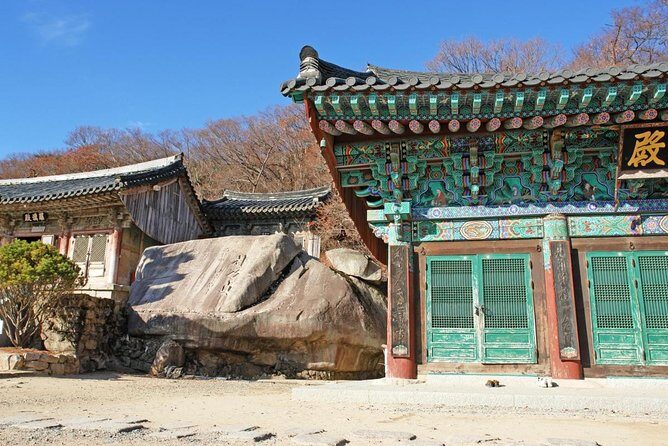
- Private vehicle + English-speaking driver: you set the pace within the day’s schedule
- UNESCO focus in the itinerary: Hahoe, Yangdong, and Hwaseong are major anchors
- Jeonju Hanok Village time: narrow alley tradition without feeling rushed
- Busan temple choice: Beomeosa or Haedong Yonggungsa depending on the day’s direction
- Breakfast included for 4 mornings: easy wins after long sightseeing blocks
Private Means Your Pace, Not a Herd
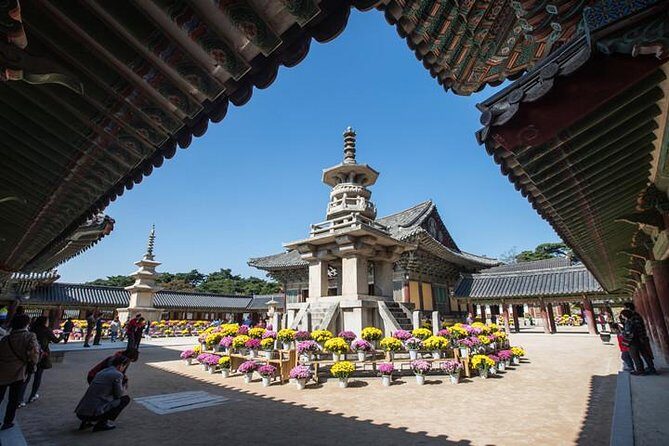
A private tour is only worth it if it changes how your days feel. Here, it does. You start at 8:00 am, and you move using a private vehicle with an English-speaking driver, so you’re not juggling schedules, transfer chaos, or the “everyone back on the bus” routine. That matters on a heritage-focused route, because these places reward slower attention—masks, woodblock history, fortress walls, and alleyway life don’t work like a highlight reel.
Another practical win: hotel pickup and drop-off is included. In Seoul, that sounds small, but it saves real time and stress—especially if you’re staying somewhere not perfectly convenient for day trips.
And because it’s only your group, your guide can tailor how much time you spend on details versus photos. That flexibility is exactly what guides like Irene and Jae-hun have been praised for—being cooperative, warm, and responsive to what you want to emphasize.
You can also read our reviews of more private tours in Seoul
Price and What You’re Really Paying For
The listed price is $1,834.62 per person for a 5-day / 4-night private experience. At first glance, that’s not “budget South Korea.” But the value logic is clearer when you break it down:
What’s included:
- 4 nights of 4-star accommodation with breakfast
- English-speaking driver and private vehicle
- Hotel pickup/drop-off
- Admission fees
- Breakfast (4)
What’s not included:
- Lunch and dinner
So you’re paying for comfort, logistics, and access—not just a list of sights. You’re also paying for reduced friction: you’re not coordinating trains, rental cars, or multiple local transfers across several heritage regions.
If you’re a couple or a small family, this can work out better than piecing together public transport plus separate guides for each UNESCO site. If you’re traveling solo, there’s a single-room option for an extra $240 per person, which is important to factor early.
Day 1 in Andong: Hahoe Folk Village and the Mask Dance World
Day 1 centers on Andong Hahoe Folk Village, a UNESCO Cultural Heritage site. This is one of those places where the setting and the story match. The village is known for its cultural performance tradition, and one of the key moments is the Hahoe Mask Dance Performance—featuring characters with humorous masks: a nobleman, a Buddhist monk, a bride, farmers, and even a cow slaughterer, plus a sarcastic lad.
What I like about this stop is the tone. It’s not only reverent tradition. It uses farce and satire to poke at hypocrisy—especially around aristocratic behavior and attitudes toward Buddhism. That gives you something to think about, not just something to look at.
Practical note: the itinerary lists about 30 minutes with an admission ticket included for the stop. In a private format, that typically means you’ll have time for the main experience plus your guide’s explanation, rather than rushing through while everyone else piles in.
Best for: people who want culture that has humor and bite, not just solemn monuments.
Possible drawback: if you’re expecting a long, wandering festival-style day, you may find Day 1 feels more “focused” than “event-length.” The private format helps, but the schedule is still structured.
Day 2 Yangdong Sights and the Silla Connection
Day 2 takes you to Yangdong Folk Village, another UNESCO Cultural Heritage site. The theme here is living tradition—how people have preserved old ways of building and community life.
The day’s story ties to Gyeongju, often described as the capital of the Silla Kingdom and known for its long span of influence on the peninsula. Buddhism is highlighted as a major force in strengthening royal authority and shaping unified culture, which is why Gyeongju became a home for major Buddhist art treasures.
Gyeongju is often nicknamed the Museum Without Walls, and even if you don’t walk every street like a museum, it’s a useful mindset: the whole city feels like it’s full of artifacts when you know what to notice.
The schedule again lists about 30 minutes for the stop with admission included. Since the tour is private, I’d treat that as a “main site block” rather than your entire day’s worth of sightseeing. Your guide’s explanations make those short blocks feel longer than they are.
Best for: people who want heritage to make sense as a system—religion, power, art, and everyday life.
Possible drawback: this is more “cultural understanding” than “shopping spree,” so if you want pure free time, you’ll need to plan meals and breaks around your guide’s pacing.
Day 3 Busan Temple Choice: Beomeosa or Haedong Yonggungsa
Day 3 is where the itinerary shifts in mood, sending you to Busan—the second-largest city in Korea and the country’s biggest seaport. The value here is that you get both city energy and a temple visit, so your heritage day isn’t trapped behind one kind of scenery.
You’ll be between Beomeosa Temple and Haedong Yonggungsa Temple, two very different choices:
- Beomeosa means temple of the Nirvana fish, built on the slopes of Geumjeong Mountain.
- Haedong Yonggungsa translates as Dragon palace temple, and it’s near the coastline.
That temple choice matters. If you go with Beomeosa, you’re more likely to feel the mountain-side quiet. If you go with Haedong Yonggungsa, you get coastal atmosphere and the dramatic sense of being close to the sea.
The itinerary lists about 30 minutes with admission included for the stop. The private guide time is what usually turns a short visit into a memorable one—especially if they explain the meaning behind the temple name and placement.
This is also where the reviews give a strong signal about service quality. Busan has come up repeatedly with praise for guide Irene, described as cooperative, friendly, and attentive to what the group wanted. That kind of responsiveness is useful on Day 3 when you’re mixing city impressions with a specific, focused temple stop.
Best for: people who want one day that balances history with atmosphere.
Possible drawback: you’ll want to pack for weather. Temple visits at coastal or mountain sites can feel different depending on wind and temperature.
You can also read our reviews of more historical tours in Seoul

Day 4 Jeonju Hanok Village and the Haeinsa Woodblock Link
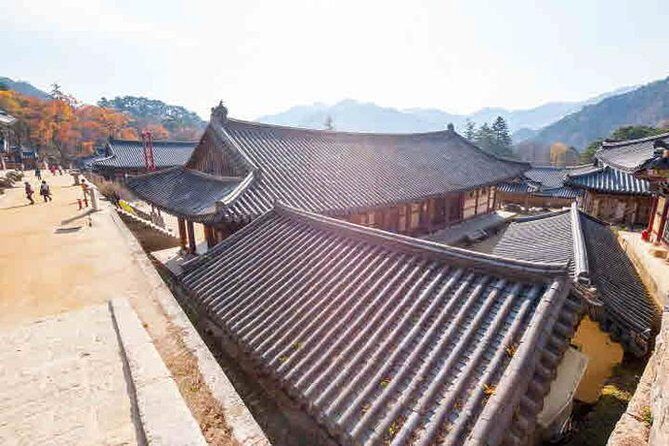
Day 4 is built around two major ideas: the living tradition of Jeonju Hanok Village and the deep preservation work of Haeinsa Temple.
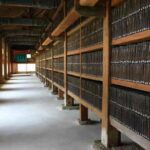
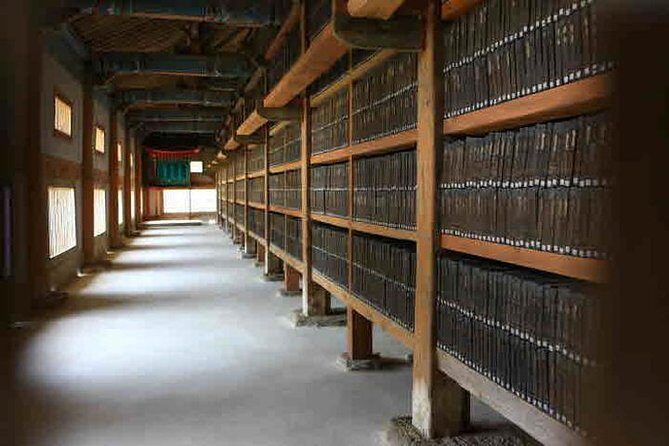
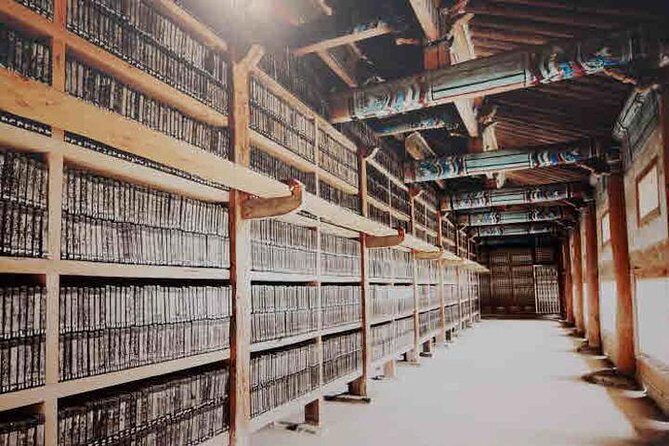
First comes Haeinsa: it’s listed as a universal cultural heritage (recognized in 1995) for its cultural importance and historical remains. The key detail is that it houses the most complete collection of Buddhist texts engraved on 80,000 woodblocks, created between 1237 and 1248. That scale is hard to picture until you understand what it implies: someone, a long time ago, worked at an enormous cultural project with serious long-term intent.
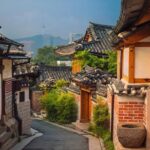
Then you check out Jeonju Hanok Village, where you’ll spend time in a district of narrow alleys with over 800 traditional houses. This is where you can feel the difference between a modern city and a maintained cultural zone. The surrounding city has industrialized, but the Hanok Village retains its older charms and routines.
Again, the itinerary lists about 30 minutes with admission included for the main blocks, so you’ll want to use that time well. If you’re the type who likes photos, this is one of your best opportunities. If you’re the type who likes people watching and small craft details, this is also where you’ll get value from a guide who can point out what to notice.
Best for: people who want tradition plus a sense of preservation at a serious historical level.
Possible drawback: if you’re expecting a long free roam in Jeonju for cafés and browsing, the “heritage blocks first” style may feel a bit scheduled. You can still enjoy the village, but plan to use your guide’s time wisely.
Day 5 Suwon Hwaseong Fortress: Joseon Engineering You Can Walk
Your final day focuses on Hwaseong Fortress in Suwon, another UNESCO cultural heritage site. The story is Joseon dynasty and King Jeong-jo, the 22nd King of the dynasty. The fortress was established in 1796 as a temporary palace setting—so it’s not just a wall. It’s infrastructure: protection from enemies and a center for commerce.
What I like here is that the fortress is framed as a blend of practical design and architectural technique. The tour description highlights that the fortress used methods harmonizing Western and Oriental skills. It also mentions things like using cranes and bricks instead of stone and earth.
That matters when you walk the space. You’re not just looking at old masonry; you’re seeing how the design was built to function.
The schedule again lists about 30 minutes with admission included for the stop, and like the other days, the private guide helps you turn a short visit into a “I actually get what I’m seeing” moment.
Best for: people who enjoy architecture, city planning, and walking history.
Possible drawback: if you don’t enjoy walking, ask your guide how the route is paced. Fortresses often involve stairs or uneven stone, even if the core stop isn’t huge.
The Comfort Factor: 4-Star Stays and Daily Breakfast Wins
This tour gives you a comfort baseline: 4 nights in a 4-star hotel with breakfast each day. Breakfast is included for 4 mornings, which is a real advantage on heritage trips because it removes one daily decision. It also keeps you from spending time hunting for food right after an 8:00 am start.
Room setup is flexible:
- The default is twin/double or triple sharing
- If you’re 3 people, the tour books a triple sharing room
- If you’re 5 people, it uses a mix of twin/double plus a triple room
- Single rooms are available for an extra $240 per person
If you’re traveling as a family, the minimum age is 8 years, so it’s geared more toward families who can handle early starts and walking at heritage sites.
Who Should Book This Private Heritage Route
This is a strong fit if you:
- Want UNESCO sites without the hassle of multi-transport planning
- Like your culture explained in a way that matches your pace
- Prefer comfort (4-star hotels and private pickup/drop-off)
It may not be ideal if you:
- Want every meal included or a fully meal-managed day
- Prefer very free-form wandering with minimal structure
- Are extremely budget-sensitive—at this price, you’re paying for logistics and comfort
Also, if you care about service style, you can take a hint from the guide feedback. Guides named Irene, Jay, and Jae-hun have been praised for being cooperative, friendly, and willing to adjust the plan based on your views. With a private tour, that adjustment potential is part of the value.
Quick Practical Notes Before You Go
- Start time is 8:00 am.
- This is a private activity, so only your group participates.
- English-speaking driver is included.
- Admission fees are included, but lunch and dinner aren’t.
- Luggage is limited to 1 suitcase and 1 carry-on per traveler, and oversized items may face restrictions—worth checking before you pack.
Should You Book This Tour?
Book it if you want a heritage-focused Korea trip where you’re not stressed about timing, transfers, or getting stuck in rigid group schedules. The combination of private transport, 4-star stays, and admission fees included makes it easier to enjoy the cultural sites instead of managing the logistics.
Don’t book it if you need a strict budget or you’re the kind of traveler who eats only where you randomly end up. Since lunch and dinner are on your own, you’ll want a little planning energy each day.
If you like UNESCO sites but hate the usual “tour conveyor belt,” this one is built for that exact problem—and the Busan temple choice helps break up the history with atmosphere.
FAQ
What time does the tour start?
The tour start time is 8:00 am.
Is hotel pickup and drop-off included?
Yes. Hotel pickup and drop-off are included.
How many nights of accommodation are included, and what level?
You get 4 nights of 4-star accommodation, with breakfast included for each of those 4 mornings.
Are admissions included?
Yes. Admission fees for the included stops are included.
Is the tour private or shared?
It’s a private tour/activity. Only your group participates.
What is included for meals?
Breakfast is included for 4 days. Lunch and dinner are not included.
What temples might I visit on Day 3?
On Day 3, you visit either Beomeosa Temple or Haedong Yonggungsa Temple.
Is there a minimum age and group size?
Minimum age is 8 years. Minimum of 2 people per booking.
Can I cancel for a full refund?
Yes. Free cancellation is available up to 24 hours in advance for a full refund.
Can I request a single room?
Single rooms are available for an additional cost of USD240 per person.