REVIEW · SEOUL
Korean History & Heritage Tour
Book on Viator →Operated by KoreanTourGuide · Bookable on Viator
Seoul can feel huge on your own, until it turns into a simple route. This private Gangbuk day connects palace drama, everyday Joseon-era life, and food you can’t easily hunt down solo. I like the way the itinerary mixes top sights with places where you can still see daily rhythm.
What I really like: you get a real private guide pacing you through multiple zones, and you ride in an air-conditioned vehicle with hotel pickup and drop-off anywhere in Seoul. One thing to consider: admission at Gyeongbokgung Palace isn’t included, and lunch is on you.
In This Review
- Key Highlights You’ll Feel in a Single Day
- Why Gangbuk Works Better Than DIY Seoul
- Price and Logistics: What $475 Per Group Gets You
- Gyeongbokgung Palace and the Changing of the Guard (Not Just a Photo Moment)
- National Folk Museum of Korea: A Life Story From Birth to Afterlife
- Bukchon Hanok Village: Traditional Homes Where People Still Live
- Insadong’s Antique Lanes and the King’s Artist Era
- Jogyesa Temple, Cheonggyecheon Stream, and the End at Kwangjang Market
- Your Guide Matters: Michael, Judy, and the One Thing to Watch
- Who This Private Seoul Heritage Day Is Best For
- Should You Book This Tour?
- FAQ
- How long is the Korean History & Heritage Tour?
- Where does the tour take place?
- Is hotel pickup and drop-off included?
- Do I need to buy tickets during the tour?
- Is lunch included?
- What’s the group size for this private tour?
- Do they offer transportation during the day?
- Is the tour wheelchair-friendly or accessibility-focused?
Key Highlights You’ll Feel in a Single Day
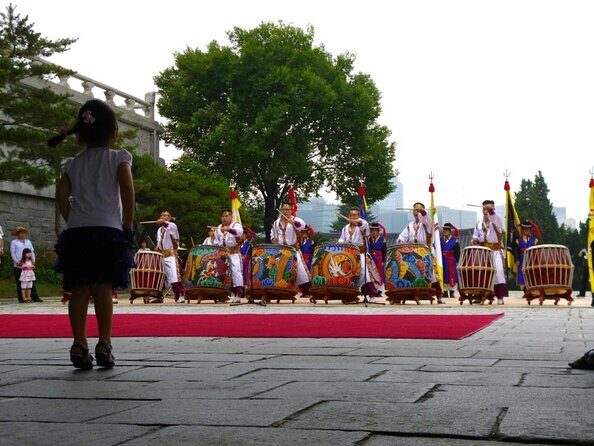
- Changing of the Guard at Gyeongbokgung Palace with time to appreciate the palace architecture, not just a quick photo stop.
- National Folk Museum of Korea framed as a life cycle story, from birth and daily life to the afterlife.
- Bukchon Hanok Village shows traditional housing where people still live, so it’s not just staged scenery.
- Insadong’s souvenir lanes with a focus on the king’s artist-crafting era and today’s antique-style shops.
- Jogyesa Temple and Cheonggyecheon Stream give you a calm break between palace and market energy.
- Kwangjang Market (about 600 years old) ends with Korean comfort street food made for real cravings, not museum manners.
Why Gangbuk Works Better Than DIY Seoul
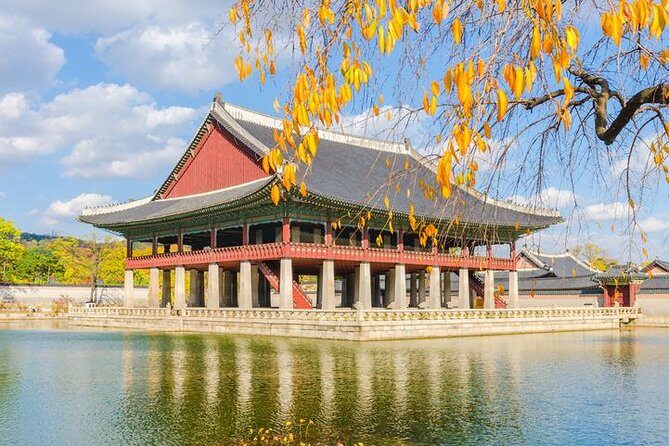
Gangbuk is the part of Seoul where “traditional” doesn’t just mean a single landmark. It’s a whole neighborhood logic: palaces, courts, religious spaces, and markets that evolved over centuries. That’s exactly what this tour is built for—a connected storyline across the day.
I also love how the tour is private. You’re not stuck behind a herd of people, and your guide can slow down when something matters to you. If you like architecture, you’ll get it. If you care more about everyday life, the stops are still designed to make sense.
One more practical win: Gangbuk can mean multiple subway lines and a lot of walking between sites. Here, you’re using an air-conditioned vehicle and timing stops into a smooth sequence. You’ll arrive less sweaty, less lost, and with more energy for the street-food finish.
You can also read our reviews of more historical tours in Seoul

Price and Logistics: What $475 Per Group Gets You
This tour runs about 7 hours starting at 9:00 am, and it’s priced at $475 per group up to 6. That matters because private tours can get pricey fast when you pay per person. If you’re traveling as a couple, family, or small group, splitting the cost can make the value feel much more grounded.
You also get free hotel pickup and drop-off anywhere in Seoul. That’s a big deal in Seoul, where hopping between neighborhoods can eat time and focus. You’re not squeezing the tour around transit schedules; the day is built around you.
Two costs to keep in mind:
- Gyeongbokgung Palace admission isn’t included (the stop is listed as 45 minutes with admission ticket not included).
- Lunch isn’t included, so plan to eat near the market or grab something between stops.
If you’re staying outside Seoul proper, there’s a $50 surcharge for pickups within Gyeonggi Province. And because most of the itinerary includes walking, comfy shoes aren’t optional—you’ll want to move well.
Finally, the tour uses a mobile ticket, so you’re not hunting paper tickets while trying to find the meeting point in the morning.
Gyeongbokgung Palace and the Changing of the Guard (Not Just a Photo Moment)
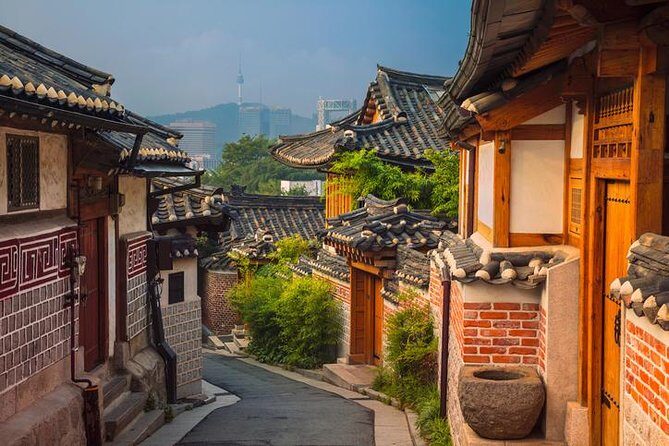
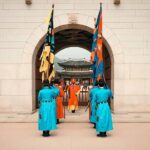
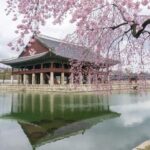
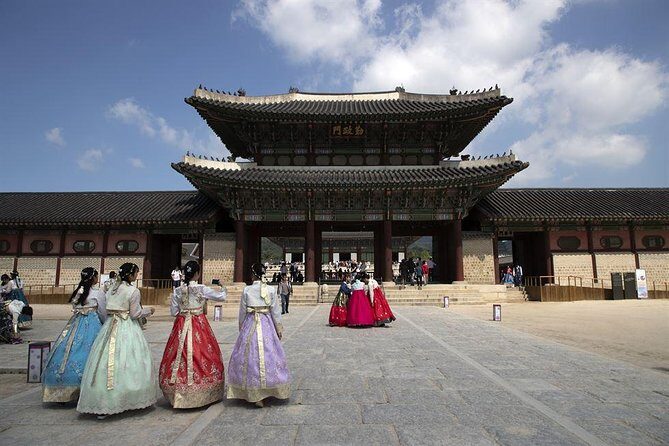
Gyeongbokgung Palace is the kind of place where timing and context change everything. In this tour, you get a focused Changing of the Guard Ceremony moment first, then you go deeper into the palace to appreciate the architecture and how the king’s world was shaped by design and layout.
The stop is about 45 minutes, but the value is in what your guide helps you notice. Palace grounds can look overwhelming if you’re only chasing landmark spots. With a guide, you’re more likely to understand why doors, courtyards, and sightlines mattered.
Admission isn’t included here, so you’ll want to budget for that ticket separately. Also, expect some standing around for ceremony viewing. Seoul in the morning can still be cool or warm depending on the season—dress in layers and bring a small water bottle.
If you’re the type who likes the story behind the buildings, this is often the anchor stop of the day. It sets the tone for everything that comes next: temples, museums, and everyday spaces all connect back to how Joseon-era people organized life.
National Folk Museum of Korea: A Life Story From Birth to Afterlife
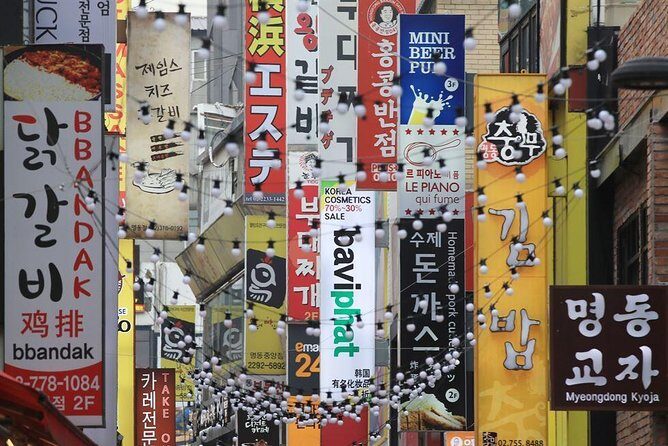
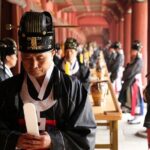
After the palace, the day shifts from power and architecture into daily meaning. At the National Folk Museum of Korea, your guide talks through life in Korea in a structured way: birth, everyday living, and death—then the afterlife comes into the conversation too.
This stop is 30 minutes and admission is free. That short window can still be effective if your guide is steering you toward the ideas, not just moving you from one room to another. The goal isn’t to memorize artifacts; it’s to get how traditions and beliefs framed a whole life.
The museum can feel heavy if you treat it as only solemn history. But when it’s explained as a life cycle, it becomes easier to process. You’ll walk out with a clearer sense of why certain objects, clothing styles, and rituals show up again and again across Korean culture.
If you’re on a schedule, this is a smart stop: it’s contained, free, and it adds meaning to the later walking in neighborhoods where you can see tradition living on.
Bukchon Hanok Village: Traditional Homes Where People Still Live
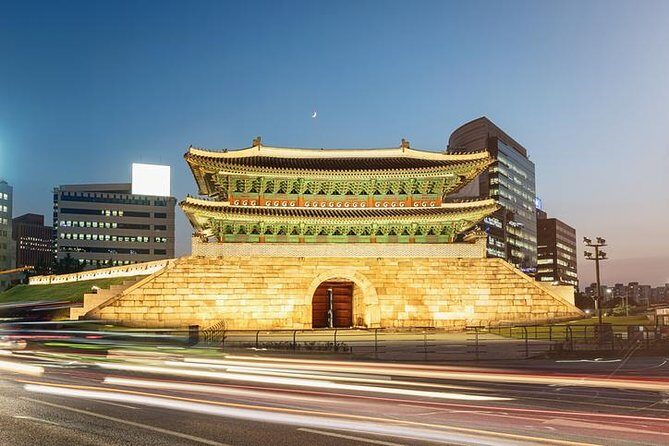
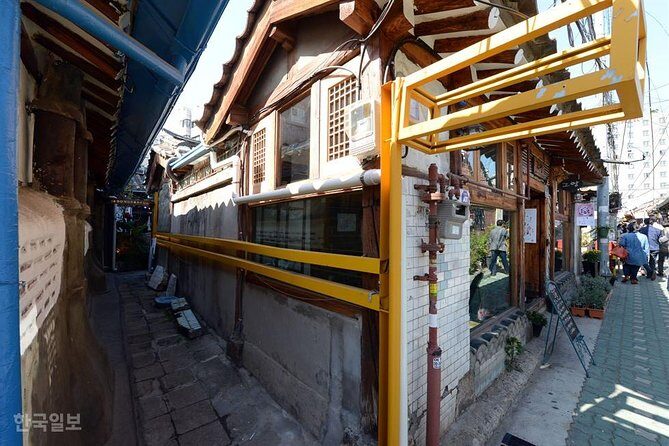
Next comes Bukchon Hanok Village, about 40 minutes and free. This is one of those places where the best payoff is realism. You’re looking at traditional hanok homes, but you’re not just visiting a theme set. People still live there, which changes the mood immediately.
Your guide’s job here is to help you read what you’re seeing: how a neighborhood layout can support a traditional lifestyle, and why the look of these homes isn’t random. If you’re expecting a Disney-style village with shops on every corner, you might feel something’s missing. The trade-off is authenticity.
Because it’s a walking stop, keep an eye on where you’re stepping and plan for small uneven areas. This isn’t about climbing hills; it’s about gentle, steady movement while you take in the architecture.
If you’re traveling with parents, grandparents, or anyone who gets tired easily, ask for a slower pace. Private guiding is good for adjusting rhythm so your day doesn’t feel like a race between photo spots.

Insadong’s Antique Lanes and the King’s Artist Era
After Bukchon, the tour shifts into Insadong for about 45 minutes with admission free. Insadong is widely known for shopping, but this stop is about more than souvenirs. Your guide ties the area to the king’s creative world—his guild for commissioning artists and designers—and then connects it to today’s antique-style lanes.
That “then and now” framing is what I think makes Insadong more worth it on a structured tour. It can be easy to wander here without feeling sure why everything is the way it is. With context, you’re more likely to notice craft traditions instead of just chasing whatever’s cheapest.
The practical angle: Insadong is where you’ll likely buy gifts. Think small lacquer items, traditional stationery, and other objects that are easier to pack. If you’re shopping near the end of the tour, make sure you leave enough time to compare items without stressing about the next stop.
Tip: bring a mental checklist before you arrive. The lanes can tempt you into buying a lot of small things quickly. Decide what you actually want to take home, and let the guide’s recommendations keep you focused.
Jogyesa Temple, Cheonggyecheon Stream, and the End at Kwangjang Market
This last stretch balances calm and energy. It’s smart pacing: you get a religious stop, then a walk by water, then food.
Jogyesa Temple is about 20 minutes and free. The tour framing focuses on how Buddhism used to be the national religion of the country. Even in a short visit, you can get a sense of how religious spaces shaped public life.
Then you move to Cheonggyecheon Stream for about 30 minutes and free. This is a walk where your guide shares the stories behind the stream. The appeal is the change of scenery—after palaces and museums, water-level walking feels like a reset button. You’ll slow down, look up more, and take a breath.
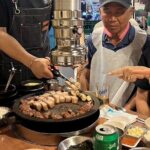
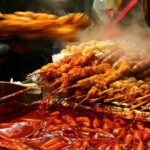
Finally, the day lands at Kwangjang Market for about 30 minutes. It’s described as about 600 years old, starting with linens for special occasions and reinventing itself into the place for Korean comfort street food carts. This is where the tour converts cultural context into something you can taste.
The downside of ending at a market: 30 minutes can vanish fast once you start tasting. Come hungry, but don’t order immediately if you’re unsure what you want. Get your bearings first—then choose one or two things you really want to commit to.
Your Guide Matters: Michael, Judy, and the One Thing to Watch
This tour is private, so the guide quality becomes your day’s quality. In the positive examples I’ve heard, guides like Michael and Judy made a difference by sharing real views into life and culture and adjusting walking pace for comfort. Michael’s day-of-focus reportedly also included a favorite restaurant stop for ginseng black chicken, which shows how guides can add local flavor beyond the base itinerary.
But I’d be careful with one common private-tour risk: the mismatch between expected vehicle service and how the day plays out. One account referenced a guide named YT Kim allegedly turning the private car day into more of a walking situation by parking far away. You can reduce that risk by confirming pickup expectations clearly the day before.
In practice, ask yourself:
- Are you okay with some walking even with the vehicle?
- Will you want the guide to stay close at each stop?
- Do you have any mobility limitations that need a gentler pace?
A good guide helps you feel like the day is unfolding on purpose, not by accident.
Who This Private Seoul Heritage Day Is Best For
I think this tour is a strong match for travelers who want variety without chaos. If you like a mix—palace ceremony, museum storytelling, traditional villages, temple calm, and market food—this route does that without making you plan it.
It’s also a good choice if you’re short on time. Seven hours is enough to feel like you touched multiple eras and aspects of Seoul, but not so long that you’ll dread the next stop.
If you hate long museum marathons, don’t worry: most stops here are 30–45 minutes, with the longest ones designed to keep movement steady. If you love photography, you’ll get plenty of corners to frame palace architecture, hanok angles, and street scenes.
For families: the structure helps. For couples: the private vehicle and guide make it feel personal, not crowded. For solo travelers: the “up to 6” group pricing can still make sense if you’re open to splitting cost with others, though you should still expect it to function as a private experience for your group.
Should You Book This Tour?
I’d book this tour if you want a connected Gangbuk day with a guide who can explain what you’re seeing, and if you value comfort like hotel pickup, air-conditioned transport, and a mobile ticket. It’s also a great fit if you want the palace-to-temple-to-market arc without spending your morning figuring out transit between neighborhoods.
I’d hesitate if you’re on a tight budget once you add Gyeongbokgung Palace admission and you don’t want to handle lunch plans. And if you’re very sensitive to walking distances, double-check your comfort level and communicate any pace needs early.
If you go into it expecting a thoughtful day of culture plus street food at the end, you’ll likely leave with a Seoul that feels less like a list and more like a story you can actually remember.
FAQ
How long is the Korean History & Heritage Tour?
It runs about 7 hours, starting at 9:00 am.
Where does the tour take place?
The tour is in Seoul, South Korea, focusing on the Gangbuk neighborhood.
Is hotel pickup and drop-off included?
Yes. Pickup and drop-off are provided free of charge from anywhere in Seoul.
Do I need to buy tickets during the tour?
Admission for Gyeongbokgung Palace is not included. The National Folk Museum of Korea, Bukchon Hanok Village, Insadong, Jogyesa Temple, Cheonggyecheon Stream, and Kwangjang Market are listed as free for the tour.
Is lunch included?
No. Lunch isn’t included.
What’s the group size for this private tour?
It’s a private tour/activity, only your group participates, and the price is per group up to 6.
Do they offer transportation during the day?
Yes. You travel in an air-conditioned vehicle.
Is the tour wheelchair-friendly or accessibility-focused?
The information says service animals are allowed, and that most travelers can participate, but it does not list wheelchair or step-free details.
If you tell me your travel month and who’s coming (age range and mobility needs), I can suggest how to pace the day and where to build your lunch/food strategy around Kwangjang Market.