The DMZ feels close enough to touch. This guided day from Seoul is built around two different routes—most days you’ll hit the 3rd tunnel and Dora Observatory, and on Mondays you swap in the 2nd tunnel—plus a chance to see North Korea when weather cooperates. I especially loved the Imjingak start-to-DMZ flow (Freedom Bridge area and the Unification Bridge approach) and the views from the optional gondola or suspension bridge. The main drawback is physical: expect real walking, stairs, and hills, and the 3rd tunnel has an intermediate hiking requirement—people with heart disease, leg/back issues, or respiratory problems can’t enter.
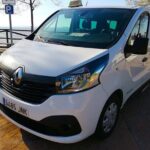
This is also the kind of tour where the guide really matters. In reviews, guides like Patrick and April are praised for staying organized and keeping the day moving, and Roy is mentioned for clear structure. You get an air-conditioned van/bus, an English-speaking guide/driver, admissions covered, and a mobile ticket—so you’re not wrestling with details while you’re trying to absorb what you’re seeing.
In This Review
- Key highlights before you go
- Why This DMZ Day Trip Packs So Much Into One Tour
- Seoul Pickup and Imjingak Pyeonghwa Nuri Park: Your DMZ Warm-Up
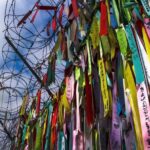
- Imjingak Park and the Freedom Bridge zone
- Imjingak Pyeonghwa Nuri Park (3rd tunnel route days only)
- Tunnels and Observatories: Mondays vs Tue–Sun
- Mondays: 2nd Tunnel, Peace Observatory, and Suspension Bridge
- Tue–Sun: 3rd Tunnel, Dora Observatory, Unification Village
- The tunnel reality check
- Dora Observatory and Unification Village: Where the Day Hits Emotion
- Dora Observatory: the “maybe we’ll see it” moment
- Unification Village: passing through the imagined line
- Optional Gondola Over the Imjin River or the Gamaksan Suspension Bridge
- Gondola ride: scenic angles from Gallery Greaves
- Suspension bridge: the photo-first, cardio-second option
- Which one is the better fit?
- The Optional North Korean Defector Meeting: Why It Changes the Tone
- Time on the Clock: A Full Day With Real Walking
- Practical Tips: Shoes, Weather, and What to Bring
- Wear real shoes
- Check your health limits
- Weather can make or break the North Korea viewing
- Luggage and group comfort
- If plans change
- Value Check: Is $45.86 Worth It?
- Should You Book This DMZ Tour?
- FAQ
- FAQ
- Which days does this DMZ tour visit the 3rd tunnel?
- What does the tour do on Mondays instead?
- Is the gondola ride included?
- Is the suspension bridge included?
- Can I see North Korea on this tour?
- Does the tour include admission tickets?
- Are meals included in the price?
- Who leads the tour?
- Can I join if I have health issues?
- What if weather or politics cause a cancellation?
- Is there a monorail option during the tour?
Key highlights before you go
- Two route styles depending on day: Mondays focus on the 2nd tunnel and Peace sites; Tue–Sun focus on the 3rd tunnel, Dora, and Unification Village
- Optional scenic add-on: gondola for Imjin River views and/or a Gamaksan suspension bridge for photos and big angles
- History stops that chain together: Imjingak Park → tunnels → observatories → Unification area
- North Korean defector talk is optional: a lecture-style story that shifts the emotional tone
- Expect a tight schedule: the day runs long, and delays can cut into photo time
Why This DMZ Day Trip Packs So Much Into One Tour
A DMZ day trip is never casual. You’re moving through checkpoints, timed sites, and walking routes designed for crowds. The value here is that you’re not trying to stitch together a DIY plan while also managing transportation and entry rules.
What I like is that the tour builds a logical “story” through space. You start in the Imjingak area, then you go into the tunnel experience, then you end with observation points looking toward the North. Even if you know some Korean history already, the way the day is sequenced makes the place feel less like a checklist and more like a timeline you can stand inside.
The other practical win: this is a guided day with round-trip transfers from Seoul and admissions handled. At a price like $45.86, that packaging matters—especially if you’re on a tight schedule in Korea and you don’t want to lose a half day fighting logistics.
You can also read our reviews of more guided tours in Seoul

Seoul Pickup and Imjingak Pyeonghwa Nuri Park: Your DMZ Warm-Up
Most days start with a Seoul meetup, then you head to Imjingak Park (admission free for the tour stop). This is the part where you get oriented before the heavier stuff.
Imjingak Park and the Freedom Bridge zone
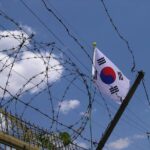
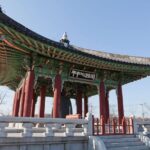
You’ll visit Imjingak and the Freedom Bridge area as part of the DMZ approach. This matters because it frames the DMZ beyond military headlines. It’s where the emotional weight of the peninsula story hits first, before you go physically deeper.
Imjingak Pyeonghwa Nuri Park (3rd tunnel route days only)
On Tuesday through Sunday, you also visit Imjingak Pyeonghwa Nuri Park, which serves as a starting point for that DMZ route. It’s where you’ll see remnants tied to the rail/history of infiltrations. Think of this stop as context-building: you get the “why” before the tunnel “how.”
A small but important detail: on Mondays, that specific 3rd-tunnel sequence doesn’t apply. The tour flips to the 2nd tunnel route instead. If you’re picking a day on purpose, double-check whether you want the 2nd or 3rd tunnel experience.
Tunnels and Observatories: Mondays vs Tue–Sun
This tour’s real decision point is which DMZ route you get. Both options are intense, but they hit different stops.
Mondays: 2nd Tunnel, Peace Observatory, and Suspension Bridge
Every Monday, you visit the 2nd tunnel and then continue to Peace Observatory and Woljeongri Train Station, finishing with a suspension bridge option. The tunnel portion is the star here, and you should treat it like an active hike day, not a flat sightseeing stroll.
One review flagged that the 2nd tunnel hike includes steep inclines and can feel rough if you’re not used to uphill walking. If you have mobility limits, plan to be cautious. The tour notes also emphasize that the 3rd tunnel is not for people with certain health issues, but even on the 2nd tunnel route you should assume there’s a lot of climbing involved.
Tue–Sun: 3rd Tunnel, Dora Observatory, Unification Village
From Tuesday through Sunday, the day centers on the 3rd infiltration tunnel, plus stops at Dora Observatory and Unification Village. Along the way you go through Unification Bridge as you enter the DMZ area.
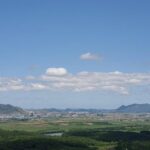
You might be able to see North Korea from Dora Observatory, but weather matters. If the sky is clear, that view is the reason many people book. If it’s not, you still get the sights and the structure of the day—just without the same “looking across” payoff.
The tunnel reality check
Tunnels aren’t dramatic by movie standards. They’re more claustrophobic and physical than you expect. Reviews mention that the tunnel area involves stairs and a lot of back-and-forth movement. If you’re short on stamina, pace yourself early, not at the last tunnel slope.
Also watch the tour’s health guidance: for the 3rd tunnel, people with heart disease, back/leg problems, or respiratory issues cannot enter. Even if you can walk uphill, check your comfort with a tighter, enclosed environment.
Dora Observatory and Unification Village: Where the Day Hits Emotion
On Tue–Sun routes, the day funnels toward the most psychologically intense stops: Dora Observatory and Unification Village.
Dora Observatory: the “maybe we’ll see it” moment
Dora Observatory is where observation becomes the point. You’re not just looking at buildings in the distance—you’re looking toward North Korean territory, and the tour is explicit that conditions can affect what you can see.
If you’re the type who gets quiet in big historical places, this stop can land hard. It’s also why the tour’s pacing matters. If you arrive rushed, you lose the best part: time to actually watch.
Unification Village: passing through the imagined line
Unification Village is part of the Unification-area sequence you’ll do after going through Unification Bridge. This part of the day tends to feel surreal: you’re moving along an edge that divides families, systems, and lives, even while you’re still in a normal tour schedule with a coach bus behind you.
Optional Gondola Over the Imjin River or the Gamaksan Suspension Bridge
This is where the tour gives you a choice—and it’s a good one.
Gondola ride: scenic angles from Gallery Greaves
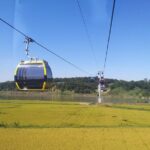
If you choose the gondola, you’ll ride to Gallery Greaves, positioned for panoramic views. The tour description also points you toward Imjin River views from the gondola, which can be a welcome visual break after tunnels and concrete.
If your legs are already tired from earlier walking, gondola time can feel like a breather. It’s still time in a controlled outing, but it’s less punishing than steep hikes.
Suspension bridge: the photo-first, cardio-second option
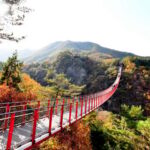
If you choose the suspension bridge option at Mt. Gamak (Gamaksan) Chulleong Bridge, you’ll get a chance at stunning views and photography. But plan for an actual climb.
One review gave a clear sense of the effort: there’s a hike up to the bridge and then you go down and up again to return. Timing depends on fitness, but it’s not a “5 minutes and done” stop.
Also, one review mentioned confusion when a bridge matched the general description but not the exact one they expected. If you care a lot about the exact bridge look (color, name, etc.), ask your guide on the day what you’re getting, since options and site availability can shift.
Which one is the better fit?
- Pick gondola if you want great views without doubling down on stairs and slopes.
- Pick the suspension bridge if you want the physical challenge and big angles for photos—and you’re comfortable with short uphill bursts.
You can also choose the route that includes both only if your booking includes both options. Just be honest with yourself about stamina.
The Optional North Korean Defector Meeting: Why It Changes the Tone
The tour includes an optional meeting with a North Korean defector, typically structured as a lecture. The point isn’t entertainment. It’s human context—an explanation of life under the system, and what the escape and transition can mean.
This stop can add emotional weight to the day, because it connects the history you’re seeing with an individual story. If you prefer your history strictly factual and distanced, you might find this part intense. If you want the day to matter beyond pictures, it’s often the most memorable element.
Time on the Clock: A Full Day With Real Walking
The duration is listed at 7 to 11 hours. In practice, that range is wide because schedules can shift with traffic and site timing.
Here’s what to expect based on the way the day is run:
- There are several stops where you’re moving through areas in a set order.
- Photo time can feel short if the group needs to keep moving.
- Lunch is included as part of the day flow, but meals are not included in price, so you still need to manage hunger and energy.
One review noted a crunch on time and quick windows for photos. Another mentioned a lunch stop that was better than expected at a local Korean buffet, while also noting that lunch timing and quality can vary.
My practical advice: arrive on time for the meetup, wear shoes you can walk in for hours, and don’t plan a long “wander afterward” day. This tour stacks effort early.
Practical Tips: Shoes, Weather, and What to Bring
Wear real shoes
Comfy shoes aren’t a suggestion. You’ll walk, climb, and move up/down paths. The suspension bridge route in particular uses short climbs that add up.
Check your health limits
For the 3rd tunnel specifically, the tour states you cannot enter if you have heart disease or significant leg/back/respiratory problems. Even if you don’t have those diagnoses, consider how you handle stairs and enclosed spaces.
Weather can make or break the North Korea viewing
The tour requires good weather, and it explicitly notes that North Korea visibility depends on weather conditions. If it’s cloudy, foggy, or otherwise poor, you may lose the best “across the border” moment.
Luggage and group comfort
The tour asks you to discuss luggage size and number in advance if you’re bringing your own. This matters because you’ll be on a vehicle and moving through checkpoints and sites where large bags can slow things down.
If plans change
The tour can be canceled due to weather or political situation, and you’ll be offered a reschedule or a full refund. That’s not just fine print—DMZ operations can be sensitive. Build flexibility into your Korea schedule.
Value Check: Is $45.86 Worth It?
For a DMZ day trip, $45.86 can feel like a deal when you see what’s included.
You’re getting:
- An English-speaking tour guide/driver
- Round-trip transfers from Seoul
- Admissions to the included attractions
- A mobile ticket
- The gondola and/or suspension bridge ticket depending on your selected option
- The optional defector meeting
What’s not included:
- Meals and beverages
- Personal expenses
So where does the value come from? It’s the combination of transportation + guided access + included admissions + structured stops. If you try to DIY the DMZ day without a guide, you’d spend time and energy figuring out timing, entry logistics, and transportation between sites. Here, you pay to trade uncertainty for a clear plan.
Should You Book This DMZ Tour?
Book it if:
- You’re doing Seoul as your base and want one structured day covering the key DMZ themes.
- You want a guided route that handles tunnel stops, observatories, and the Unification area in a logical sequence.
- You like the idea of choosing a scenic add-on: gondola for easier views or the suspension bridge for an active photo stop.
Skip or be cautious if:
- You have health limits that make climbing or enclosed spaces difficult, especially if you’re concerned about the 3rd tunnel requirement.
- You hate long days and tight schedules. This is a packed itinerary where being late can create stress for everyone, and your photo time may be brief.
If you want a DMZ day that’s organized, emotionally direct, and actually usable for planning your trip, this one is a strong fit.
FAQ
FAQ
Which days does this DMZ tour visit the 3rd tunnel?
Every Tuesday to Sunday, the tour visits the 3rd tunnel along with Dora Observatory and Unification Village.
What does the tour do on Mondays instead?
On Mondays, it visits the 2nd tunnel and also includes Peace Observatory, Woljeongri Train Station, and the suspension bridge.
Is the gondola ride included?
It depends on what you select when booking. The gondola ticket is included only if you choose the gondola option.
Is the suspension bridge included?
Also depends on what you select. The tour can include the suspension bridge option if you choose it when booking.
Can I see North Korea on this tour?
You may be able to see North Korea from the observation stops, but visibility depends on weather conditions on your tour date.
Does the tour include admission tickets?
Yes. Admission to the listed attractions is included.
Are meals included in the price?
No. Meals and beverages are not included.
Who leads the tour?
You’ll have an English-speaking tour guide/driver.
Can I join if I have health issues?
For the 3rd tunnel, the tour states you cannot enter if you have heart disease or significant leg/back/respiratory problems. The day also involves walking and steep areas.
What if weather or politics cause a cancellation?
The tour can be canceled due to weather or political situation, and you’ll be offered a different date or a full refund.
Is there a monorail option during the tour?
The tour information states that monorail is not available. Plan on walking as the day requires.