REVIEW · BUSAN
Busan Kkakdugi(Korean radish Kimchi) class with various options
Book on Viator →Operated by Dorawayo experience activity · Bookable on Viator
Radish kimchi starts with patience. In Busan, this kkakdugi workshop turns a simple local ingredient into something you can recreate at home, guided by Paul in a small group. You’ll also get culture talk along the way, plus a photo-friendly stop by a nearby beach after cooking.
What I like most is the hands-on pace and clarity. Paul breaks the process into steps you can actually follow, starting with proper radish marination. I also love that you leave with more than a memory: you get a plastic container so you can take home your kimchi, and he even makes sure there’s enough seasoning to set you up for next time.
One thing to consider: the class skips the local market tour, so if you want ingredient shopping as part of the day, you’ll need to do that on your own. Also, the beach photo moment depends on the day’s weather, since the experience is listed as weather-dependent.
In This Review
- Key Things to Know Before You Go
- Finding the Workshop in Seomyeon (and Why Location Matters)
- Entering Paul’s Kitchen: Small Group, Real Instructions
- The Two-Hour Marination Plan: The Secret Rhythm of Kkakdugi
- Mixing the Seasoning Sauce Without the Fire Alarm
- Making It Yours: Hands-On Kkakdugi Assembly
- Lunch During the Wait: Korean Chinese Comfort Food
- Take-Home Container: Your Portion of Busan
- Beach Photo Stop After Cooking: The Pretty Finish
- Price and Value: Is $100 Worth It?
- Who This Kkakdugi Class Fits Best
- Should You Book This Kkakdugi Class in Busan?
- FAQ
- How long is the Busan kkakdugi class?
- Where do I meet for the activity?
- How big is the group?
- Is a market tour included?
- What food is included?
- Will I get kimchi to take home?
- Is there a photo stop during the experience?
- What if the weather is bad?
- What is the cancellation policy?
Key Things to Know Before You Go
- Small-group format keeps it friendly, with a maximum of 8 travelers and a class size that centers on up to 6
- Two-hour radish marination happens up front so you’re not stuck waiting in the middle of the class
- Seasoning sauce is planned for reuse, not just one batch
- Lunch at a Korean Chinese restaurant gives you a solid break while everything sets
- Take-home plastic container means you’ll leave with your own portion of kkakdugi
- Nearby beach photo stop adds a scenic finish after the cooking
Finding the Workshop in Seomyeon (and Why Location Matters)
You start in Seomyeon, one of Busan’s easiest neighborhoods to navigate. The meeting point is at the Seomyeon subway area, specifically Seomyeon 지하 730 Jungang-daero, Busanjin District. If you’ve stayed near Seomyeon, this is a big plus: you’re not hauling across the city just to start a 3.5-hour class.
Getting there is also practical because the activity is described as near public transportation. You’re not dealing with a remote meeting spot or a confusing last stretch with no transit. If you want to explore Busan after, Seomyeon is also a convenient base—so you’re not burning your whole day just getting to the workshop.
The day runs about 3 hours 30 minutes, and you return back to the meeting point at the end. That round-trip setup helps if you’re trying to fit this into a tight schedule, especially when you want to keep evenings open for Korean street food or the beach areas around Haeundae later.
You can also read our reviews of more cooking classes in Busan
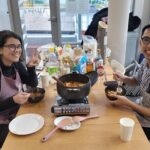
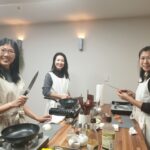
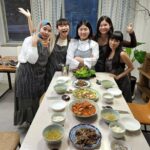
Entering Paul’s Kitchen: Small Group, Real Instructions
This is a hands-on cooking class, not a lecture. You meet at the subway station, then you head to Paul’s kitchen. Since the group is capped at a small number (maximum 8 travelers is listed, and the class is described as a 6-person maximum), you get more direct guidance than you’d in a huge cooking tour.
Paul’s English is highlighted in the experience feedback, and that matters. When you’re learning something like kimchi seasoning—where small differences in texture and timing change the result—you don’t want to guess. In this class, you’ll get step-by-step direction, with a simple recipe designed for first-timers.
Another detail I appreciate is the culture angle. The class is framed as kimchi lessons while learning about the local region and culture, so you’ll understand what you’re making and why it works. That doesn’t replace cooking skill, but it makes the whole experience feel less like a task and more like learning a local food habit.
The Two-Hour Marination Plan: The Secret Rhythm of Kkakdugi
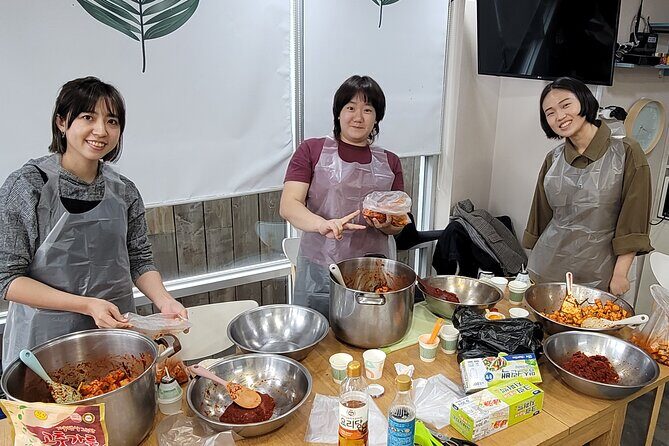
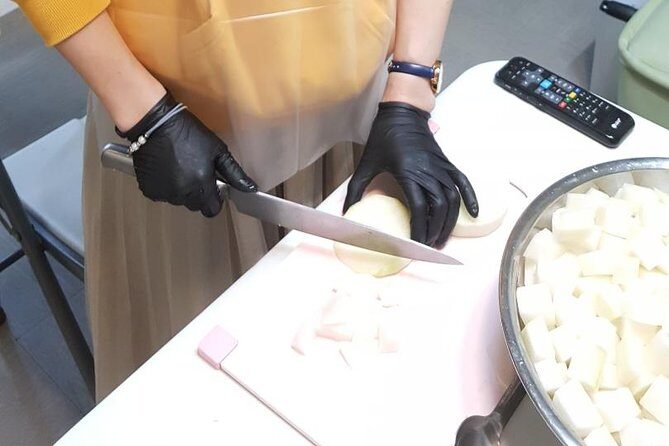
Here’s the part most cooking classes gloss over: proper radish marination. In this workshop, radish gets salted first because it needs about 2 hours to marinate. That timing isn’t random. If you rush this stage, the radish won’t get the right bite and will throw off the final texture.
Practically, the way the class is organized helps you. You’re not sitting around doing nothing for two hours. Instead, the plan is to marinate the radish first, then move on. That keeps the session feeling efficient, even though kimchi has its own patience requirement.
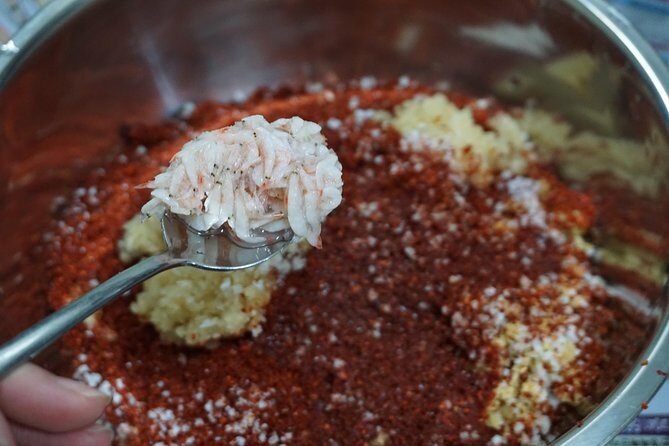
While the radish is marinating, you’ll get the next major piece ready: the seasoning sauce. This is where kkakdugi becomes kimchi you’d actually want to eat again. You’re making a sauce with enough seasoning for the participants, and you’ll also get extra seasoning sauce for next time, which is a nice nod to real-life cooking.
If you’ve ever tried making kimchi at home and ended up with something too salty, too bland, or just weirdly watery, marination is often the culprit. This class teaches you the logic behind the timing instead of treating it like an unexplained step.
Mixing the Seasoning Sauce Without the Fire Alarm
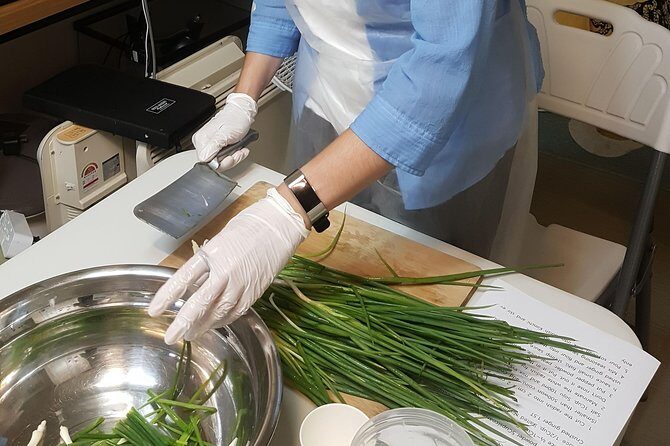
After the radish is salted and ready, you move into the seasoning sauce stage. The class has you making the seasoning for radish kimchi and then assembling the kkakdugi so it’s properly coated.
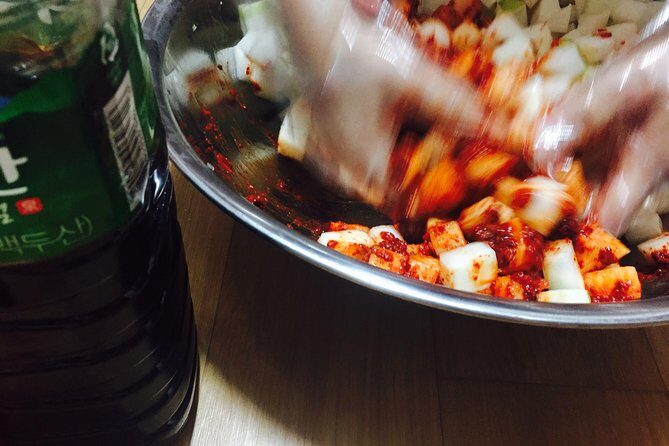
Spice is part of kimchi, but you’re not forced into a one-size-fits-all heat level. In one of the feedback notes, the chili paste intensity was discussed, and the participants used the approach of halving it rather than going full strength. That’s smart advice to keep in mind for your own batch, because different chilies and different spice preferences can shift the final heat a lot.
You’ll also be working with the idea that seasoning matters for more than taste. It’s what helps the kimchi cling to the radish and what shapes fermentation flavor down the line. Paul’s instruction keeps it simple, with a “you can recreate this later” focus rather than complicated techniques that only advanced cooks can repeat.
Making It Yours: Hands-On Kkakdugi Assembly
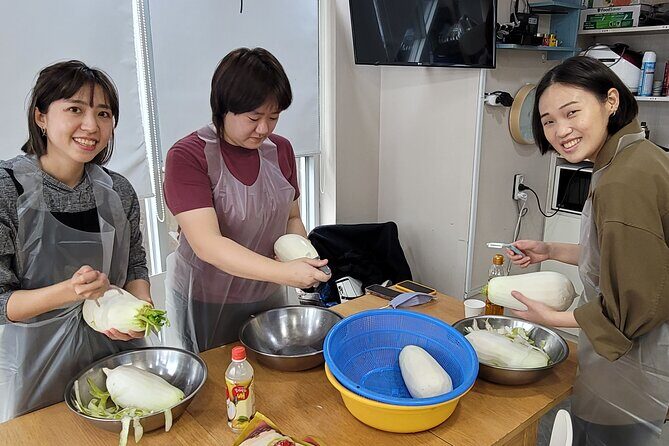
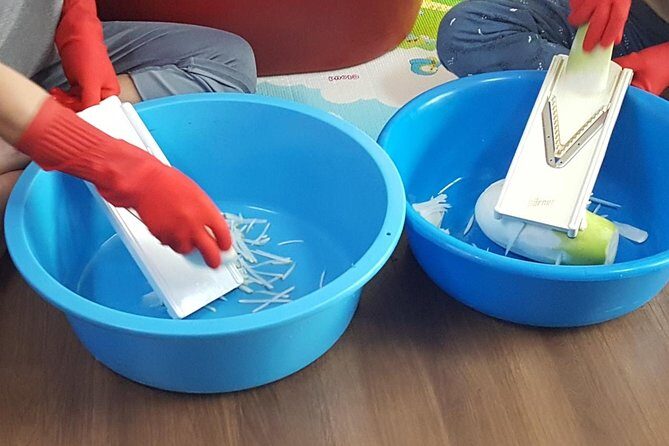
Once the radish is marinated, you’ll actually make the radish kimchi. This is the payoff moment: the hands-on stage where you move from instructions to doing it.
Expect to:
- assemble the salted radish with the seasoning sauce
- coat it in a way that makes sense for storage
- participate in the process rather than just watching
One thing I liked about the approach is that the class provides enough structure for beginners, without treating you like a child in a cooking show. You get guidance, then you do the work. That’s what makes it feel like you learned something you can bring home.
Because this is a small group, you’ll likely get personal nudges as you work. If you’re unsure about texture, coating, or timing, this is the type of class where you can ask questions and get an immediate answer.
A few more Busan tours and experiences worth a look

Lunch During the Wait: Korean Chinese Comfort Food
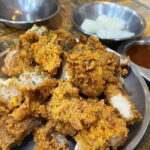
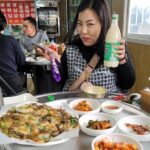
There’s a break built into the schedule, and that’s where lunch happens. You’ll enjoy lunch at a Korean Chinese restaurant while the timing of the process makes sense.
This is more than just a meal stop. It helps you reset your brain in the middle of cooking work, especially since kimchi has that waiting element. Coffee and/or tea are also included, which is a practical touch—after hands-on prep, you’ll appreciate something warm.
The lunch is part of the value here. Many cooking classes offer a light snack or a vending machine wrapper situation. This one includes lunch as a planned component, so you don’t have to worry about finding food close by while you’re in the middle of a scheduled activity.
Take-Home Container: Your Portion of Busan
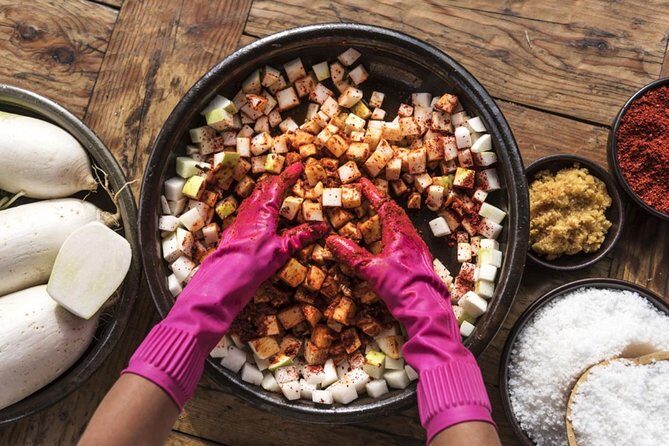
You’ll get radish kimchi to take home, along with a plastic food container. That detail is more important than it sounds. When a cooking class includes a container, you can pack up right away, keep your kimchi fresh, and avoid that awkward question of how you’re going to store fermented food in your bag.
Also, the class structure is built around giving you something you can actually use. You’re not leaving empty-handed after just tasting. You’ll leave with your own portion of kkakdugi and seasoning guidance that helps you recreate it later.
If you’re traveling, this is a thoughtful gift to yourself. Fermented food travels better than fragile pastries, and it’s memorable because it continues changing after you get home.
Beach Photo Stop After Cooking: The Pretty Finish
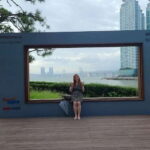
After the main cooking session, Paul takes you to a nearby beach for photographs. It’s a nice finishing touch because it turns a kitchen workshop into a full Busan moment: food, learning, then a scenic stop.
Keep in mind the activity requires good weather. If it’s canceled due to poor weather, you’ll either be offered a different date or a full refund. Since the beach step is part of the experience, this weather note matters for your planning.
Pack your camera or phone and wear something comfortable for quick walking. You don’t need a photo session extravaganza—this is more about capturing that end-of-class feeling with the sea in the background.
Price and Value: Is $100 Worth It?
The price is $100.00 per person for an experience that runs around 3 hours 30 minutes. On paper, that might look steep compared to a basic cooking lesson. But the value is in what’s included and what you can take home.
Here’s what you’re getting:
- hands-on kkakdugi making (not just tasting)
- coffee and/or tea
- lunch at a Korean Chinese restaurant
- radish kimchi to take home
- a plastic container for storage
- small-group instruction with culture context
- a photo stop at a nearby beach after class
You’re also getting planning help built into the workshop. Radish needs about 2 hours to marinate, and the class handles that timing so you don’t sit around. Plus, the seasoning sauce is made with extra in mind for future use.
One extra practical point: it’s listed as booked about 14 days in advance on average, which suggests popular dates can fill up. If you’re aiming for a specific day, book early rather than gambling.
Who This Kkakdugi Class Fits Best
This is ideal if you:
- want a hands-on Korean cooking experience in Busan
- love learning food through process, not just end results
- prefer small groups where you can ask questions
- want something you can reproduce at home with a simple recipe
- like the idea of taking home fermented food in a container
It’s also a good fit for solo travelers who don’t want a “big group bus” vibe. Since the group size is capped and the instruction is active, you’ll feel included.
If you’re the type who wants to shop at a market as part of the experience, note that a local market tour is not included. You may want to add a market stop elsewhere during your day.
Should You Book This Kkakdugi Class in Busan?
I’d book it if your goal is straightforward: learn how to make kkakdugi with real steps, eat lunch that’s built into the schedule, and leave with your own jar/portion to enjoy later. The small-group format and the focus on a simple, repeatable process make it especially worth it if you’re a first-timer.
Skip it (or plan something extra) if you specifically want a market tour component, because this class doesn’t include that. Also, if your schedule is extremely inflexible and weather is a concern, choose dates with a bit of flexibility, since the experience is listed as weather-dependent.
If you want a food lesson that feels local, organized, and genuinely useful for your future kitchen, this one does the job.
FAQ
How long is the Busan kkakdugi class?
The class lasts about 3 hours 30 minutes.
Where do I meet for the activity?
You start at Seomyeon 지하 730 Jungang-daero, Busanjin District, Busan, South Korea.
How big is the group?
The experience lists a maximum of 8 travelers, and the class is also described as a 6-person maximum group for a friendly small-group environment.
Is a market tour included?
No. The local market tour is not included.
What food is included?
Coffee and/or tea are included, and lunch is included at a Korean Chinese restaurant.
Will I get kimchi to take home?
Yes. You’ll make radish kimchi and receive it with a plastic food container.
Is there a photo stop during the experience?
Yes. After the class, the instructor takes visitors to a nearby beach for photographs.
What if the weather is bad?
The experience requires good weather. If it’s canceled due to poor weather, you’ll be offered a different date or a full refund.
What is the cancellation policy?
This experience is non-refundable and cannot be changed for any reason.