REVIEW · BUSAN
Busan Seafood Tour : Oyster village Tour with Oyster cuisines
Book on Viator →Operated by Dorawayo experience activity · Bookable on Viator
Oysters, tools, and a winter island walk. This is a Busan seafood outing that goes beyond eating: you ride out to a nearby oyster-producing village, then you see the farming setup and watch workers shuck oysters up close, with guides like Su Yang helping you understand what you’re looking at. I especially love the way the tour pairs a village walk with fresh oyster dishes that actually taste like they belong there, not like a generic tourist meal.
One thing to plan for: it runs in the cold season (November to February), and you’ll spend time walking outside by the water. If you’re not a fan of oysters—or you get cold easily—this might feel more like a “sea-air education” day than a lazy food tour.
In This Review
- Key highlights worth your time
- Getting to Hadan and out to the island village
- The oyster village walk: what you’re really there to see
- Watching oyster shucking up close (and asking better questions)
- Lunch at the oyster restaurant: what’s included and how it works
- The food-culture lesson: Korean food and drinking etiquette
- Price and value: is $180 a good deal for 4 hours?
- Timing and winter reality: November to February planning
- Who should book this oyster village tour
- Should you book the Busan oyster village tour?
- FAQ
- What time does the tour start and end?
- How long is the tour?
- How much does it cost?
- What’s included in lunch?
- Does the tour include drinks or alcohol?
- Where do I meet the tour?
- When is the tour available?
- What’s the group size limit?
- FAQ
- Is the tour affected by weather?
- Can I cancel for a full refund?
Key highlights worth your time
- Oyster-farm village walk in the suburbs of Busan, with photo stops that make the farming real
- Watching oyster shucking and seeing the tools used to farm oysters
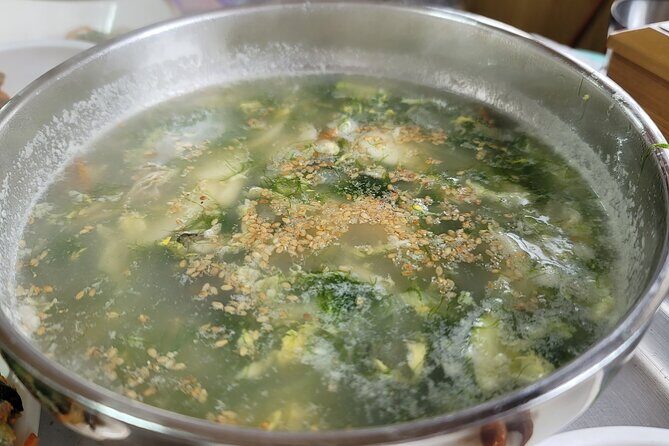
- Oyster lunch included, centered on oyster soup with rice and oyster pancake
- Small group size (max 15), so your questions don’t get lost
- Food + culture explanation during the meal, including Korean food and drinking culture
- Famous local oyster restaurant stop, with time to eat before you head back
Getting to Hadan and out to the island village
This tour is built around one simple start point: Hadan Station. You meet at Exit 3 on Line 1 (station number 102) at 10:00, and the whole experience runs about 4 hours total. The day is paced so you’re not stuck in transit for most of it—you get a real chunk of time at the oyster village before lunch and the return ride.
Transportation is part of the value. You get round-trip bus fare from Hadan to the destination area, and you’ll ride a city bus to an island village near Busan. If your schedule is hectic or you just want things to feel smooth, this setup helps you focus on the day instead of figuring out routes.
One practical note: pickup is listed as offered. If that matters to you, confirm how it works when you book. Either way, the meeting point is close to public transit, so you’re not dependent on a taxi.
Finally, plan your comfort level. The tour requests moderate physical fitness. You’re not doing anything extreme, but you are walking around a village near the water, and winter weather can make surfaces feel slick or chilly.
You can also read our reviews of more tours and experiences in Busan.



The oyster village walk: what you’re really there to see
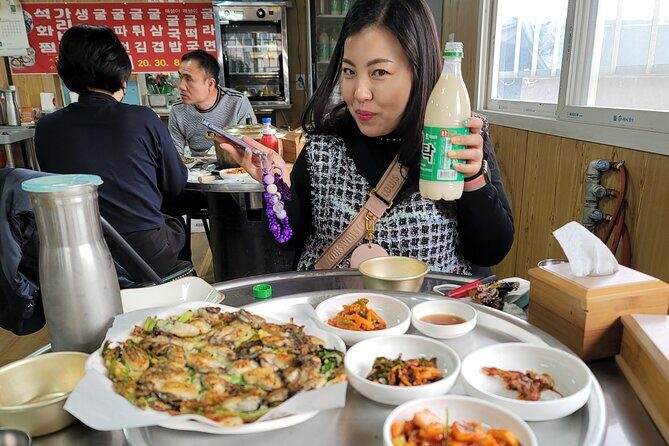
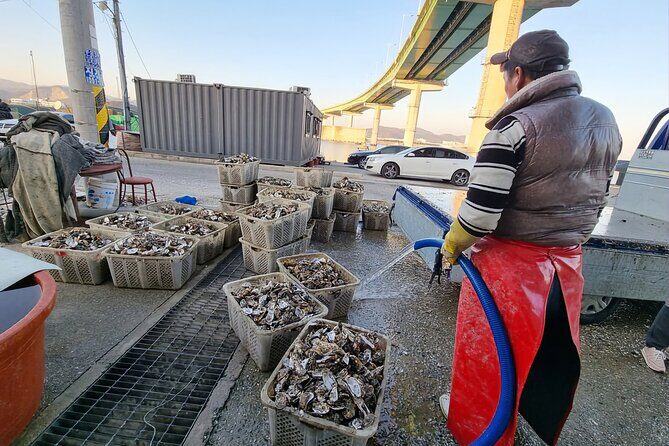
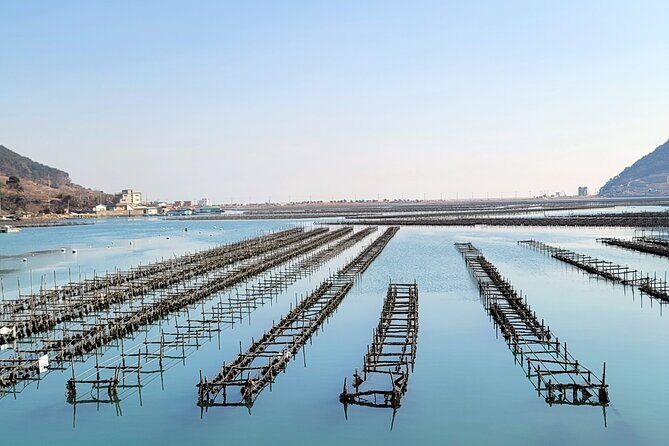
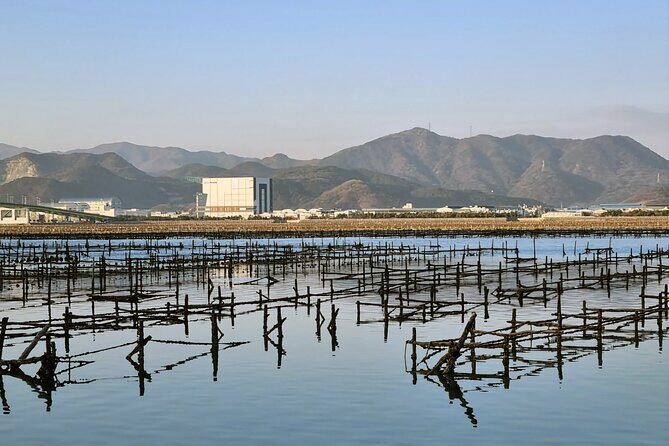
The best part of this trip is the contrast. You’ll start with a city-bus ride, then arrive somewhere that feels made for oyster farming—quiet village streets, working setups, and the sense that people here do this every day. When you look around, you’re not just seeing scenery. You’re spotting the tools used for oyster farming and learning what each part is for.
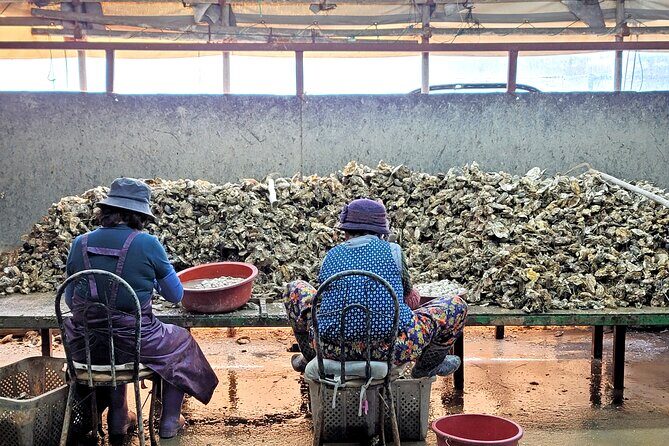
This is also where the tour earns its “why” question. A lot of food experiences stop at the plate. Here, you get the background first, so the lunch makes more sense. You’ll see workers doing oyster shucking, which turns oysters from a menu item into a craft you can picture.
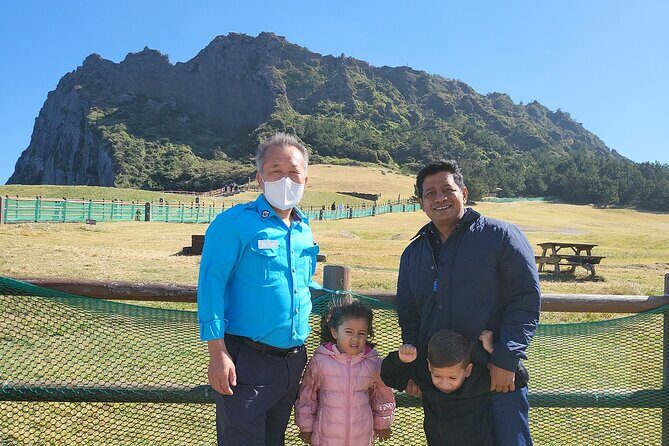
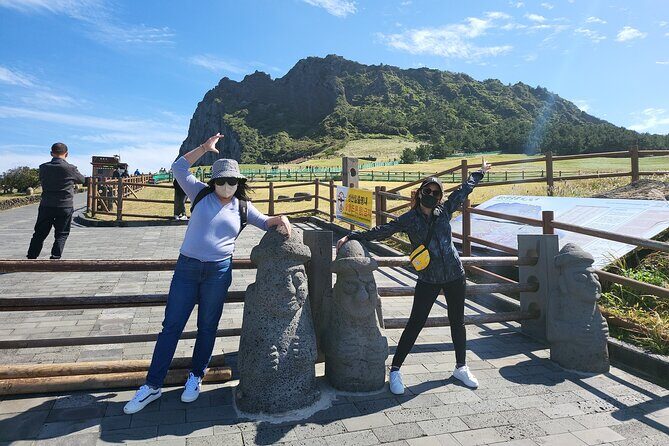
I love that the time is structured for pictures too. It’s not a rushed stop-and-snap-only situation. You get a walk through the village area where oyster production is part of daily life, which makes it easier to remember Busan beyond beaches and seafood stalls.
Watching oyster shucking up close (and asking better questions)
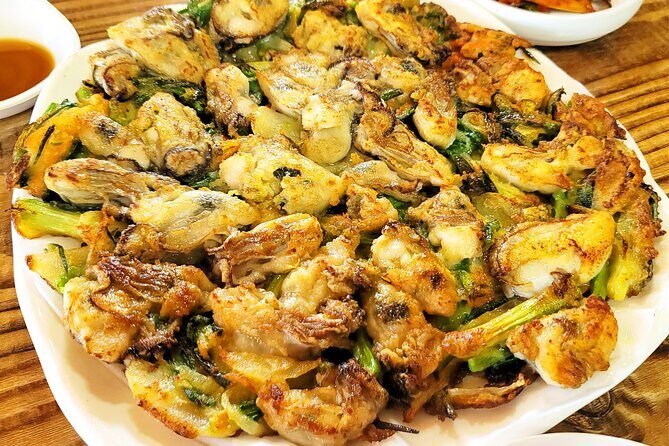
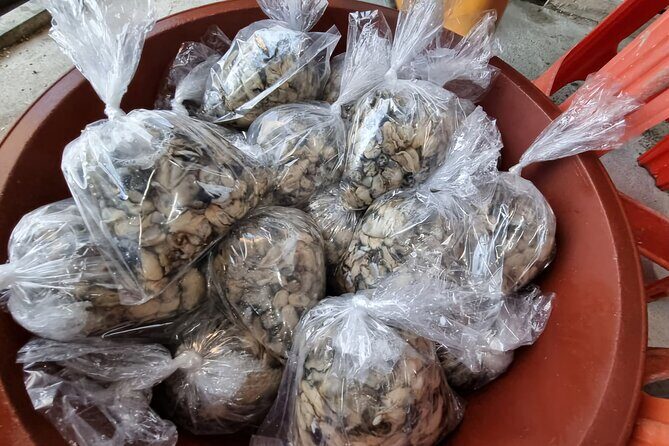
Seeing oyster shucking isn’t just entertaining. It gives you context for why oysters can taste different depending on how fresh they are and how they’re handled. As you watch, you’ll also notice the tools tied to farming, not just the final product.
Guides bring the missing pieces. In the tour experience, guides like Su Yang are described as professional and attentive, and you’ll hear explanations while you’re looking at the working areas. Another guide mentioned in this kind of tour setting is Mr Chang, and the common thread is clear: you’re not left guessing.
If you want to get more out of the walk, use this time to ask simple questions:
- What part of the farming setup matters most for oyster quality?
- What should you notice in oyster preparation for freshness?
- How does local food culture affect how oysters are served?
You don’t need to be a seafood expert. The tour is set up so that even first-timers can connect the farming process to the meal.
Lunch at the oyster restaurant: what’s included and how it works
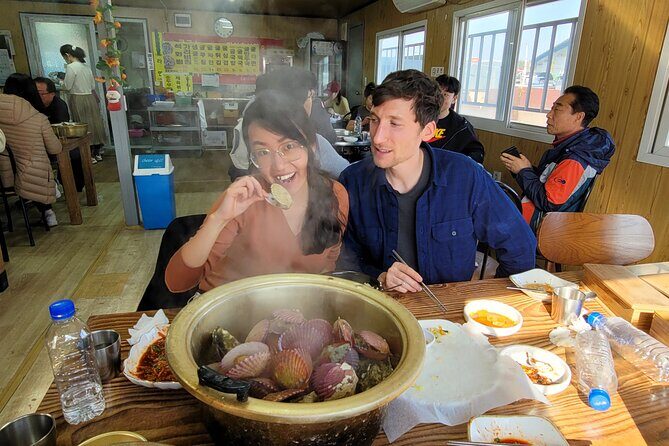
Lunch is where the day cashes its checks. You’ll arrive around 11:30, with lunch starting at about 12:00. The meal is served at a restaurant near the fishing village with an oyster theme, so you’re eating in the same setting you just walked through.
The included lunch items are specific:
- Oyster soup with rice
- Oyster pancake
That’s a solid base, and it’s exactly the kind of meal you want after a village walk. Soup warms you up, rice is comforting, and pancake is the easy way to sample oyster flavor in a different texture.
Also, it’s worth knowing this restaurant can be busy. In one account of this experience, the group waited about 30 minutes for a turn. So if you’re the type who hates waiting, keep a flexible mindset. The good news: you’re already traveling in a schedule that has return timing later, so this doesn’t derail the whole day—just plan for a short sit-and-wait.
Alcohol is where you’ll need to manage expectations. It’s not included. If you want drinks, bring cash or be ready to pay at the restaurant. The guide may talk about drinking culture, but the tour meal itself is built around food.
The food-culture lesson: Korean food and drinking etiquette
One of the most useful parts of this tour happens while you eat. The guide explains aspects of Korean food culture and drinking culture during the meal. Even if you’ve visited Korea before, this kind of context can change how you interpret what you see in restaurants back home.
Think of it this way: oysters are the headline, but the tour is also teaching you the “how” and “why” of dining. Korean meals often involve sharing and rhythm—when you start eating, how you pace dishes, and how drinks fit into conversation. Getting even a basic explanation helps you feel less like a passive observer and more like you belong at the table.
And because this is a seafood-focused setting, the discussion also reinforces freshness and preparation. You’ll understand why certain oyster dishes are served the way they are, not just what they taste like.






Price and value: is $180 a good deal for 4 hours?
At $180 per person, you’re paying for a package, not just a meal. That matters, because this tour includes:
- Round-trip transportation from Hadan Station to the oyster village area
- Lunch (oyster soup with rice + oyster pancake)
- A guided experience centered on the village and oyster farming sights
- A small group structure (max 15 travelers)
For a food-only outing, $180 would be steep. For a half-day tour that includes transport and a structured cultural stop, it starts to look more reasonable—especially since it’s not “just lunch.” You’re getting the oyster village walk and the farming observations, plus guidance that helps you connect food to local practice.
Where the math can feel tight is if you’re mainly coming for a quick meal and nothing else. In that case, you might do better with a regular restaurant stop. But if you enjoy understanding how ingredients get to your plate, this format makes more sense.
Also remember what’s not included: alcohol. If you drink heavily, your total cost will rise. If you just want a single drink or none, you’ll keep the cost closer to what you expect.
Timing and winter reality: November to February planning
This tour operates from November to February, for a total of four months. That season choice is important. Oysters are the theme, so the timing fits the farming and the local schedule. But it also means you should treat the outing like a winter outdoor walk with a meal payoff.
Dress for wind and cold, especially around the water areas. Bring layers you can move in. And if you’re someone who gets uncomfortable quickly in chilly weather, this is still doable—just be strategic with clothing.
Weather matters too. The experience requires good weather. If it’s canceled because conditions are poor, you’ll be offered a different date or a full refund. That’s a big deal because it protects your payment if the day can’t operate.
Who should book this oyster village tour
This trip fits best if you:
- Love seafood and want oysters in the context of how they’re raised
- Prefer small-group tours over big bus crowds
- Want an experience that mixes food with simple cultural explanations
- Are visiting Busan and want something beyond the usual harbor-and-market loop
It’s also a strong choice for first-timers who want to see a different side of Busan—the port city angle is real, but the oyster farm side is what makes this day feel distinct.
If you don’t eat oysters, or if you’re very sensitive to the idea of oyster-focused meals, think carefully before booking. The lunch is explicitly oyster-based, and the restaurant stop is centered on oysters.
Should you book the Busan oyster village tour?
I’d book it if you want a half-day that actually teaches you something. The value isn’t only in the included lunch—it’s in the village walk, the working-farm atmosphere, and the chance to see shucking and farming tools while a guide explains what you’re looking at (with guides such as Su Yang and Mr Chang showing up in the tour experience).
I wouldn’t book it if you’re hunting for a warm, slow, sit-down day, or if oysters aren’t your thing. The tour runs in colder months and involves time outside.
If you want a memorable Busan food experience that feels rooted in place, this is one of the better ways to do it.
FAQ
What time does the tour start and end?
You meet at 10:00 at Hadan Station Exit 3 and return so the tour ends around 14:30 back at the meeting point.
How long is the tour?
The duration is about 4 hours (approximately).
How much does it cost?
The price is $180.00 per person.
What’s included in lunch?
Lunch includes oyster soup and rice and oyster pancake.
Does the tour include drinks or alcohol?
No. Alcoholic beverages are not included.
Where do I meet the tour?
The meeting point is Hadan Station, Exit 3 (Line 1 / station number 102).
When is the tour available?
This tour is available from November to February.
What’s the group size limit?
The tour has a maximum of 15 travelers.
FAQ
Is the tour affected by weather?
Yes. The experience requires good weather. If it’s canceled due to poor weather, you’ll be offered a different date or a full refund.
Can I cancel for a full refund?
Yes, you can cancel for a full refund if you cancel at least 24 hours before the experience starts.