REVIEW · BUSAN
Gyeongju UNESCO World Heritage Guided Day Tour from Busan
Book on Viator →Operated by TOURSTORY · Bookable on Viator
Gyeongju turns into a greatest-hits day. I love the UNESCO-focused route that hits Silla-era landmarks without you needing to plan transfers, and I love that major entrance fees are included on the UNESCO itinerary. The main drawback is simple: it’s a long day with lots of time outdoors and on foot, so you’ll want sturdy shoes and weather-proof layers.
You’ll also appreciate the practical setup. Expect round-trip coaching from central Busan in an air-conditioned vehicle, guided in English (plus Chinese and Korean support), with a group capped at 43 and a mobile ticket you can keep on your phone.
In This Review
- Key things to know before you go
- Two routes in one tour: UNESCO highlights vs museum day
- Busan logistics: the ride time is real, so plan for it
- UNESCO tour walkthrough: Bulguksa, Yangdong Village, royal tombs, bridge, and Wolji
- Bulguksa Temple (about 1 hour 10 minutes)
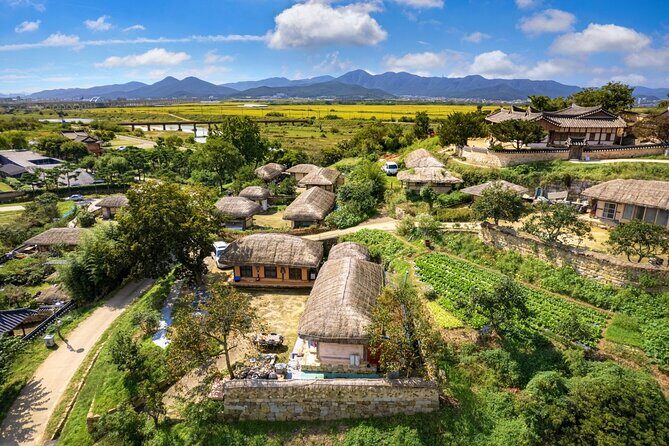
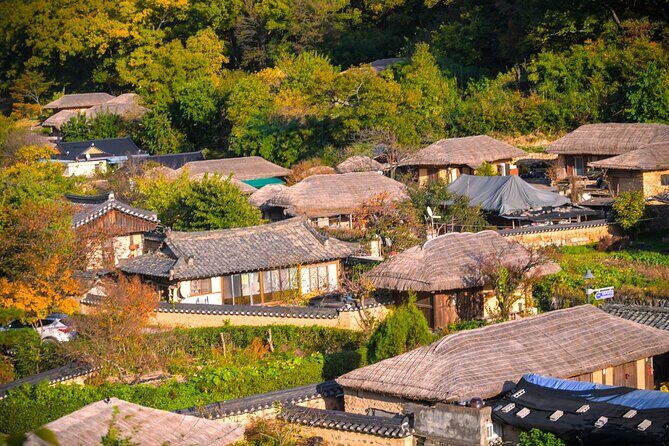
- Yangdong Folk Village (about 2 hours 15 minutes)
- Daereungwon Tomb Complex (about 45 minutes)
- Hwangnidan-gil Street (about 45 minutes, free time)
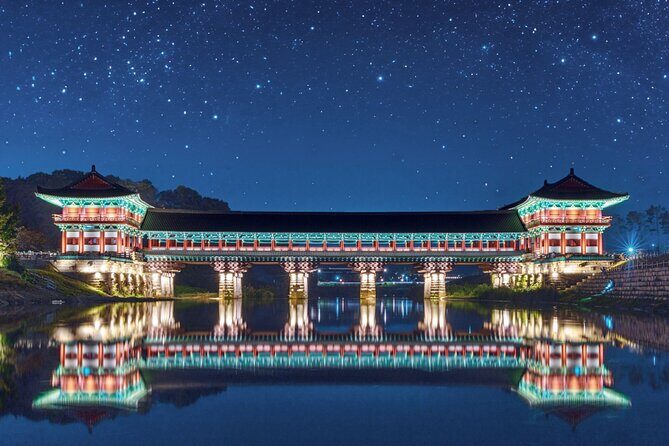
- Woljeonggyo Bridge (about 20 minutes)
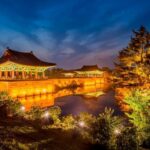
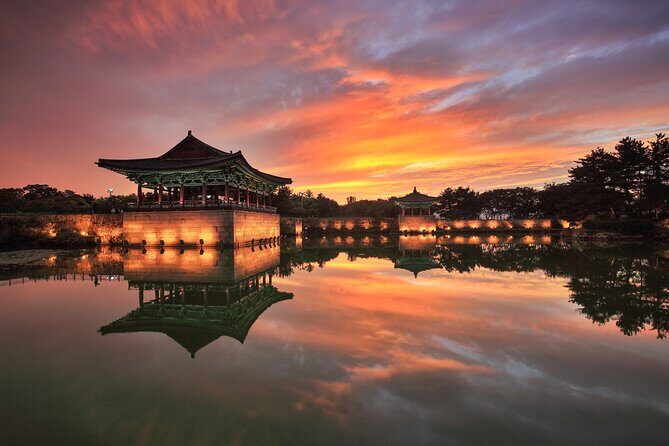
- Donggung Palace and Wolji Pond (about 1 hour)
- Museum tour walkthrough: Bulguksa, Hwangnidan-gil, and Gyeongju National Museum
- Outdoor time, food breaks, and how to avoid a cranky finish
- Guides make the difference: names you might meet and why it matters
- Price and value: what you’re really paying for
- Who this day trip suits best (and who should reconsider)
- Should you book Gyeongju from Busan?
- FAQ
- How long is the Gyeongju UNESCO guided day tour from Busan?
- Where does the tour start in Busan?
- What are the two tour options?
- Are entrance fees included?
- What languages are spoken by the guide?
- Do I get a mobile ticket?
- Are meals included in the price?
- Can I cancel and get a full refund?
Key things to know before you go
- Two tour styles: a UNESCO route with village, tombs, bridge, and Wolji Pond, or a museum-skewed route.
- Entrance fees included on key UNESCO stops like Yangdong Village and Donggung & Wolji.
- Air-conditioned transport from central Busan, so your day isn’t spent wrestling with transit.
- Big photo moments: Woljeonggyo Bridge and Donggung & Wolji are timed for better views later in the day.
- Group size up to 43: efficient, but you’ll still share time and space with a full bus.
- Season and daylight matter: much of the sightseeing is outside, so dress for cold wind or summer sun.
Two routes in one tour: UNESCO highlights vs museum day
This trip is built around the same idea—see Gyeongju’s UNESCO sights—but you choose the flavor. Pick the UNESCO tour if you want the classic “Silla world” experience: Bulguksa Temple plus the traditional village and royal tomb landscape. Choose the Museum tour if you’d rather spend less time on the broader outdoor complex feel and more with indoor interpretation at the national museum.
The UNESCO itinerary is the longer, more outdoorsy day. It layers in Yangdong Folk Village, the Daereungwon Tomb Complex, and then finishes with Donggung Palace and Wolji Pond. Entrance fees are included for the stops that need them on that route (including Yangdong Village and Donggung & Wolji), which is a big value win versus piecing tickets together yourself.
The museum route swaps out the later tombs/village/pond emphasis for a different mix: Bulguksa, Hwangnidan-gil Street, and the Gyeongju National Museum. If you’re traveling with someone who doesn’t love hill walking or wants clearer indoor context, this option can feel more relaxed even though the trip length still runs about 10 to 12 hours.
You can also read our reviews of more guided tours in Busan
Busan logistics: the ride time is real, so plan for it
The tour runs roughly 10 to 12 hours, and you should treat it like a full workday away from Busan—not a quick “pop over” trip. Pickup is from central Busan, and you’ll be on an air-conditioned coach or minivan for the round-trip travel.
The schedule can shift due to traffic and weather, which is common on day trips that depend on highway flow and outdoor walking time. Since much of the sightseeing is outside, I’d plan on the day feeling long if you’re arriving with jet lag, cold legs, or low stamina.
One smart practical point: this is a mobile-ticket experience, so make sure your phone battery is happy. Bring a power bank if you’re the type who takes nonstop photos, since you’ll likely be checking your ticket and meeting points throughout the day.
UNESCO tour walkthrough: Bulguksa, Yangdong Village, royal tombs, bridge, and Wolji
Bulguksa Temple (about 1 hour 10 minutes)
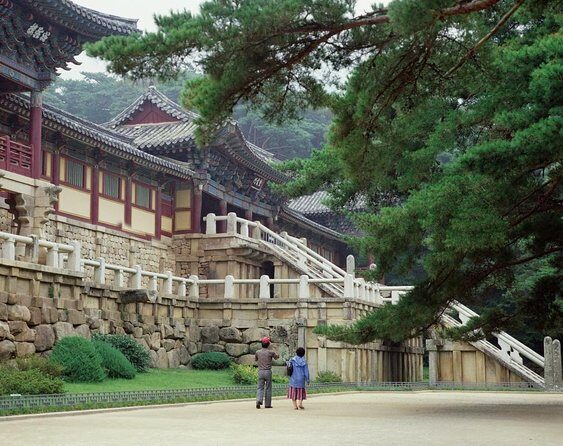
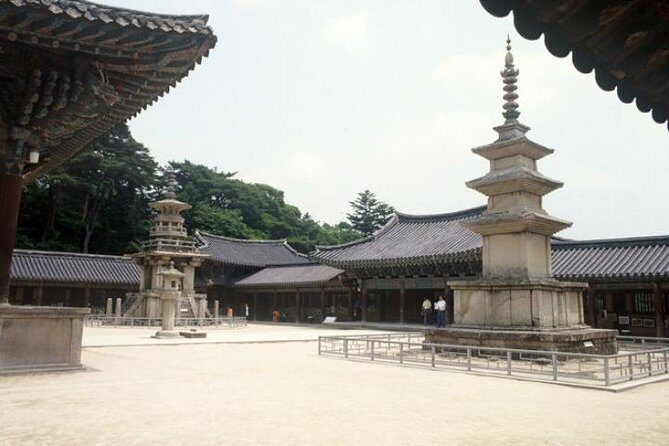
Bulguksa is where the Silla story becomes physical. Even if you’ve visited temples in other parts of Korea, Bulguksa’s layered architecture and “you’re standing in the footsteps of centuries” feeling is a reason this stop is part of both tour options.
Expect a guided experience that helps you connect what you see with what it meant in the Silla era. The admission ticket for this stop is included, so you don’t need to juggle additional costs here.
Yangdong Folk Village (about 2 hours 15 minutes)
Yangdong Village is the biggest UNESCO village moment on the UNESCO route. You’re looking at a large, well-preserved traditional village set among mountains, and the guide’s context helps turn what could look like old buildings into a picture of how people lived and organized their world.
This stop is also where a lot of your time is. Since it’s outdoors, bring a layer and something for wind. The village admission fee is included on this itinerary.
You can also read our reviews of more historical tours in Busan
Daereungwon Tomb Complex (about 45 minutes)
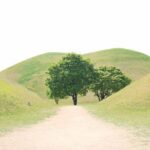
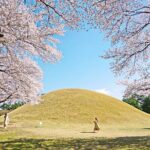
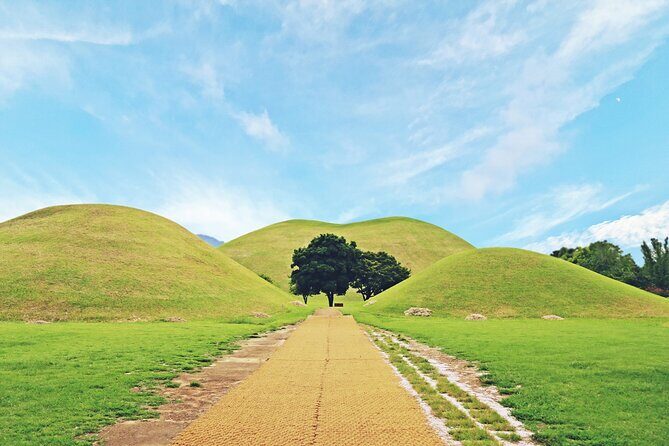
Then you move into the royal-tombs landscape at Daereungwon, sometimes called the Park of Royal Tombs. It contains 23 tombs built during the Silla Dynasty. The short time here means you’ll want to listen closely early, so you know which tombs and features are worth your attention before the group moves on.
The Daereungwon stop is paired with included ticketing details on the UNESCO option (including the Cheonmachong Tomb ticket). That’s helpful, because it keeps the “important stuff” from becoming an extra line-item cost later.
Hwangnidan-gil Street (about 45 minutes, free time)
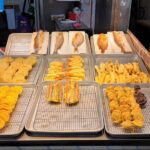
Right next to the tomb area is Hwangnidan-gil Street. This is your break from pure history mode and a chance to try street food, hanok-style cafés, or just snack your way through the afternoon.
This time is good for photos too—especially if you like that mix of old-town texture and modern food spots. Admission here is free, so this segment is mostly about walking at your pace inside the group schedule.
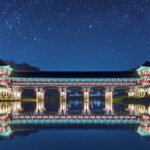
Woljeonggyo Bridge (about 20 minutes)
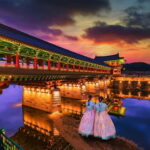
Woljeonggyo Bridge is one of those stops where the time looks short on paper but pays off in the photo category. The guide frames it with context about ancient engineering and how the bridge fits into the area’s design.
Even with just about 20 minutes, you’ll get a decent chance to capture the structure without feeling rushed into a sprint.
Donggung Palace and Wolji Pond (about 1 hour)
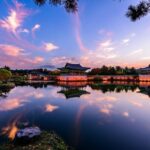
This is the emotional finish for many people: Donggung Palace and Wolji Pond. The area traces back to a palace complex concept from 674, and Wolji Pond is famous for its historical setting.
Since admission is included on the UNESCO tour for this stop, you won’t lose time figuring out entry. It’s also a favorite moment for later-day atmosphere, and your guide will usually point you toward good photo angles.
Museum tour walkthrough: Bulguksa, Hwangnidan-gil, and Gyeongju National Museum
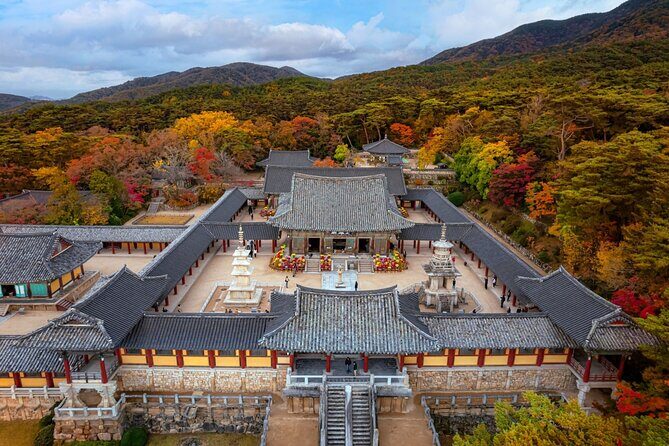
If you choose the museum route, you still start with Bulguksa. That gives you the iconic temple anchor, with admission included on the itinerary.
From there, you spend time on Hwangnidan-gil Street near Daereungwon. In practice, this is a flexible pocket of time: grab a snack, wander for a bit, and let your group catch its rhythm before the museum portion.
The day’s cultural center then becomes the Gyeongju National Museum (about 1 hour). This is where you see artifacts tied to the Silla Kingdom—items like golden crowns and Buddhist relics are specifically mentioned as part of what the museum houses. If you like having labels, displays, and guided explanation in one indoor place, this option can feel more “coherent” than bouncing between multiple outdoor sites.
Outdoor time, food breaks, and how to avoid a cranky finish
Let’s talk comfort. One theme that shows up fast on this kind of day trip: you spend real time outdoors—temple grounds, villages, tomb areas, and bridge/pond scenery. Dress accordingly. I’d plan for wind and temperature swings, even if Busan seems mild when you leave.
Footwear matters more than you think. It’s not just flat walking. You’ll be moving between sites, and some stops involve hills or longer strolls than you’d expect from the stop times alone.
Food is the other variable. Meals are listed as not included, but your itinerary includes breaks where you can eat. On Hwangnidan-gil Street you’ll have the street-snack vibe. At Yangdong Village (UNESCO route), your lunch situation can depend on what’s available on-site or nearby. If you’re picky, have dietary needs, or want to stay in control, consider bringing snacks you like and plan to buy lunch rather than assuming it’s solved for you.
A couple practical tips:
- Bring water even if you think you’ll find it. Outdoor stops can stretch.
- If you’re vegetarian, the museum route may be easier because it’s more “indoor museum + street food browsing,” but you still need to pick carefully at street stalls and cafés.
Guides make the difference: names you might meet and why it matters
This tour is strongly guided, and the guide style can change how fast the day flies. English-speaking guides you might see include Lucy, Irene, Bobby Kim, Vincent, Lee, Charles, Bryan, and Roy. There are also Mandarin-speaking guides on many departures, such as Lan (paired in one reported group).
What good guiding looks like on this route is not just facts. It’s timing: keeping people together, helping you understand why each stop matters, and giving you photo directions so you’re not guessing where the best angle is.
If you care about group energy, note that the tour runs as a big bus day. Some guides do more group-building than others, and that can affect how social the experience feels. Either way, you’ll likely get better results if you take the first 10 minutes to introduce yourself and learn where your meeting point cues come from.
One more logistics note from the field: a participant flagged that you may need WhatsApp and a Google account to fully participate. It’s not listed as a general requirement in the tour facts, but it’s worth having those apps ready to reduce stress.
Price and value: what you’re really paying for
At $57.14 per person, this isn’t a cheap “bus ride only” deal. You’re paying for three big things:
- Transportation from central Busan in an air-conditioned vehicle
- Guided interpretation (English, plus Chinese and Korean support depending on your group)
- Entrance fees included on the UNESCO itinerary for key sites like Yangdong Village and Donggung & Wolji (and admission is included for Bulguksa as listed)
That entrance-fee coverage is where you start to feel the value. If you tried to recreate this solo with multiple UNESCO-flagged stops, tickets plus transit time would add up quickly and you’d spend more of your day figuring things out than learning what to look for.
The tradeoff: it’s a scheduled day, so you can’t fully slow down at your favorite spot. It’s built for moving and seeing. If your ideal travel day is long lingering and zero timers, you might feel a bit rushed in the busiest segments like Bulguksa and the village.
Who this day trip suits best (and who should reconsider)
This tour fits best if you want:
- A guided UNESCO day trip without hassle from central Busan
- A choice between UNESCO highlights (village + tombs + pond) and a more museum-centered day
- Clear, stop-by-stop structure with included entry for multiple sites on the UNESCO option
It can be less ideal if:
- You strongly dislike long day trips or you tire easily from outdoor walking
- You expect meals to be handled end-to-end (they’re not listed as included)
- You’re traveling with very tight timing needs and can’t afford schedule shifts from traffic or weather
Also, if you’re traveling with someone who needs frequent breaks, consider the museum tour. More of it can be easier pacing because the museum time naturally provides a steadier indoor rhythm.
Should you book Gyeongju from Busan?
Book this tour if you want a high-efficiency UNESCO day where someone else handles routing, tickets (for the key sites), and the story behind what you’re seeing. I’d especially recommend the UNESCO route if you want the full set: Bulguksa plus Yangdong Village, Silla tombs, and the Wolji Pond area.
Skip or reconsider if you hate crowds, dislike outdoor time, or you’re hoping to spend lots of solo time at each location. The value is best when you’re comfortable with a structured schedule and you’re ready for a long day.
If you do book, show up with comfy shoes, a weather-ready layer, and a snack mindset. That way, even if the day feels packed, you’ll still finish with great photos and a clear understanding of why Gyeongju mattered.
FAQ
How long is the Gyeongju UNESCO guided day tour from Busan?
It runs about 10 to 12 hours.
Where does the tour start in Busan?
It includes hassle-free round-trip travel from central Busan.
What are the two tour options?
You can choose between a UNESCO tour (including Bulguksa, Yangdong Village, Daereungwon, Woljeonggyo Bridge, and Donggung & Wolji) or a museum tour (including Bulguksa, Hwangnidan-gil Street, and the Gyeongju National Museum).
Are entrance fees included?
Entrance fees are included on this tour, including Yangdong Village and Donggung & Wolji on the UNESCO option, and Bulguksa admission is also listed as included.
What languages are spoken by the guide?
The guide supports English, Chinese, and Korean speaking.
Do I get a mobile ticket?
Yes, the tour uses a mobile ticket.
Are meals included in the price?
No. Meals are not included.
Can I cancel and get a full refund?
Yes. You can cancel up to 24 hours in advance for a full refund.