REVIEW · BUSAN
From Busan: Echoes of Silla Gyeongju Historical Day Tour
Book on GetYourGuide →Operated by KTOURSTORY · Bookable on GetYourGuide
Gyeongju rewards you after dark. This 12-hour day tour pairs UNESCO Bulguksa Temple with Silla-era sights and then saves the best atmosphere for evening, including photo stops around Donggung Palace and Wolji Pond with guides who know where to stand. I especially like the way the tour keeps the group moving with clear meet-up rhythms, and how guides such as Bobby keep everyone organized and snapping photos without losing the story.
What I like most, though, is the pacing shift: the morning has solid sightseeing, then the mood turns quieter and more magical as the day goes on, ending with Woljeonggyo Bridge under the night sky. One possible drawback is that the schedule can feel a bit rushed at the very beginning, though there’s still enough time later to slow down and actually enjoy each stop.
In This Review
- Key highlights you will feel on the day
- Gyeongju From Busan: the value of a long 12-hour loop
- Meeting points and getting on the bus without stress
- Bulguksa Temple: UNESCO architecture and a calm start
- What can go wrong here
- Gyeongju Gyochon Traditional Village: Silla life you can walk through
- The best way to enjoy it
- Daereungwon tomb complex and Hwangnidan-gil: big scale, then easy wandering
- A smart expectation
- Donggung Palace and Wolji Pond at twilight: the moment the day turns
- What to watch for
- Woljeonggyo Bridge at night: a reconstructed Silla walkway
- Keep it simple
- Price and logistics: what you’re actually paying for
- Who this day trip fits best
- Guide quality makes a real difference on this route
- Weather, timing, and comfort tips for a smoother day
- Should you book the Echoes of Silla Gyeongju day tour from Busan?
- FAQ
- How long is the Busan to Gyeongju historical day tour?
- Where do you get picked up in Busan?
- What does the tour include in the price?
- Are meals included?
- What languages are the guides?
- What’s the easiest thing to bring?
- Is the itinerary guaranteed to run exactly the same way every time?
- Is there a cancellation option if my plans change?
Key highlights you will feel on the day
- Bulguksa Temple first: UNESCO site with guided context and a calm lunch break nearby
- Gyeongju Gyochon Traditional Village: a living-style look at Silla-era daily life
- Daereungwon tomb area + Hwangnidan-gil: big royal tomb scale, then a relaxed street with cafes and artisan shops
- Donggung Palace and Wolji Pond at twilight: reflections and structure views that look best when the light changes
- Woljeonggyo Bridge night photo stop: a reconstructed bridge made for evening strolls and photos
Gyeongju From Busan: the value of a long 12-hour loop
This is one of those day trips where time is the product. You leave Busan, you pack in the major Gyeongju sights, and you come back with photos plus enough context to make the places click. At $60 per person, the value is in the roundtrip bus/coach, admission coverage, and a live guide in English and Chinese (with Korean also available).
Yes, it is a long day. But you’re not just rushing from one ticket line to the next. The route is built to put the most atmospheric stops after sunset, which is exactly when Gyeongju feels most cinematic.
You can also read our reviews of more historical tours in Busan

Meeting points and getting on the bus without stress
Pick-up is set up to be convenient. You can start from KTX Busan Station (Exit 1), Seomyeon Station (Exit 12), or Haeundae Station (Exit 5). The meeting point can vary depending on your booking option, so it’s smart to use the exact instructions you get when you reserve your spot.
One practical win: multiple guides in the experience are described as sending clear info ahead of time, even with meeting-point photos. That matters, because Busan stations can be a maze if you arrive without a plan.
Bulguksa Temple: UNESCO architecture and a calm start
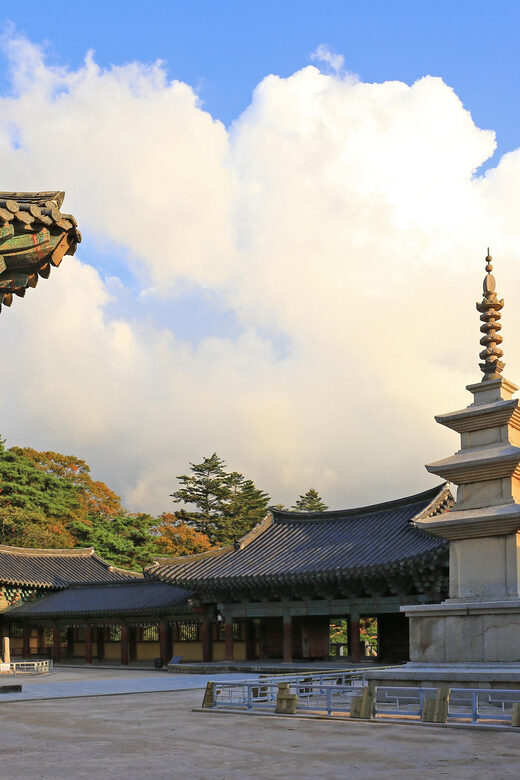
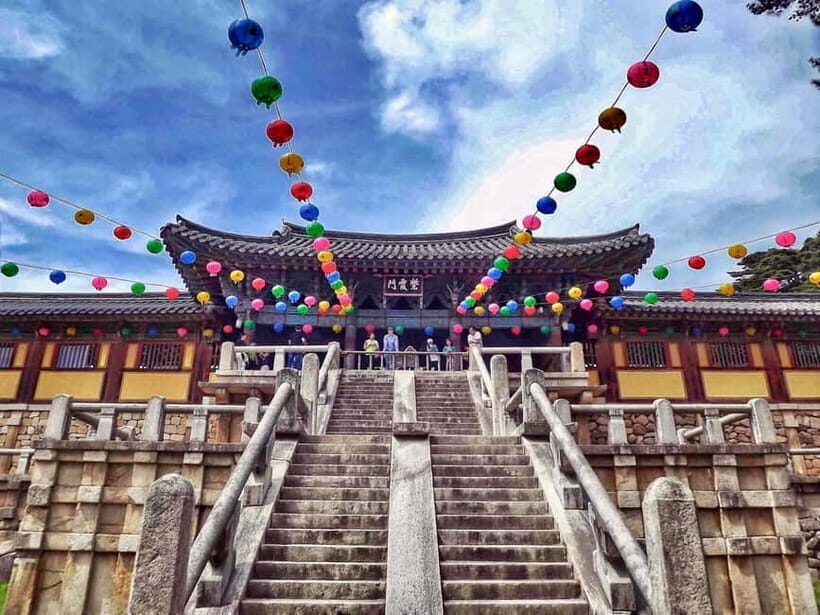
The tour begins at Bulguksa Temple, and you get a guided visit and sightseeing time there. This is the kind of place where structure matters. The temple’s architecture is what people come to see, but the “serene gardens” feeling is part of the draw too, especially if you like gardens with quiet footpaths and less chaos than you might expect in a day trip.
You also get a longer block here, about 80 minutes, and the day description includes lunch time during this temple portion. That’s a good setup. You’re not hungry and sprinting straight into the next stop.
What can go wrong here
Wear comfortable shoes. Temple grounds often involve uneven surfaces and a bit of walking that doesn’t feel like it should add up, but it does. If your feet are the weak link, you’ll feel it more on the later evening stops when you’re still moving for photos.
Gyeongju Gyochon Traditional Village: Silla life you can walk through
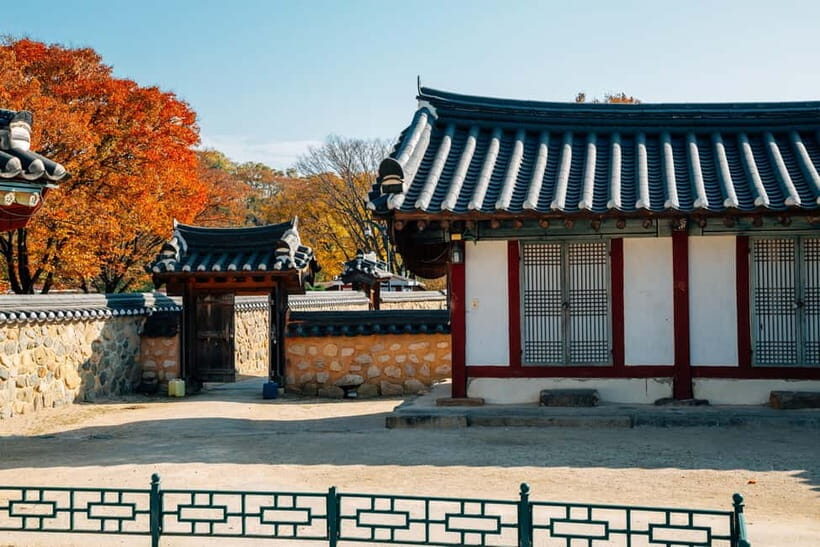
After the temple, you shift into a more human-scale experience at Gyeongju Gyochon Traditional Village. This is presented as a place where customs and lifestyles are preserved, so instead of only seeing monuments, you see how everyday life might have looked in a Silla-era setting.
You get about 100 minutes, which is enough time to wander, pause for a few photos, and still have time to hear what your guide points out. Guides such as Jun-a and Victoria are described as providing detailed historical explanations and even helping with small practical things like finding souvenirs and local cake. That kind of attention makes a traditional village feel less like a checklist stop.


The best way to enjoy it
Treat it like slow walking, not museum mode. Look for small details that make the village feel lived-in, then let the guide connect those details back to the era. You’ll get more from it than if you only chase viewpoints.
Daereungwon tomb complex and Hwangnidan-gil: big scale, then easy wandering
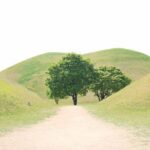
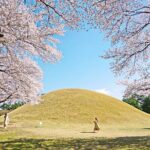
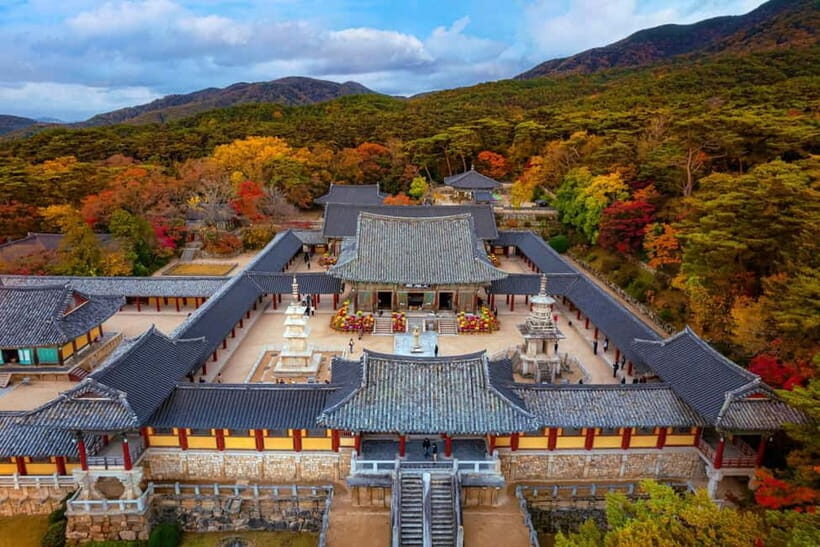
Next up is Daereungwon Tomb Complex, where you’ll see ancient tombs of kings and nobles. This stop is about scale and symbolism. Even if you’re not an expert in Silla royal history, standing near structures meant to last centuries changes how you read the rest of the day. You’re not just looking at buildings; you’re seeing monuments built to project power across generations.
After that, you head to Hwangnidan-gil, a street known for cafes and artisan shops. You get about 50 minutes here, which is the right length for a quick snack, a browse, and a reset without feeling you’re losing time.
A smart expectation
This isn’t a shopping spree. It’s a short, pleasant break so you can keep energy up before the evening section. If you’re hoping for a deep shopping circuit, this portion is more about atmosphere than buying.
Donggung Palace and Wolji Pond at twilight: the moment the day turns
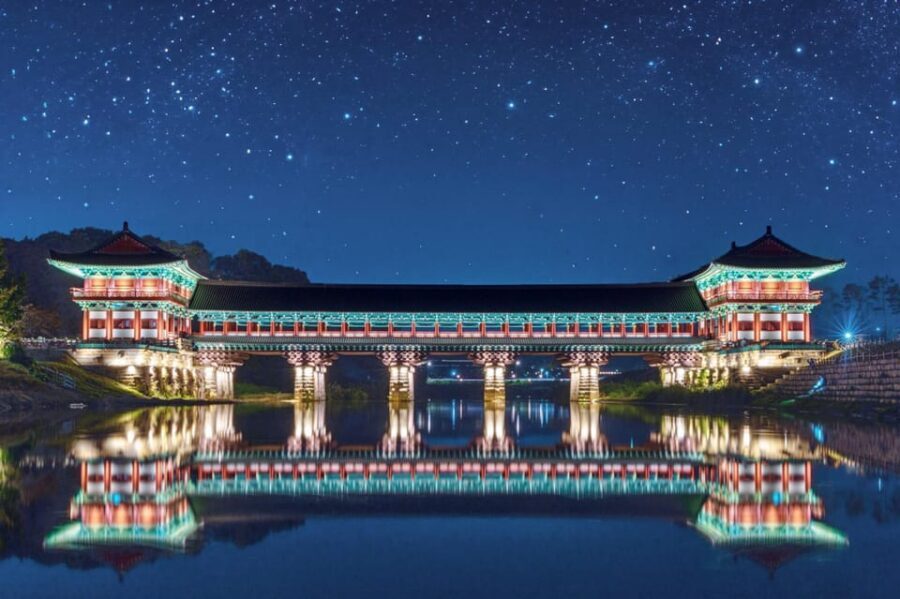
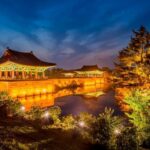
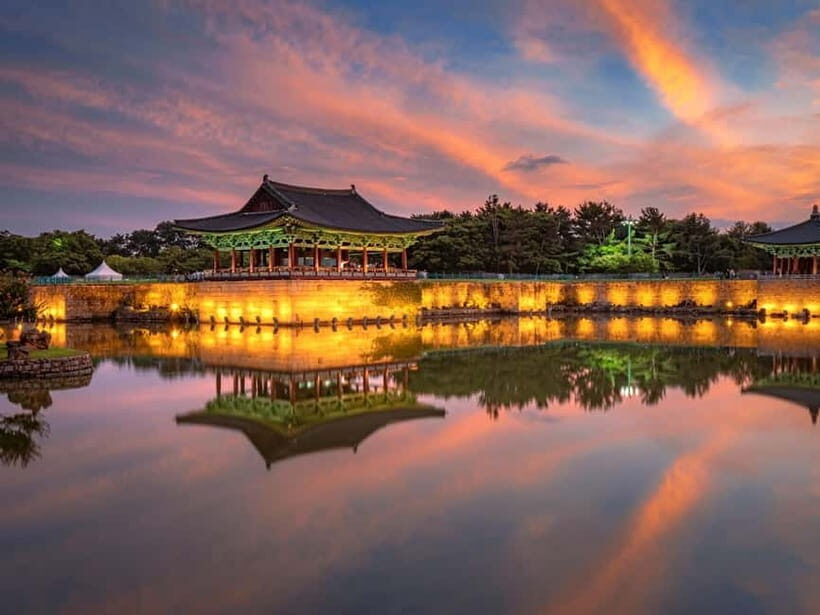
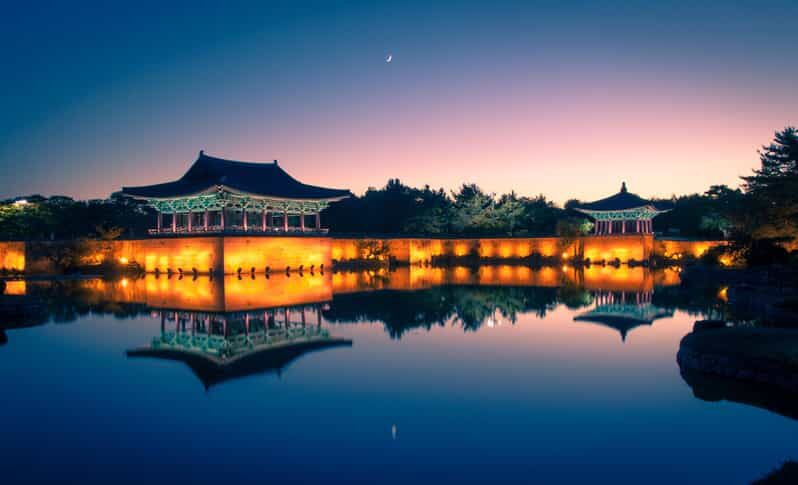
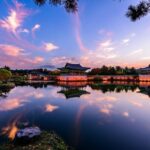
If you care about photos, this is where the tour earns its keep. Donggung Palace and Wolji Pond come late in the day, and the description highlights the royal garden setting and the way reflections shimmer on the water.
You get a guided visit plus time for a photo stop, about 40 minutes. The trick with evening sightseeing is simple: you want to be in the right place as the light changes. A good guide helps by pointing you toward photo spots and keeping the timing smooth so you’re not scrambling when it gets darker.
Guides like Sunny and Yakin are noted for finding good photo spots and making the stop fun, not stiff. That matters here, because this is one of the few stops where you truly feel the atmosphere.
What to watch for
Bring patience for low light. As it gets darker, it’s easier to feel rushed, even when you have time. Comfortable shoes help again, because you’ll likely want to step closer for a better reflection shot without slipping.
Woljeonggyo Bridge at night: a reconstructed Silla walkway
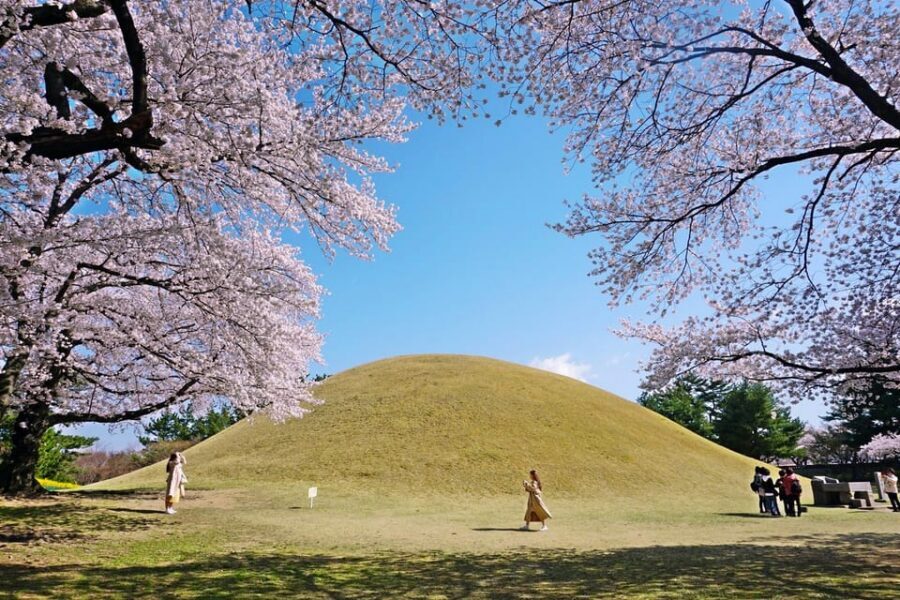
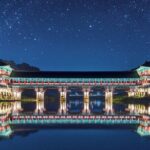
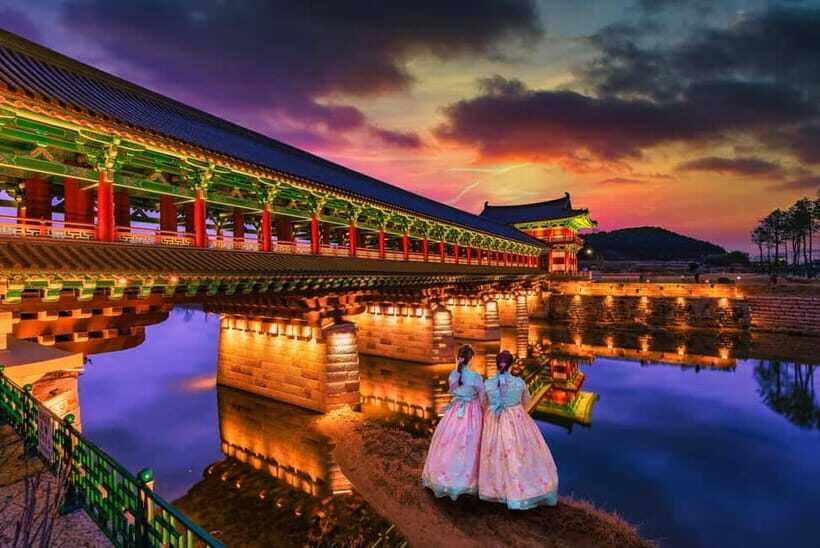
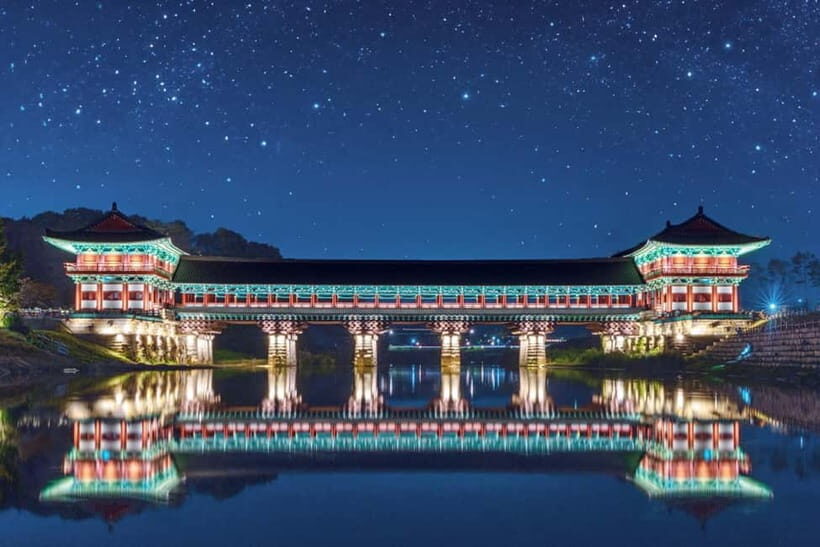
The final visual “wow” is Woljeonggyo Bridge, a reconstructed bridge from the Silla dynasty. You get a shorter block here, about 20 minutes, but the point is clear: stroll across, take photos, and soak in the night views.
This stop is described as especially enchanting at nightfall, and that lines up with what you tend to feel in Gyeongju evenings: it’s quiet, slower, and much more photogenic than the daytime version of the same streets.
Keep it simple
Go for photos and a quick walk, then let your guide help you reposition for the best angles. Don’t overthink it. This is one of those moments where the scene does most of the work.
Price and logistics: what you’re actually paying for
At $60 per person, you’re not paying for just entries. You’re paying for:
- Roundtrip transportation from central Busan areas
- A live guide in English and Chinese (Korean is also listed)
- Admission fees for the included stops
- A route design that aims to hit the most atmospheric lighting near sunset
Meals are not included. That means you need to plan for food on your own during the gaps. The tour description mentions lunch time during the Bulguksa portion, but meals are still listed as not included overall, so don’t assume you will be handed a full meal plan.
Who this day trip fits best
This tour is a strong match if you:
- Want a one-day sampler without piecing together transportation yourself
- Like your history with guidance, not just reading plaques
- Care about evening views and want to get those photos without timing it perfectly on your own
It’s less ideal if you hate long days, need frequent bathroom stops outside of what a guide can manage, or want lots of free time at each location.
Guide quality makes a real difference on this route
This itinerary is the kind where a good guide improves everything: timing, explanations, and keeping the group together. In the experience, guides are specifically described as:
- Contacting the group ahead of time with meeting-point info and photos
- Explaining historical details in clear English
- Managing the group so nobody gets left behind
- Taking photos for the group and pointing out good spots
Names that came up include Bobby, Jun-a, Victoria, Kang, Sunny, and Yakin. Even if you don’t get the exact same guide, this tour’s model seems consistent: someone is there to run the flow and answer questions fast.
Weather, timing, and comfort tips for a smoother day
The tour notes that the itinerary can be affected by weather and traffic conditions. That’s normal for a Busan-to-Gyeongju day. What helps you handle it is being ready for variability:
- Wear layers because temple areas and night views can feel cooler than the bus ride
- Use comfortable shoes because the day includes walking at multiple stops
- Plan to bring your own snacks or money for cafe browsing at Hwangnidan-gil
Also, remember this ends back at your original meeting point. You’re not doing drop-offs that strand you in a different part of town, which makes planning easier on the return.
Should you book the Echoes of Silla Gyeongju day tour from Busan?
If your goal is to see the major Gyeongju sites in one day and finish with the best night photography, I think this is a solid booking. The combination of UNESCO Bulguksa, a traditional village walk, tomb-and-street variety, and then the twilight-to-night sequence around Donggung Palace, Wolji Pond, and Woljeonggyo Bridge is exactly the kind of “one day, many moods” plan that works.
Book it if you can handle a long schedule and you’re okay managing your own meals. Skip it if you want slow travel, long free time at each site, or a day that feels light and flexible. For most people doing Busan as a base, though, this is a practical way to get serious Gyeongju without spending your vacation building routes.
FAQ
How long is the Busan to Gyeongju historical day tour?
The total duration is listed as 12 hours, with starting times varying based on availability.
Where do you get picked up in Busan?
You can choose pick-up at KTX Busan Station Exit 1, Seomyeon Station Exit 12, or Haeundae Station Exit 5.
What does the tour include in the price?
Roundtrip transportation, an English and Chinese-speaking tour guide, and admission fees are included.
Are meals included?
Meals are not included. You’ll need to handle food on your own during the day.
What languages are the guides?
The tour lists guides in Chinese, English, and Korean.
What’s the easiest thing to bring?
Comfortable shoes are recommended since you’ll be walking at multiple stops.
Is the itinerary guaranteed to run exactly the same way every time?
The itinerary is subject to weather and traffic conditions.
Is there a cancellation option if my plans change?
Free cancellation is available up to 24 hours in advance for a full refund. Infants aged 0–2 can join free of charge if they do not occupy a seat.