REVIEW · BUSAN
Korean Pottery Town Tour with the pottery class from Busan
Book on Viator →Operated by Dorawayo experience activity · Bookable on Viator
Pottery in Korea has a way of feeling practical, not precious. This Onggi pottery town tour gives you the hands-on part plus the local food and market time, all in a small group.
I love that it stays personal, capped at 15 people, so you’re not yelling over a crowd while you try making your piece. The day also mixes in a traditional market stop where you can taste Korean snacks and get your bearings fast for the region.
One thing to think about: the pottery-making class isn’t available on Mondays and Wednesdays, so choose your date if making your own Onggi is the main goal.
In This Review
- Key things to know before you go
- Onggi Village near Busan: what you’re really seeing
- How the 6-hour flow works from Bujeon Station
- Namchang Market vs Gijang Market: snack time with a date rule
- Lunch in the Busan region: octopus, dumpling soup, or noodles
- Onggi Village tour: seeing the craft, not just the finished product
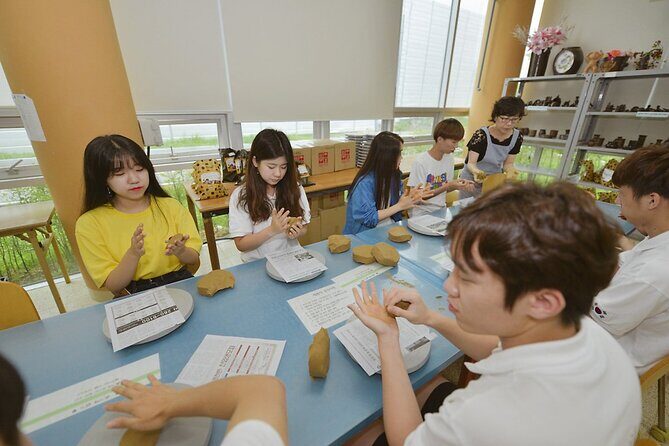
- The pottery-making class: making your own take-home piece
- Price and value: is $170 worth it?
- Mobile tickets, small details, and how to plan your day
- Who this tour suits best
- Should you book this Korean Pottery Town Tour?
- FAQ
- Where does the tour start and end?
- How large is the group?
- Is the pottery-making class always included?
- Which market will I visit, Namchang or Gijang?
- Can I ship the pottery home internationally?
- What if the tour is canceled due to weather or I need to cancel?
Key things to know before you go

- Small-group cap (15 max): easier conversation, more time at each stop, and better hands-on help
- Onggi Village visit: you’ll see how Onggi is made and what it’s used for, plus the village atmosphere
- Market timing depends on the date: Namchang Market runs on dates ending in 3 and 8; otherwise you’ll go to Gijang Market
- Hands-on pottery may be skipped: Monday and Wednesday don’t include the pottery-making class
- Lunch is included: expect stir-fried small octopus plus dumpling soup or noodles
- Pottery shipping is extra: international shipping costs apply if you can’t take your piece home
Onggi Village near Busan: what you’re really seeing
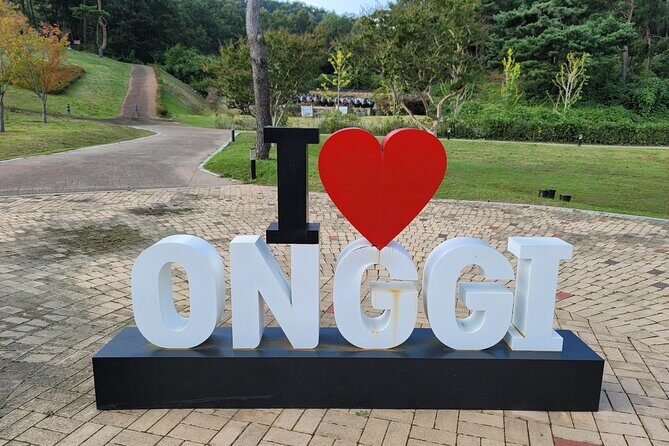
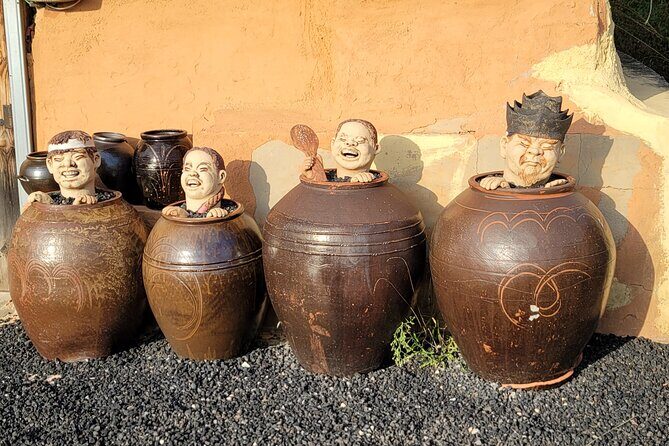
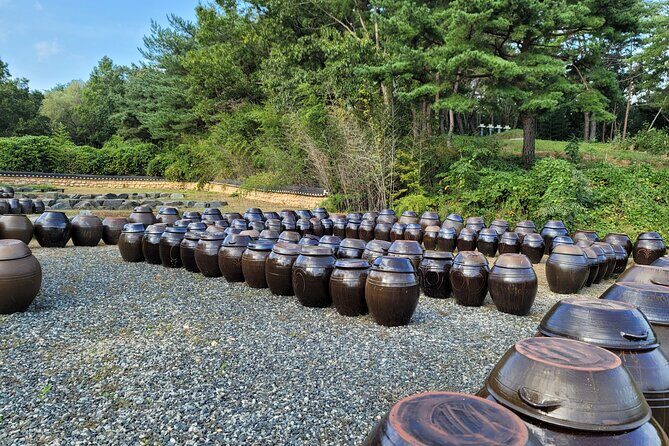
This tour centers on Onggi Village, a traditional pottery area near Busan where artisans gather to make Korean Onggi pottery. The big value here isn’t just watching. You’re there to understand the process—how Onggi is made, and what it’s used for—while you walk through a real working village setting rather than a museum-only stop.
You also get a sense of rhythm. These places don’t feel like a fast photo-op. You’ll have time to look around, notice details in the work, and connect the everyday village vibe with the craft. That matters, because pottery can look the same on a screen and feel totally different when you’re standing near the tools and finished pieces.
A few more Busan tours and experiences worth a look
How the 6-hour flow works from Bujeon Station
The day starts and ends back at Bujeon Station, which keeps things simple if you’re staying in central Busan. You’ll use the subway to reach the pottery town area, and the ride is about an hour. It’s long enough to settle in, short enough that you still feel like you’ve “done something” by the time you arrive.
From there, the schedule is built around three blocks:
- Market time (about 1.5 hours): snacks, strolling, and lunch prep
- Lunch (about 1.5 hours): a sit-down Korean meal included
- Onggi Village time (the rest of your afternoon): village touring and pottery-making (when offered)
The tour is designed around not wasting your day. You’re not spending half your time waiting. You’re moving from food → craft → hands-on work, with a group size that makes it feel manageable.
Namchang Market vs Gijang Market: snack time with a date rule
This part is clever—and it affects what you’ll see. Near Onggi Village, you’ll visit a regular market that’s scheduled based on the date.
- Namchang Market runs on dates ending in 3 and 8 (and also on 13, 18, 23, 28).
- If your tour date doesn’t match those endings, you’ll go to Gijang Market instead.
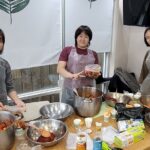
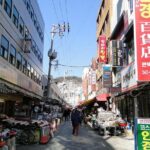
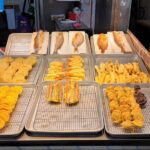
On market days, you’ll get that street-level sense of how locals shop and snack. You can try traditional Korean snacks, and you’ll have time to walk around rather than sprinting from stall to stall. This is one of my favorite parts of the day because it makes the later craft stop feel grounded. Food and pottery both come from the same local life.
A practical tip: markets are where you’ll likely pick up small cravings—so I’d avoid a huge breakfast. You want to be hungry enough to snack without turning lunch into a food coma.
Lunch in the Busan region: octopus, dumpling soup, or noodles

Lunch is included and it’s not a sad “tour meal.” You’ll get stir-fried small octopus plus dumpling soup or noodles (one of those options is served as part of the included meal).
Two reasons I like this setup:
- It gives you a real taste of what people eat nearby, not generic tourist Korean.
- It’s filling, so you’re not running on fumes right before the pottery-making portion.
One helpful note from the experience: the guide arranged lunch to suit dietary needs. So if you have restrictions, don’t just hope for the best—say something ahead of time so the team can plan.
Onggi Village tour: seeing the craft, not just the finished product
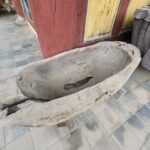
The best pottery days do one thing well: they connect what you’re seeing with how it gets made. Here, you’ll visit Onggi Village and see the works made by artisans, and you’ll also learn about the technique—how Onggi is made and what it’s used for.
You’ll be walking around the village, taking in the atmosphere, and seeing the craft in its real context. One of the standout points is that it feels like a place most foreign visitors miss. That matters if you’ve already done the big-ticket Busan highlights and want something more specific and local.
In practical terms, this is where the tour becomes more than a class. Even if you don’t end up loving pottery, you’ll still leave with a better understanding of Korean craft culture and how artisans work within a village setting.





The pottery-making class: making your own take-home piece
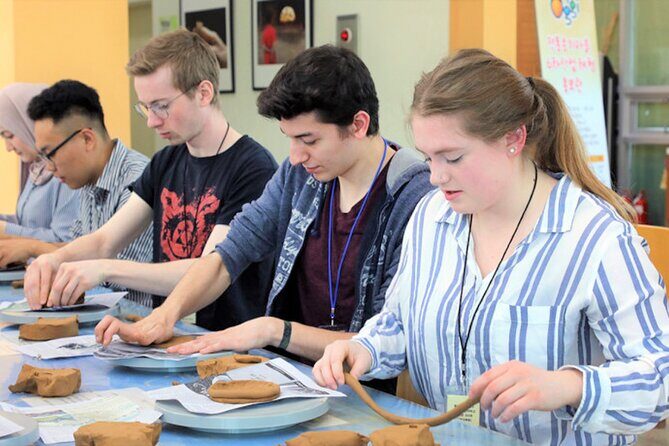
The hands-on part is the main reason many people book. You’ll make a piece of pottery to take home, and that personal connection is a big part of the value. It turns the day from sightseeing into something you can keep and use as a souvenir.
But here’s the key consideration: pottery making isn’t available on Mondays and Wednesdays. If your travel dates fall on one of those days, you might still enjoy the village and market portions, but you should expect that the hands-on creation piece may not happen. If making your own Onggi is your “must-do,” plan your booking for a day when the class is offered.
Also, remember you’ll be creating a physical item. Even though the tour provides the experience, you’re still responsible for how you transport it afterward. If you’re traveling light or flying home soon, think ahead about packing space.
Price and value: is $170 worth it?

$170 per person sounds like a real chunk of your Busan budget, so let’s talk value the practical way.
You’re paying for more than a workshop:
- Small-group experience (max 15)
- Market time for snacks
- Lunch included (octopus + dumpling soup or noodles)
- Subway transport to the pottery town area (the ride is part of the day)
- A guided Onggi Village visit
- A take-home pottery piece (when the class is available)
When you compare that to the cost of piecing together market time, lunch, transit, and an actual structured craft session, the pricing starts to look fair—especially because the tour is built as a smooth 6-hour package rather than a DIY scavenger hunt.
Two costs to keep in mind:
- International shipping is extra. Shipping costs are KRW 40,000 per person (and KRW 50,000 for the USA).
- If you’re set on pottery-making, avoid Monday/Wednesday dates to make sure you get the full “hands-on” payoff.
Mobile tickets, small details, and how to plan your day
This is the kind of tour where logistics stay low-stress. You’ll use a mobile ticket, and the meeting point is near public transportation. Confirmation is sent within 48 hours of booking (subject to availability), which is helpful if your schedule is still shifting.
Because the experience requires good weather, it’s worth keeping your expectations flexible. If the day gets canceled due to poor weather, you’ll be offered a different date or a full refund.
Packing-wise, I’d plan for two realities: you’ll eat (so don’t wear restrictive clothing), and you might end up with a delicate item. Wear comfortable shoes for market strolling and village walking.
Who this tour suits best
This is a strong match if:
- You want a small-group cultural day instead of a big bus tour
- You care about craft details and want to learn how Onggi is made and used
- You enjoy markets and want snack time built into the schedule
- You like taking home a handmade item rather than just photos
It may be less ideal if:
- You’re traveling on a tight schedule on a Monday or Wednesday and pottery-making is your top priority
- You hate transit days and prefer free time over a structured 6-hour block
Should you book this Korean Pottery Town Tour?
If your idea of a great Busan day includes local food, a market stroll, and a real craft you can understand (and possibly create), then yes, book it. The small group size and included lunch make it feel efficient, not rushed. And the Onggi Village angle gives you something more specific than the usual “top attractions” loop.
Just make sure you check your day of the week. If you’re hoping to make a piece yourself, don’t gamble on a Monday or Wednesday—pick a day when pottery-making is available so you get the full experience.
FAQ
Where does the tour start and end?
It starts at Bujeon Station, Busan, and the activity ends back at the meeting point.
How large is the group?
The tour has a maximum of 15 travelers.
Is the pottery-making class always included?
No. The pottery making class is not available on Mondays and Wednesdays.
Which market will I visit, Namchang or Gijang?
The choice depends on your tour date. Namchang Market operates on dates ending in 3 and 8 (including 3, 8, 13, 18, 23, 28). On other dates, you’ll visit Gijang Market.
Can I ship the pottery home internationally?
Yes, but shipping is not included. The cost is KRW 40,000 per person, and for the USA it’s KRW 50,000.
What if the tour is canceled due to weather or I need to cancel?
The experience is non-refundable and cannot be changed for any reason. If the tour is canceled due to poor weather, you’ll be offered a different date or a full refund.