REVIEW · BUSAN
Busan Tailored Korean cooking class (Vegan OK)with market tour
Book on Viator →Operated by Dorawayo experience activity · Bookable on Viator
Busan tastes better when you cook it. This Busan Bujeon Market plus Korean cooking class turns shopping into dinner, and it’s one of the rare options where vegan can be planned from the start. You walk the market with your host, buy fresh ingredients, then move to the kitchen to actually make the food, not just watch.
I especially like the flexibility: you choose 3 items for your meal (2 banchan side dishes plus 1 stew or soup) and can tailor for your tastes. I also like that the host guides you through Korean food culture and practical techniques, with support that can include vegetarian versions and even gluten-free adjustments when requested (in one vegan-focused class, gluten-free soybean paste was provided). One consideration: when multiple groups are booked, the first group can choose the menu first, so late bookings may limit your top picks.
In This Review
- Key things that make this class worth your time
- Bujeon Market shopping: where the class starts to feel local
- Your meal plan: choosing exactly 3 Korean dishes (2 banchan and 1 stew/soup)
- The kitchen lesson: how the class teaches technique you can reuse
- Vegan and vegetarian options: more than swapping ingredients
- What’s included in the price, and why $95 can be good value
- Logistics that keep this stress-free in Busan
- Who should book this cooking class?
- Should you book it?
- FAQ
- What’s the duration of the Busan tailored Korean cooking class with market tour?
- Can I choose vegan or vegetarian dishes?
- How many dishes do I get to cook, and how do I choose them?
- Where does the tour start and end?
- What’s included in the price?
- Is it refundable if I cancel?
Key things that make this class worth your time
- Bujeon Market ingredient shopping with a real local-food focus (not just a photo stop)
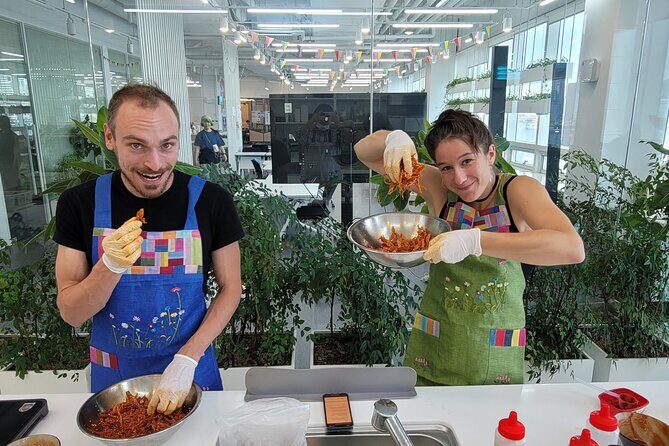
- Choose 3 dishes: 2 banchan plus 1 stew/soup, then eat what you make
- Hands-on technique time that targets how to get the flavor right
- Vegan-friendly planning, with vegetarian menus offered on request
- Home-use recipes so you can repeat the dishes after you get back
- Small group size (max 15) for a more personal class rhythm
Bujeon Market shopping: where the class starts to feel local
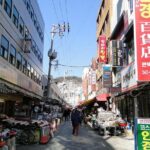
The experience begins around Busan’s Bujeon Market area, where you meet at KB Kookmin Bank Seomyeon Joongang2, in the Busanjin District. It’s close enough to public transportation that you’re not stuck figuring out complex transfers, and the whole outing loops back to the meeting point at the end.
Then it’s market time. This is not framed as a casual stroll. You’re there to pick real ingredients you’ll use later, and that changes your entire cooking mindset. When you’ve chosen the vegetables, seafood, or meat yourself, the later steps in the kitchen make more sense. You start noticing what’s fresh, what looks right, and what kind of seasoning it will take to fit the dish.
Bujeon is also a good place to see how Korean meals are built. You’ll be exposed to side-dish thinking (banchan) right from the start: lots of small plates, strong flavor, and ingredients chosen for texture as much as taste. That’s why the cooking class works so well—your meal isn’t just one dish. It’s a set.
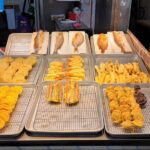
A practical note: some classes in this format also include a short market bite or meal flow to keep you full before you cook. Even if that part isn’t identical for every group, you should plan to eat at least a light breakfast or be ready for food during the market portion, because the class is only about 5 hours total. You’ll want your energy for chopping, seasoning, and pan time.
A few more Busan tours and experiences worth a look
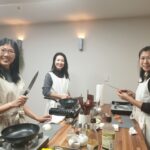
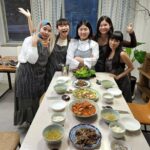
Your meal plan: choosing exactly 3 Korean dishes (2 banchan and 1 stew/soup)
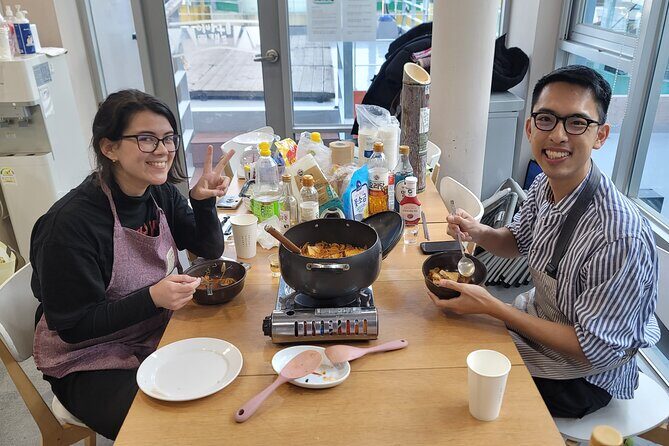
Here’s the best part for DIY food people: you don’t just get assigned a menu. You pick 3 options from a set list—specifically 2 banchan (side dishes) and 1 stew or soup.
That structure matters more than it sounds. Two banchan choices train you on the flavor range of Korean home cooking: salty-sweet, spicy, savory, fermented tang, and sometimes bitter-leaning greens depending on what you choose. Then the stew or soup gives you the warm backbone that makes the meal feel complete.
The banchan list is varied enough that you can aim for your comfort zone or stretch yourself:
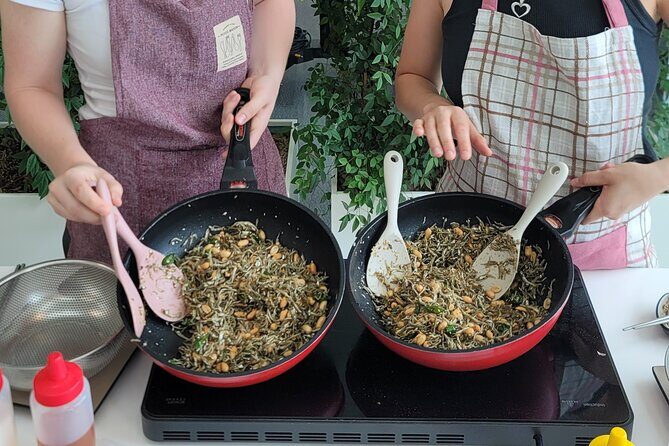
- Stir fried anchovies
- Seasoned dried pollack with spicy sauce
- Seasoned black bean with soy sauce
- Seasoned egg with soy sauce
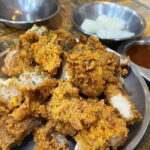
- Kimchi pancake or seafood pancake
- Beef pancake
- Bracken salad (namul)
- Bean sprout soup and salad (namul)
- Braised radish
- Braised tofu with spicy sauce
- Steamed tofu and egg
- Pickled radish and perilla leaves
- Cucumber kimchi
- Seasoned eggplant
- Pan-fried shrimp and seaweed
For the stew or soup, you can choose dishes like:
- Kimchi stew with pork
- Bean paste stew
- Seaweed soup with clam or dried pollack
- Alaska pollack soup
- Stir fried chicken with spicy sauce (or soy sauce)
- Braised pollack
- Braised flat fish
One more tip: the menu list says more options will be provided after reservation. So if you have strict likes or dislikes (like shellfish, very spicy flavors, or anything you avoid), message early and be clear about it. That’s also the best way to maximize your odds that you’ll get the dishes you want, especially since the first group of reservations may have the right to choose the menu first.
If you’re vegetarian, you’re not left to figure it out on your own. Vegetarian menus are offered for vegetarian guests, and the host has handled gluten-free soybean paste when requested for a class that centered on vegetarian cooking.
The kitchen lesson: how the class teaches technique you can reuse
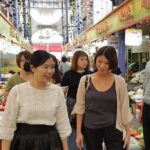
After market shopping, you head to the kitchen and cook together. The cooking portion is the core value here: you’ll learn how to prepare and cook Korean dishes by following steps in real time, then eat what you make as part of the lunch.
What makes this different from many cooking classes is that it’s not just assembly. The dishes listed are varied—pancakes, banchan-style seasoned sides, namul options, tofu dishes, braises, and stews. That variety forces you to learn how flavor is built in different ways:
- Seasoning and reduction (common in braises and stews)
- Texture control (pancakes and stir-fries need the right consistency)
- Balance of savory + fermented notes (especially where kimchi and soybean-based flavors show up)
- Timing (so the inside cooks while the outside sets properly)
In one class highlight style, the menu can include dishes that are less commonly seen on standard tourist Korean food routes. For example, the overall concept mentions spicy sea snail salad as a type of lesser-known dish you might learn. Even if you don’t pick that exact option, the class still has the same goal: teach dishes beyond the usual grab-and-go list.
Also, you’ll get more than just a recipe sheet. The way this class is described—and how it’s been experienced—centers on easy-to-replicate recipes and step focus. If your goal is to cook at home, pay attention to what changes from step to step. For many Korean dishes, the same ingredients can behave very differently depending on heat level, seasoning order, and thickness.
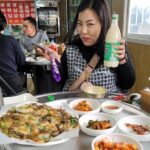
Portions can be generous too. One example from a smaller group described having enough food for more people than expected. So even if the group is small, you’re unlikely to leave hungry.
Vegan and vegetarian options: more than swapping ingredients
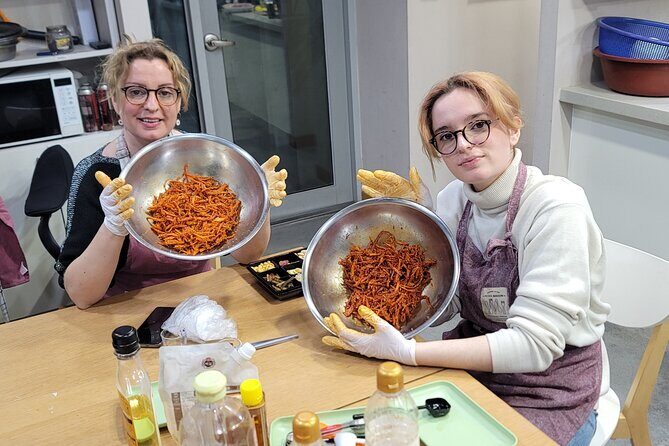
Korean food can feel tricky if you don’t eat meat or seafood—because so much flavor often starts with anchovy, dried seafood, or pork. This class handles that with actual menu planning, not just a last-minute workaround.
You choose your 2 banchan and 1 stew/soup, and if you’re vegetarian, the host provides vegetarian menus. That matters because it keeps the cooking logic coherent. You’re not guessing whether a dish will still make sense without the original base; you’re following a version designed for your diet.
In practice, vegetarian Korean cooking often leans on:
- tofu and egg (for body and satisfaction)
- soybean pastes and seasonings (for depth)
- seasoned vegetables and namul style sides (for freshness and bite)
One review example included braised black bean and a spicy tofu stew, plus a spinach soybean paste soup made with gluten-free soybean paste when requested. That’s a strong sign that the class can respond to specific dietary needs, not just label everything vegan and hope for the best.
If you’re vegan (not just vegetarian), still plan to communicate your needs clearly. The class is advertised as vegan OK, but your best results come from telling the host what you avoid: eggs? dairy? all animal products? gluten?
What’s included in the price, and why $95 can be good value
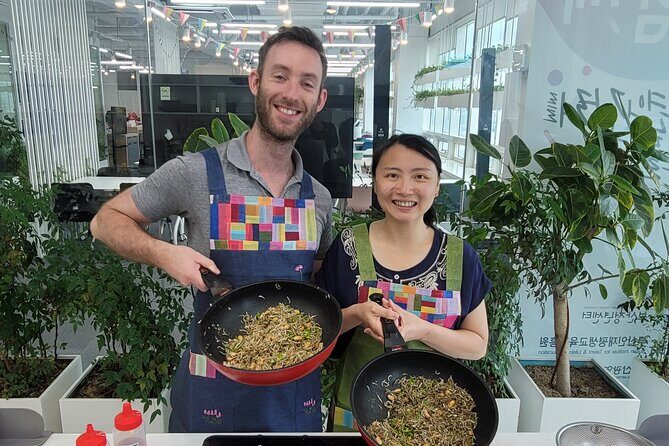
The price is $95 per person for about 5 hours. That includes the food you make, bottled water, and a coffee/tea setup (barley tea or corn tea, plus instant coffee). Alcoholic beverages aren’t included.
Is it worth it? Here’s how I’d judge value:
- You get the market ingredient sourcing. That’s not always part of cooking classes at this price point.
- You choose your menu. Customization helps you avoid the buyer’s remorse problem of paying for dishes you wouldn’t order.
- You eat what you cook. You’re not doing a snack-only class.
- The host provides recipes for home. Even though the exact format isn’t spelled out, the experience is built around teaching steps you can repeat.
You should also factor in what you’d normally spend to do this solo. Market shopping plus transport plus a paid cooking activity can easily rise above this number—especially if you’re aiming for a local market and a real kitchen lesson rather than a short demo.
One timing detail that affects value: average booking is about 45 days in advance. If your travel dates are fixed, booking earlier helps you secure the menu items you actually want, since menu priority can shift when multiple groups are in play.
You can also read our reviews of more shopping tours in Busan


Logistics that keep this stress-free in Busan
This is designed to be simple on arrival day. You meet at a specific, central spot: KB Kookmin Bank Seomyeon Joongang2 (Busanjin District). The tour ends back at the meeting point, so you’re not stuck figuring out where your host is taking you after class.
The activity is near public transportation. You’ll also receive a mobile ticket, which is useful in Korea when you don’t want to hunt for paper confirmations.
Group size is capped at 15 travelers, which is big enough to meet people but small enough for the host to keep an eye on cooking progress. That matters when you’re handling heat, seasoning, and timing.
One last practical tip: wear clothes you can wipe clean. You’ll be in a real kitchen environment cooking real foods, and Korean cooking often involves sauces, steam, and fast pan movement.
Who should book this cooking class?
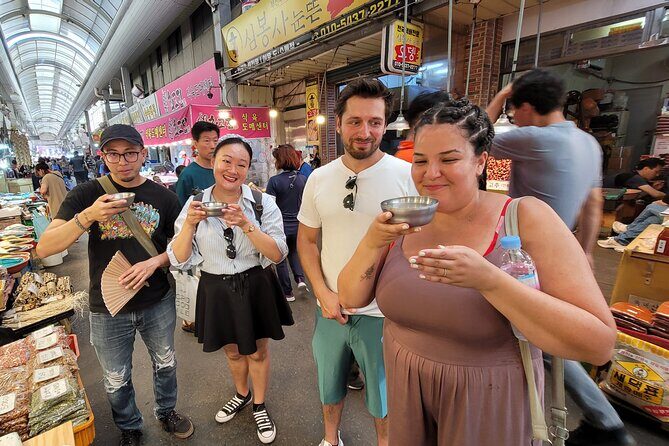
Book this if you want:
- a hands-on Korean meal you can repeat at home
- a market experience that’s about ingredients, not just photos
- vegan or vegetarian planning without extra effort from you
- a structured format that still lets you choose from a list
You’ll be happiest if you like learning by doing. If you only want to sample a wide variety of Korean foods quickly, this may feel more focused than you need. But if your goal is “I want to cook this myself next month,” the 2 banchan + stew/soup structure is the right size.
Should you book it?
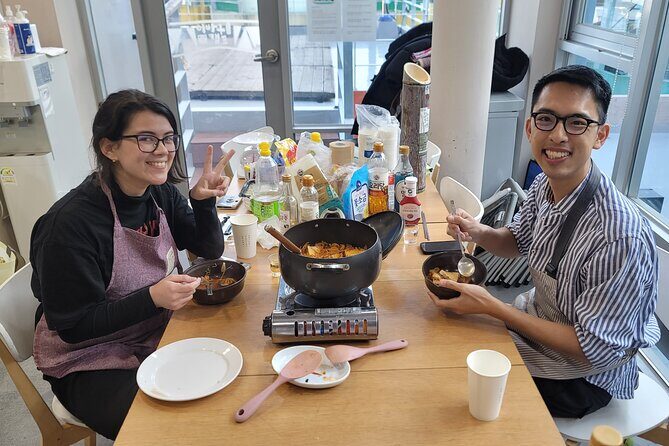
Yes, if you match the style: local market first, then a cooking lesson where you pick your own 3-dish set and learn the steps to recreate it later. At $95 for about 5 hours, with market shopping, included drinks, and the food you make, the value is strong—especially for anyone eating vegan or vegetarian.
Book early if you care about specific dishes. Since menu priority can go to earlier groups, your first picks are more likely if you lock in sooner.
FAQ
What’s the duration of the Busan tailored Korean cooking class with market tour?
The class runs for about 5 hours.
Can I choose vegan or vegetarian dishes?
Yes. Vegetarian menus are provided for vegetarian guests, and the experience is described as vegan OK.
How many dishes do I get to cook, and how do I choose them?
You choose 3 menus: 2 banchan (side dishes) and 1 stew or soup from the available list. You can also ask for vegetarian options if needed.
Where does the tour start and end?
It starts at KB Kookmin Bank Seomyeon Joongang2 (Busanjin District, Busan) and ends back at the meeting point.
What’s included in the price?
Included are bottled water, coffee and/or tea (barley tea or corn tea, plus instant coffee), and lunch foods made by the guest. Alcoholic beverages are not included.
Is it refundable if I cancel?
No. This experience is non-refundable and cannot be changed for any reason.


![Private Seoul Wall Trekking [Inwangsan, Bugaksan, Naksan Park, N-Seoul Tower] - Private pickup and a mountain-focused guide team](https://8.koreaadventures.com/wp-content/uploads/private-seoul-wall-trekking-inwangsan-bugaksan-naksan-park-n-seoul-tower.jpg)