REVIEW · BUSAN
Busan Seafood Tour : Jagalchi market Seafood Tour & Dinner
Book on Viator →Operated by Dorawayo experience activity · Bookable on Viator
Busan’s seafood markets are like a live museum. You’ll walk through wholesale stalls, handle fresh sea creatures, and then sit down for a home-style dinner built from what you choose. Nampo-dong dried fish wholesale and Jagalchi Market give you two different angles on Busan’s fishing culture in one evening.
Two things I really like about this experience are the hands-on approach and the small-group size. You’re not just eating; you’re seeing, touching, and dealing with items like sea squirt and sea cucumber, and you also learn how to make clam soup. One thing to consider: the actual dinner seafood is purchased by you, so your final spend depends on what you pick and how adventurous you get.
In This Review
- Why This Tour Feels Practical, Not Tourist-y
- Key Stops You’ll Walk, Shop, and Eat
- Nampo-dong Dried Fish Wholesale Market: Flavor Starts Before the Cooking
- Jagalchi Market: The Seafood Scene You Came For
- What you might see and handle
- A note on sashimi choices
- From Market to the Host’s Home: Cooking That Matches What You Chose
- The clam soup lesson
- What’s Included vs. What You Buy: Budget Reality Check
- Included in the $15 price
- Not included (and why it matters)
- Price and Value: Why $15 Can Still Feel Like a Full Evening
- Group Size and the Dinner Mood
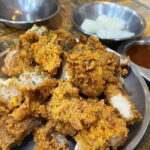
- Food Highlights: The Dishes That Tend to Win People Over
- Who This Tour Fits Best (And Who Might Want Something Else)
- Practical Tips Before You Go
- Should You Book the Busan Seafood Tour: Jagalchi Market & Dinner?
- FAQ
- How much is the Busan Seafood Tour: Jagalchi Market & Dinner?
- How long is the tour?
- Where does the tour start?
- Where does the tour end?
- What is included in the price?
- What is not included?
- How big is the group?
- Is the tour near public transportation?
- When will I get confirmation after booking?
- What happens if weather is bad?
Why This Tour Feels Practical, Not Tourist-y
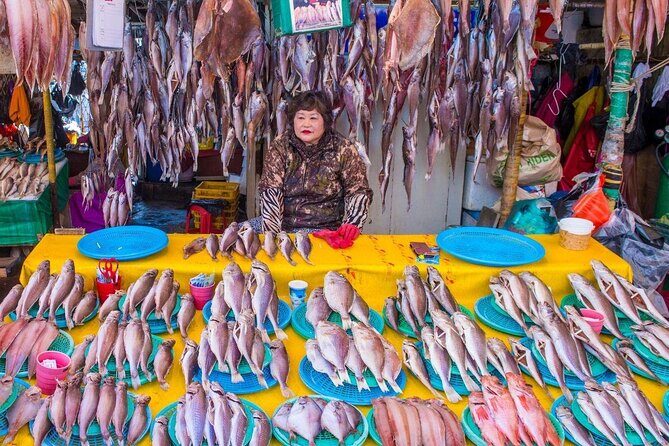
This is one of those rare food tours that treats the market as the main event, not a 20-minute photo stop. You start at a dried fish wholesale market, then move to Jagalchi—often described as huge enough that it can feel intimidating on your own. With a guide doing the talking, you get context fast: what you’re looking at, how people buy, and what’s normal to eat in Korea (not just what’s popular in Western sushi menus).
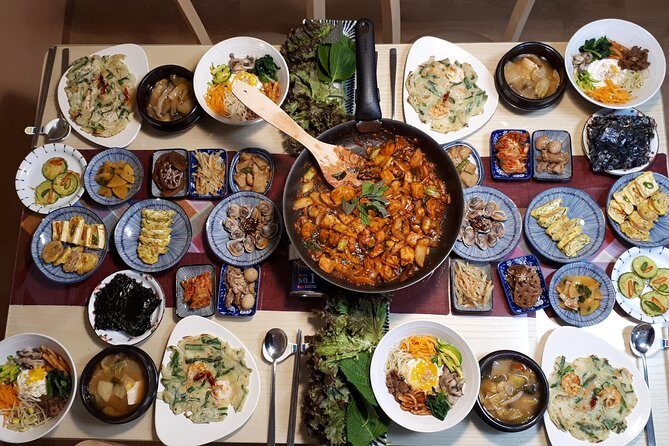
The dinner part is also grounded in real cooking. Instead of a generic tasting menu, you’re going to a home setting where the guide cooks the dishes after the market selection. In the reviews, hosts like Suyang (including Suyang Chang) are praised for making people feel at home, explaining the food as they cook, and serving well-prepared courses such as fresh scallops and shrimp stir-fries.
The group format matters here. With a cap listed as small-group (stated as max 10 in the overview and max 15 in the activity info), you’re more likely to get personal attention when you ask questions—especially if you want help choosing seafood or you’re curious about Korean food and drinking culture.
Key Stops You’ll Walk, Shop, and Eat
You’ll see sea creatures up close (not behind glass). This tour is built around touching and handling seafood, including items that can look unfamiliar if you usually stick to salmon or tuna.
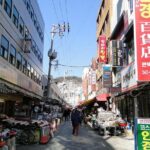
You’ll get two market styles in one flow. Start at a dried fish wholesale market, then shift to Jagalchi’s mix of outdoor and indoor areas.
You learn clam soup the Korean way. The focus isn’t just tasting; you’ll hear how to make clam soup with an Asian sauce.
You end with a home-style dinner. The cooking space is rented for the group meal, and the guide prepares dishes right after the market portion.
You’ll have time for photos. The market plus the waterfront area means plenty of visual moments—especially when the harbor view is right there.
You can also read our reviews of more shopping tours in Busan
Nampo-dong Dried Fish Wholesale Market: Flavor Starts Before the Cooking
The first stop is Nampo-dong Dried Fish Wholesale Market, and it sets a useful tone: seafood in Korea isn’t only about fresh sashimi. A lot of flavor comes from drying, fermenting, and processing—techniques that keep ingredients stable and concentrate taste.
Here’s what I’d pay attention to as you walk:
- What’s dried and what people are sourcing. Dried seafood is often used to build depth in soups and stews.
- How stalls are organized. Wholesale markets work differently than retail shops, and the guide’s explanations make it easier to understand what you’re seeing.
- The overall pace. This is a working area, so it can feel busy even if you’re moving with your group.
A practical consideration: if you’re sensitive to strong food smells, markets can be challenging. Dried goods aren’t always as intense as live seafood tanks, but you should still plan for real market odors.
Jagalchi Market: The Seafood Scene You Came For
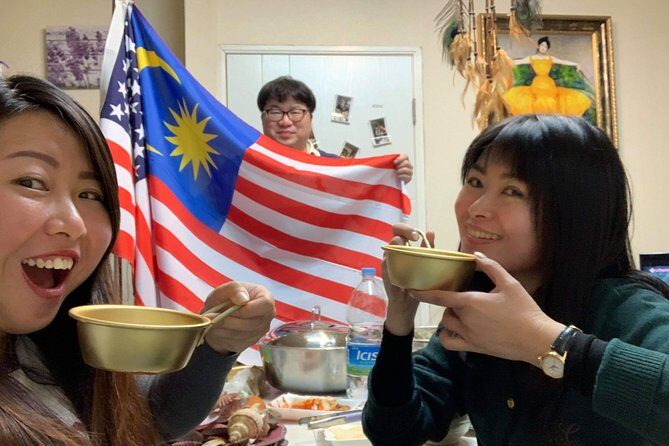
Next you’re at Jagalchi Market, the iconic Busan fish market. The reviews underline how big it can feel—perfect for a guide, because they know where to go and what to look for. You can often expect to pass through multiple sections, including outdoor and indoor areas.
This is where the tour’s “you deal with seafood” promise becomes real. You’ll be able to see, touch, and talk about items based on what you like. The experience is also timed so you can translate what you saw into dinner choices, instead of just taking pictures and leaving hungry.
What you might see and handle
The tour description calls out some specific items that you may encounter and discuss, including:
- Long-leg octopus (small octopus)
- Sea squirt
- Sea cucumber
- Steamed scallops
- Stir-fried comb pen shell
- Raw small octopus
- Raw fish sashimi
- Clam soup
This is a good moment to decide your comfort level. If you’re squeamish about certain textures, tell your guide early. The tour is built around matching choices to your preferences.
A note on sashimi choices
If you’re used to salmon and tuna from Western menus, you may notice that Korea often highlights different species. The information you’re given suggests that rockfish and flounder sashimi are more common locally, and you might also hear about seasonal favorites like yellowtail in winter.
A few more Busan tours and experiences worth a look



From Market to the Host’s Home: Cooking That Matches What You Chose
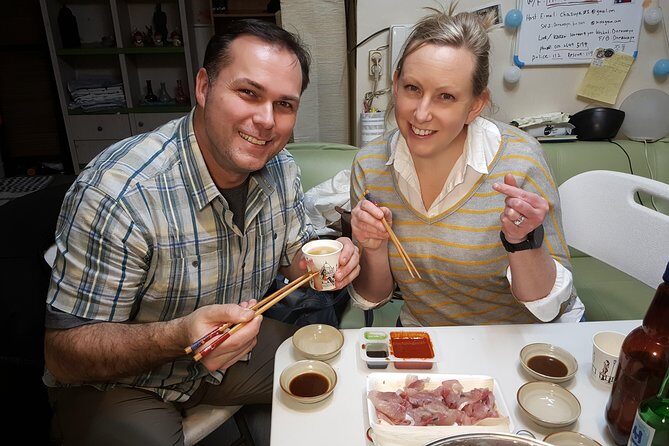
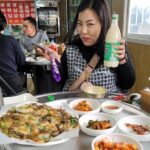
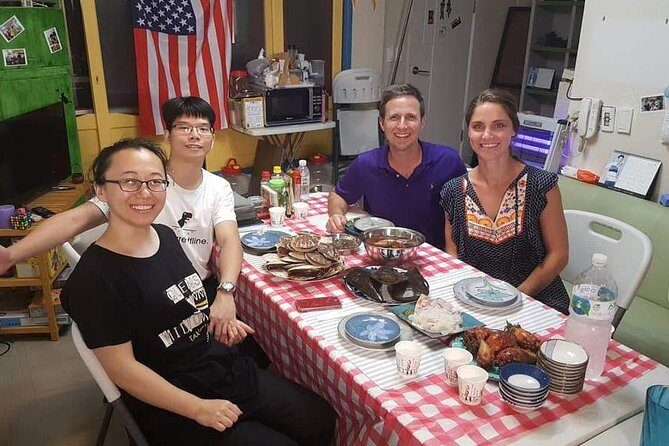
After shopping and walking, you move to the host’s home for dinner cooking and eating. In the review vibe, it’s not a sterile “tour kitchen.” It’s a real meal setup with a table, a terrace feel in some cases, and explanations as the food comes together.
Hosts mentioned in reviews include Suyang and also other guides such as Paul and Peter. What matters for you isn’t the name—it’s the approach: clear explanations, cooking in front of you, and an emphasis on freshness. The repeated theme is that freshness is the secret to the taste, and the market is where that freshness comes from.
The clam soup lesson
The tour explicitly includes a learning component for authentic Korean clam soup. You’ll be taught how to make a good clam soup with an Asian sauce style. Even if you don’t cook often, you’ll likely appreciate the logic: why certain seasoning choices work with briny clams.
This is also where the experience becomes more than food. The guide talks through Korean food and drinking culture, which helps you decode what you’re eating and why people order it the way they do.
What’s Included vs. What You Buy: Budget Reality Check
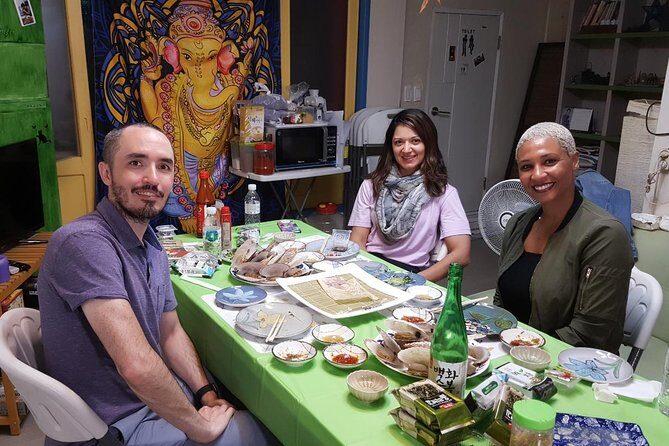
This is where the value can surprise you—in a good way, if you plan ahead.
Included in the $15 price
The listing includes:
- Bottled water
- Cooking service and space rental
- Snacks such as stir-fried shrimp, clam soup, and grilled fish
In reviews, the meal is described as multi-course and plentiful, with dishes like fresh scallops called out often.
Not included (and why it matters)
- The dinner seafood is purchased by customers, since people have different preferences.
- Alcoholic beverages are not included.
- Private expenses and travel insurance aren’t included.
So your true total cost depends on the seafood you choose at the market. That can work in your favor: you can control how adventurous (and how expensive) you want dinner to be.
Price and Value: Why $15 Can Still Feel Like a Full Evening
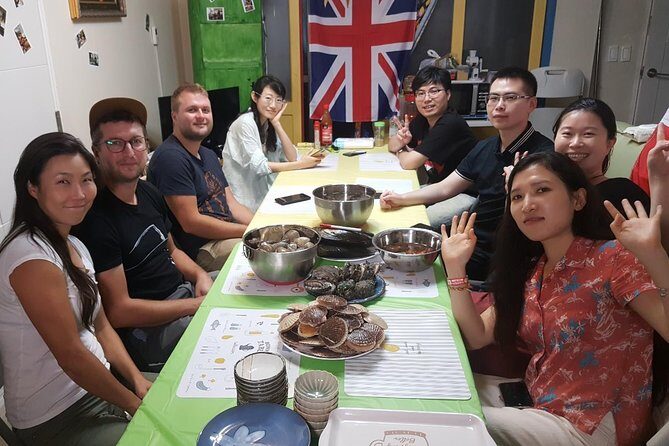
At $15 per person, you’re paying for more than a snack. You’re funding:
- A guide-led market walk where you can handle seafood
- Cooking service and a rented meal space
- Specific prepared foods like clam soup and shrimp stir-fry
Then you add the seafood you purchase for dinner. Think of it like this: the tour price buys the expertise, the access, and part of the meal; you customize the main seafood component with your own picks.
If you love seafood and you’ve ever felt awkward walking into a market without knowing what’s safe, fresh, or worth buying, this is a smart use of money. If you’re expecting a fully pre-paid restaurant dinner with no extra buying, you’ll want to reset expectations before you go.
Group Size and the Dinner Mood
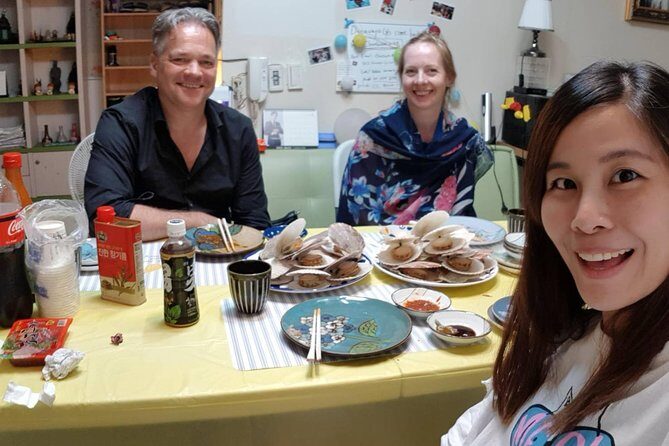
Small groups are a big deal in markets. With fewer people, you get:
- More chances to ask questions while walking
- Less crowding around the stalls
- A smoother transition to the home-cooked meal
The activity is described with caps that are small-group oriented (max 10 in the overview; max 15 in the activity info). Either way, it’s not the giant bus tour model.
In the reviews, the hosts are praised for creating a friendly, at-home atmosphere—plus adding cultural context as the night goes on. One review also notes soju during the meal flow, which suggests that Korean drinks may show up depending on what you choose and how the host organizes the evening. Since alcoholic beverages aren’t listed as included, plan on it as something to pay for or request rather than assume.
Food Highlights: The Dishes That Tend to Win People Over
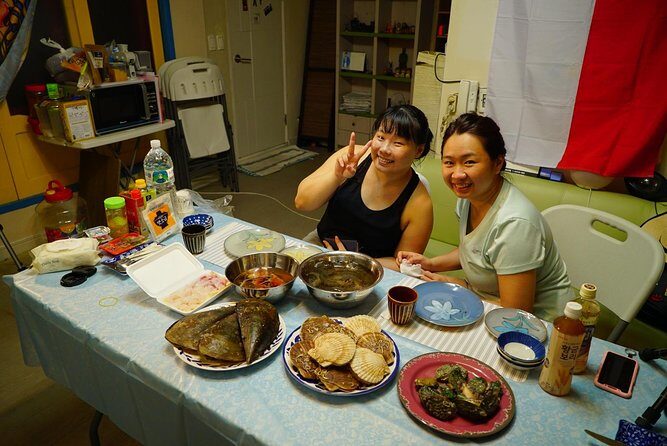
Even without a fixed menu in front of you, you can expect the tour to revolve around a mix of fresh seafood and Korean flavors, plus some cooking styles that may feel familiar if you like variety.
From the info you’re given and what’s mentioned in the experience details:
- Steamed scallops, often the “fresh bite” people remember
- Stir-fried shrimp with a sauce style that’s made to please different palates
- Grilled fish as one of the included snacks
- Clam soup both as something you eat and something you learn to make
- Raw sashimi options, where species may differ from what you’re used to in the West
- Possibly yellowtail in winter and other seasonal selections
There’s also a strong “touch and handle” element. If you enjoy learning by doing, this works. If you strongly dislike textures, especially with raw items or unusual sea creatures, you may want to communicate your comfort level early.
Who This Tour Fits Best (And Who Might Want Something Else)
This one is ideal if you:
- Want a real market experience, not just a restaurant meal
- Like seafood and are curious about Korean choices beyond salmon and tuna
- Want to learn one specific recipe technique—clam soup—rather than only eat
- Prefer small groups so questions aren’t lost in the crowd
You might skip it if you:
- Want everything fully included with no extra seafood purchase
- Are uncomfortable with handling unfamiliar seafood items
- Prefer a slower pace with zero market intensity
Practical Tips Before You Go
Here are a few smart moves that match how the experience is set up:
- Wear comfortable shoes. Market walking is part of the deal, and the terrain can vary.
- Go hungry. The tour is organized around eating from market selection through the home meal.
- Bring a payment method for dinner seafood. Since you buy the seafood separately, decide your rough budget before you arrive.
- Ask your guide about what you’re seeing. If a sea creature looks intimidating, you’re exactly in the right place to learn what it tastes like and how it’s usually prepared.
- Be ready for a weather-dependent plan. The experience requires good weather, and the provider may offer a different date or a full refund if canceled due to poor weather.
Should You Book the Busan Seafood Tour: Jagalchi Market & Dinner?
I think this is an easy yes if you’re traveling for food with curiosity. The value is strong because your money funds access, expert guidance, and a hands-on culinary takeaway (clam soup), not just a generic dinner. The best part is the way you connect the market to the table—by touching and selecting what ends up in your meal.
I’d think twice if you need a fixed, fully pre-paid dinner with zero flexibility. Since the dinner seafood is purchased by you, your final total will vary based on preferences.
If you want an evening in Busan that feels real—market-first, cooking-based, and guided with care—this is a solid choice.
FAQ
How much is the Busan Seafood Tour: Jagalchi Market & Dinner?
It costs $15.00 per person.
How long is the tour?
The duration is about 4 hours 30 minutes.
Where does the tour start?
The meeting point is 113-6 Nampo-dong 6(yuk)-ga, Jung-gu, Busan, South Korea.
Where does the tour end?
The activity ends back at the meeting point.
What is included in the price?
Included items are bottled water, cooking service and space rental, and snacks such as stir-fried shrimp, clam soup, and grilled fish.
What is not included?
Not included are the dinner seafood (purchased by customers), alcohol, private expenses, and travel insurance.
How big is the group?
The activity is described as a small group with a maximum of 10 people, and the activity info also lists a maximum of 15 travelers.
Is the tour near public transportation?
Yes, it is listed as near public transportation.
When will I get confirmation after booking?
Confirmation is received within 48 hours of booking, subject to availability.
What happens if weather is bad?
The experience requires good weather. If it’s canceled due to poor weather, you’ll be offered a different date or a full refund.