REVIEW · BUSAN
Korean UNESCO World Heritage Tour including Gyeongju, Andong and Daegu(2N3D)
Book on Viator →Operated by Kangsan Travel Service Co.,Ltd · Bookable on Viator
Three UNESCO days, zero planning headaches. This private 2N3D tour strings together Korea’s standout UNESCO stops across Gyeongju, Andong, and Daegu, plus the surrounding cultural hits that make the sites feel alive instead of just date-stamped. I especially liked the hotel pickup and drop-off, which means you start moving at 8:00am without hunting for meeting points, and I also liked that key attractions have admissions built in so you spend less time queue-watching.
The main drawback to plan around is that lunch isn’t included, and Daegu accommodation for two nights isn’t included either, so you’ll still handle meals and your hotel. If you hate decision-making, consider setting those up right away so the tour days stay smooth.
In This Review
- Key things to know before you go
- Why this UNESCO route works so well for first-timers
- Day 1 in Gyeongju: Seokguram’s sea-view calm to Bulguksa’s Shilla power
- Seokguram: the hermitage with an ocean horizon
- Bulguksa: stone pagodas that anchor the whole Shilla era
- Cheonmachong Tomb: the heavenly horse detail that makes you slow down
- Gyeongju National Museum: the cleanest way to see more Shilla artifacts
- Day 2 in Andong: Hahoe’s preserved houses, Confucian life, and Andong soju
- Andong Hahoe Folk Village: traditional houses that still feel lived-in
- Andong Folk Museum: ceremonies and the feel of past daily life
- Andong Soju Museum: learn the process and taste the result
- Day 3: Haeinsa’s Tripitaka, herbal medicine at Yangnyeongsi, and Seomun Market
- Haeinsa Temple: Koreana Tripitaka and the power of early-morning atmosphere
- Yangnyeongsi Herbal Medicine area: learn with your eyes, not just your phone
- Seomun Market: the easiest way to eat and reset after temples
- Private vehicle and your guide: how the “no hassle” part really plays out
- What’s included, what you’ll still handle, and how to avoid surprises
- Included
- Not included
- Price and value: is $988.49 per person worth it?
- Who should book this UNESCO Gyeongju–Andong–Daegu tour
- Should you book this tour?
- FAQ
- What time does the tour start?
- Is lunch included?
- Are admission tickets included?
- Is Daegu accommodation included for the two nights?
- Does the tour include hotel pickup and drop-off?
- Is the tour private?
- What is the cancellation policy?
Key things to know before you go
- Private, door-to-door convenience: daily pickup and drop-off means less logistics and fewer language headaches.
- Wi‑Fi on board: the drive time stays productive, especially if your group likes checking maps or messaging home.
- Admissions are included for major stops: most days include tickets, so the itinerary feels “paid for” in the best way.
- A strong mix of UNESCO and real local culture: temples and tombs sit right next to folk traditions and markets.
- You can tailor the day: it’s private, so the pace can flex a bit for photos, breaks, or extra time.
Why this UNESCO route works so well for first-timers
This tour is built around a practical logic: you get one big UNESCO-heavy base (Gyeongju), then you shift to Andong for living tradition, then you finish with Haeinsa and Daegu for a different flavor of Korea. That order matters. Gyeongju can feel like “temple mode” overload if you’re not careful, so the Andong day acts like a palate reset. Then Daegu adds a modern, everyday counterpoint with an herbal medicine area and a lively market.
What makes this feel good is the low-friction travel between stops. You’re traveling by air-conditioned minivan with a driver, and you’re not trying to decode bus routes or transfers. For families, older travelers, or anyone who wants to spend their energy looking at things instead of getting there, this is a big deal.
You can also read our reviews of more historical tours in Busan
Day 1 in Gyeongju: Seokguram’s sea-view calm to Bulguksa’s Shilla power
Gyeongju is where Korea’s ancient kingdoms start feeling tangible. Day 1 sets the tone with two temple experiences that are very different in mood, even though they belong to the same story.
Seokguram: the hermitage with an ocean horizon
Your day begins with Seokguram, a hermitage connected to Bulguksa. The key detail here is the location: it overlooks the East Sea, so it feels open and dramatic compared with the typical tucked-away temple vibe. You’re also in UNESCO territory, and Seokguram is known for exceptional Buddhist sculptures. If you like details—faces, posture, carved expression—this stop rewards you.
Practical note: go in expecting something quieter and more contemplative than a big street attraction. Comfortable shoes help, because you’ll likely do some walking on site to see the sculptural areas and viewpoints.
Bulguksa: stone pagodas that anchor the whole Shilla era
Next is Bulguksa, which literally means Temple of the Buddha land. This is the big name stop in many Gyeongju itineraries, and for good reason: it holds major relics from the Shilla Kingdom, including the two famous stone pagodas—Dabotap and Seokgatap.
The pagodas aren’t just pretty landmarks. They’re visual proof of how seriously the Shilla court treated Buddhism as a state-level project. If your brain likes connections, this stop makes everything on the rest of the trip click faster.
Cheonmachong Tomb: the heavenly horse detail that makes you slow down
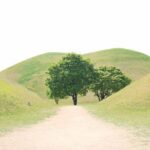
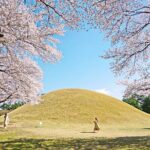
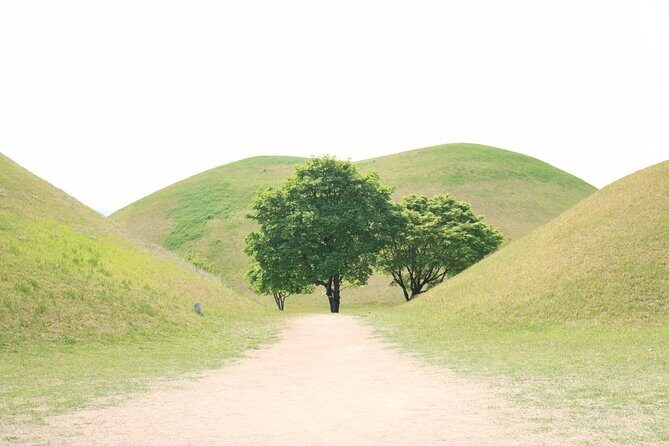
Then comes Cheonmachong Tomb, also called the Heavenly Horse Tomb. The name comes from a painting discovered during excavations in 1973, showing a heavenly horse. The tomb is tied to an unknown king of the Shilla Kingdom, which adds a little mystery. You’ll likely feel the difference between seeing a temple and seeing a tomb: temples tell you what people worshipped. Tombs hint at power, status, and how rulers wanted to be remembered.
If you want one “take-home image” from Day 1, make it the heavenly horse idea. It turns the site from a label into a story.


Gyeongju National Museum: the cleanest way to see more Shilla artifacts
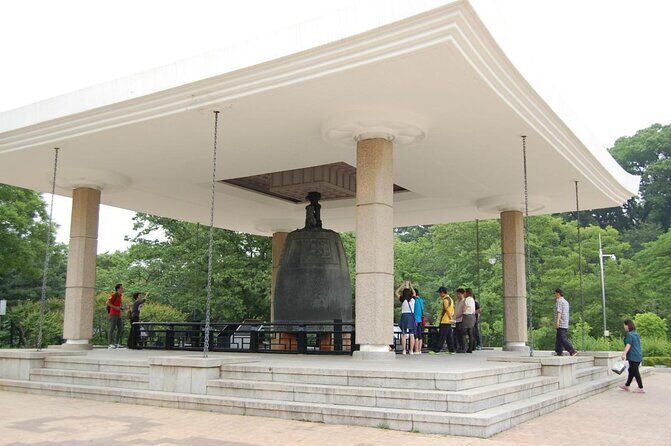
Day 1 ends at Gyeongju National Museum, where you can see around 3,000 relics tied to the Shilla dynasty. The highlight is King Seongdeok’s Bell, often called the Emille bell. There are also major treasures like National Treasure No. 29, plus other ancient items you wouldn’t want to miss.
Museums are a good pairing with temples because they give context. Temples show you the spiritual architecture; museums help you understand what materials, objects, and craftsmanship were behind it all. I like to use museum time to pick 2–3 things I want to remember, then let the rest just wash over me.
Day 2 in Andong: Hahoe’s preserved houses, Confucian life, and Andong soju
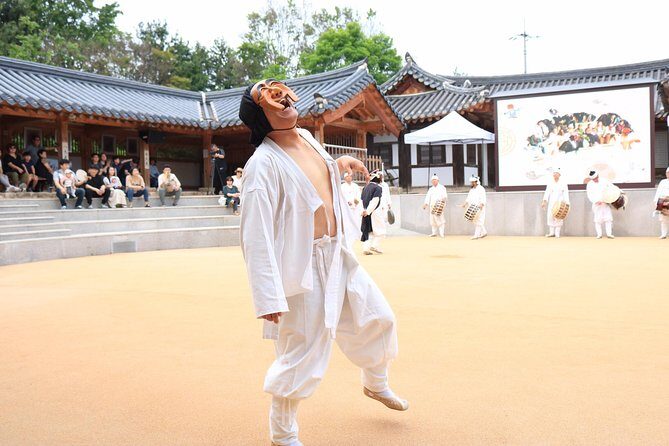
Day 2 is where the tour shifts from royal-era stone and scripture to everyday tradition. Andong is known for Confucian culture and folk life, and the stops here are chosen to show that culture in different ways.
Andong Hahoe Folk Village: traditional houses that still feel lived-in
Hahoe Folk Village is UNESCO-listed and one of Korea’s most famous traditional village destinations. The key detail for understanding why it matters: it’s home to descendants of the Pungsan Ryu clan, and the area is well preserved. That means you’re not just walking past old buildings—you’re seeing a community that traces its roots.
If you like photography, aim for softer light. Buildings and courtyards look better when the contrast isn’t brutal. Also, give yourself time to wander rather than rushing straight to the “must-see” spots.
Andong Folk Museum: ceremonies and the feel of past daily life
Next is Andong Folk Museum, focused on Confucian culture. This is where you can see how people lived and how important cultural ceremonies worked. Even if your Korean is limited, museum layout and visuals usually do a lot of the work. Expect exhibits about folk lifestyles rather than just famous names.
This stop is a nice counterbalance to Hahoe. Village strolls show architecture and setting. The museum helps translate that setting into how life actually operated.
Andong Soju Museum: learn the process and taste the result
Then you get Andong Soju Museum, dedicated to traditional soju. You’ll learn how to make it and see different local foods connected to the experience. The best part is that tasting is included, so it’s not just theory.
If you’re traveling with foodies, this is the moment they’ll get most excited about. For everyone else, it’s still useful because it gives you a taste of regional identity—soju isn’t just a drink here; it’s part of local culture and routine.
Day 3: Haeinsa’s Tripitaka, herbal medicine at Yangnyeongsi, and Seomun Market
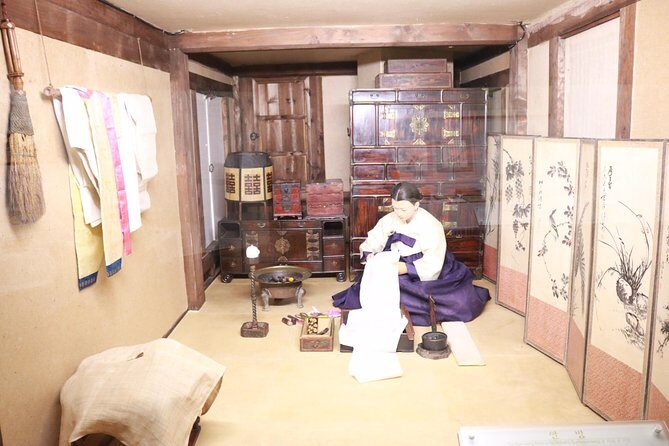
Day 3 is a strong finish that blends a major UNESCO spiritual site with a very human, everyday Daegu experience.
Haeinsa Temple: Koreana Tripitaka and the power of early-morning atmosphere
You start at Haeinsa Temple, one of Korea’s Three Jewel Temples. It sits in Gaya Mountain and is especially known for housing the Goryeo Daejanggyeong, often called the Koreana Tripitaka. That’s a huge deal for anyone interested in Buddhist history and preservation.
There’s also an atmosphere advantage here. In one described visit, Haeinsa was particularly beautiful on a misty Sunday morning. Even if your weather differs, early temple mornings tend to feel calmer, and the stone-and-forest setting can make the site feel more meaningful than a midday stop.
Yangnyeongsi Herbal Medicine area: learn with your eyes, not just your phone
Then it’s off to Daegu Yangnyeongsi, connected to a herbal medicine festival. This stop helps you understand traditional oriental medical care through what you see as you walk around. In the museum portion, you can learn about herbs and the broader medicine approach.
This is a different kind of cultural education. You’re not just learning dates. You’re learning how people historically viewed health, ingredients, and treatments.
Seomun Market: the easiest way to eat and reset after temples
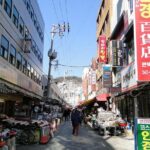
Finally, you finish at Seomun Market, one of the biggest and liveliest markets in Korea. It’s the kind of place where you can snack, browse, and look at textiles and fashion items without it feeling like a structured tour stop.
Since lunch isn’t included on the tour, this is also a practical place to handle food and shopping on the last day. Give yourself enough time to wander with zero agenda.
Private vehicle and your guide: how the “no hassle” part really plays out
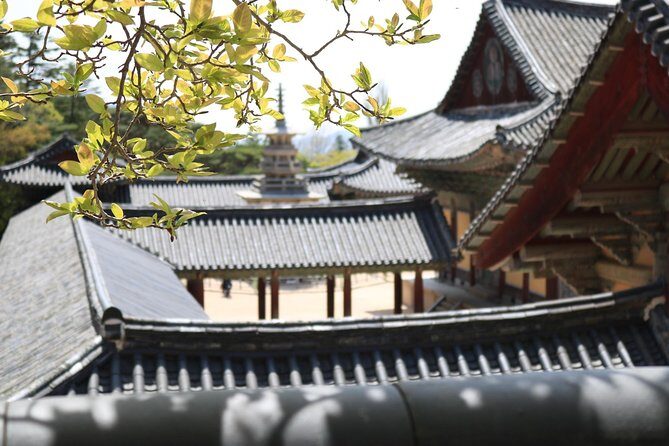
This is a private tour, meaning it’s only your group, and you’re working with a professional guide plus a driver. You also get Wi‑Fi on board, bottled water, and transport in an air-conditioned minivan. That combination matters because your travel time doesn’t turn into downtime.
The biggest win is that you can ask questions. At UNESCO sites, the explanations can make a huge difference. A good guide helps you notice the right details—why a pagoda form matters, what a tomb painting suggests, or how a Tripitaka archive connects to preservation. Without that, you can still enjoy the sites, but you’ll miss a chunk of meaning.
Also, because it’s private, there’s room to adjust the pace. Not every stop needs the same tempo, and not every group sees things at the same speed. Your itinerary is structured, but the comfort comes from not being rushed by a bigger group schedule.
What’s included, what you’ll still handle, and how to avoid surprises
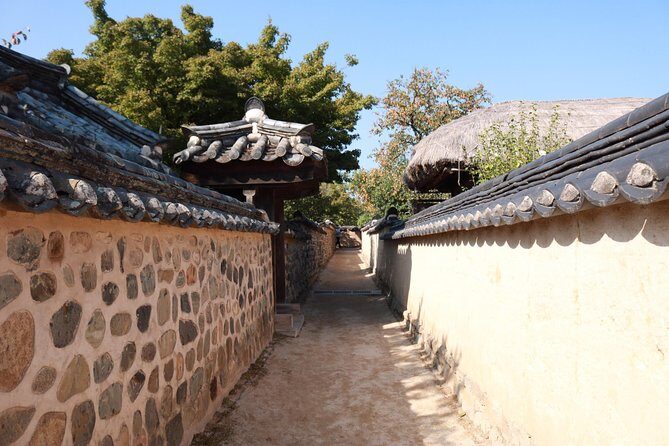
Here’s the practical breakdown based on the tour details.
Included
- Driver/guide and professional guide
- Hotel pickup and drop-off
- Private tour with transport by air-conditioned minivan
- Wi‑Fi on board
- Bottled water
- Admission tickets for all listed paid stops
- Seomun Market time is free to enter
- Vegetarian option available if you request it when booking
Not included
- Lunch
- Daegu accommodation for two nights (the tour implies you’ll stay in Daegu while you’re there)
- Admission elsewhere not listed as included (you’ll generally be covered for the specific stops on the program)
One tip that saves stress: since lodging and lunch aren’t included, lock in your hotel plans in Daegu early. That way, you’re not doing last-minute scrambling while your tour days are flying by.
Price and value: is $988.49 per person worth it?
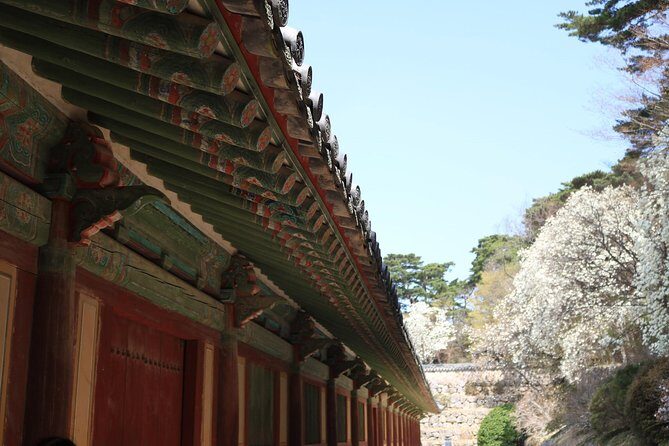
At $988.49 per person, this isn’t a budget tour. But it’s also not just a “ride to attractions.” You’re paying for several things at once: private transport, a private guide, daily pickup/drop-off, Wi‑Fi and water, and admissions on most stops. That package can be good value if you compare it to the real cost of doing the same itinerary with guides, taxis, and tickets one by one.
It’s especially worth it if:
- you want a first-time-friendly UNESCO overview without planning headaches
- your group includes people who don’t enjoy long rides or transfers
- you’re dealing with a language barrier and want explanations at every stop
If you’re an ultra-budget traveler who already knows public transit routes and doesn’t mind doing your own planning, then the price might feel steep. But for most people, the convenience is the product here—not just the sightseeing.
Who should book this UNESCO Gyeongju–Andong–Daegu tour
I think this tour fits best if you want structure without rigidity. It’s a natural match for:
- first-time visitors who want a clear UNESCO introduction to Korea
- families who prefer one plan over multiple ticket desks and transfer stress
- small groups that want guide attention instead of “follow the herd” sightseeing
It may be less ideal if you specifically want lots of independent time to wander without any guided pacing, or if you’re only interested in one or two sites and could build a smaller route.
Should you book this tour?
If you want an easy, well-paced UNESCO experience that handles transportation and major admissions for you, this is a strong choice. The blend of temples, UNESCO tomb history, folk culture, soju tasting, herbal medicine learning, and market time is designed to keep the days interesting rather than repetitive.
Book it if convenience and clear guidance matter more than squeezing every dollar. Just be ready to plan your lunch and arrange your Daegu hotel for the two nights. If you do that, the 3 days can feel smooth and genuinely rewarding.
FAQ
What time does the tour start?
The tour start time is 8:00 am.
Is lunch included?
No. Lunch isn’t included.
Are admission tickets included?
Yes. Admission tickets are included for the listed paid stops, and Seomun Market time is free.
Is Daegu accommodation included for the two nights?
No. Accommodation in Daegu for 2 nights is not included, though the office can share information and recommendations.
Does the tour include hotel pickup and drop-off?
Yes. Daily hotel pickup and drop-off are included.
Is the tour private?
Yes. It’s a private tour/activity, and only your group will participate.
What is the cancellation policy?
You can cancel for a full refund if you cancel up to 24 hours in advance of the experience’s start time. If you cancel less than 24 hours before, the amount you paid won’t be refunded.