REVIEW · BUSAN
Gyeongju Historic Areas Day Tour with Sky Capsule from Busan
Book on Viator →Operated by TOURSTORY · Bookable on Viator
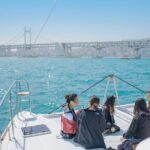
Sky over the sea kicks off the day. This one-day Busan to Gyeongju combo is interesting because you start with a ticketed Sky Capsule ride over the coast, then shift into UNESCO-listed Silla sites in Gyeongju. I love that the big “ticket moments” are already handled (round-trip transport and admissions), and I also like the built-in free time where you can choose your own lunch around Cheongsapo or wander Hwangnidan-gil at your pace. The main drawback is simple: it’s a long day, and you’ll plan for meals on your own.
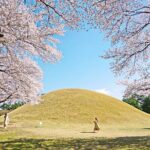
The tour is also set up for an easy day rhythm. English and Chinese speaking staff keep things moving, and guides like Tomy and DK are known for a highlight briefing followed by time to explore on your own, with extra photo stops when conditions allow (yes, even cherry blossoms when they’re around). With a maximum of 43 travelers, it feels like a group trip without being a cattle-car tour.
Timing matters here. You’ll do the coastal ride and Cheongsapo break in the morning, then head to Gyeongju mid-afternoon, finishing at Donggung & Wolji when the light turns softer. Expect a full arc from modern Busan views to Silla-era landmarks, with a calm end at the pond and palace grounds.
In This Review
- Key highlights to know before you go
- Busan to Gyeongju in one long day: how the timing works
- Haeundae Blueline Park Sky Capsule: coastal views and smart expectations
- Cheongsapo and Mipo break: where you eat and how to use the time
- Leaving Busan at 2:10 pm: the switch to Silla landmarks
- Haedong Yonggungsa Temple: a shoreline temple with a different feel
- Bulguksa Temple (UNESCO): the stop that fixes your “Silla architecture” brain
- Gyeongju Historic Areas, Daereungwon Tomb Complex, and Hwangnidan-gil
- Gyeongju Historic Areas (UNESCO-listed)
- Daereungwon Tomb Complex: the royal tomb park
- Hwangnidan-gil: food, hanok cafés, and a modern stroll
- Donggung & Wolji at dusk: end with calm and history
- Price and value: does $88.57 make sense?
- Small group feel, mobile tickets, and what can change
- Who this day trip suits best
- Should you book this Busan-to-Gyeongju day tour?
- FAQ
- How long is the Gyeongju Historic Areas day tour from Busan?
- What’s included in the tour price?
- Is lunch included?
- How long is the Sky Capsule ride and where do you board?
- Can I share the Sky Capsule with other passengers?
- Which major UNESCO-listed sights are visited in Gyeongju?
- Are admission fees included for temples and historic areas?
- Does the itinerary ever change?
- How do I receive my tickets?
- What is the cancellation policy?
Key highlights to know before you go
- Sky Capsule at Blueline Park: Coastal views, included ticket, and a ride duration built into the plan
- Cheongsapo/Mipo free time: lunch at your own expense plus an easy place to snack and stroll
- Haedong Yonggungsa by the sea: a rare shoreline temple feel, not a mountain temple vibe
- UNESCO Bulguksa + Gyeongju Historic Areas: major Silla landmarks covered with set stop times
- Daereungwon tomb complex and Hwangnidan-gil: royal tombs followed by a street-food and hanok-café style stroll
- Donggung & Wolji at dusk: you end the day at a historically important pond and palace site
Busan to Gyeongju in one long day: how the timing works
This tour is built as an all-day switch. Morning is Busan, with the Haeundae Blue Line Park area as your launch point, then you head to Gyeongju after lunch time and spend the rest of the day on historic sites.
Your total day runs about 11–12 hours. That makes it ideal if you want a lot of “big name” sights in one trip, but it also means you’ll feel the schedule. If you’re the type who likes long, slow breaks, plan to treat your free time stops like your recovery windows.
You can also read our reviews of more historical tours in Busan

Haeundae Blueline Park Sky Capsule: coastal views and smart expectations
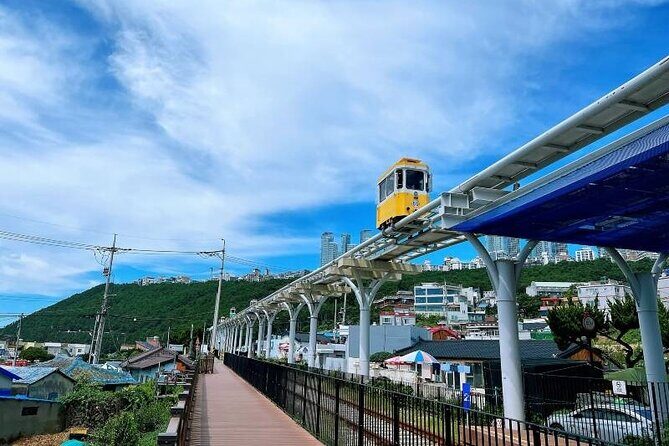
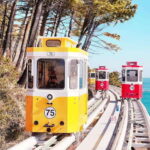
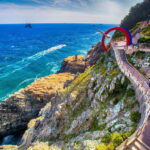
The Sky Capsule ride is the headline start, and it’s included. You board at Mipo Station and the route runs along a 4.8-kilometer stretch that connects Haeundae Mipo, passes Cheongsapo, and ends at Songjeong.
The tour includes about 50 minutes for this first stop, which is a good chunk for a ride that’s mostly about views. You’re not just sitting on rails here. You’re getting a moving viewpoint over the coast, and it’s a nice way to see Busan beyond beach photos.
One practical thing: Sky Capsules carry up to 4 passengers, and the ride may be shared with other guests. That’s normal, but it does affect seating. If you’re traveling with someone who wants to sit together, arrive ready for how sharing works that day.
Also keep in mind that the actual boarding time can shift based on conditions, and the plan can adjust for weather and traffic. If you’re sensitive to delays, keep your expectations flexible on the day itself.
Cheongsapo and Mipo break: where you eat and how to use the time
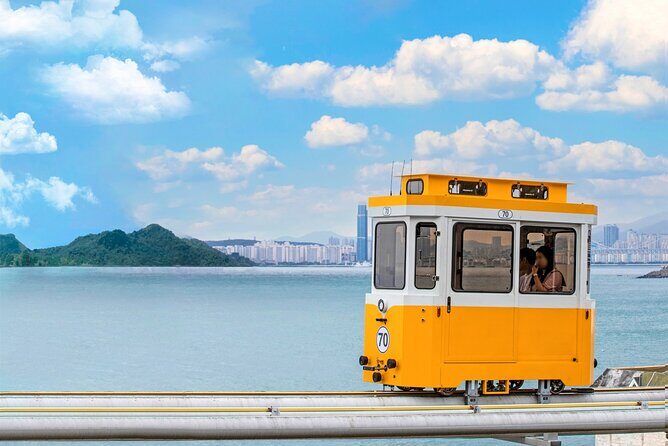
After the Sky Capsule segment, you get a longer pause around Cheongsapo (about 1 hour 20 minutes). The idea is simple: explore, snack, and eat lunch at your own expense.
This part matters because it prevents the day from being only temples and tickets. Cheongsapo and Mipo are the kind of places where you can choose what fits you: quick bites, casual café time, or just walking the seaside area before you jump to Gyeongju.
If you want a simple strategy: use this break to eat early, then treat the rest of the time as buffer. That way, when the day gets more structured on the Gyeongju side, you’re not also trying to solve hunger and logistics at the same time.
Leaving Busan at 2:10 pm: the switch to Silla landmarks
At 1:40 pm, you depart Busan for Gyeongju after your lunch-time window. This handoff is useful because it changes your pace. You’re done with coastal riding and free wandering, and now you shift into a sequence of historic stops with defined time blocks.
It also means your energy plan needs a reset. If you’ve had a scenic morning, you’ll want water, a snack if you skipped lunch timing, and comfortable shoes before the museum-like rhythm of temples and tomb grounds.
Haedong Yonggungsa Temple: a shoreline temple with a different feel
Haedong Yonggungsa is one of those stops you can’t fully understand from photos. It was first built in 1376, and it’s famous for the rare setting: a temple along the sea shore rather than up in the mountains.
The tour gives about 1 hour here, and admission is included. That time is enough for the basics—orient yourself, see the main sanctuary area, and take in the coastal setting from the areas where you’re allowed to pause.
Why this stop works in the full-day itinerary: you’re not only seeing “old things.” You’re seeing old things in a very specific geographic setting. The sea proximity changes the mood, and it’s a strong contrast to the inland Silla sites that come later.


Bulguksa Temple (UNESCO): the stop that fixes your “Silla architecture” brain
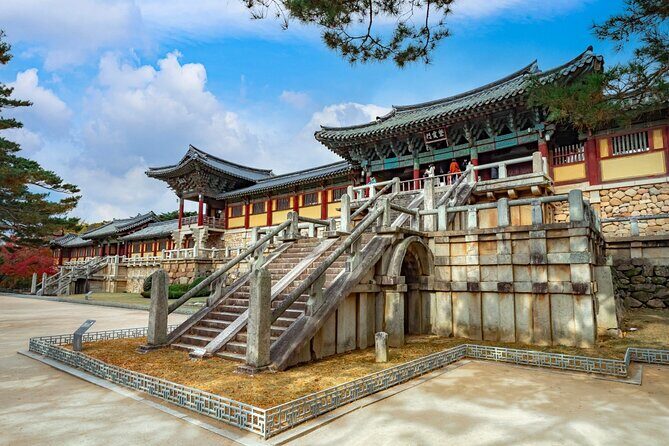
Next up is Bulguksa Temple, a UNESCO World Cultural Heritage site. It’s one of Korea’s most revered temples, originally built in the 8th century, and the complex is known for its Silla-era Buddhist architecture.
You get about 50 minutes at this stop, and admission fees are handled. That’s enough time to do three useful tasks: (1) get your bearings in the complex layout, (2) understand why the structures are considered masterpieces, and (3) slow down for the details people usually miss when they rush.
This stop is especially valuable if you’re thinking, why are these Silla landmarks important? Bulguksa gives you a clear answer through architecture and design. You can see the “why it matters” without needing a long lecture.
Gyeongju Historic Areas, Daereungwon Tomb Complex, and Hwangnidan-gil
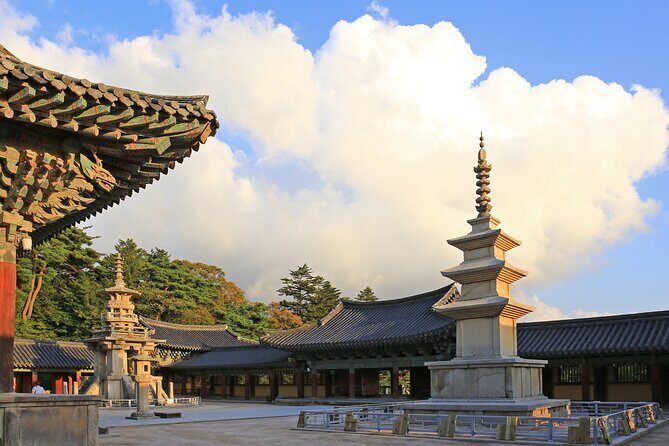
This middle stretch is where the day turns into actual Silla heritage walking.
Gyeongju Historic Areas (UNESCO-listed)
First you visit the Gyeongju Historic Areas, which UNESCO recognized as a World Heritage Site in 2000. The area protects remnants of temples, palaces, outdoor pagodas, statues, and other cultural remains tied to the region’s past.
You have about 35 minutes, with admission included. Use this time to avoid the common mistake of treating it like one photo stop. Instead, think of it like a set of clues to an entire civilization—spot one landmark, then ask yourself what kind of place it would have been in Silla times.
Daereungwon Tomb Complex: the royal tomb park
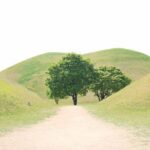
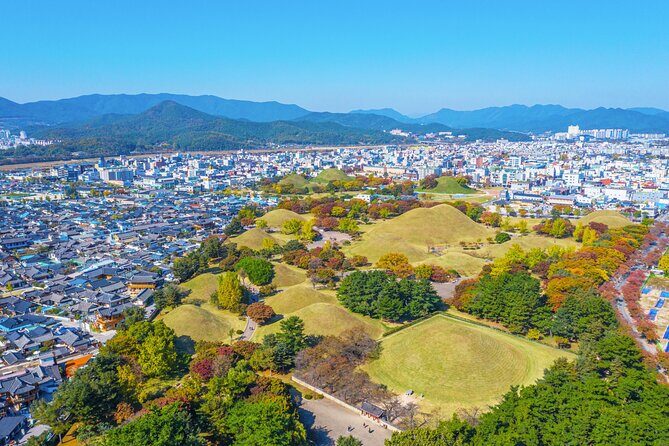
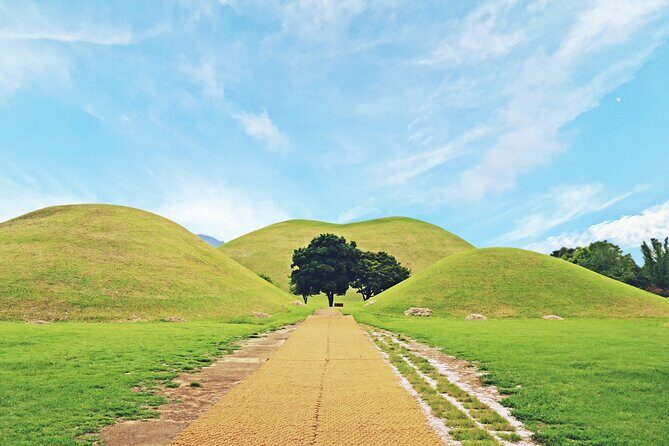
Then comes Daereungwon, also called the Park of Royal Tombs. The complex contains 23 tombs built during the Silla dynasty, and the tour highlights key tombs such as Chenmachong.
You get about 35 minutes here too, with admission included. This is a good counterbalance to temples: tomb sites make you think differently. Instead of prayer space, you’re looking at memorial landscape and royal presence.
Hwangnidan-gil: food, hanok cafés, and a modern stroll
Right next to Daereungwon is Hwangnidan-gil, a trending street that mixes ancient charm with modern style. The plan includes about 1 hour at this stop, with admission free.
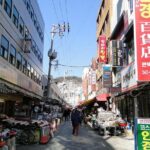
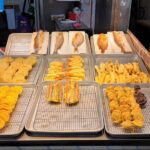
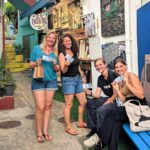
This is one of the best “you time” sections of the day. You can treat it like an open-air break: pick up street food, stop for coffee in hanok-style cafés, or just browse the shops while your legs recover from the historic sites.
A practical move: if you skipped lunch or didn’t eat enough at Cheongsapo, Hwangnidan-gil is a smart place to top up. It’s built for snack browsing, not for rushing.
Donggung & Wolji at dusk: end with calm and history
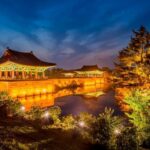
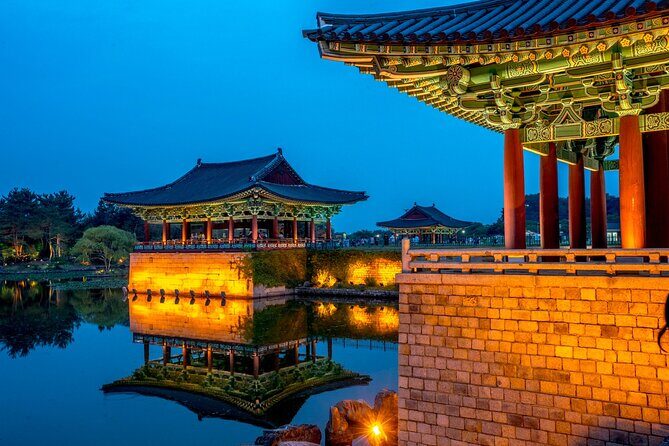
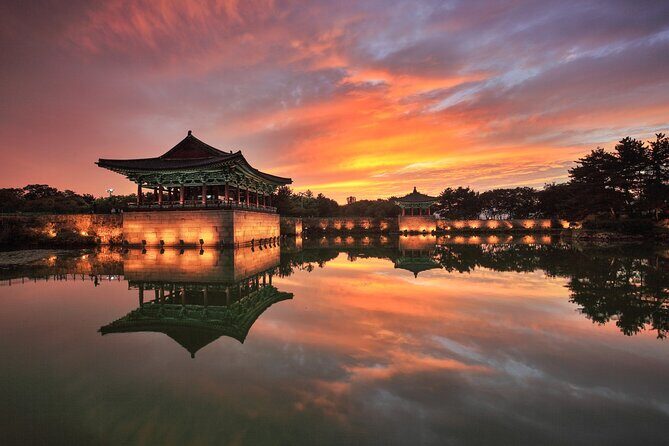
The day finishes at Donggung & Wolji, a historical palace and pond area inside Gyeongju National Park. It was first constructed in 674 and the pond has historical memories tied to the site.
A cool detail that adds context: the pond was temporarily drained in 1972, revealing more about what’s underneath and how the space changed over time. That kind of story makes the area feel more real when you’re standing there, even if you’re not reading every sign.
You get about 50 minutes here, and admission is included. This stop is timed to deliver a quieter mood toward evening. As light fades, the pond-and-palace atmosphere turns slower, and it’s a good way to close a full day without feeling like you still need one more major attraction.
Price and value: does $88.57 make sense?
At $88.57 per person, this isn’t a budget-only day. You’re paying for a lot of “friction removal,” which is exactly what you want on a long itinerary like this.
Here’s what you get for that price:
- Round-trip transportation between Busan and Gyeongju
- English & Chinese speaking staff
- Admission fees across the main sights
- A Sky Capsule ticket at Blueline Park
If you tried to cobble it together yourself, you’d spend time comparing transport options, buying tickets, and managing timing across multiple sites. This tour builds those parts into the day so you can focus on actually seeing the places.
One more value factor: you get guided highlighting plus built-in free exploration pockets. The best part of the day isn’t only the included tickets; it’s the structure that still gives you room to breathe in the places where wandering makes sense.
Small group feel, mobile tickets, and what can change
This tour limits groups to up to 43 travelers, and that matters for comfort on a day packed with stops. It’s big enough that you’re not waiting around in silence, but small enough that staff can generally manage the flow.
Tickets are mobile, so you won’t need paper. You’ll also get confirmation at booking time, which removes one stress point before the day starts.
Finally, the schedule can change due to traffic and weather. That’s not unusual in South Korea, especially with outdoor components like the shoreline temple and the capsule ride. Just plan to be flexible, because the tour is designed to adapt.
Who this day trip suits best
I think this tour fits best if you:
- Want a Busan to Gyeongju day without switching hotels
- Like a mix of modern coastal views and major historic landmarks
- Prefer guided structure but still want time for snacks and casual strolling
- Are comfortable with a long day and meal planning on your own
It may not be your best match if you’re trying to do a slow, deep study of each site. With set stop times like 35–50 minutes at several locations, you’re going to see a lot. If you want long stays and repeated visits, you might prefer a multi-day plan.
Should you book this Busan-to-Gyeongju day tour?
If you’re short on time and want a high-hit route—Sky Capsule in Busan, then Bulguksa and UNESCO-listed Gyeongju sites with a proper dusk finish at Donggung & Wolji—this is a strong choice. The value is in the combination of transport + tickets and the rhythm that includes real free exploration.
My advice: book it if you want to compress the “greatest hits” into one day and you’re okay with meals on your own. Skip it if you crave a relaxed pace more than a packed itinerary.
FAQ
How long is the Gyeongju Historic Areas day tour from Busan?
The tour runs about 11 to 12 hours.
What’s included in the tour price?
Round-trip transportation, English & Chinese speaking staff, admission fees, and the Blueline Park Sky Capsule ticket are included.
Is lunch included?
Lunch is not included. You have time around Cheongsapo or Mipo for lunch at your own expense.
How long is the Sky Capsule ride and where do you board?
You stop at Haeundae Blueline Park for the Sky Capsule segment, and the plan includes about 50 minutes. Boarding is at Mipo Station on the Blueline Park route that runs along the coast.
Can I share the Sky Capsule with other passengers?
Yes. Each Sky Capsule accommodates up to 4 passengers and may be shared with other guests.
Which major UNESCO-listed sights are visited in Gyeongju?
You visit Bulguksa Temple (UNESCO World Cultural Heritage site) and the Gyeongju Historic Areas (UNESCO World Heritage Site).
Are admission fees included for temples and historic areas?
Yes. Admission fees are included for the stops listed in the itinerary.
Does the itinerary ever change?
Yes. The itinerary is subject to traffic and weather conditions, and Sky Capsule boarding time may be adjusted.
How do I receive my tickets?
You receive a mobile ticket.
What is the cancellation policy?
Free cancellation is available up to 24 hours in advance for a full refund. If you cancel less than 24 hours before the start time, the amount paid is not refunded.