REVIEW · SEOUL
Seoul: Mt. Seoraksan National Park Autumn Foliage Day Tour
Book on GetYourGuide →Operated by KTOURSTORY · Bookable on GetYourGuide
Red mountains in one long day.
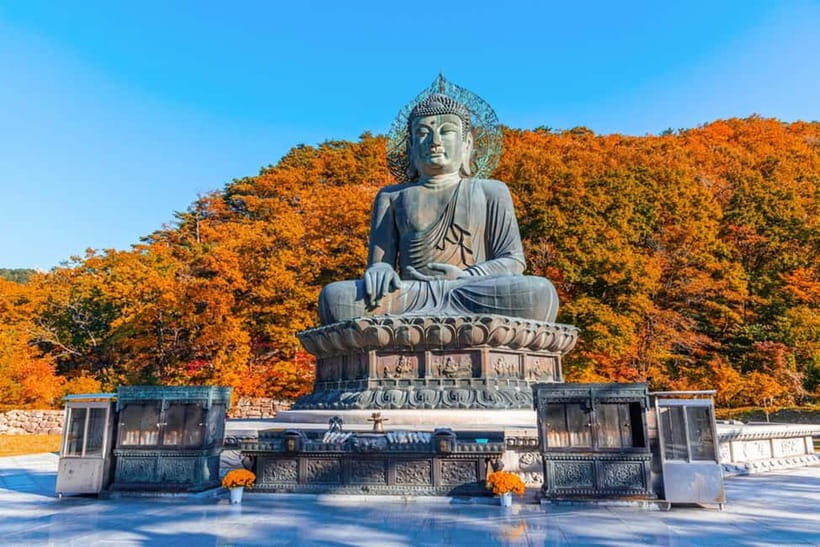
This day trip swaps Seoul traffic for Seoraksan National Park in Gangwon Province, where Korea’s tall granite peaks meet red, orange, and yellow leaves. It’s a simple format that works well in autumn: get out early, arrive around 10AM, hike when the light is good, and head back before dinner.
I especially like the pacing. You get about 5 hours of free time inside the park, which means you can do a tough climb or choose calmer walking paths without feeling rushed. I also like the support built into the day, with English & Chinese speaking staff on the trip and a chance to get basic orientation before you strike out on your own.
One drawback to plan for is that conditions can change fast. Wind (and rough weather) can reduce what you can see from viewpoints, and the cable car ticket is not included—so you’ll want a plan B if the weather isn’t cooperating.
In This Review
- Key things that make this day trip work
- Mt. Seoraksan: the autumn mountain you come for
- Getting from Seoul to Seoraksan without losing the day
- Your on-the-ground game plan: 5 hours of free hiking time
- Ulsanbawi climb: tough steps, stunning payback
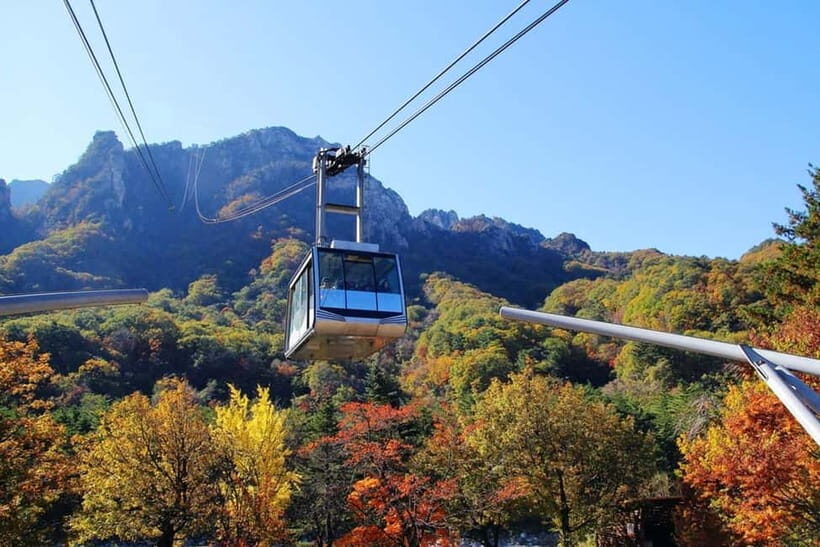
- Cable car: optional, not included, and weather-sensitive
- Photography and viewpoint tips that match the park
- Value for money: is $60 a good deal?
- Who this tour fits best (and who might want a different plan)
- What I’d do to choose your hiking level on arrival
- Should you book the Seoul to Seoraksan autumn day tour?
- FAQ
- What’s included in the tour price?
- What time do I arrive at Seoraksan, and how long do I have inside the park?
- Are meals included?
- Is the cable car included?
- Where does the tour start and end?
- What should I bring for the day?
Key things that make this day trip work
- About 5 hours in the park gives you real hiking time, not just photo stops from the bus.
- Free-time hiking means you can match your effort level, from step-heavy routes to easier walks.
- Multilingual staff support (English and Chinese speaking) plus a rest-stop briefing to help you navigate.
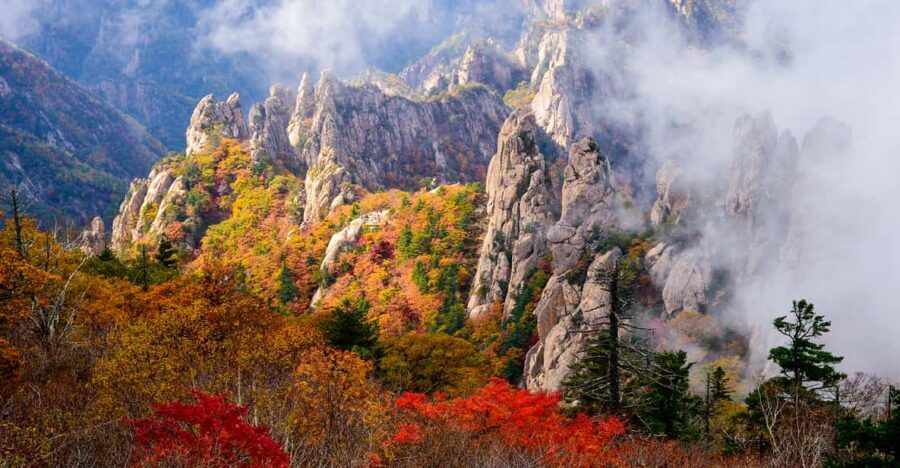
- Korea’s steep, rocky scenery: dramatic granite peaks paired with fall leaf colors.
- Cable car is optional and extra (not included), so you control how much you rely on it.
Mt. Seoraksan: the autumn mountain you come for
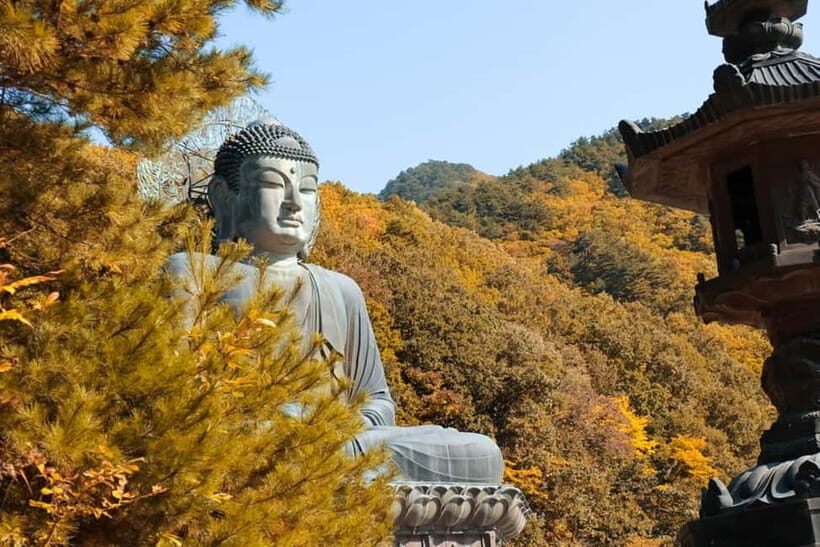
Seoraksan National Park is in Gangwon Province, and it’s one of Korea’s most popular fall destinations for a reason. This area is known for tall peaks, and in autumn the slopes turn into a color show you can feel the moment you reach the park.
The big win here is contrast. You’re going from city life to crisp mountain air, then spending the day walking under trees that are turning bright shades of red, orange, and yellow. Add in the granite peaks and you’ll understand why people make this trip even if it takes time to get there.
If you’re the type who likes scenery that looks good from lots of angles, Seoraksan delivers. The trails run along mountainsides, so views tend to open up as you go—rather than being only one dramatic viewpoint at the end.
You can also read our reviews of more tours and experiences in Seoul.

Getting from Seoul to Seoraksan without losing the day
This is an early-departure style tour, and the timing matters. You head out from Seoul in the morning and typically reach the park area around 10AM, which is a practical sweet spot for autumn hiking. It gives you enough daylight for photos and viewpoints, without pushing you into an all-day overnight trip.
On the way, there’s usually a short rest stop, and you’ll get basic info before you arrive in the park. That’s helpful because Seoraksan is large, and a little orientation makes your free time feel more intentional. Some groups have staff like Alice sharing basic guidance during that break, and it can help you decide how ambitious your plan should be.
Return timing is also solid for a day trip. You relax on the ride back with departure around 3:30PM, then arrive back in Seoul around 6:30 to 7:20PM. In other words, you’re not stuck in a late-night bus and you still get an evening in the city if you want it.
One small but important reality: traffic and weather can shift the schedule. Since the itinerary depends on road conditions and mountain weather, leave yourself flexible expectations about exact timing.
Your on-the-ground game plan: 5 hours of free hiking time
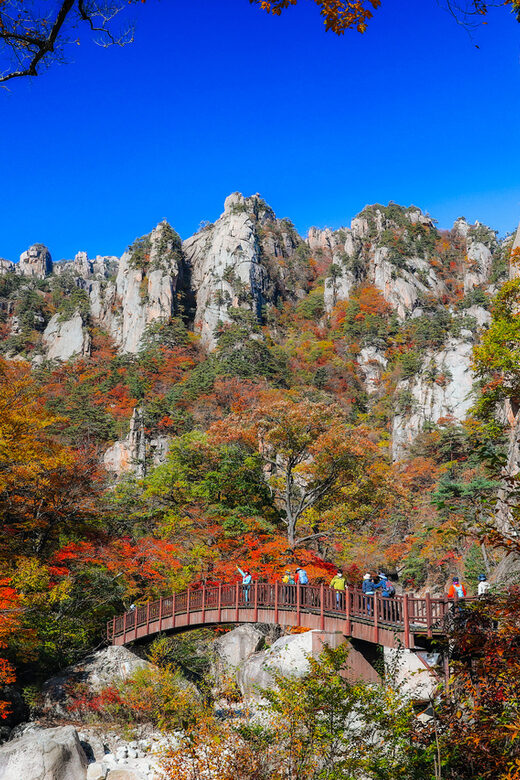
Once you’re inside the park, you get a block of individual time to explore. That’s the part I like most, because it turns the tour into a framework rather than a rigid march.
Here’s what you can expect during that free time:
- Hiking trails along the mountainside with changing viewpoints as the terrain rises
- Colorful forest sections where the leaves look best in patches, not just as one flat blanket
- Mountain views toward dramatic granite peaks
- Temples tucked into the woods, where you can slow down and reset
You can hike hard or go easy. Some routes have serious step counts, while other basic walks are more manageable if you want scenery without a full workout. In autumn, the day can also feel heavier than you expect, especially if you’re doing a longer climb and then stopping for photos.
Food is also not a big problem. There are restaurants inside the park area, so you can grab a meal on-site if you want to keep everything simple. (Meals aren’t included, so build your budget for lunch.)
Ulsanbawi climb: tough steps, stunning payback
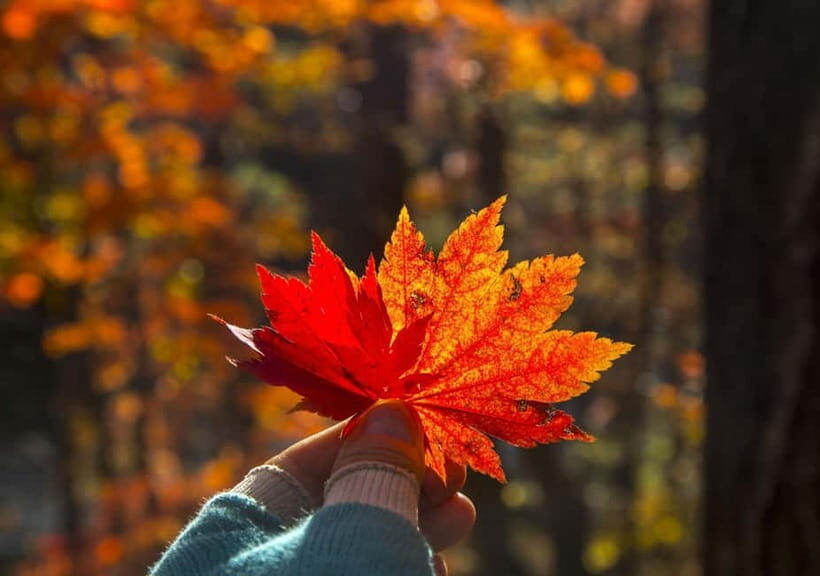
If you’re looking at the more demanding part of Seoraksan, you’ll likely hear about the hike to Ulsanbawi (sometimes spelled Ullsabwawi in tour info). This is the kind of climb that surprises people because it’s less about distance and more about climbing steps.
One clear lesson from past groups: if you choose Ulsanbawi, don’t underestimate it. The step-heavy portion can take real stamina, and one hiker reported finishing a climb in about 4 hours while still leaving time later. If you’re planning to do this, I’d treat it like a proper hike day, not a casual stroll.
The upside is that it’s exactly the kind of effort that pays off in photos and viewpoints. The views from the steeper areas are what make Seoraksan feel like a different world than Seoul.
If you want the scenery but not the step grind, you can also build a plan with less strenuous paths. The park offers simpler walking options, so you’re not forced into a single route.
Cable car: optional, not included, and weather-sensitive
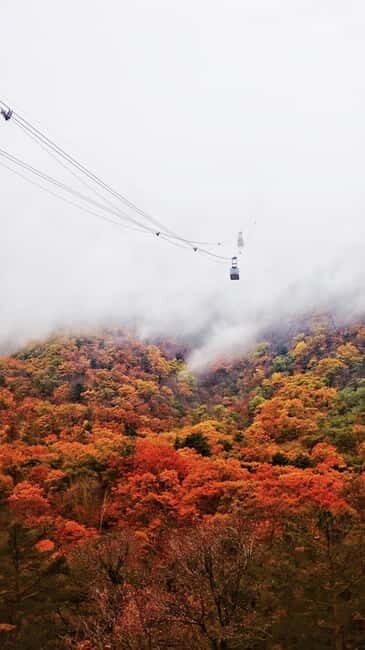
The cable car is the classic “maybe” in this kind of day trip. Cable car tickets are not included, so if you want that shortcut or viewpoint access, you’ll need to pay separately.
The other issue is wind. On at least one departure, wind affected what people could see, and the day didn’t deliver the full sightseeing experience because conditions made things harder at the top. That doesn’t mean the whole trip is ruined—it just means you shouldn’t build your entire day around one single cable car moment.
Practical advice: treat the cable car as a bonus, not the foundation of your plan. Choose hiking viewpoints you can still reach if cable car plans change. That mindset keeps the day enjoyable even when the mountain weather has opinions.




Photography and viewpoint tips that match the park
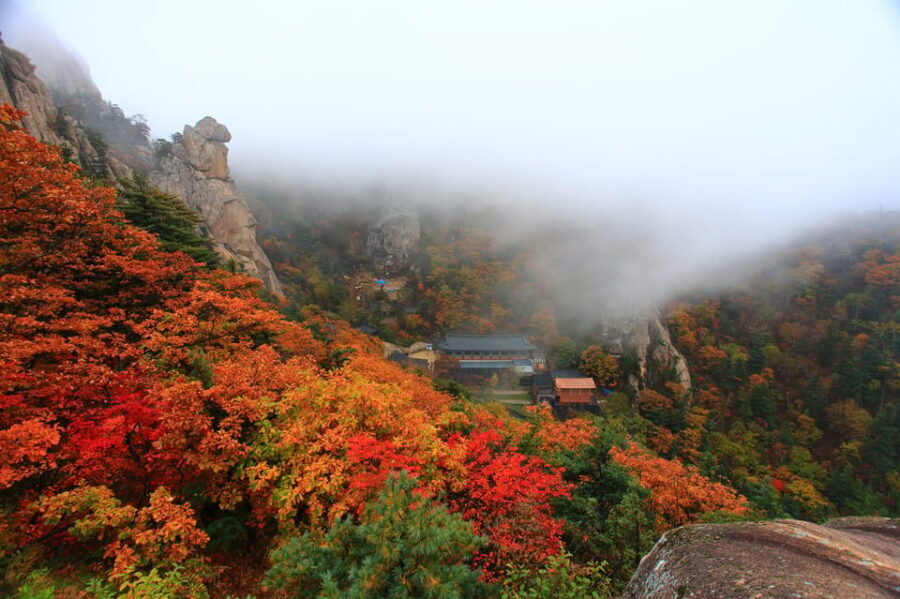
Seoraksan is excellent for photos because you’re mixing three visual elements: autumn leaves, rocky peaks, and forest depth. When the trails rise and curve, you get layered backgrounds rather than one flat scene.
A few practical ideas that help you shoot better during your free time:
- Start with viewpoints that are reachable without maximum effort, then decide if you have more energy.
- Keep your breaks short and frequent. Open views don’t last forever when weather and crowds shift.
- If the leaves look best at certain angles, revisit spots after you walk a bit more, not after you wait too long.
Also, autumn weather can turn wet. One group noted they got soaked, so bring something for rain even if the morning feels clear. A light rain layer and a way to protect your phone or camera from water can save the day.
Value for money: is $60 a good deal?
At $60 per person, this tour can be good value if you want the logistics handled. What you’re paying for is the heavy lifting: transportation plus English & Chinese speaking staff support. You’re not paying for a long, multi-day expedition—you’re paying for a one-day window into a top autumn landscape.
To judge value, compare what’s included versus what you’ll need to add:
- Included: transportation and English & Chinese speaking staff
- Not included: meals, traveler’s insurance, and cable car tickets
If you were to rent a car or juggle buses on your own, time and stress add up fast, especially with weather changes in the mountains. This tour’s structure—morning departure, about 5 hours on-site, and a scheduled return—protects your day from becoming a transportation puzzle.
The only caution is that you’re still responsible for your hiking plan once you’re in the park. That’s not a problem for most people, but it does mean you should show up with comfortable shoes and a realistic idea of how much climbing you want to do.
Who this tour fits best (and who might want a different plan)
This works especially well if you want:
- An easy way to escape Seoul for a full day of mountain scenery
- A guided transport setup with free time to hike on your own
- Autumn photos with a real sense of vertical terrain and peak views
- Flexibility—some routes are tougher, and simpler walks exist too
It may be less ideal if you want a super structured, step-by-step guided hike the whole way. The day gives you freedom after arrival, which is great for independence, but not ideal if you want constant narration and tight group control on every trail.
Also, be realistic about weather. Operation can change due to conditions, and mountain wind can shape what you can experience. If you prefer guaranteed indoor alternatives or are easily frustrated by changing views, you’ll want to keep your expectations flexible.
Finally, punctuality matters. When people arrive late, it can affect the group timeline on the return. The day is built around catching the bus, so be ready a bit early at any meeting point cues.
What I’d do to choose your hiking level on arrival
Since you have free time, your best decision happens soon after you enter. Here’s a simple approach that keeps the day fun:
If you want a challenge:
- Aim for the Ulsanbawi climb, but assume the step-heavy section takes time.
- Leave buffer time for photos and for getting back before the bus.
If you want lighter walking:
- Pick calmer trail sections where views still open up.
- Focus on temple stops and forest lookouts, which can feel surprisingly rewarding even without a summit-style push.
Either way, bring comfortable shoes and plan for weather. One experienced hiker found the tougher climb took about 4 hours, but still left time for food later, which suggests you can mix ambition with a comfortable pace if you start smart.
Should you book the Seoul to Seoraksan autumn day tour?
I think this is a strong book for autumn in Korea if you want a stress-free route out of Seoul and a realistic taste of Seoraksan’s mountain scenery. The combination of transport, multilingual staff support, and about 5 hours of free hiking time is the right structure for most people. You’ll get time for both viewpoints and slower moments, including temple areas in the woods.
I’d book it if you:
- Want a day trip that feels like a real nature outing, not just a drive-by
- Like choosing your own hiking pace once you arrive
- Are excited about fall color, granite peaks, and forest trails
I might skip or choose a different approach if you:
- Need fully predictable weather and viewpoints
- Are expecting cable car access to be included
- Don’t want to do any stairs or uphill walking
If you’re okay with mountain weather being the boss and you show up with good shoes and a rain plan, this day trip is an efficient way to experience one of Korea’s classic autumn landscapes.
FAQ
What’s included in the tour price?
The price includes transportation plus English & Chinese speaking staff.
What time do I arrive at Seoraksan, and how long do I have inside the park?
You typically reach the park area around 10AM and have about 5 hours for individual hiking and exploring.
Are meals included?
No. Meals are not included, but there are restaurants inside the park area.
Is the cable car included?
No. Cable car tickets are not included.
Where does the tour start and end?
The meeting point may vary depending on the option booked, and the tour ends back at the meeting point.
What should I bring for the day?
Wear comfortable shoes. Also plan for mountain weather since conditions can change and it may rain or be windy.