REVIEW · GYEONGJU
Gyeongju: UNESCO Heritage Tour Including Bulguksa Temple
Book on GetYourGuide →Operated by Busan Tourism Center · Bookable on GetYourGuide
Silla-era legends show up fast here. This 8-hour Gyeongju trip strings together UNESCO sights and major Silla-era treasures, with a guide, air-conditioned van, and time in places that feel like a living time capsule. I especially like how the day mixes Bulguksa Temple’s Buddhist architecture with Seokguram Grotto’s granite Buddha artistry, so you get two very different sides of Korea’s cultural peak.
My other big win is logistics: you’re picked up from Busan or Gyeongju, driven between spread-out sites, and kept on track by a real guide (many recent days run with guides like Sue and drivers like Joe). One drawback to keep in mind: if your start time runs late, the schedule can feel tight and you may not make every final stop.
In This Review
- Key highlights to know before you go
- Why Gyeongju feels like a real UNESCO lesson
- Getting picked up: where this tour saves you real effort
- Gyochon Village and the Gyeongju Choi Clan House: hanok life in daylight
- Daereungwon Tomb Complex: reading royalty in burial mounds
- Cheomseongdae: Korea’s oldest astronomical observatory
- Bulguksa Temple: UNESCO pagodas and stone-bridge drama
- Seokguram Grotto on Tohamsan Mountain: the granite Buddha plus guardians
- Wolji Pond and the Donggung Palace grounds: the calmer ending
- How the 8-hour loop usually feels on the ground
- Price check: is $189 per person worth it?
- Who should book this Gyeongju UNESCO tour
- Should you book this UNESCO Heritage Tour?
- FAQ
- How long is the Gyeongju UNESCO Heritage Tour?
- Where do pickups happen for this tour?
- What UNESCO site is included?
- Are there guided tours at the main stops?
- Is lunch included?
- Are entrance fees included?
- What language is the tour guide?
- Is this tour private or in a group?
- Can I cancel and get a full refund?
Key highlights to know before you go
- Bulguksa Temple (UNESCO): guided time for the pagodas Dabotap and Seokgatap, plus stone bridges and courtyards
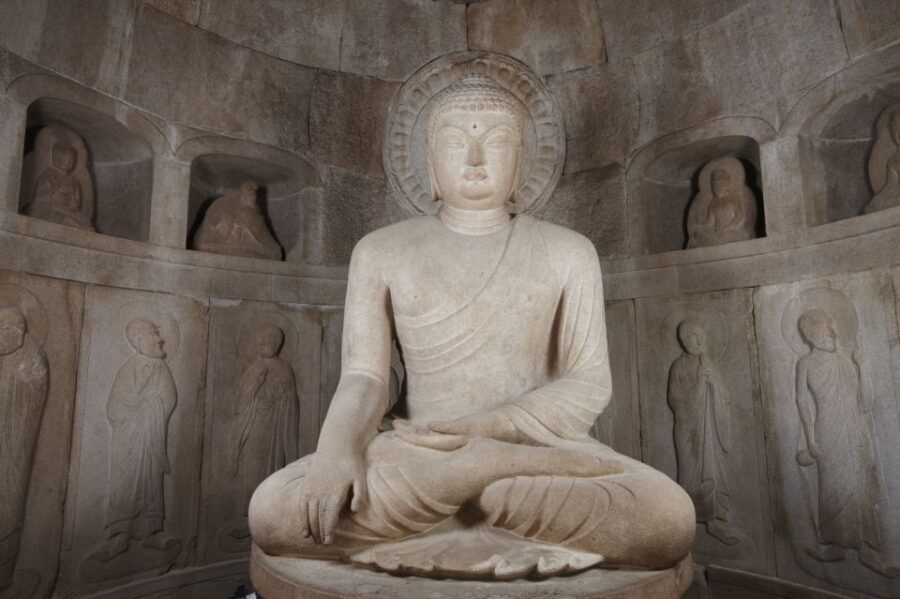
- Seokguram Grotto: a focused visit up Tohamsan Mountain to see the granite Buddha and carved guardians
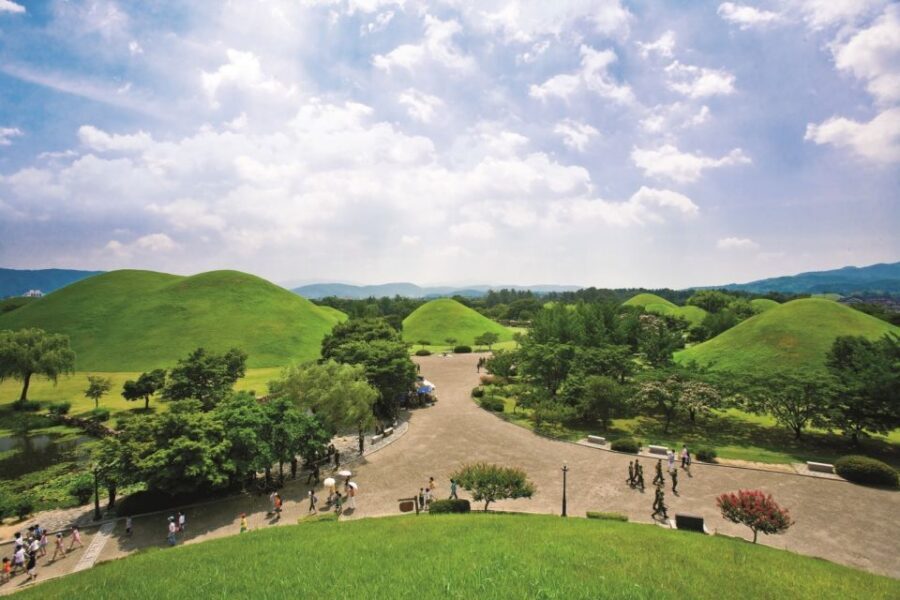
- Daereungwon Tomb Complex: grassy burial mounds with standout tombs like Cheonmachong and Hwangnamdaechong
- Cheomseongdae: Korea’s oldest surviving astronomical observatory made of stone
- Wolji Pond: a calm palace-garden finish at Donggung Palace grounds, often most pretty near dusk
- Gyeongju Gyochon Village: hanok village streets plus the House of the Gyeongju Choi Clan
Why Gyeongju feels like a real UNESCO lesson
Gyeongju is often described as a museum without walls, and this tour is built around that idea. You’re not stuck in one building learning facts. You’re moving through royal sites, burial grounds, science landmarks, and temple grounds that helped define Korea’s Silla identity for centuries.
What I like is the balance. You get grand, famous UNESCO-worthy structures, yes. But you also get the “supporting cast” that explains the worldview behind them—tombs tied to royal power, a stone observatory tied to science, and palace-garden space tied to how the Silla court lived and watched the sky.
This works especially well if you’re short on time in Korea, or if you’re basing yourself in Busan and want a high-value day without juggling bus transfers and long walks on your own.
You can also read our reviews of more historical tours in Gyeongju
Getting picked up: where this tour saves you real effort

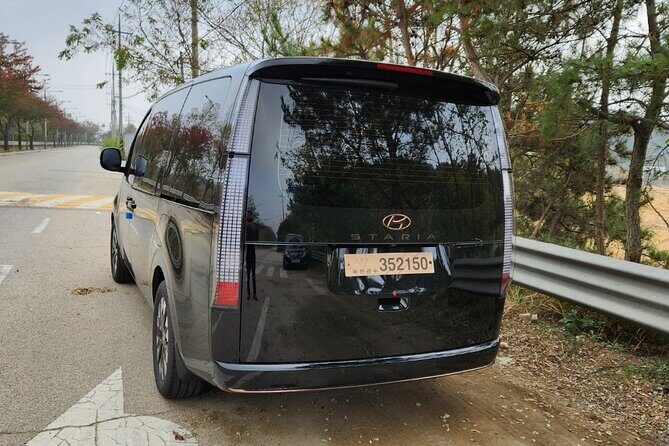
The big practical win is simple: hotel pickup and drop-off. You can choose from pickup areas in Busan or Gyeongju, and the tour runs with an air-conditioned van and an English live guide.
On a day like this, transportation is half the battle. Gyeongju’s major sites aren’t all clustered within easy walking distance. Having a driver do the route for you means you can focus on what you actually came for—history, views, temple details, and the big Silla monuments.
I also like that recent experiences highlight how helpful the guide and driver can be with staying oriented. If you’ve ever wandered a temple compound trying to match your phone map to stone paths, you’ll understand why that matters. The van gets you there, and the guide helps you see what to look for.
Gyochon Village and the Gyeongju Choi Clan House: hanok life in daylight
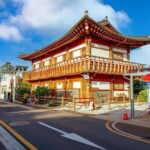
Your first cultural stop is Gyochon Village, a traditional hanok area that preserves the look and feel of historic Korean upper-class domestic life. This is the moment where the day “sets the stage.” Before you hit tombs and temples, you get streets and architecture that help you picture what Silla-era descendants might have valued later on.
A highlight is the House of the Gyeongju Choi Clan, where you can see heritage-focused home spaces and craftsmanship. Even if you’re not a “house museum” person, the hanok details help your brain shift from modern Korea into a more historical rhythm.
There’s also a small cultural bonus that’s optional when available: Gyeongju Gyodong Beopju, a traditional local liquor. Don’t plan your day around it. Just know it’s there as a taste of regional identity if you want something beyond sightseeing photos.
Daereungwon Tomb Complex: reading royalty in burial mounds
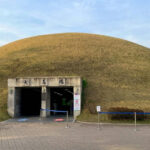
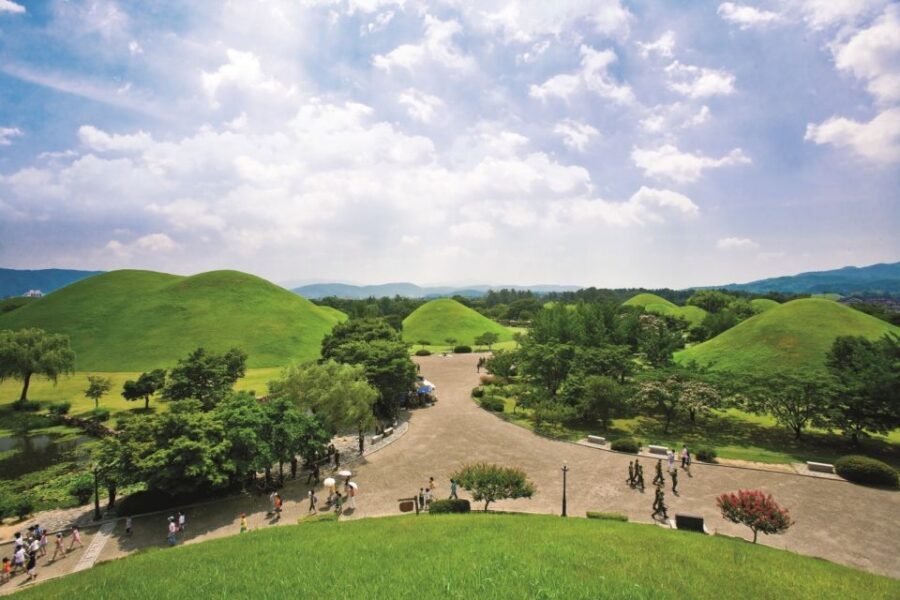
Next up is the Daereungwon Tomb Complex, where Silla kings and aristocrats were laid to rest in large grassy mound tombs. From a visitor perspective, these sites are powerful because they’re quiet and open. You’re not boxed in. The scale shows up when you walk the grounds and see how the tombs sit across the landscape.
Key tomb stops include:
- Cheonmachong, known for the ancient horse painting discovered there
- Hwangnamdaechong, one of the largest and most elegant tombs of the era
What you’ll notice is how nature and monument design work together. The mounds look gentle, even soft, but the underlying meaning is anything but small. This is how power stayed visible even after people were gone.
Potential drawback: it’s outdoors. If you’re visiting in hotter months, bring patience and plan for a slower pace as you walk between tomb sections.
Cheomseongdae: Korea’s oldest astronomical observatory
Then you hit one of Korea’s most iconic “science meets culture” landmarks: Cheomseongdae. This stone observatory is the oldest existing astronomical observatory in Asia, built during the reign of Queen Seondeok.
This stop is short—about 30 minutes guided—but it’s one of those places where you leave thinking differently about the Silla period. You’re not just learning that people had beliefs. You’re seeing that they engineered a way to watch and measure the sky.
If you’re the kind of traveler who likes architecture and precision, Cheomseongdae is a great gear shift between the emotional weight of tombs and the spiritual focus of temples. It also makes the whole day feel more complete. Silla culture wasn’t only monuments and legends. It included observation, measurement, and knowledge systems.

Bulguksa Temple: UNESCO pagodas and stone-bridge drama
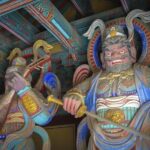
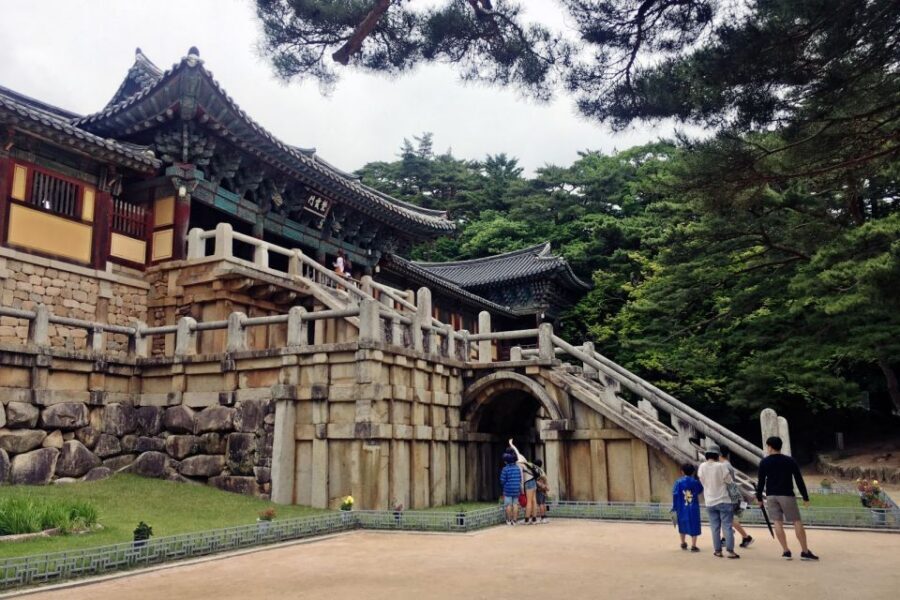
This is the centerpiece: Bulguksa Temple with a guided visit (about 1 hour). Bulguksa is UNESCO World Heritage for both architectural beauty and spiritual importance, and it earns that status.
Plan to focus on details rather than only big-picture views. The temple complex includes:
- stone bridges
- quiet courtyards
- two famous pagodas: Dabotap and Seokgatap
Dabotap and Seokgatap are the kind of names you’ll remember because the pagodas are visually distinctive. It helps to have a guide here. The stories and context connect the shapes to meaning, and you get a better sense of why these buildings were made to last.
Practical tip for your experience: pace yourself. Temple courtyards can be calmer than the tomb sites, but they still involve walking between structures and steps. I’d give yourself a moment at each courtyard to look around before moving on—especially if you want photos that don’t blur from rushing.
Seokguram Grotto on Tohamsan Mountain: the granite Buddha plus guardians
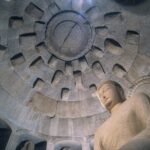
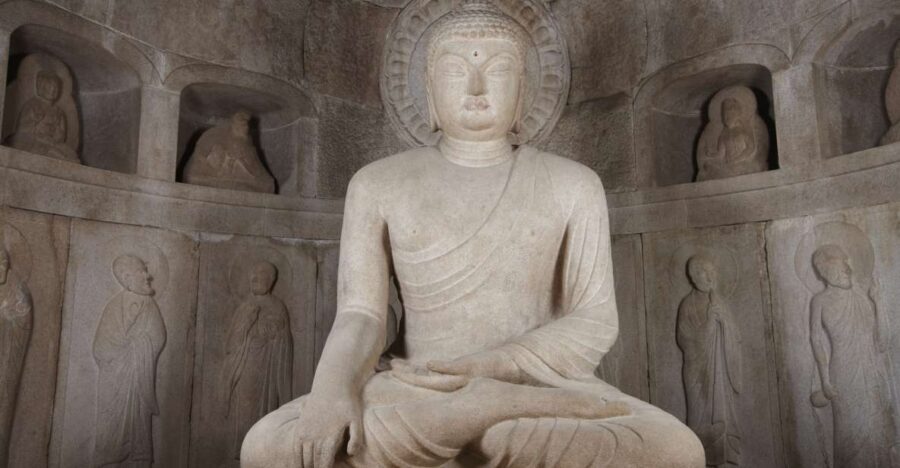
After Bulguksa, you go up Tohamsan Mountain to see Seokguram Grotto, also a major cultural stop with a guided visit (about 1 hour). The big headline is the granite Buddha statue, surrounded by intricately carved guardians.
This is one of those experiences where the art feels engineered. The carving details and the way the space frames the Buddha make it more than a stop for a quick look. You’re seeing Buddhist art and construction choices that were meant to be experienced slowly.
One small real-world note: the area around Seokguram is known for snack vendors. In at least one recent experience, the group was able to try snacks sold by ladies outside the grotto, and that turned into a fun memory because it added a local flavor break.
The possible drawback here is timing and comfort. It’s a mountain trip segment, so plan for cooler air if it’s a winter visit and bring a layer if you run cold. If you start the day late, Seokguram is one of the stops most likely to feel rushed, so treat it as the “don’t miss carefully” part.
Wolji Pond and the Donggung Palace grounds: the calmer ending
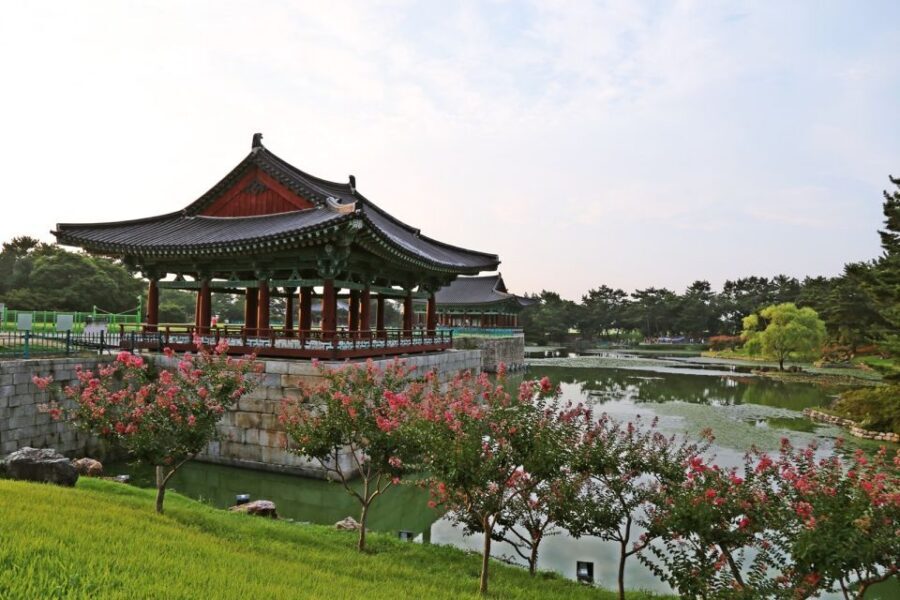
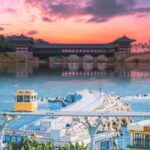
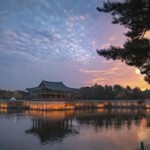
To wrap up, you’ll visit Wolji Pond, also known as the Donggung Palace site. This palace garden was built during King Munmu’s reign, and it’s built for stillness: calm waters, pavilion views, and trees reflecting around the pond.
This stop is scenic and also a good mental reset after temples and tombs. You’ve been looking at monuments, symbols, and sacred spaces. Now you get a slower scene that feels like royal leisure and court life.
If you can time your photos well, aim for the softer light near dusk. Not every day guarantees the sky will cooperate, but the pond is generally at its best when the light turns gentler and the reflections show more.
How the 8-hour loop usually feels on the ground
The itinerary is packed but structured, with guided time at most stops. You’ll typically move through these guided segments:
- Bulguksa Temple (about 1 hour)
- Seokguram Grotto (about 1 hour)
- Daereungwon Tomb Complex (about 1 hour)
- Donggung Palace & Wolji Pond (about 1 hour)
- Cheomseongdae (about 30 minutes)
- Gyeongju Gyochon Traditional Village (about 1 hour)
In plain terms, it’s not a “sit and admire” day. It’s a “see a lot and learn what matters” day. That’s great if you want maximum value and you don’t mind walking between sites.
A real caution from experience patterns: one guest noted that when the tour started late, the group moved faster through activities and didn’t visit the last itinerary item. So if you’re the type who wants zero rush, aim for a smooth, on-time start and keep your energy up with water and comfortable shoes.
Price check: is $189 per person worth it?
$189 for an 8-hour guided UNESCO-heavy day sounds high until you add up what’s included. Here’s what you’re getting:
- hotel pickup and drop-off in Busan or Gyeongju
- an English live guide
- an air-conditioned van
- lunch
- bottle of water
- all entrance fees
When entrance fees, transport, and guiding are bundled in, the price starts looking fair—especially compared to the cost of trying to piece together a private guide plus transit plus paid admissions yourself.
Lunch is also part of the value equation. One guest specifically called out the lunch as a highlight and mentioned learning how to eat bibimbap the right way. Even if your lunch menu isn’t the exact same, it’s a real “energy budget” feature. You’re not searching for food in between mountain and temple segments.
The main reason some people might hesitate is that it’s still a full-day commitment. If you’re in Gyeongju already and you love self-paced travel, you might prefer a cheaper option with more flexibility. But if you want one day to cover the essentials without guesswork, $189 can make sense.
Who should book this Gyeongju UNESCO tour
This tour fits best if:
- you want a first-time Gyeongju overview packed into one day
- you’re traveling from Busan and don’t want to figure out schedules between sites
- you like guided context, especially around major landmarks like Bulguksa and the Silla tomb complex
- you value a smooth, comfortable van ride and included admissions
It may not be ideal if:
- you hate any form of schedule pressure
- you’re a slow walker who needs long breaks between every stop
- you want only one or two sights instead of a “greatest hits” day
I’d also suggest it to travelers who like history but aren’t history majors. The guidance helps you connect the big names (Queen Seondeok, Silla royal burials) to what you’re literally standing in front of.
Should you book this UNESCO Heritage Tour?
If your goal is to see Bulguksa Temple, Seokguram Grotto, Silla royal tombs, and Cheomseongdae in one efficient day, this is a strong choice. The guide + van + entrance fees + lunch combination is the core reason to book, because it removes the planning stress that otherwise eats up your vacation time.
My call: book it if you want a guided, structured day where you leave with clear impressions of what made the Silla dynasty so influential—and you don’t want to spend your energy on logistics.
FAQ
How long is the Gyeongju UNESCO Heritage Tour?
It lasts 8 hours.
Where do pickups happen for this tour?
You can be picked up from Busan or Gyeongju, including your hotel or another chosen location in those areas. The tour also notes pickup from anywhere in Busan.
What UNESCO site is included?
Bulguksa Temple is included as a UNESCO World Heritage Site.
Are there guided tours at the main stops?
Yes. The tour includes guided time at major stops such as Bulguksa Temple and Seokguram Grotto, plus guided visits at other listed sites.
Is lunch included?
Yes, lunch is included.
Are entrance fees included?
Yes, all entrance fees are included.
What language is the tour guide?
The live tour guide is available in English.
Is this tour private or in a group?
It’s available as private or small groups.
Can I cancel and get a full refund?
Yes. Free cancellation is available up to 24 hours in advance for a full refund.