REVIEW · SEOUL
Bukhansan National Park- The Summit Course
Book on GetYourGuide →Operated by environment design lab · Bookable on GetYourGuide
The climb hits hard, then pays you back fast. This Bukhansan National Park Summit Course aims to get you to Baek-un-dae without the long, slow slog, and it keeps the safety focus where it belongs: on the mountain. I really like the early start and the way guide Koa runs the logistics, plus the optional post-hike tofu lunch that can turn picky eaters into tofu believers. The main drawback to plan around is the steep, rope-assisted section near the summit—exciting if you’re game, scary if you hate heights or have knee issues.
You’re going to feel this one. The ascent climbs about 600 meters of elevation over a short stretch, and the rocky terrain isn’t just a casual stroll. If you’re moderately fit, and you’re honest about your comfort level with steep grades, it’s a smart way to hike Seoul’s most iconic mountain while reducing the chances of turning a day out into an emergency.
In This Review
- Key Points You’ll Care About
- Seoul’s Highest Peak, With a Plan (Not a Guess)
- Meeting Koa at Bukhansan Ui Station (And Avoiding the Wrong Exit)
- A 4.5-Hour Summit Course That Feels Like “Stairs, But Outdoors”
- What you’ll do during the hike (in plain terms)
- The Baek-un-dae Rope Stretch: Thrilling, Short, and Not for Everyone
- Gear and Safety: What’s Included vs. What You Should Bring
- Why the Early Start Changes Everything
- Lunch After the Summit: Tofu, Built From Scratch
- Price and Value: Why This $67 Tour Makes Sense
- Who This Summit Course Works Best For
- Should You Book This Bukhansan Summit Course?
- FAQ
- Where do we meet the guide?
- What time does the group leave?
- How long is the hike?
- How hard is the ascent?
- Is the summit climb technical?
- Can I avoid the steep rope section if I’m afraid of heights?
- Is lunch included in the price?
- What gear is provided or available during the hike?
- Can I buy water during the hike?
Key Points You’ll Care About
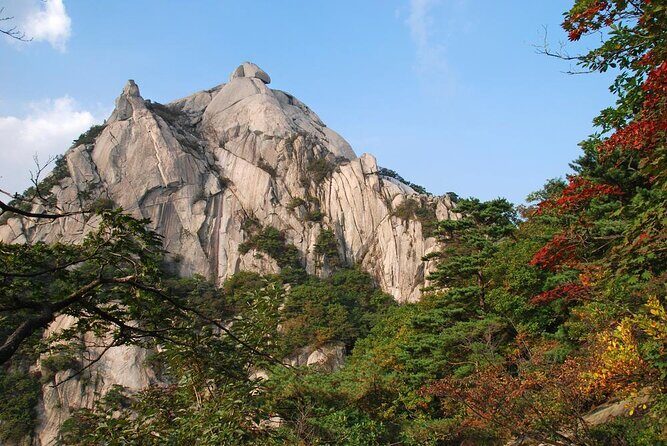
- Seoul’s highest peak: Baek-un-dae tops out at 836 m (2,743 ft) right on the city edge
- Shorter route, same summit goal: designed to take around 4 hours instead of the typical 6
- Big climb in a small distance: about 600 m of gain over roughly 2.1 km (1.3 miles)
- Rope-assisted 25–45° section: a 20–30 minute stretch where fear of heights matters
- Borrow gear at the 1/3 point: crampons and hiking poles available partway up
- Tofu lunch option after: often handmade, vegan/vegetarian friendly, sometimes with local add-ons like magokolli
Seoul’s Highest Peak, With a Plan (Not a Guess)
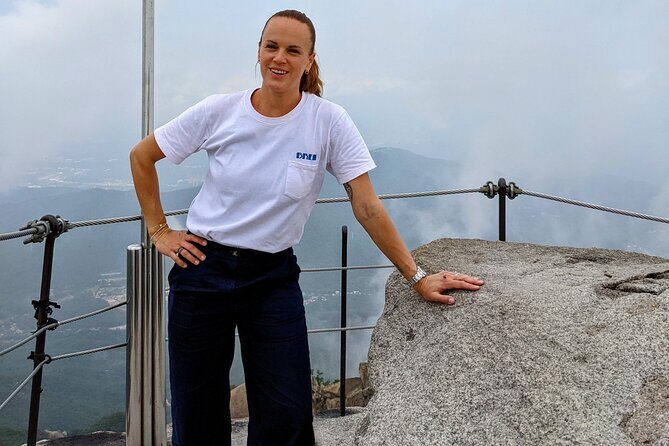
Bukhansan National Park sits right beside Seoul, so it feels like you can swap city noise for mountain air in under an hour. The payoff here is the summit itself: Baek-un-dae at 836 m, the highest peak in Seoul. You’re not hiking in some remote wilderness. You’re hiking where people live, work, commute, and still show up to climb—so the mountain can get crowded later.
That’s part of why this course is built the way it is. The route is designed for efficiency. With good timing, you can reach the summit and come down in about 4.5 hours total, instead of burning half a day on longer loops. When you’ve got limited time in Korea, that matters.
You can also read our reviews of more tours and experiences in Seoul.
Meeting Koa at Bukhansan Ui Station (And Avoiding the Wrong Exit)
The meeting point is extremely specific, and that’s a good thing. You meet your guide Koa outside Exit 2 of Bukhansan Ui station. Do not mix it up with Bukhansan Bogungmun station.
Arrive early because the group only waits for late comers for 15 minutes. Then you roll out at 8:15 am sharp. I recommend checking your route on Naver the night before. Seoul stations can confuse you fast when you’re tired or rushing.
A 4.5-Hour Summit Course That Feels Like “Stairs, But Outdoors”
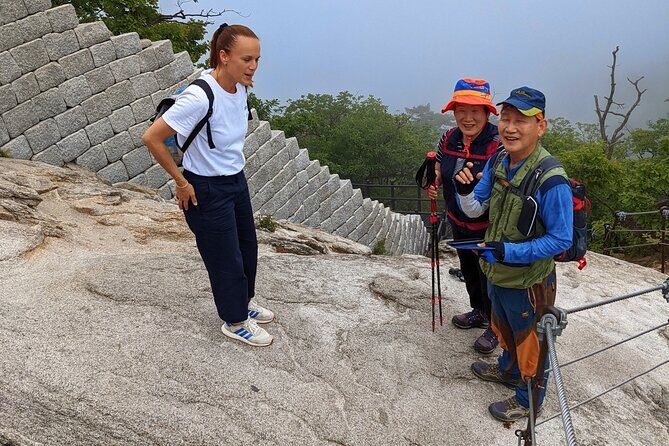
Let’s talk about what the hike actually feels like. The ascending part climbs roughly 600 meters of elevation over about 2.1 km (1.3 miles). That’s steep enough that even a normally fit person can get out of breath fast, especially on rocky footing.
If you’ve ever counted stairs, this is the closest mental picture you’ll get: you’re basically stacking and unstacking a lot of vertical effort in a short distance. One advantage is that you’re coming back down the same way, and the guide can help with pacing. You’re not expected to be superhuman the whole time.
Moderately fit is the standard here. If you train a bit, you’ll likely be fine. If you’re starting from couch-to-canyon, be careful. The terrain and grade matter as much as your cardio.
What you’ll do during the hike (in plain terms)
- You start with the uphill grind early, when conditions are usually more manageable.
- As you climb, you’ll hit the technical part later rather than immediately.
- You keep moving at a pace the group can handle, with opportunities to rest.
- Then you turn back and retrace your path, which helps keep navigation simpler.
The Baek-un-dae Rope Stretch: Thrilling, Short, and Not for Everyone
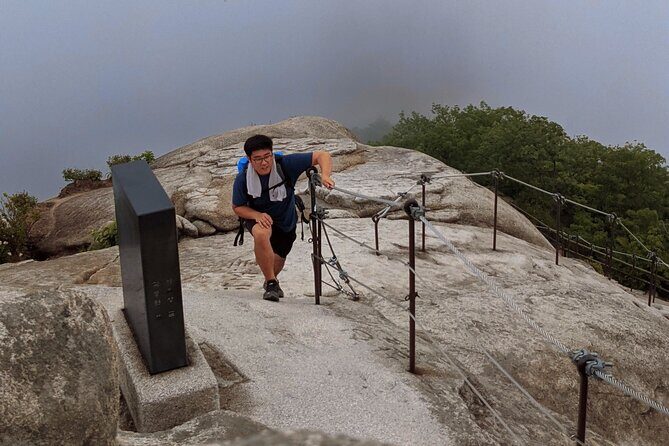
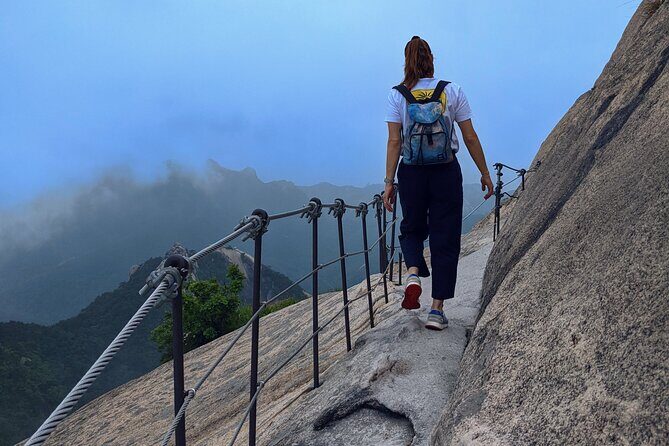
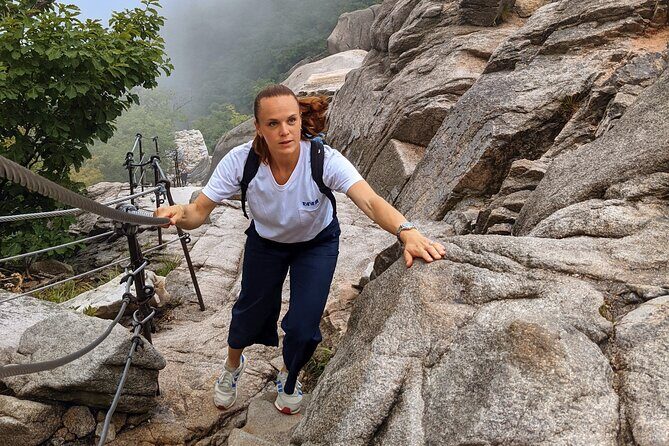
The highlight is Baek-un-dae, and that’s where the course gets serious. There’s a 25–45° angled climbing section that’s aided by ropes. Think short-but-intense climbing on rugged terrain.
The good news: it’s time-bounded. You’ll be on that steep segment for roughly 20–30 minutes, not hours. The guide also builds in safety and pacing, so you’re not just getting dropped into it.
The caution: if you have a fear of heights, this is the part that can push you past your comfort. You might be able to avoid it by taking a break, but don’t treat that as a guarantee that your route will be completely effortless. This is still a summit course, not a walk-up.




Gear and Safety: What’s Included vs. What You Should Bring
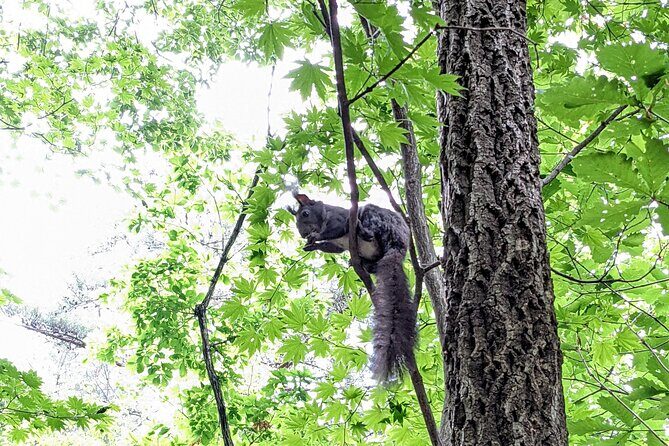
This tour is practical about safety. You get:
- Bug spray
- First aid kit
- Rain coat if needed
And you get help with traction and balance:
- Crampons and hiking poles can be borrowed at the 1/3 point
That “borrow partway up” detail matters. It means you’re not stuck carrying everything from the start, but you’ll have support when the terrain likely gets trickier. If you’re used to hiking without ropes or technical surfaces, that assist can make a real difference.
You also should plan around water. The hike includes a simple plan: you can buy water at the beginning at a convenience store. Don’t count on guessing. Buy it early and start hydrated.
One more thing: this mountain has a rescue problem. The course message is blunt for a reason: people get into trouble every year. This is the kind of hike where choosing an organized, safety-focused plan is smarter than improvising your own timing and route.
Why the Early Start Changes Everything
The mountain gets busy later in the day. That can mean slower movement on narrow sections, more people stopping where they shouldn’t, and more chaos on tight trails.
Starting early gives you a smoother experience: fewer bottlenecks, more time to find your rhythm, and less stress when the terrain turns technical. In one sense, it’s just logistics. In another sense, it’s how you keep a fun challenge from turning into a survival problem.
Plus, the early timing usually changes your mood. You’re climbing while the day is still young, so you feel more energized, not cooked.
Lunch After the Summit: Tofu, Built From Scratch
The optional reward is lunch at a place that specializes in tofu dishes. It’s not just tofu on a menu. The point is that they make things from scratch, and that can surprise you if your only memory of tofu is beige and boring.
The lunch is paid by individuals (about 9,000–15,000 KRW) and is vegan/vegetarian friendly, though they also serve meat for non-veg eaters. That flexibility makes it easier for mixed groups to eat together without splitting.
One more practical note: a few people also mention having local drinks like magokolli with lunch. Nothing here is guaranteed as part of the package, but if the restaurant offers it, it’s a nice way to cool down after the ropes and rocks.
Price and Value: Why This $67 Tour Makes Sense
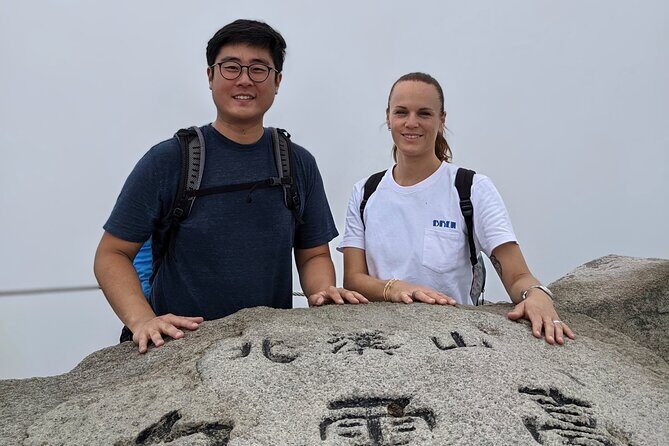
At $67 per person, you’re paying for more than just someone to say turn left. You’re paying for:
- an English-speaking guide (so you can understand safety cues and pacing)
- on-mountain organization that keeps you moving efficiently
- help with technical climbing sections
- basic safety gear plus partway-up equipment support
- the convenience of a planned route with a fixed summit goal
If you try to do this on your own, costs can add up fast: transport to trailheads, time lost figuring routes, and the hidden cost of stress. When you factor in reduced uncertainty, the price starts to look reasonable, especially if you’re on a schedule.
That said, it’s not a bargain if you’re already a confident technical hiker with solid navigation skills. For most first-timers, though, the guided structure is the value.
Who This Summit Course Works Best For
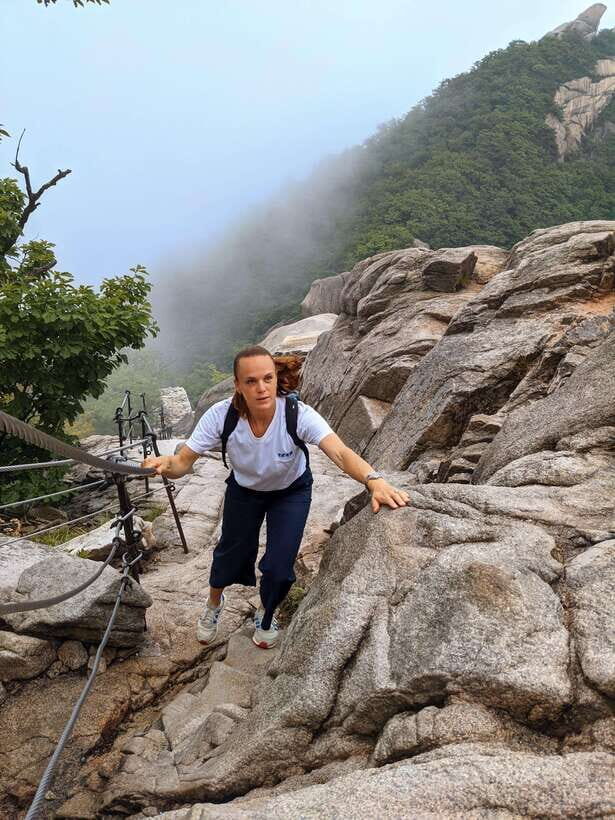
This is a hike for people who want a real climb, not a scenic stroll. It’s a good fit if you:
- are moderately fit
- enjoy a challenge and can handle rocky terrain
- want a guided summit attempt without spending all day on it
- prefer early logistics and clear pacing
- can respect your limits on the rope-assisted section
It’s a poor fit if you:
- have strong fear of heights and can’t manage steep rope sections, even briefly
- have knee problems that don’t handle steep grades and rocky descents
- expect an easy hike just because it’s close to Seoul
A helpful mindset: treat this like a controlled workout with a goal, not like a casual outing. You’ll enjoy it more that way.
Should You Book This Bukhansan Summit Course?
I’d book it if you’re in Seoul with limited time and you want the Baek-un-dae summit experience with safety and pacing handled for you. The early start, the structured route aimed at about 4 hours, and the guide support on the steep rope segment make it a smart choice.
Don’t book it blindly if you know you’re not comfortable with heights or you have vulnerable knees. If that’s you, pick a plan that matches your limits. The mountain is beautiful, but it’s still serious terrain, and this course already asks you to meet the climb halfway.
If you do decide to go, come prepared: wear footwear for rocks, carry your own water plan, and mentally budget for the steep push. Then enjoy the simple payoff—summit views, a shared group pace, and a tofu lunch that can change your opinion of the stuff.
FAQ
Where do we meet the guide?
Meet Koa outside Exit 2 of Bukhansan Ui station. Make sure you do not confuse it with Bukhansan Bogungmun station.
What time does the group leave?
The group leaves at 8:15 am sharp. Late comers are only waited for 15 minutes.
How long is the hike?
The activity is listed at 4.5 hours total. The course is designed to take about 4 hours to reach and conquer the summit.
How hard is the ascent?
The uphill segment includes about 600 meters of elevation gain within 2.1 km. It typically takes 100–120 minutes for the ascent pace, so you’ll need moderate fitness.
Is the summit climb technical?
Yes. Baek-un-dae includes a steep section with 25–45° angled climbing using ropes, lasting about 20–30 minutes.
Can I avoid the steep rope section if I’m afraid of heights?
The information says the steep part can be avoided by taking a break. If you have a strong fear of heights, plan carefully and be ready to adjust your comfort level during the hike.
Is lunch included in the price?
Lunch is optional and paid by individuals. It’s typically 9,000–15,000 KRW, and it focuses on tofu dishes with vegan/vegetarian-friendly options.
What gear is provided or available during the hike?
Included items are bug spray, a first aid kit, and a rain coat if needed. Crampons and hiking poles can be borrowed at the 1/3 point.
Can I buy water during the hike?
Yes. Water can be purchased at the beginning at a convenience store.

![[SEOUL] K-Beauty Tour : Hair, Makeup, Photo shoot - Finding the studio near Dosan Park (no, you don’t want to guess)](https://8.koreaadventures.com/wp-content/uploads/seoul-k-beauty-tour-hair-makeup-photo-shoot.jpg)