REVIEW · SEOUL
Thrilling Korean DMZ 3rd Tunnel Tour from Seoul + Red Bridge Rush
Book on Viator →Operated by VIP TRAVEL Co.Ltd · Bookable on Viator
Down the DMZ tunnels, up on Korea’s red bridge. This is one of those rare day trips where the sights come fast, and the stories hit even faster. I like that you get a real guided day with English/Chinese commentary, plus included admissions to major DMZ stops. My main caution: the optional red bridge is a steep workout, and the 3rd Tunnel is physically demanding.
A big part of the value is how the day is set up for you. You start with downtown pickup options (Myeongdong, Seoul City Hall, or Hongdae) and use comfortable, all-in transport instead of fighting Seoul subway crowds. You’ll also rely on a mobile ticket, and the tour can shift if DMZ access changes due to military or event issues.
In This Review
- Key highlights to know before you go
- Entering the DMZ day from Seoul: pickup, timing, and how the day runs
- Imjingak: the peace memorial side of the DMZ experience
- The Third Tunnel: physically intense, historically heavy, and photo-restricted
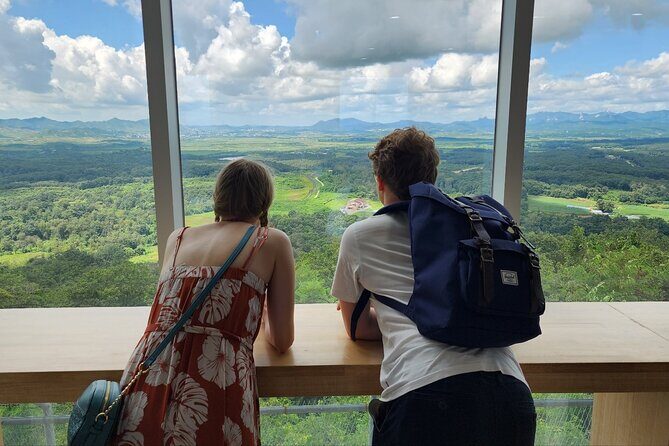
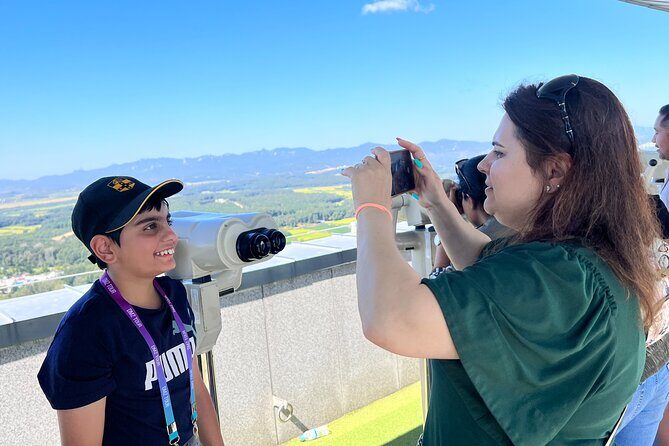
- Dora Observatory: closest views, no North Korea photos, binoculars help
- Gamaksan Red Bridge Rush: the steep hike you should take seriously
- Optional add-ons: gondola views and Tongilchon Village time
- Language, guides, and how to get the most out of the day
- Price and value: what $35 buys you (and what it doesn’t)
- The biggest “gotchas”: documents, schedule changes, and physical limits
- Should you book the Thrilling Korean DMZ 3rd Tunnel Tour + Red Bridge Rush?
- FAQ
- FAQ
- How long is the DMZ 3rd Tunnel Tour from Seoul?
- How much does the tour cost?
- Where can I meet the tour in Seoul?
- What’s included in the price?
- Do I need a passport?
- Are the gondola and red bridge optional?
- Can the tour time change?
Key highlights to know before you go
- Hotel pickup + central drop-offs: choose from Myeongdong, City Hall, or Hongdae meeting points, then get dropped back in central Seoul.
- 3rd Tunnel of Aggression: one of the most talked-about DMZ experiences, but it’s not easy physically and you can’t take photos inside.
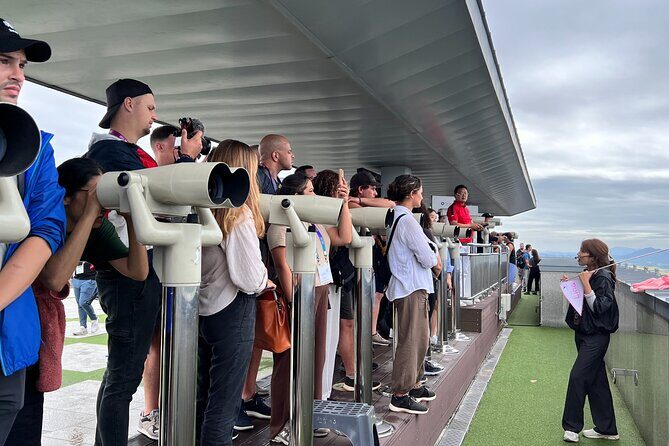
- Dora Observatory: your best shot at the closest official viewing point over North Korea, with photo restrictions.
- Peace-focused Imjingak area: bullet-scarred Freedom Train, Bridge of Freedom, Peace Bell, and memorial stops that give context before the tunnel.
- Optional Red Bridge Rush: Gamaksan suspension bridge hike (steep hillside, limited time).
- Optional gondola: Paju Imjingak Peace Gondola crosses into the Civilian Control Zone for a higher-angle view.
Entering the DMZ day from Seoul: pickup, timing, and how the day runs
This tour is built for people who want the DMZ without the logistics headaches. You get a choice of three accessible meeting locations in central Seoul: Myeongdong Station Exit 9, Seoul City Hall Station Exit 6, or Hongdae Station Exit 3. If you’re staying downtown, hotel pickup is offered too. Either way, the idea is simple: you show up once, and the rest of the day is handled.
The total day runs about 7.5 hours, and the schedule includes both long drives and short, high-impact stops. The DMZ portion is the main event, with commentary guiding you through what you’re seeing and what it meant historically. Group size is capped at 150, so you’re not stuck in an endless crowd, but you should still expect a “move with the group” rhythm.
One practical thing that matters: drop-off is in central Seoul—Hongdae, City Hall, or Myeongdong. That’s nice because you can plan dinner afterward without going back out to the suburbs.
You can also read our reviews of more tours and experiences in Seoul.
Imjingak: the peace memorial side of the DMZ experience
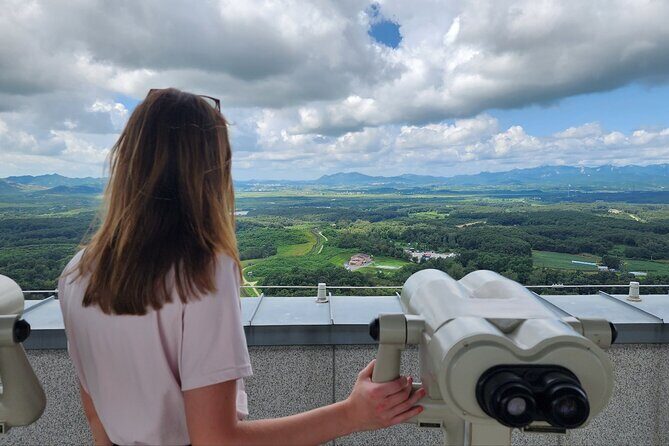
Before you get anywhere “hard line,” the tour warm-ups your understanding at Imjingak. This area is where the day’s mood shifts from “where are we going?” to “what does this division mean?”
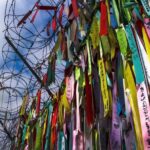
You start with a stop at Imjingak Pyeonghwa-Nuri Park (half hour). It’s built as a haven for people separated by the Korean split, and it features the bullet-scarred Freedom Train—a stark relic that helps explain why this whole region is more than a tourist zone. There’s also time for your guide to set context and answer questions.
Then you hit Imjingak Resort (brief stop, about 10 minutes). This isn’t about sightseeing as much as process: your guide handles entrance clearance and tickets needed to access the DMZ via the Unification Bridge route. It’s short, but it’s one of the steps that makes the day work.
From there, you step into the Bridge of Freedom area (about 10 minutes). This is tied to 1953, when 12,773 POWs crossed the Imjin River to reach South Korea. The bridge in this stop is temporary wooden structure now, but the point is the story: the word freedom is baked into the landscape.
If you want extra options, you may add the Paju Imjingak Peace Gondola (optional, about 1 hour). It opened in 2020 and crosses into the Civilian Control Zone—so you get a different angle above the Imjin River. It’s optional, so it depends on the timing of your group that day.
The Third Tunnel: physically intense, historically heavy, and photo-restricted
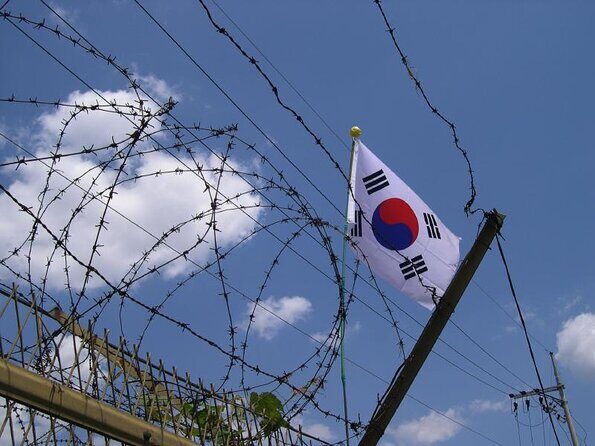
This is the moment most people came for, and it lives up to the hype—especially if you understand it as an experience, not just a viewpoint.
The tour takes you to The Third Tunnel (of Aggression / 3rd Infiltration Tunnel) (about 30 minutes). You’re descending into a tunnel system tied to North Korea’s covert plans, uncovered in 1978. That “underground scale” changes how you perceive everything you’ve been hearing in Seoul.
Here’s what you should plan for. The tunnel experience is strenuous. One guest described a long walk to reach the entrance, then a noticeable slope, followed by time in a narrow, low tunnel passage. Photos inside the tunnel aren’t allowed, and that matters: you can’t rely on your camera to document it. Go in ready to use your senses and listen carefully.
A good practical trick: bring binoculars if you have them. It sounds odd for a tunnel visit, but it helps elsewhere on the DMZ day—especially when distances feel too far even from official viewing points.
Also consider this if you have mobility limits. Even if you’re okay with walking for the day, this stop can be the hardest part. If you know you struggle with steep grades or tight spaces, skip the Red Bridge option later and take the tunnel seriously.
Dora Observatory: closest views, no North Korea photos, binoculars help
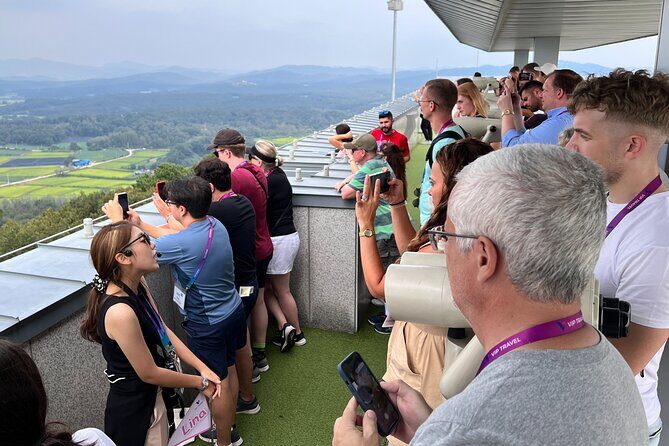
After the tunnel, you rise back into daylight at Dora Observatory (about 30 minutes). This is located on Dorasan area and is described as South Korea’s closest official vantage point over North Korea. It was rebuilt in 2018 and originally established in 1986.
This stop is where the “DMZ in real life” feeling turns into a visual check. Your guide explains what you’re looking at, but the viewing reality is still distance. Even with clear weather, you may feel like North Korea is far away—so that’s where binoculars can genuinely improve the experience.
Photo rules apply here too. You should assume you won’t be taking photos from the observatory aimed toward North Korea. That’s not a dealbreaker, but it changes your plan: observe, listen, and let your guide steer your attention.
Weather is also a bigger factor than people expect. A clear day makes a huge difference for any long-range viewing.
Gamaksan Red Bridge Rush: the steep hike you should take seriously
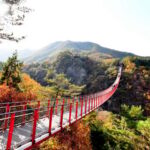
This is the “rush” part. The tour lists an optional stop at Gamaksan Suspension Bridge, also known as the Gloucester Heroes Bridge. It’s 150 meters long and about 1.5 meters wide, built in 2018 to honor Korean War sacrifices.
The bridge itself is short, but the access can be hard. A guest described it as a steep hillside hike with limited time to get up and back down. If your fitness is limited, treat this as an optional add-on you may want to skip.
If you do choose it:
- wear grippy shoes
- plan for a workout pace
- don’t count on long lingering time for photos
This stop is one of the easiest places for people to feel stressed because the time window can be tight. If you’re the type who gets flustered on a deadline, you’ll want to go in calm and move steadily.


Optional add-ons: gondola views and Tongilchon Village time
Two optional pieces can change how your day feels.
First, the Peace Gondola across into the Civilian Control Zone gives you a bird’s-eye perspective above the Imjin River. Because it’s optional and time-based, you might treat it as your “lighter” alternative to extra hiking. On clear days, it can feel like a different layer of understanding: the DMZ as a system, not just a line on a map.
Second, there’s Tongilchon Jangdankong Maeul (about 30 minutes, free admission). This is a village area just beyond the Civilian Control Line. It’s quieter than the tunnel-and-observatory stops, and it gives you a breather for personal exploration.
You may also see some time used for shops during the day. One guest flagged that a stop near the Unification Village included time for shopping even though the tour description suggested no shopping. So if shopping makes you roll your eyes, keep your expectations flexible and treat it as a short stop rather than the core of your experience.
Language, guides, and how to get the most out of the day
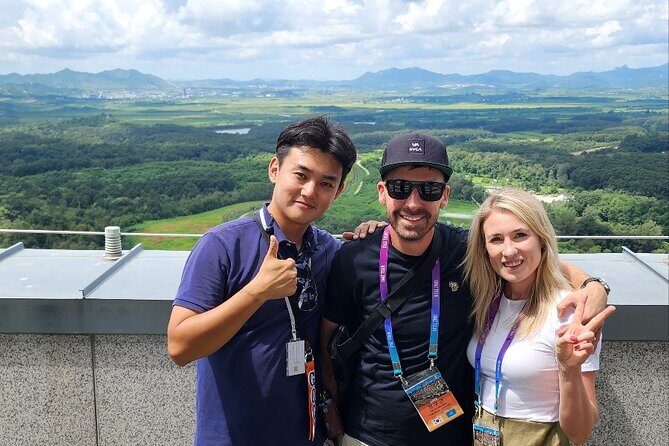
The tour includes a professional guide in English or Chinese. The best part of a DMZ day trip isn’t the bus ride—it’s the human translator layer, where you connect what you’re seeing to what it means.
In past experiences tied to this tour, guides have shown up with strong communication styles and lots of energy. Names you may hear include Crystal, Nancy, Judy, Kelly, Lina, Henry, Yu Jin, Sunny, Ray, Camp Go-Go, Hana, and Gabby. Some guides are praised for keeping groups on schedule, explaining clearly, and even teaching small Korean phrases on the way. Others focus heavily on history and timeline clarity.
Here’s my practical advice: show up early enough that you can start the day unhurried. Also, keep your questions in mind for the early stops at Imjingak. That’s when your guide’s framing helps you understand later, heavier scenes.
Price and value: what $35 buys you (and what it doesn’t)
At $35 per person, this tour is priced like a serious budget value—especially because key entries are included. You get:
- professional guide
- hotel pickup (downtown/main subway stations)
- all taxes, fees, and handling charges
- admission to included DMZ attractions during the day
What’s not included:
- lunch
- you’re dropped off centrally rather than at your hotel
This is where you should plan ahead. The day is fast-paced, and you may have short stops. If you get hungry easily, bring snacks. You might be able to buy food at some stops, but the safest move is to carry a small stash so you’re not hunting during tight time windows.
At this price point, it’s also normal to have parts of the schedule that prioritize access and timing over “free wandering.” The upside is you don’t have to figure out clearance steps or timing between distant sites.
The biggest “gotchas”: documents, schedule changes, and physical limits
A DMZ tour isn’t like an ordinary museum day.
First: you need a passport on the tour day. The data also says Military ID cards and locally issued ARC cards are accepted, but you should plan as if a passport is required.
Second: tour time can change due to military issues or events inside the DMZ area. That means your day might shift by schedule, even if you’re ready. It’s not failure; it’s just reality.
Third: physical effort matters. The tunnel is described as challenging by guests, and the optional red bridge hike can be steep. If you’re deciding between the tunnel and the red bridge, remember: the tunnel is often the “hardest part” for most people physically, while the red bridge is the main “fitness test.”
Weather can also force changes. One guest reported that when conditions were too snowy for the DMZ/JSA route, the tour was adjusted to alternatives like the cable car and the Korean War Museum. That kind of switch may happen when conditions break the plan.
Should you book the Thrilling Korean DMZ 3rd Tunnel Tour + Red Bridge Rush?
I’d book it if:
- you want a guided DMZ day from Seoul without planning clearance steps
- you care about history and want to see major official DMZ-related sites in one go
- you can handle a long day and at least moderate walking
- you’re okay with photo limits inside the tunnel and at the observatory
I’d hesitate or choose a lighter version if:
- you’re not comfortable with strenuous tunnel conditions
- steep climbs scare you (especially for the optional Red Bridge Rush)
- you dislike souvenir or shop stops and want zero commercial time during the day
- you’re arriving with tight schedule constraints, since tour timing can shift
If you go in with the right expectations—listening more than filming, moving steadily, and packing snacks—it’s one of the best “one-day DMZ” options for first-timers.
FAQ
FAQ
How long is the DMZ 3rd Tunnel Tour from Seoul?
It runs about 7 hours 30 minutes (approx.).
How much does the tour cost?
The price is $35.00 per person.
Where can I meet the tour in Seoul?
You can meet at Myeongdong Subway Station (Exit 9), Seoul City Hall Subway Station (Exit 6), or Hongdae Subway Station (Exit 3). Hotel pickup is available for downtown hotels or main subway station.
What’s included in the price?
The tour includes a professional guide (English or Chinese), hotel pickup (when eligible), and admission to included attractions, plus all taxes/fees/handling charges.
Do I need a passport?
Yes. A passport is needed on the tour day. Military ID cards and locally issued ARC cards are also accepted.
Are the gondola and red bridge optional?
Yes. Paju Imjingak Peace Gondola is optional, and Gamaksan Red Bridge / suspension bridge is also optional.
Can the tour time change?
Yes. The tour time can change depending on military issues or events occurring within the DMZ.