REVIEW · SEOUL
Signature DMZ Tour: Exclusive Defector Talk & Suspension Bridge
Book on Viator →Operated by Cosmojin Agency · Bookable on Viator
DMZ day trips hit hard. This one is interesting because you get the politics and the human story, with a defector interview plus time at the Third Tunnel. Just be ready for a physically tough walk inside the tunnel—tight, steep, and not a great match for sensitive knees or heart conditions.
I also like how the day is paced: you’re not just driving past sights, you’re stopping at the spots that explain why the Korean Peninsula looks the way it does. The guides I’ve seen associated with this tour—people like Han Solo, Jackie the Storyteller, and SP Hong—tend to answer questions on the spot and keep the group moving. One more consideration: the DMZ can close suddenly, and the suspension bridge option can be affected by weather or minimum-participant rules.
In This Review
- Key Points You’ll Care About
- Why This DMZ Tour Starts Early from Seoul
- Imjingak Pyeonghwa-Nuri Park and the Freedom Bridge Story
- The DMZ Viewing Stop: What You Can See (and What You Can’t)
- The Third Tunnel: 435 Meters of Reality (and Tight Rules)
- Dora Observatory: Gaeseong Views and the Propaganda Village
- The Defector Interview: Your Most Human Moment of the Day
- Optional Gamaksan Chulleong Suspension Bridge: Worth It, If It Runs
- Time, Lunch, and the End-of-Day Stops in Myeongdong
- English Guidance and How the Best Hosts Run the Day
- Who Should Book This DMZ Day Trip (and Who Might Pass)
- Should You Book This DMZ Defector and Suspension Bridge Tour?
- FAQ
- What time does the DMZ tour start from Seoul?
- How long is the DMZ day trip?
- What’s included in the $27 price?
- Do I need a passport for this tour?
- Is lunch included?
- Can I take photos in the Third Tunnel or at the observation deck?
- What should I wear or bring for the Third Tunnel?
- What if the DMZ or suspension bridge is closed?
- Is the suspension bridge option guaranteed?
Key Points You’ll Care About
- Defector Talk + Q&A: This is the emotional core of the day, not a quick audio clip.
- Third Tunnel Access: You go beyond the “seen-it-on-TV” version, with rules that make you pay attention.
- Dora Observatory Views: Clear lines of sight toward North Korea areas like Gaeseong and the Gaeseong Industrial Complex.
- Imjingak and the Freedom Bridge: A reunification-themed stop tied to POWs and the 1953 armistice era.
- Optional Suspension Bridge: Beautiful valley views, but it’s not guaranteed if conditions don’t cooperate.
- 90-Person Max + Air-Conditioned Ride: A large group, but the comfort helps on a long day.
Why This DMZ Tour Starts Early from Seoul
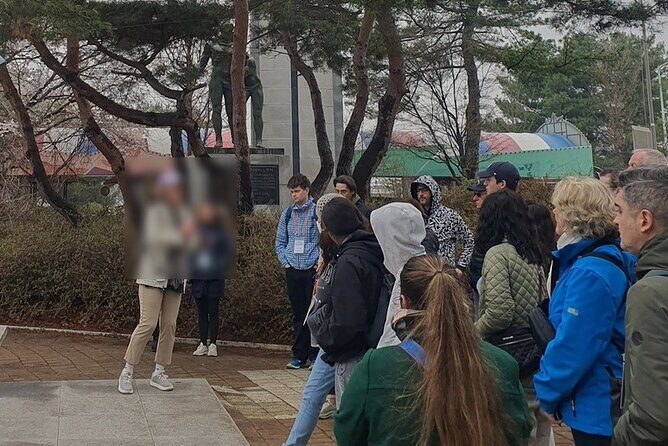
The tour meets at 92 Sejong-daero, Jung District, Seoul with a 7:30am start, and you’ll typically transfer straight out once everyone has checked in. You’ll ride in an air-conditioned vehicle, which matters when your day is measured in hours rather than leisurely wandering.
This is also a tour with real scale. It can run with up to 90 people, so the vibe is organized and efficient. Don’t expect slow, private moments—do expect clear guidance and lots of stops that get checked off.
Two practical things: you’ll need a current valid passport (original, no copy), and you should wear comfortable shoes—the tunnel part is where your footwear choice pays off.
You can also read our reviews of more tours and experiences in Seoul.
Imjingak Pyeonghwa-Nuri Park and the Freedom Bridge Story
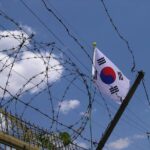
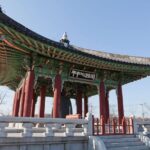
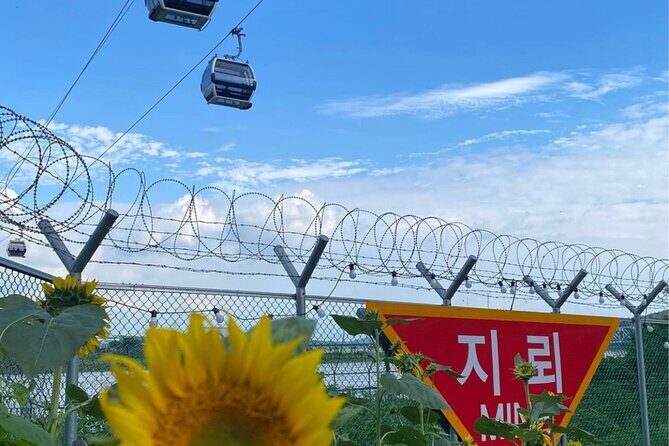
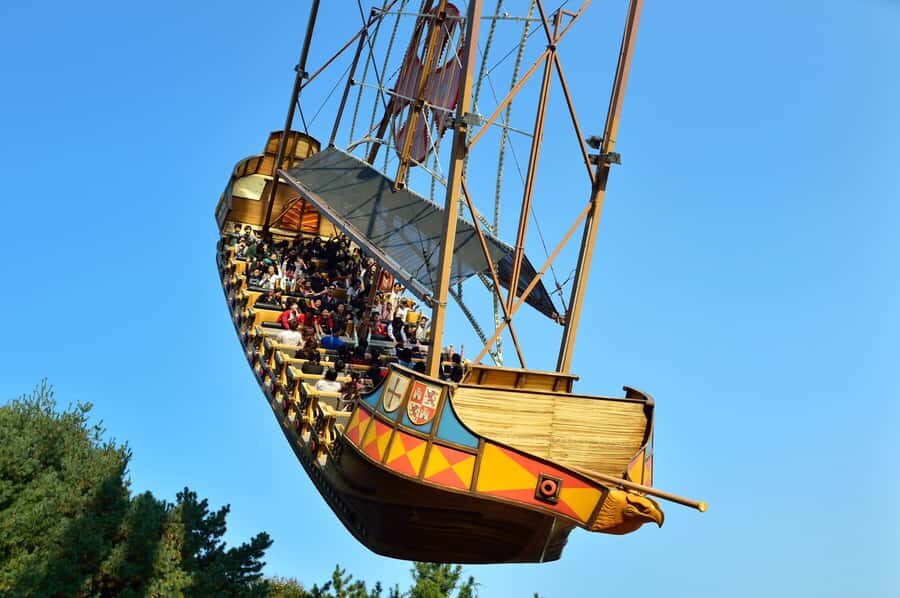
Before you get deep into DMZ territory, you make a symbolic stop at Imjingak Pyeonghwa-Nuri Park. This place is a reunification-themed park that places rides alongside barbed wire fences, so it immediately sets a tone that’s part memorial, part reminder, part uneasy amusement-park contrast.
The highlight here is the Freedom Bridge connection: it’s tied to 13,000 POWs who crossed during the Korean War period. If you’re the kind of person who hates “facts with no anchor,” this stop does a good job giving you an anchor point—who crossed, why it mattered, and why this area keeps being referenced.
Then there’s the bridge on the Imjing River area linked to those 13,000 POW crossings in 1953. It’s the same theme, reinforced: return to freedom, but under brutal conditions. It’s not meant to be comforting.
The DMZ Viewing Stop: What You Can See (and What You Can’t)
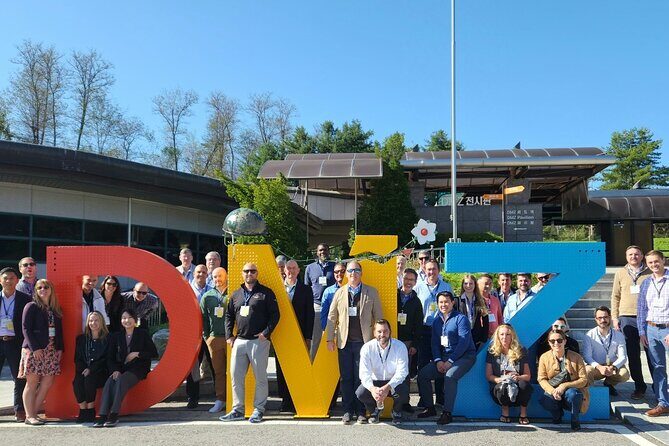
Once you reach the main DMZ area, you’ll have a short viewing window—about 40 minutes—to take in what the zone looks like from the South Korean side. This is the part where you start understanding the DMZ as a living boundary, not a history diorama.
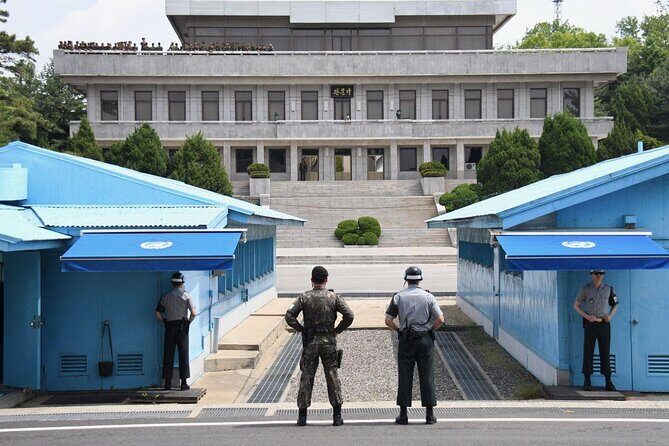
A big reality check: the DMZ is a military area. That means rules can change, and restrictions often aren’t negotiable. Plan on being told what’s allowed, where you can stand, and how close you can get.
Even if you’ve studied maps online, being there in person helps. You’ll see how watchpoints and viewing angles matter, and you’ll understand why tours keep mentioning observation points and specific structures.
The Third Tunnel: 435 Meters of Reality (and Tight Rules)
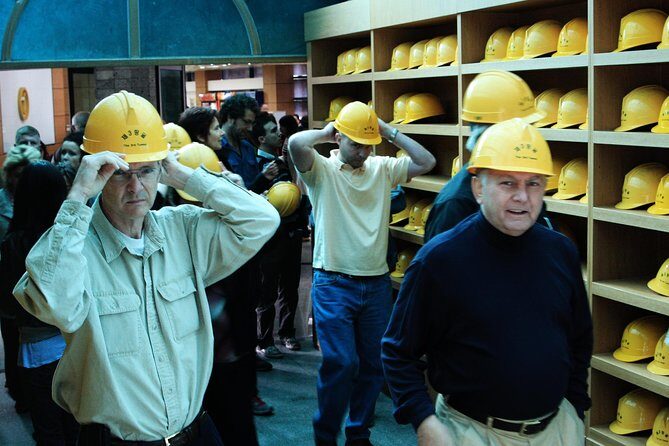
If you want one stop that can’t be replaced by a YouTube clip, it’s the Third Tunnel. The tour includes the chance to explore a tunnel that extends 435 meters into South Korea—a scale that sounds technical until you’re in it.
This is also the part that can be hardest on your body. The walk down and up can be physically demanding, and the space is tight. If you have any heart conditions or serious medical issues, the tour notes that it’s not recommended—and honestly, that’s the right call in a place like this.
A few more on-the-ground expectations:
- Photos are not allowed in the tunnel due to military rules.
- There may be a documentary and viewing materials as part of the tunnel visit.
- On some visits, the tunnel monorail may not be functioning, so you may end up relying on your own steps for more of the route.
If you’re thinking of this tunnel as a “quick walk,” adjust your mindset. Treat it like a short hike inside a controlled, historic military site.
Dora Observatory: Gaeseong Views and the Propaganda Village
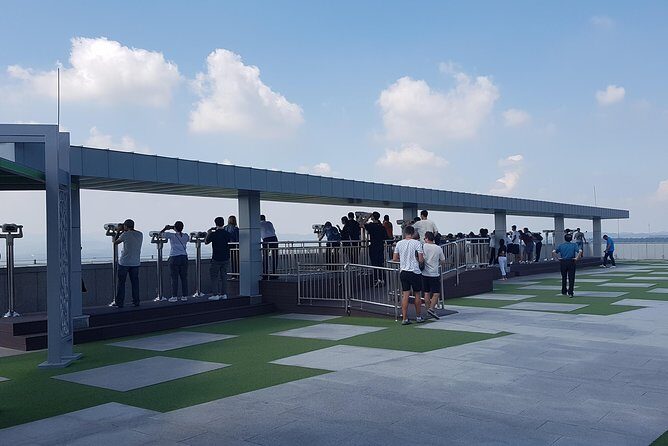
After the tunnel, you head to Dora Observatory, where you get a close-up view toward North Korea areas including Gaeseong City and the Gaeseong Industrial Complex. You’re not touring an open-air city street here—you’re viewing from a controlled observation location—but that’s exactly why this stop hits.
Dora Observatory also includes a look at the idea of a North Korean border village with a fake Propaganda Village. It’s designed to show how reality and performance get mixed in politics. Watching it while you know the DMZ exists just a short distance away makes the whole concept feel more personal.
Another rule to remember: you may not be allowed to take photos from the observation deck area under military restrictions. If you’re the kind of person who wants every angle saved, adjust expectations before your phone comes out.


The Defector Interview: Your Most Human Moment of the Day
This tour’s signature isn’t just sites—it’s the interview with a North Korean defector. You’ll join an interview/Q&A during the day, and it’s widely described as the most affecting part.
In practice, you’re not just hearing a one-minute story. You’re given a chance to ask questions, and the guide helps keep it organized so you can actually learn rather than just stare at a stage. The interviews in the schedule are often described with strong detail and straightforward answers, which makes it feel grounded.
Some names that have appeared with this tour’s experiences include Ms Cho and Ms Lee, but the bigger point is that the talk is built as an interactive segment. Guides like SP Hong and Jackie (depending on your assigned host) are also known for carrying the story with context so it doesn’t feel random or disconnected from what you’ll see later.
If you want to get more out of it, bring questions in your head before you arrive. Even one good question can reshape the way you interpret the tunnel, the observatory, and the DMZ as a whole.
Optional Gamaksan Chulleong Suspension Bridge: Worth It, If It Runs
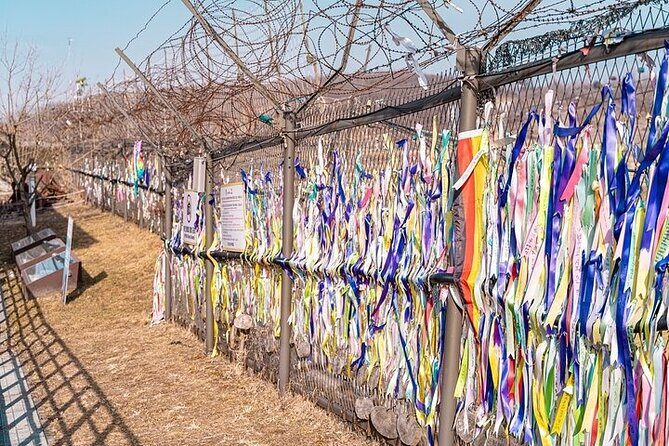
There’s an optional add-on for the Gamaksan Chulleong Bridge, a suspension bridge that was once Korea’s longest at 220 meters. It opened in 2016 and offers views over Silmari Valley, so it’s the “stretch your legs and see something scenic” moment some people crave after the indoor intensity of the tunnel.
But here’s the trade-off: it’s optional, and it can be disrupted. The tour notes it needs a minimum number of participants to operate. If weather or other conditions shut it down, your day may adjust.
If you book this with bridge views as your main reason to choose the tour, treat it as a bonus rather than a guarantee. This is the kind of itinerary where the weather can make a difference, and the DMZ zone itself can also change plans.
Time, Lunch, and the End-of-Day Stops in Myeongdong
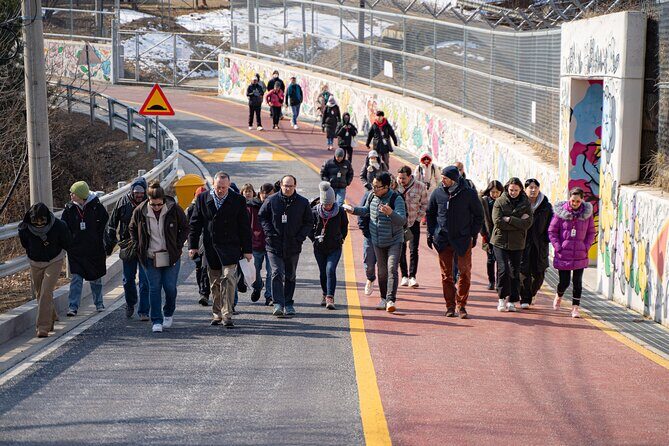
Your day is typically 7 to 9 hours, with a start in the early morning and a finish back near the meeting point. Along the way, you’ll have bathroom breaks and time for transitions, plus scheduled stops like Myeongdong near the end.
Lunch isn’t included in the price, and that matters because you may end up eating whatever the day offers. One common theme from experiences of this route is that the food options around the observatory area can be basic, often limited to a couple of hot and cold choices.
Also keep an eye on the “group timing” feeling. If a part of your day runs ahead or behind—common with any DMZ itinerary—you may feel it at lunch time. If you’re the type who needs a proper meal to stay sane on long tours, consider carrying a simple snack you can eat only when permitted by your guide.
There can also be a shopping stop near the end on some days (for example, jewelry-related). If you dislike “optional-feeling detours,” know that this kind of stop can shape how the last part of your day feels. The good news: it’s usually later, after you’ve done the heavy DMZ work.
English Guidance and How the Best Hosts Run the Day
The tour includes an English guide with a DMZ license, and that’s a big deal. In the DMZ context, you want someone who can explain why each structure matters, not just what it’s called.
Across the experiences associated with this tour, guides like Han Solo, Jackie, SP Hong, and Molly are described as energetic and strong on explanation—often mixing humor with clarity. That matters because the day includes heavy topics, and a guide who can manage the group and keep the mood from freezing helps you absorb more.
Another strength is Q&A management. In a large group, questions can turn chaotic fast. The better guides keep things organized so your question doesn’t get ignored and the group doesn’t lose time.
Still, one reality: with a large tour and multiple possible site closures, logistics can be imperfect. If you’re especially sensitive to rushed pacing, be mentally prepared for an itinerary that sometimes must change around conditions on the ground.
Who Should Book This DMZ Day Trip (and Who Might Pass)
This is a strong choice if you:
- want a structured DMZ day from Seoul that covers the major South-side highlights,
- care about the political story and want it grounded with a defector interview,
- can handle walking and standing, especially at the Third Tunnel,
- don’t mind that some photo-taking rules will limit your phone’s usefulness.
You might skip it if you:
- have heart conditions or serious mobility limits (the tunnel walk is specifically flagged as not recommended for heart conditions),
- expect lots of free time or a slow museum pace,
- need guaranteed access to the suspension bridge view as a must-have (it’s optional and can be affected by conditions).
Should You Book This DMZ Defector and Suspension Bridge Tour?
I’d book it if you want the DMZ experience that connects the dots: Imjingak’s POW freedom story, the Third Tunnel as physical history, the Dora Observatory view toward North Korea, and the defector Q&A that gives the whole trip a human spine.
I’d think twice if you want an easy day. This isn’t a sit-and-look tour. The tunnel walk can be tight and strenuous, and military-area restrictions shape what you can do and photograph.
If you’re flexible, curious, and willing to trade comfort for meaning, this one is good value for the money—especially because the price includes the English guide, licensed DMZ access fees, and the defector interview component.
FAQ
What time does the DMZ tour start from Seoul?
The tour starts at 7:30am. You meet at 92 Sejong-daero, Jung District, Seoul.
How long is the DMZ day trip?
It runs about 7 to 9 hours depending on site access, traffic, and scheduling changes.
What’s included in the $27 price?
You get an English guide with a DMZ license, an interview with a North Korean defector, all fees and taxes, and round-trip air-conditioned transportation. Lunch and personal expenses are not included.
Do I need a passport for this tour?
Yes. You need a current valid passport on the day of travel, and it must be the original (no copies).
Is lunch included?
No. Lunch is listed as not included, so you’ll want to plan for food during the day.
Can I take photos in the Third Tunnel or at the observation deck?
The tour experiences note that you are not allowed to take pictures in the tunnel or on the observation deck due to military rules.
What should I wear or bring for the Third Tunnel?
Wear comfortable shoes. The tunnel involves a difficult, tight walk down and up.
What if the DMZ or suspension bridge is closed?
The DMZ can close suddenly. If that happens, the tour will be replaced with another route (Tomorrow’s Whistle-Bunker, Beat 131-Odusan Unification Tower, and the War Memorial of Korea). The suspension bridge option can also be affected by conditions.
Is the suspension bridge option guaranteed?
No. The Gamaksan Chulleong Bridge option requires a minimum number of participants, and it can be changed or replaced if it can’t operate.
![[Private Tour] Nami Island & Snow Viewing and Snow sled (More Members Less Cost) - Nami Island in winter: Winter Sonata charm plus a cold-weather mindset](https://8.koreaadventures.com/wp-content/uploads/private-tour-nami-island-snow-viewing-and-snow-sled-more-members-less-cost.jpg)