REVIEW · SEOUL
DMZ Tour: 3rd Tunnel, Option(Suspension Bridge, Boat) from Seoul
Book on Viator →Operated by PLK TRAVEL · Bookable on Viator
The DMZ turns history into something you can see. I like that this tour gives real access to the Third Tunnel and then pairs it with viewpoints like Dora Observatory where you can look toward North Korea’s side of the Western Front. It also runs with a well-structured day plan: round-trip transfers from Seoul, a private air-conditioned bus, and clear guidance throughout.
The one thing to think about is the physical side of the day, especially around the Third Tunnel and the suspension bridge walks. If you dislike steep climbs or you’re small in stature and worried about low ceilings, plan carefully—this is not a gentle stroll.
In This Review
- Key things to know before you go
- Price and what $35 really covers
- Meeting the guide in Seoul and starting with a clear plan
- Bridge of Freedom + Mangbaedan Altar: the DMZ story gets explained first
- Inside the Third Tunnel: the most memorable part, with the toughest footwork
- Dora Observatory: the view is the point, but the explanation makes it work
- Unification Village (Tongilchon-gil): a quieter kind of reality
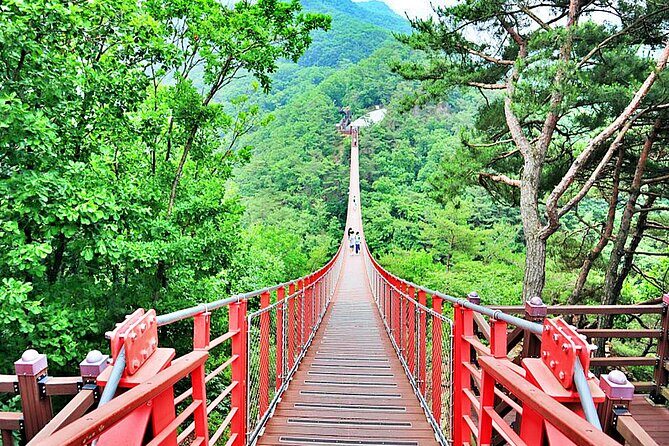
- Suspension Bridge option (Gamaksan Chulleong): a short uphill effort for big views
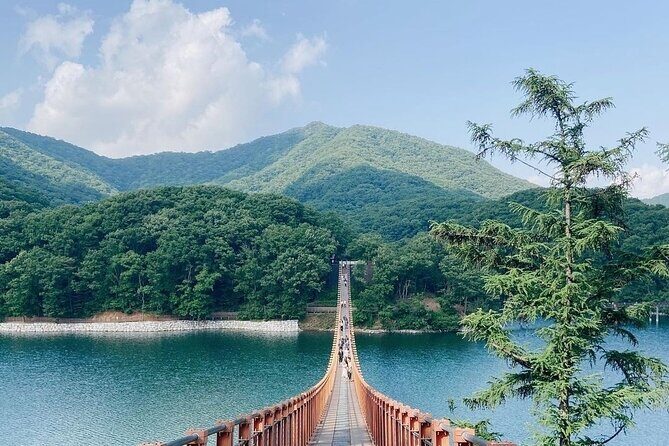
- Suspension Bridge option (Lake Majang): history + a calmer walk pace
- Imjin River boat option: less climbing, more border-country calm
- The wrap-up park: ending on peace and reunification wishes
- Guides: the real “value add” (and names you’ll want to try for)
- How to choose between tunnel, bridge, and boat
- Who should book this DMZ tour (and who might skip it)
- Should you book the DMZ Tour: 3rd Tunnel + your bridge or boat option?
- FAQ
- Do I need a passport for this DMZ tour?
- How long does the tour last?
- What DMZ sights do I visit besides the Third Tunnel?
- Is lunch included?
- What are my option choices after Dora Observatory?
- What happens on Mondays?
Key things to know before you go
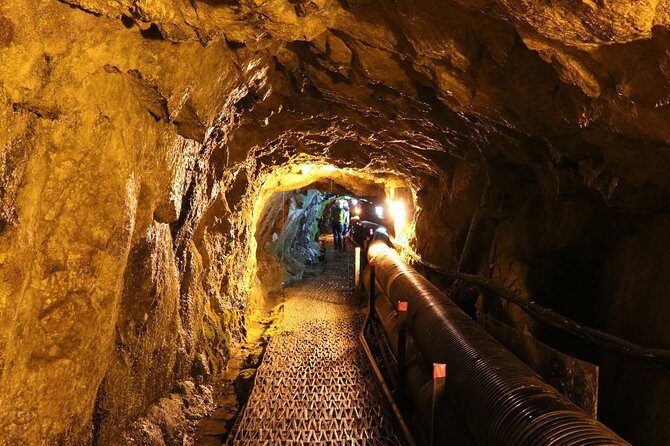
- Third Tunnel walk (not just a photo stop): you go inside and experience the tight, low-feeling layout.
- Dora Observatory viewpoint: you get panorama-style sightlines toward North Korea, including the Gaeseong Industrial Complex and Songhaksan Mountain.
- Bridge or boat options: choose a suspension bridge hike area (Gamaksan or Lake Majang) or a calmer Imjin River boat ride.
- No rushed shopping energy: the experience is built around sites and commentary rather than forced detours.
- Small-group feel (up to 43): you still get a guided rhythm without a massive cattle-line.
- Passport required + ID checks on the route: expect security steps before you enter the DMZ area.
Price and what $35 really covers
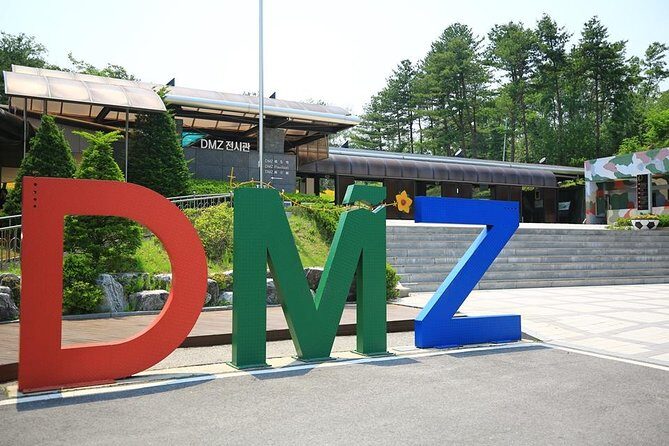
At about $35 per person, this DMZ tour can feel like a bargain once you add up what’s included. You’re paying for a licensed guide, round-trip transfer from Seoul, and DMZ admission fees built into every option—so you’re not juggling extra ticket costs at the last minute.
What’s not included is lunch. That matters because you’ll be out for roughly 6 to 9 hours, and the DMZ day is the kind where you don’t want to waste time hunting food. Pack a drink and a small snack plan, or be ready to buy something locally during your break window if you’re able to.
You can also read our reviews of more boat tours in Seoul

Meeting the guide in Seoul and starting with a clear plan
You’ll make your own way to one of the designated meeting points in Seoul, then meet your guide for the day’s drive. Once everyone boards, you travel comfortably in a private, air-conditioned bus—a big deal when weather turns cold or windy on the border belt.
The tour caps at 43 travelers, so the day stays organized without feeling like a long coach-station shuffle. It also runs with a mobile ticket, which keeps things simple once you’re at your pickup point.
A practical note: schedules can change due to traffic, weather, or military training shifts. That’s normal for the DMZ corridor. Build your day with a little patience, and you’ll enjoy the ride more.
Bridge of Freedom + Mangbaedan Altar: the DMZ story gets explained first
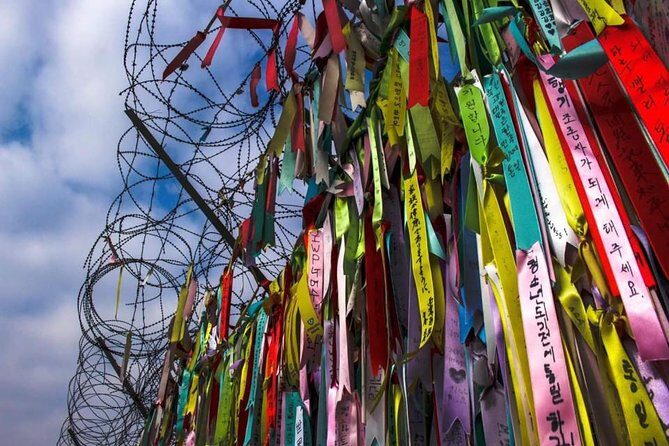
The day begins with security checks as you head into the DMZ area. After the ID check, you start with two historical stops that frame what you’re about to see.
First comes the Bridge of Freedom, followed by the Mangbaedan Altar—both tied to the Korean War narrative. This is where the guide’s job matters most: the sites look simple at first glance, but you’ll understand the context for the boundary you’re watching from.
Why I like this order: you’re not thrown into the tunnel or the “North Korea view” without the storyline. You get the why before the where.
Inside the Third Tunnel: the most memorable part, with the toughest footwork
Next up is the headline stop: the Third Tunnel. You walk into it as part of the visiting route, and you’re told what makes it significant as an invasion tool.
This tunnel is tight and physical. The dimensions given for the Third Tunnel walk include about 1.95 meters in height, 2.1 meters in width, and roughly 1,635 meters in length. In plain terms: you’ll feel the low ceiling and the enclosed stretch, and you’ll need to move with care.
From my perspective, this stop is worth it because it changes how you understand the border. A lot of DMZ tours stay at the viewpoint level. Here, you’re in the structure itself, which makes the history feel more immediate.
One consideration: the experience isn’t for people who want an easy walk. If you don’t like steep climbs on a return route, or if you’re worried about bending and bumping your head, take that seriously before you commit.
Also, on Mondays, the tour visits the Second Tunnel instead of the Third. Same general idea, different tunnel day.
Dora Observatory: the view is the point, but the explanation makes it work
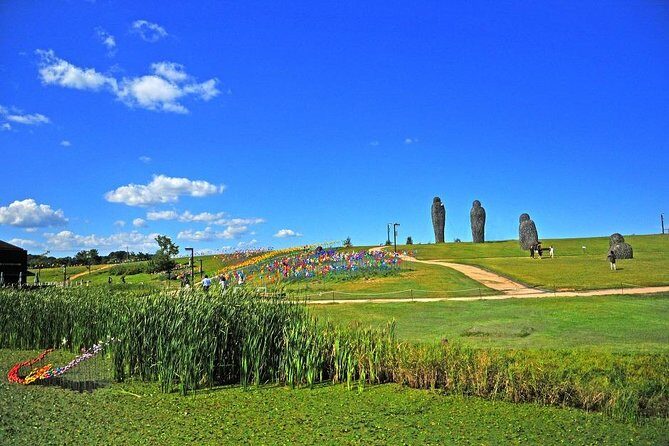
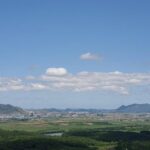
After the tunnel, you move to Dora Observatory, described as the northern-most point of the western front you can visit in this area. The payoff here is the panorama view toward North Korea.
You’ll get sightlines that include the Gaeseong Industrial Complex and Songhaksan Mountain in a single view. This is one of those places where photos alone don’t tell the full story. The guide helps you connect what you’re seeing to the war geography and the logic of the frontier.
I also like how this stop shifts your body back into “standing and looking mode.” The day still feels intense, but you’re not stuck in the physically demanding parts back-to-back.


Unification Village (Tongilchon-gil): a quieter kind of reality
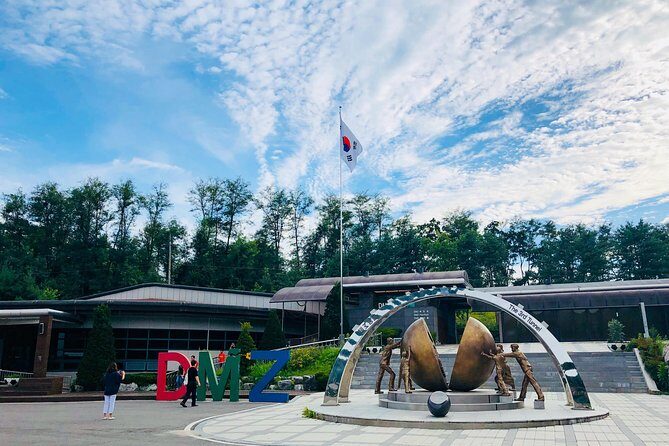
You then head to Tongilchon-gil (Unification Village), a farming community near the DMZ where South Korean civilians live under special regulations. This is the part of the trip that feels less like a battlefield museum and more like daily life on the edge of a political line.
You spend about 20 minutes here. It’s short, but it helps break up the day and adds a human layer to everything you’ve seen before—bridge, altar, tunnel, observatory. You’re reminded that the boundary affects real routines, not just maps.
Suspension Bridge option (Gamaksan Chulleong): a short uphill effort for big views
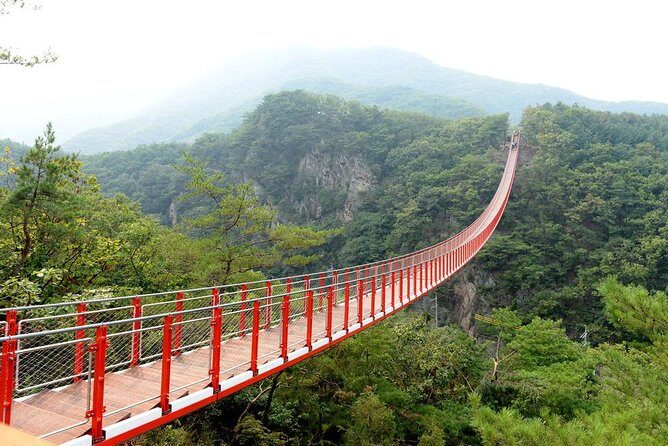
One of the optional upgrades is a walk to the Gamaksan Chulleong Suspension Bridge area. The day treats it like a mini hike: there’s about 15 minutes of walking uphill before you reach the bridge area, and then you’re out there for around 1 hour total.
This suspension bridge is listed at about 150 meters (500 feet) long. You’re also told it has historical significance tied to fierce battlefield conditions in the Korean War era.
Who this option suits: if you like short hikes, appreciate scenic stopping points, and don’t mind cold wind on a bridge deck, this is a good balance. It adds nature and movement without turning the day into a full trekking plan.
Suspension Bridge option (Lake Majang): history + a calmer walk pace
The other suspension bridge choice is the Lake Majang Bridge area. Like Gamaksan, you spend about 1 hour, but the story here centers on fighting by allied forces and the losses during the Korean War.
If you prefer an option that feels scenic and a touch less strenuous than the Gamaksan hillside approach, this can be the better fit. The guide’s context helps either way, but you’ll likely feel the difference in effort.
This is also a nice change-of-pace after the tunnel. You’ve done the enclosed, physically demanding part; now you get open air and a slower rhythm.
Imjin River boat option: less climbing, more border-country calm
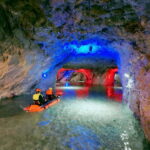
If you’d rather avoid the suspension bridge walk, you can choose the Imjin River boat riding adventure. The ride is about 40 minutes, and it’s described as traveling along the river that flows out of North Korea to South Korea.
There’s an important historical note here: access to the river was forbidden for the last 50 years after the Korean War. That makes the boat time feel like more than sightseeing—it’s a chance to experience a border-adjacent waterway that was shut off for a long stretch.
Who this option suits: if you want the DMZ day but you’re not feeling confident about steep walking, the boat tends to feel more relaxing. You’ll still get guided commentary, but your body gets a break.
The wrap-up park: ending on peace and reunification wishes
Near the end, you visit a park constructed for wishing reunification and peace on the Korean Peninsula. It’s a brief emotional landing after a heavy set of stops.
I like these kinds of endings because they help you process the day. You’re not just coming home with visuals—you’re leaving with a final message that puts the story in a human direction.
Guides: the real “value add” (and names you’ll want to try for)
The most consistent strength across the experience is guide quality. Names that show up again and again in high ratings include Julie, Jay, Simba, Cindy, Eddie, Charles, Paul, and Lucy.
What you should expect from a top guide here:
- clear English explanations during every phase of the day
- strong storytelling about how each site connects to the Korean War narrative
- humor that helps the day feel less like a lecture
- practical timing so you don’t feel chaotic between stops
- safety-minded guidance, especially around the tunnel and walking segments
Even with strong organization, DMZ days can move fast. A guide who can answer questions calmly and keep the group moving makes the difference between a “seen it” trip and a “I really understand this now” trip.
How to choose between tunnel, bridge, and boat
You don’t have to love everything equally. Think of the tour as a core DMZ spine plus one “nature break” option.
- If you want the most intense, history-contact moment: prioritize the Third Tunnel and be ready for tight space and careful movement.
- If you like views and moderate activity: choose Gamaksan Chulleong for the bridge hike rhythm or Lake Majang if you want a slightly different, still scenic pace.
- If you want the DMZ day with the least walking stress: the Imjin River boat can be the smartest pick.
Also, if weather is poor, plans can shift. Suspension bridges can be windy and uncomfortable in cold conditions, while a boat ride might depend on the day’s operations. Build flexibility into your expectations.
Who should book this DMZ tour (and who might skip it)
This tour is a strong fit if you:
- want a guided DMZ day that includes key sites, not just a drive-by
- like historical context tied to what you’re physically seeing
- can handle a full-day outing and some walking
- want optional nature time via bridge or boat
It’s less ideal if you:
- have health issues or mobility limits (the tour asks for moderate physical fitness level)
- strongly dislike tunnels, low ceilings, or steep return climbs
- need a very slow, low-activity day with frequent long breaks
If your main goal is quiet reflection and short stops, you might find the DMZ pacing more active than you expected. If your goal is understanding the border in a real, guided way, this hits the mark.
Should you book the DMZ Tour: 3rd Tunnel + your bridge or boat option?
Yes—if you’re willing to meet the DMZ with both curiosity and stamina. This tour is good value because DMZ admission, transfers, and guided interpretation are built in, and the experience keeps its focus on meaningful stops instead of shopping detours.
Before you decide, check two things:
1) Can you handle the Third Tunnel’s tight, low-clearance walk and the physical effort that comes with it?
2) Which option matches your comfort level—Gamaksan or Lake Majang bridge walking, or the Imjin River boat?
If you’re good with those trade-offs, you’ll come away with a DMZ day that feels more real than “just photos,” especially thanks to guides like Julie, Jay, Simba, Eddie, and Charles who consistently keep the story clear, human, and—somehow—bearable to hear all day.
FAQ
Do I need a passport for this DMZ tour?
Yes. A current valid passport is required on the day of travel, since you’ll go through ID checks when entering the DMZ area.
How long does the tour last?
The duration is listed as about 6 to 9 hours depending on conditions and which option you choose.
What DMZ sights do I visit besides the Third Tunnel?
You’ll also visit the Bridge of Freedom, Mangbaedan Altar, Dora Observatory, and Tongilchon-gil (Unification Village). Then you choose between the bridge or boat option.
Is lunch included?
No. Lunch is not included in the price, so you’ll want a plan for food during the day.
What are my option choices after Dora Observatory?
You can upgrade with either a suspension bridge walk (Gamaksan Chulleong Bridge or Lake Majang Bridge) or take a boat ride on the Imjin River.
What happens on Mondays?
On Mondays, the tour visits the Second Tunnel instead of the Third Tunnel.