REVIEW · SEOUL
Small-Group DMZ Tour w/ North Korea Experience Hall & Susp.Bridge
Book on Viator →Operated by Seoul N Tour · Bookable on Viator
A few kilometers from the fault line of history. This small-group DMZ day puts you in the Korean War frontline area, with Tunnel 3 and Dora Observatory telescopes trained toward North Korea. I like that the itinerary strings together places that explain the division, not just places you pose in. I also like the hands-on feel of walking into a tunnel and then looking across the border from an observatory. One drawback: the walking can be steep and the tunnel area requires stairs and close footing, so you’ll want comfortable shoes and a moderate fitness level.
After a morning pickup near Seoul City Hall, you’ll ride in a climate-controlled coach and hit multiple DMZ stops on a realistic time schedule, then return to the city by about 4:50pm. I also like that the tour includes the key admission fees and transportation, so the day is mostly a single ticket experience with a mobile ticket on hand. On top of that, your route can flex when access is limited due to military operations or weather—so you’re not left completely out in the cold.
There’s an emotional undertone throughout the day, especially when you hear personal stories connected to North Korea’s escape and the war’s aftermath. If you are lucky with your guide, you may get a strong storyteller—names like BK, Lua, Junie, Seokhee, and Mr. Young show up in past departures—so the facts land harder, not just louder. Still, expect the DMZ to run by rules, not vibes: schedules can shift, and some viewpoints or the suspension bridge can close on certain days.
In This Review
- Key highlights that make this DMZ tour worth your time
- How the day flows: from Seoul City Hall to a packed 9 hours
- Imjingak Park: Freedom Bridge and the refugee memory before you see the border
- North Korea Experience Hall: practical context between war sites and border views
- Tunnel 3: what you learn, then what you physically do
- DMZ Exhibition Hall: the history stops between the big visual moments
- Dora Observatory: telescopes trained on Kijŏng-dong
- Unification Village and the story of reunification hopes
- Gloucester Hill Memorial and the Gloucester Heroes suspension bridge
- Price and value: what $65 buys you in real time
- When the DMZ plan changes: weather and restricted access
- Who this DMZ tour suits best (and who should think twice)
- Should you book this DMZ tour?
- FAQ
- Do I need a passport for this DMZ tour?
- Where do I meet and where does the tour end?
- Is lunch included in the price?
- How long is the tour?
- What happens if the tunnel or observatory is closed?
- How physically demanding is it?
Key highlights that make this DMZ tour worth your time
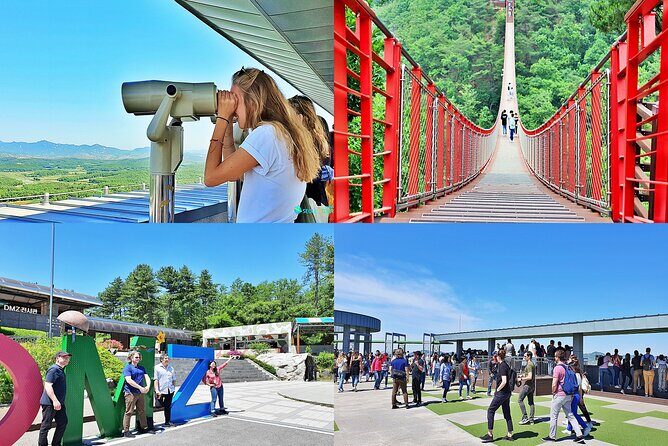
- Tunnel 3 on foot: You’ll step into the 3rd Infiltration Tunnel and see the infiltration route up close, after learning the background.
- Dora Observatory telescopes: From Mt. Dora, telescopes are aimed toward North Korea’s propaganda village, and on clear days you can even spot a flagpole in Kijŏng-dong.
- Imjingak Park first: You start with the refugee-and-war memorial atmosphere at Imjingak, including the Freedom Bridge and old steam trains.
- North Korea Experience Hall: This newer stop adds context for what you’re seeing, with an educational approach.
- Gloucester Hill Memorial + suspension bridge: After the DMZ, you’ll move from wartime memory to a scenic mountain bridge ride.
- Small group size: Max 16 travelers, so it feels less like cattle and more like a guided day.
How the day flows: from Seoul City Hall to a packed 9 hours
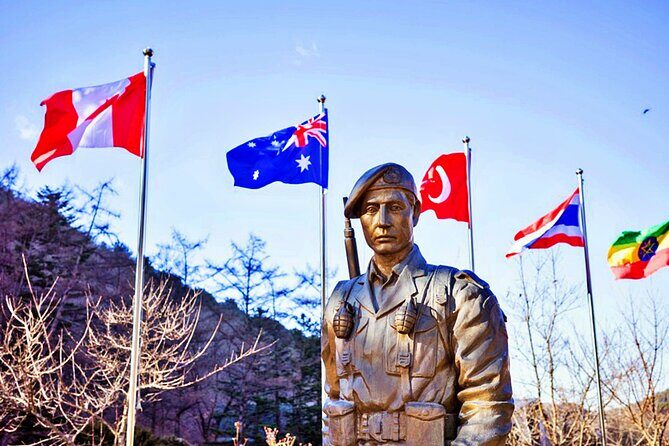
This is a full-day format built for one thing: getting you as close as possible to the DMZ experience while still keeping the day moving. You’ll meet around Seoul City Hall Station, then head out in the morning in a climate-controlled coach. The tour runs about 9 hours (approx.), and you’re dropped back at City Hall in the late afternoon.
A few practical points matter here. First, the stops are time-bound. Dora Observatory, the exhibition hall, Tunnel 3, and the suspension bridge each get their own window, so bring patience for a packed schedule. Second, you’ll want to be ready on time: the tour starts in time at every meeting point, with a reminder to be there about 10 minutes early.
The mobile ticket is convenient, but what you really need is the right mindset: this isn’t a relaxed photo walk. It’s a guided history-and-geography day, with security rules and physical movement baked in.
You can also read our reviews of more tours and experiences in Seoul.
Imjingak Park: Freedom Bridge and the refugee memory before you see the border
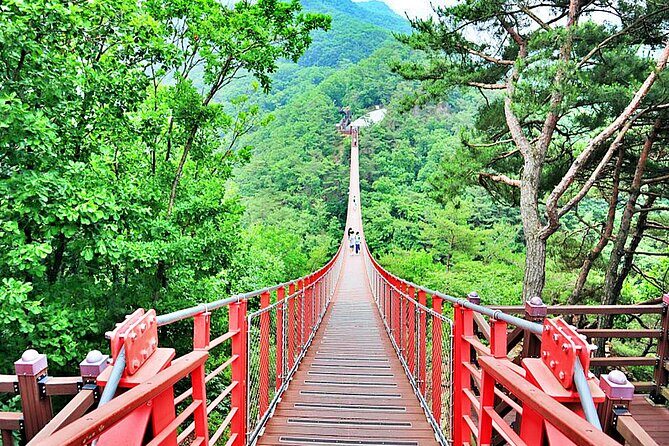
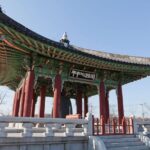
You’ll begin at Imjingak Park (also called Imjingak Pyeonghoa-Nuri Park on the schedule). This is one of the key places where the DMZ story turns from a political line into human impact. The park was originally a solace area for refugees from North Korea during the Korean War, and the monuments reflect that emotional history.
You’ll see the Freedom Bridge and old steam trains while your guide walks you through the war’s legacy. If you’ve ever wondered why the DMZ hits so hard, it’s because these sites don’t just talk about strategy. They connect the border to displacement and longing—then you move on to the places where that division becomes physical.
A helpful tip: after you step out of the coach, treat Imjingak as your mental warm-up. I like using this first stop to get your bearings—what you’re seeing, why it exists, and what the rest of the day is trying to make you understand.
North Korea Experience Hall: practical context between war sites and border views
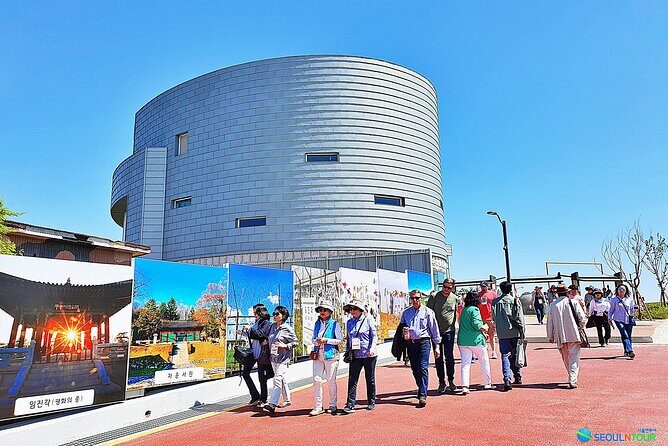
Depending on the day’s operating status, you may include a stop at the Imjingak-ro North Korea Experience Hall. This place is designed to satisfy curiosity with more education rather than just sightseeing. It can be a nice bridge between the war memorial mood of Imjingak and the more visually intense parts of the DMZ day, like Tunnel 3 and Dora Observatory.
On days when you’re using the tour’s “signature” route (Tuesday to Sunday), the hall may be part of your flow. On certain Mondays or public holidays, or when access restrictions apply, the “special” course still keeps education in the mix. Either way, the aim stays the same: you’ll understand the context of the division, not only where the line is.
If you tend to want a little more background before you stare through telescopes, this stop is your friend.
Tunnel 3: what you learn, then what you physically do
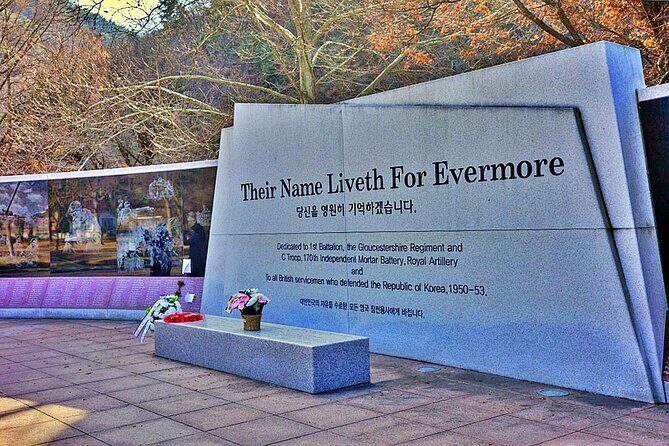
The highlight for many people is the 3rd Infiltration Tunnel, discovered in 1978 and tied to North Korea’s infiltration strategy in the 1970s. The location is about 52 kilometers from Seoul, and this is one of those DMZ experiences where “seeing” becomes “walking through.”
What makes it especially memorable is the sequence. You learn the background, then you disembark and follow your guide into the tunnel on foot. That means stairs, narrow sections, and some uphill/downhill movement as you navigate the area.
This is where the tour’s fitness guidance turns from “fine print” into real-world advice. Wear comfortable shoes and expect you’ll use your legs more than you would on a typical city attraction. The tunnel stop is also one of the places where time and access depend on the DMZ situation.
If you’re traveling with older adults or anyone who has trouble with steep climbs, take the not-recommended guidance seriously. A few people have found the steepness and walking demands more challenging than expected—so plan honestly.
DMZ Exhibition Hall: the history stops between the big visual moments
After Tunnel 3, you’ll spend time at the DMZ Exhibition Hall. This stop helps connect the dots between what you saw in the tunnel and what you’ll see later at the observatory. You’ll find displays such as older weapons and a film explaining the history of Korea.
I like this pause because it prevents the day from becoming a string of dramatic locations. The exhibition hall gives your brain something to organize. You start to notice patterns: what was built, why it was built, and how decades of tension shaped what’s left today.
If you’re the type who likes labels and timelines, you’ll probably appreciate this more than you think. If you prefer motion, it can still be useful—because it changes how you interpret the telescopes and the border-facing sites later.


Dora Observatory: telescopes trained on Kijŏng-dong

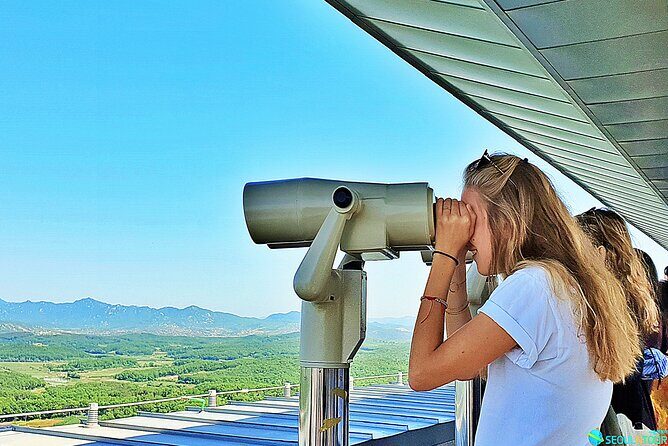
Then comes the moment people talk about: Dora Observatory at Mt. Dora. This is one of the few places where you can directly witness the reality of Korea’s division. Your visit includes time to look through telescopes trained toward North Korea’s propaganda village.
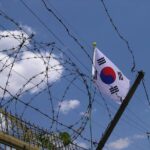
On clear days, you can see the flagpole in Kijŏng-dong, described as the southernmost village in North Korea, from Dora. Even when the sky isn’t perfect, you’ll still get the core point: the border isn’t abstract. It’s a view you can aim at, with guided explanation to help you understand what you’re looking at.
This stop is short by design, so make it count. If you can, bring sunglasses and be ready to reposition for the best view through the scopes. And if it’s hazy or cloudy, don’t panic—your guide’s commentary and the earlier context help you make sense of the distance.
Unification Village and the story of reunification hopes
On the way back toward Imjingak Park, you’ll pass by Unification Village and hear how people wish for reunification of the two Koreas. This is a more human, future-facing note compared with the war-focused stops earlier in the day.
It’s easy to leave the DMZ only thinking about threat and division. This portion nudges you toward the other side of the story: what reunification would mean, and why people continue planning and hoping despite the long timeline.
Even if you’re not particularly sentimental, I think this stop makes the day feel less one-note. It gives your understanding a direction, not only a cutoff.
Gloucester Hill Memorial and the Gloucester Heroes suspension bridge
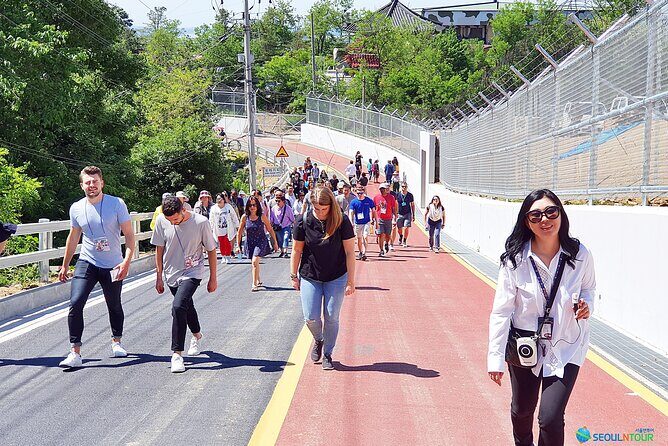
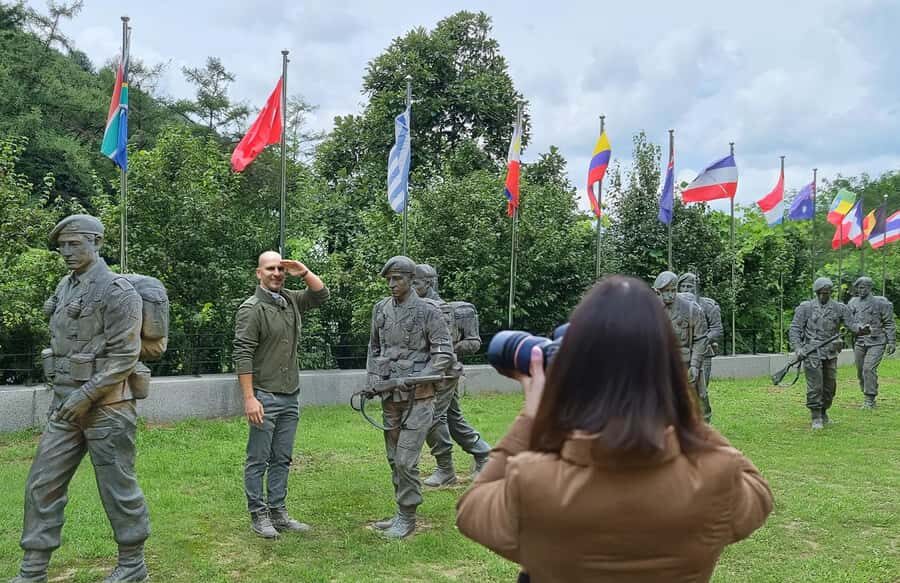
Back near the end of the DMZ day, you’ll go to Gloucester Hill Memorial, described as an important battlefield during the Korean War. It’s another place where the tour shifts from border watching to remembrance.
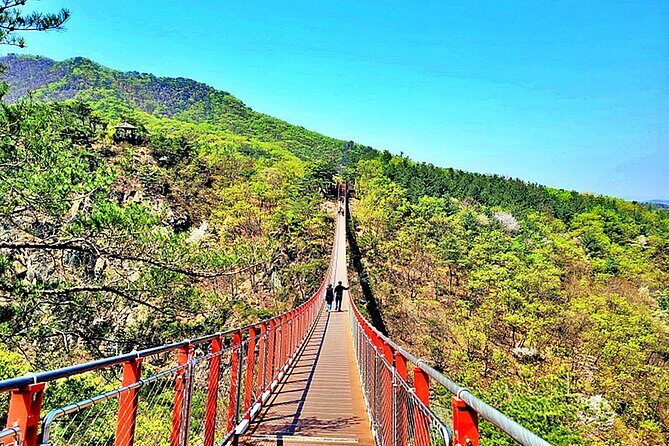
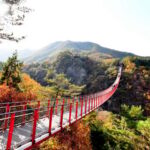
After that, you’ll visit Gamaksan Chulleong Bridge, also called the Gloucester Heroes Suspension Bridge. It opened in 2016 and is described as the longest mountain suspension bridge in South Korea. The vibe here is a change of pace: instead of war monuments and restricted views, you get a chance to walk across a scenic structure with big open-air views.
One practical note: the day already includes a tunnel walk, so the bridge is not just a fun add-on. If you’re sensitive to heights or uneven footing, take it slow and keep your balance. The tour does provide time for the bridge stop, so don’t rush your photos.
Some departures also mention extra scenery after the bridge, like a waterfall and a temple area nearby, so wearing shoes with grip still matters.
Price and value: what $65 buys you in real time
At $65 per person, the value comes from three things bundled together: guided DMZ access, transportation, and the admission fees for major stops. For a full-day experience that covers multiple distinct sites, that can be a strong deal—especially if you want the structure of a guided route instead of piecing together separate tickets and timed entries.
The real question isn’t only price. It’s whether you want a packed day with clear stop order. If you prefer your own pace and you like to linger in museums, this style might feel rushed. If you like an organized route with someone explaining what you’re seeing as you go, you’ll likely feel it’s money well spent.
The small group size (max 16 travelers) is part of the value too. It helps keep questions possible and reduces the sense of being shoved through checkpoints.
When the DMZ plan changes: weather and restricted access
This tour operates year-round, but it still depends on conditions. The DMZ is subject to closures due to military or weather conditions. When the 3rd Infiltration Tunnel and Dora Observatory are closed, the tour offers a special DMZ course.
The “special” route still keeps the experience grounded with education and key DMZ landmarks. You’ll visit the North Korea Experience Center, Imjingak Pyeonghwa-Nuri Park, DMZ Peace Gondola, Gloster Hill Memorial Park, and the suspension bridge. If access to the suspension bridge or Gloucester Memorial Park is restricted, the itinerary may adjust further to include options like Odusan Unification Observatory or the War Memorial of Korea.
This flexibility is important because it means you’re not only betting on one perfect day of access. Your best move: keep your expectations flexible and pack for variable weather.
Who this DMZ tour suits best (and who should think twice)
This tour fits best if you:
- Want guided context for Korean War history and the DMZ’s legacy.
- Prefer a small group rather than a huge bus full of strangers.
- Are comfortable with a day that includes stairs and walking in secure, controlled areas.
- Like seeing multiple viewpoints in one go, including a tunnel and an observatory.
It’s less ideal if:
- You have mobility limits that make steep climbs hard (the tunnel walk and incline areas can be demanding).
- You get stressed by schedule changes when conditions limit access.
- You need long museum-style free time at each stop, because the day is structured and time is tight.
If you’re traveling with family, note that children must be accompanied by an adult. Also, you’ll need a valid passport on the day of travel.
Should you book this DMZ tour?
I’d book it if you want a guided DMZ day that covers the big pillars: Imjingak Park, North Korea Experience Hall, Tunnel 3, DMZ Exhibition Hall, Dora Observatory, and then the Gloucester Hill Memorial + suspension bridge payoff. The itinerary makes sense as a story: war memory first, then underground and border viewing, then a shift into remembrance and scenic movement.
Skip it only if the walking demands or the possibility of closures would make you unhappy. If you can handle a demanding physical day and you want structure, this is a strong use of a Seoul day—and one of the most direct ways to understand what division looks like in real space.
FAQ
Do I need a passport for this DMZ tour?
Yes. A current valid passport is required on the day of travel. You do not need to send a passport copy in advance.
Where do I meet and where does the tour end?
You start at City Hall Station in Seoul and you end back at City Hall Station. The tour ends around 4:50pm.
Is lunch included in the price?
No. Drinks and lunch are not included.
How long is the tour?
The duration is about 9 hours (approx.).
What happens if the tunnel or observatory is closed?
On Mondays, public holidays, or when the 3rd Infiltration Tunnel and Dora Observatory are closed due to military or weather conditions, you’ll take a special course that includes the North Korea Experience Center, Imjingak Pyeonghwa-Nuri Park, DMZ Peace Gondola, Gloster Hill Memorial Park, and the suspension bridge.
How physically demanding is it?
It’s recommended for travelers with moderate physical fitness. The tour includes walking down and up for narrow tunnel areas, so comfortable shoes are important, and seniors with walking problems may want to choose something else.