REVIEW · SEOUL
Seoul: Comic Martial Arts Performance JUMP Show Ticket
Book on GetYourGuide →Operated by Nonverbal performance ‘Jump’ · Bookable on GetYourGuide
A martial-arts sitcom hits Seoul. I love the non-stop comedy and the easy-to-follow family storyline, even though it is mostly non-verbal. I also like the audience participation and how the actors turn martial arts into jokes, not just bragging. One thing to note: the venue can be a bit tough to locate, so give yourself extra time.
JUMP is staged like an average Korean home, with a clearly sketched cast: an authoritarian grandfather, a drunken uncle, a Tae Kwon Do chopping mother, and a daughter who has a suitor problem that somehow turns into more fights. The show runs about 80 minutes and works well for kids and adults, as long as everyone is 36 months or older.
At about $20 per person, you’re buying a polished, world-famous performance now playing at the JUMP Theatre in Seoul. It has been seen by millions across dozens of countries, so the big question is less language and more whether you enjoy fast, physical comedy.
In This Review
- Key things that make JUMP worth your seat
- JUMP in Seoul: what you’re really buying
- The Korean-home storyline: easy setup, fast laughs
- The martial arts + gymnastic stunt rhythm
- Audience participation: how it works in a non-awkward way
- Getting the most out of the 80-minute format
- Venue and logistics in Seoul: worth planning for
- Who should book JUMP tickets?
- Value check: is $20 a fair deal?
- After the show: what to do with your souvenir moments
- Should you book JUMP in Seoul?
- FAQ
- What’s the admission age for the JUMP show?
- How long is the performance?
- Where does the JUMP show take place?
- Is JUMP wheelchair accessible?
- Do I need Korean to enjoy the show?
- What’s included in the ticket price?
- Can I cancel my booking?
- Are souvenirs included with the ticket?
Key things that make JUMP worth your seat
- Mostly non-verbal, easy to follow: you can track the plot without Korean, with only small bits of speech at the start.
- A Korean family story you recognize fast: granddad vs. everyone energy, plus martial-arts “family drama.”
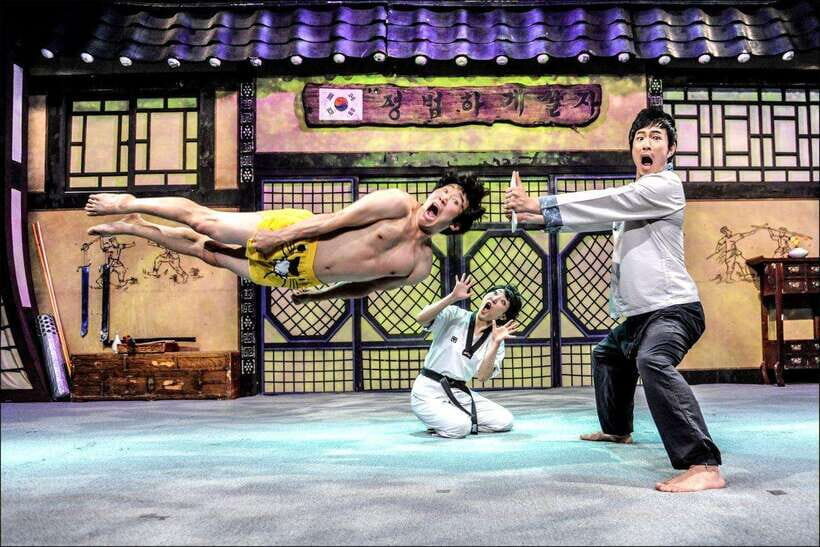
- Comedy built on real athletic skill: Taekwondo, Taekkyun, and gymnastic-level movement show up all night.
- Surprise rhythm changes: there are unexpected time-shifts that keep the storyline engaging.
- Audience interaction plus a photo moment: crowd participation is part of the fun, and you can take pictures afterward.
- Clean, family-friendly humor: it aims at laughs for kids and adults, not mean-spirited gimmicks.
JUMP in Seoul: what you’re really buying
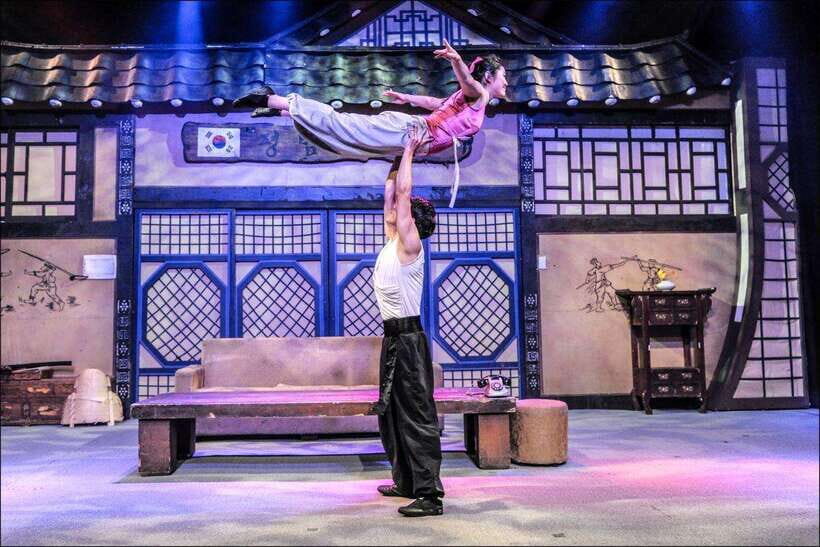
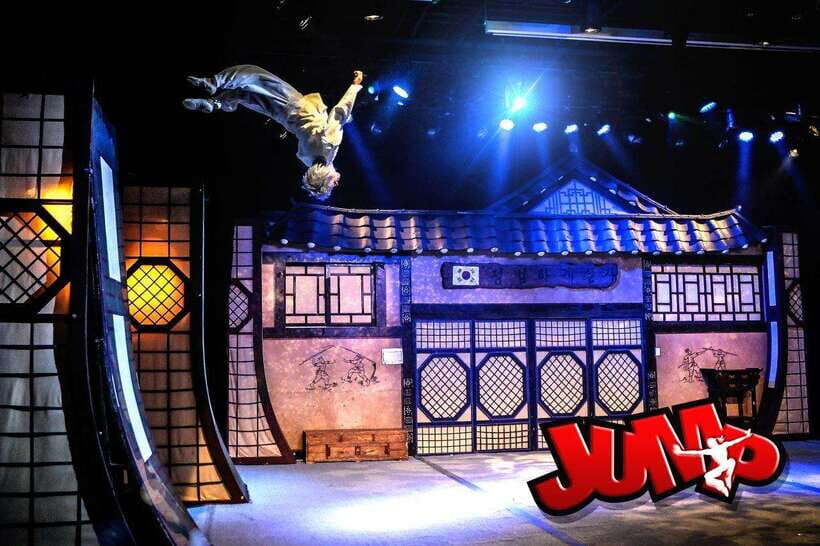
JUMP is a ticket to a high-energy stage show where martial arts and comedy are built together. The setting matters: the production takes place in what looks like a normal Korean home, so the characters feel familiar even when the stunts go big. That contrast is a big part of the pleasure. You start with everyday family situations, then the actors turn them into taekwondo battles and gymnastics sequences.
What I like for your planning is how low the language barrier feels. One of the strongest practical points is that the show is almost entirely non-verbal, with only occasional speech bits at the beginning in Korean and English. That means you’re not stuck relying on subtitles or translations to enjoy the jokes and the action.
You’re also paying for a tight, professional format: the show is designed for global audiences. It isn’t a long, slow story. It moves, resets, and escalates in a way that keeps kids from wandering off and adults from checking their phones.
The price is fairly straightforward: it’s about $20 per person for the performance ticket. That’s a good value if you want one solid “wow” activity that doesn’t require knowledge of Korean culture, but still includes cultural flavor through family roles and everyday-home staging.
A few more Seoul tours and experiences worth a look



The Korean-home storyline: easy setup, fast laughs
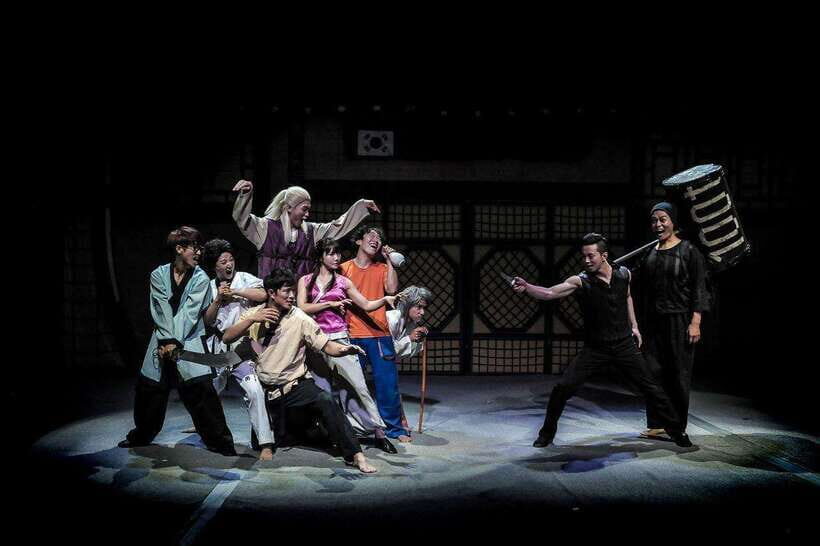
The show’s plot is centered on a typical but exaggerated Korean family, and you’ll catch on quickly. There’s an authoritarian grandfather who runs the household vibe, a drunken uncle who adds chaos, and a mother who gets into Tae Kwon Do-style chopping energy. Then you’ve got a daughter and a suitor situation that turns into more martial-arts showdowns than anyone should need.
Even if you don’t speak Korean, you don’t feel lost because the storytelling is visual. The tone is also consistent: it’s playfully competitive. Everyone in the family is treated like a martial arts expert, with championship-level skills across disciplines, so when the characters argue, it’s basically an excuse for another stunt round.
One detail I think you’ll appreciate: the show leans into clear, readable character dynamics. The grandmother/granddad-style authority conflict, the uncle’s sloppy chaos, and the daughter’s awkward romantic storyline give you simple emotional signposts. That’s why so many viewers can laugh even without understanding every line.
There’s also a twist to the pacing. People note time changes that can feel unexpected, but they don’t break the show. If you’re the type who likes sports-style momentum—wait, what happens next—JUMP delivers.
The martial arts + gymnastic stunt rhythm
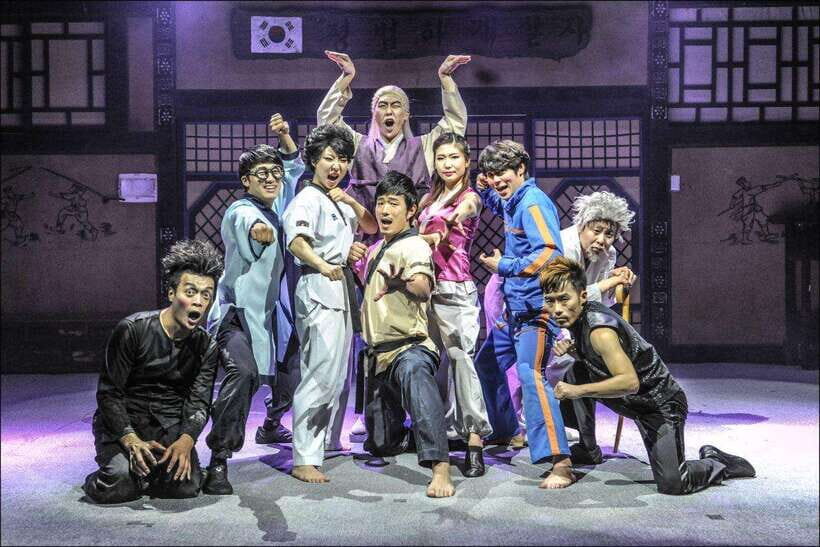
This isn’t a martial arts lecture. It’s martial arts staged as entertainment, timed to comedy beats. You’ll see Taekwondo, Taekkyun, and gymnastic skills used in ways that look both athletic and theatrical.
Here’s the practical takeaway for you: expect movement-heavy storytelling. The plot advances through action. When characters challenge each other, it’s not a pause-and-explain moment—it’s a live showdown. That keeps the energy high, which is especially helpful if you’re traveling with kids who need constant stimulation.
The show also uses contrast cleverly. The opening and closing sequences include dancing, and they help “reset” your attention. You can follow along because the show keeps returning to recognizable patterns: dance → family conflict → stunt showdown → audience moment → repeat with a new twist.
Some comedy also lands through physicality. Even without dialogue, you can understand what’s happening because the actors exaggerate reactions and use stage business—like timing the next move to the punchline moment.
And yes, one amusing note from viewers: there are moments where some of the guys take off their shirts. The humor stays clean, but it’s still part of the overall playful vibe, so consider that if you’re sensitive about costumes in front of very young kids.
Audience participation: how it works in a non-awkward way
A standout feature of JUMP is how it brings the audience into the story. The show isn’t just performers doing a routine while you watch quietly. There are crowd interaction moments, and people consistently mention how fun it is when the actors pick audience members.
What matters for your decision-making is the vibe: it’s interactive without feeling hostile. The humor is aimed at making everyone laugh together, not singling people out for humiliation. That’s why the show lands well for groups, families, and even mixed-age crowds.
The audience participation also helps you “stay with” the plot. When you’re pulled into the action, you stop thinking of it as a foreign-language performance and start thinking of it as a shared game.
If you’re worried about being put on the spot: you can usually watch how it’s being handled before it becomes your turn. The production uses crowd moments as accents, not as the entire show.
Getting the most out of the 80-minute format
JUMP is about 80 minutes, and it feels designed for that window. The pacing is quick enough that you won’t get bored, but structured enough that kids and adults can both enjoy it without feeling overwhelmed.
A useful way to think about the timing:
- The beginning grabs you with dancing and a clear start.
- The middle runs a series of martial arts showdowns driven by family conflict.
- The show includes unexpected time shifts, which add variety instead of just repeating the same fight pattern.
- The end returns to a stronger rhythmic wrap-up with another dancing sequence, plus the audience interaction energy before it finishes.
Because it’s mostly non-verbal, you don’t need to pause and figure anything out. If you go in with the mindset that you’re watching a physical story, you’ll get more laughs.
Also, if you’re bringing kids: it’s a crowd-friendly length. It’s long enough to feel like a real show but short enough that younger kids are unlikely to lose attention halfway through.
A few more Seoul tours and experiences worth a look



Venue and logistics in Seoul: worth planning for
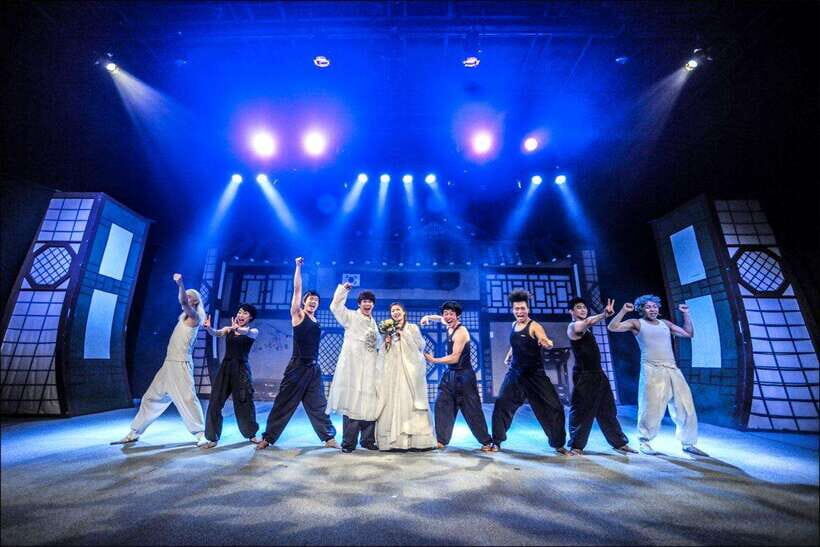
The show takes place at the JUMP Theatre in Seoul, and it’s wheelchair accessible, so that’s a real plus if you need it. The venue itself is reported as nice, and people say it’s easy to find—though not everyone agrees.
One reviewer called the directions extremely difficult to find. The silver lining is that the voucher includes directions in Korean plus English. That means you can bring your confirmation and use it as a backup if your map app struggles.
My practical advice: arrive a little early so you can settle in before the first dancing sequence and any spoken opening bits. If you’re traveling at peak times, this small buffer reduces stress.
Also, keep in mind you can purchase souvenirs at the theater. Tickets cover admission and the performance, but extras like merchandise are separate.
Who should book JUMP tickets?
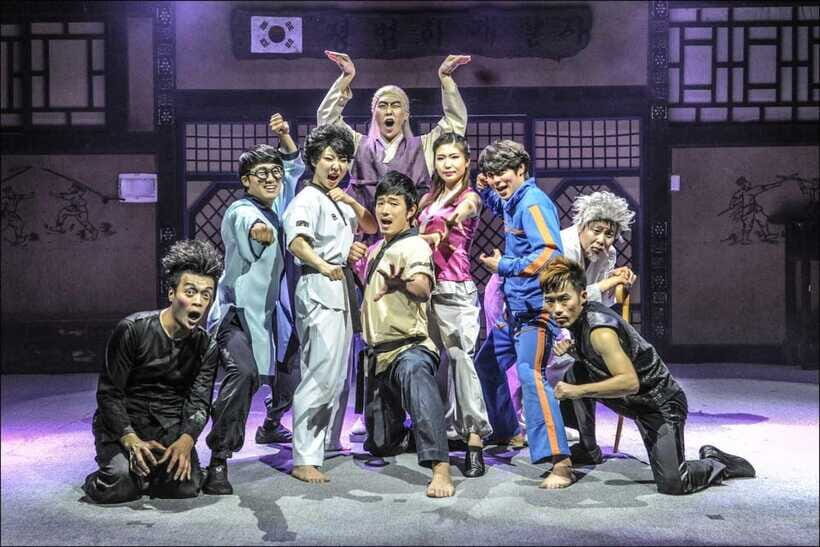
This is one of those shows that fits a wide age range. The admission age is 36 months and above, and children under 3 years aren’t suitable. If you have a family with a mix of ages, JUMP is a rare win where the kids aren’t bored and the adults still feel like they got their money’s worth.
It’s especially good for you if:
- You want something fun that doesn’t require Korean language skills.
- You like fast, physical comedy and stage stunts.
- You’re looking for a single high-impact evening activity in Seoul.
It may be less ideal if you want a quiet sit-down cultural performance. JUMP is loud, kinetic, and joke-driven. It’s closer to comedy + action entertainment than a calm museum-style experience.
Value check: is $20 a fair deal?
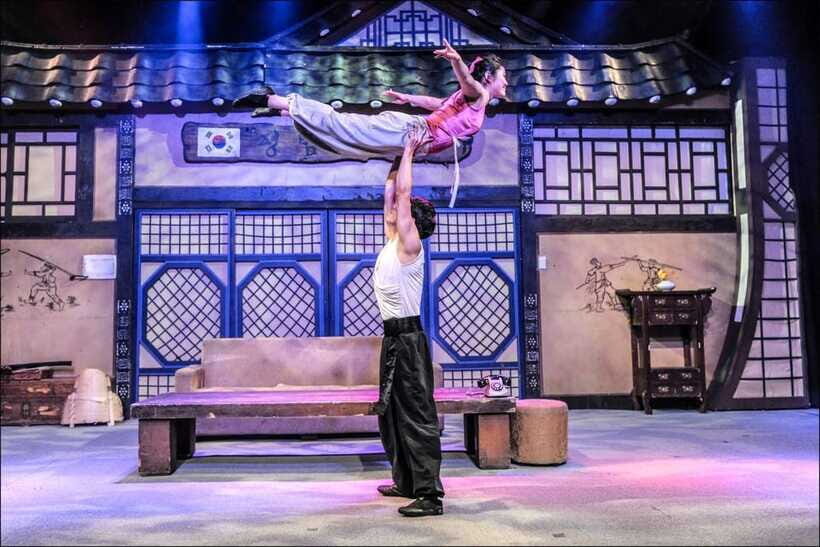
For about $20 per person, you’re getting a complete, world-famous stage production with martial arts stunts, dance segments, audience participation, and a post-show photo opportunity. That combination is hard to replicate with typical paid activities in a city, especially when the show runs long enough to feel like a full event.
The value lands for a second reason: the language barrier is low. When a performance doesn’t depend on translation, you get more value from every minute. You’re not paying for a show you can’t fully enjoy—you can follow the story through visuals.
If you’re traveling as a couple, this can be a light, cheerful night out. If you’re traveling with kids, it’s one of the more straightforward ways to get a “Seoul experience” without worrying about whether everyone will understand the setting.
After the show: what to do with your souvenir moments
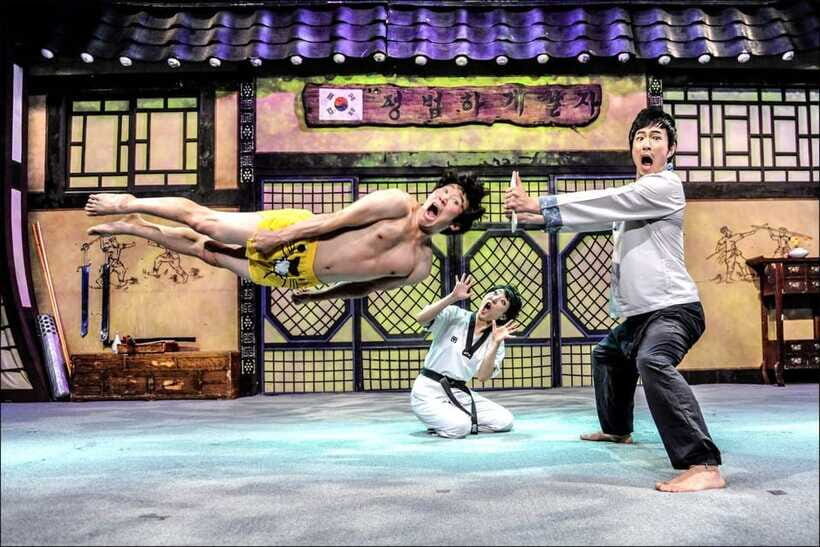
At the end, you can take pictures with the artists, which gives the night a satisfying finish. Reviews also note photo opportunities as a memorable extra, so plan a bit of time for that moment rather than rushing out immediately.
If you want keepsakes, there are souvenirs sold at the theater. Since those aren’t included with the ticket, you’ll need to decide on the spot if you want a program-style memory or a small memento.
Should you book JUMP in Seoul?
If you want a fun, low-language-barrier show with real athletic stunt work and comedy that families can enjoy, I think JUMP is a strong choice. The pricing is reasonable, the pacing is built for an 80-minute attention span, and the audience interaction makes it feel like more than just a performance.
I’d skip it only if you strongly prefer quiet shows, or if you’re traveling with a child under 3 years old (the show isn’t suitable). Otherwise, for most people, it’s a straightforward “yes” activity: buy a ticket, arrive early enough to find the theatre, and be ready to laugh at martial arts that are clearly playing for the crowd.
FAQ
What’s the admission age for the JUMP show?
Admission is 36 months and above. Children under 3 years are not suitable.
How long is the performance?
The show is about 80 minutes.
Where does the JUMP show take place?
It’s performed at the JUMP Theatre in Seoul.
Is JUMP wheelchair accessible?
Yes, the venue is wheelchair accessible.
Do I need Korean to enjoy the show?
No. The show is mostly non-verbal, with only occasional bits of speech at the beginning in Korean and English.
What’s included in the ticket price?
Your ticket includes admission to the performance.
Can I cancel my booking?
Yes. There’s free cancellation up to 24 hours in advance for a full refund.
Are souvenirs included with the ticket?
No. You can purchase souvenirs at the theater, but they are not included in the ticket.