REVIEW · SEOUL
DMZTour from Seoul:3rd Tunnel,North Korea View&UNESCO Valley
Book on GetYourGuide →Operated by Lecirt · Bookable on GetYourGuide
DMZ and waterfalls in one packed day sounds odd. It works, because you get the hard reality of division—then you step into the calm of UNESCO scenery in Hantan Geopark. You’ll visit Imjingak, the Third Tunnel, Dora Observatory, Tongilchon, and finish with the UNESCO Jaein Waterfall area in Hantan Geopark.
Two things I really liked: first, the way the day connects places to stories. At Imjingak, you’re in a space dedicated to peace and unification, and the monuments are powerful enough that your photos feel more meaningful than just sightseeing. Second, the guides matter. In small groups with guides like Alex Kim and Apollo, you’ll get the kind of context that turns the DMZ from a distant headline into something you can actually understand.
One possible drawback: it’s a long, early day with extra admin. Getting into the DMZ requires you to provide passport details (name, passport number, date of birth, gender), and you’ll likely start very early so your group can handle the security process smoothly. Lunch isn’t included either, so plan ahead.
In This Review
- Key highlights you’ll actually remember
- DMZ + UNESCO Geopark: why this combo makes sense
- Early departures, DMZ limits, and why 6am can be worth it
- Imjingak Peace Park: monuments that turn photos into something heavier
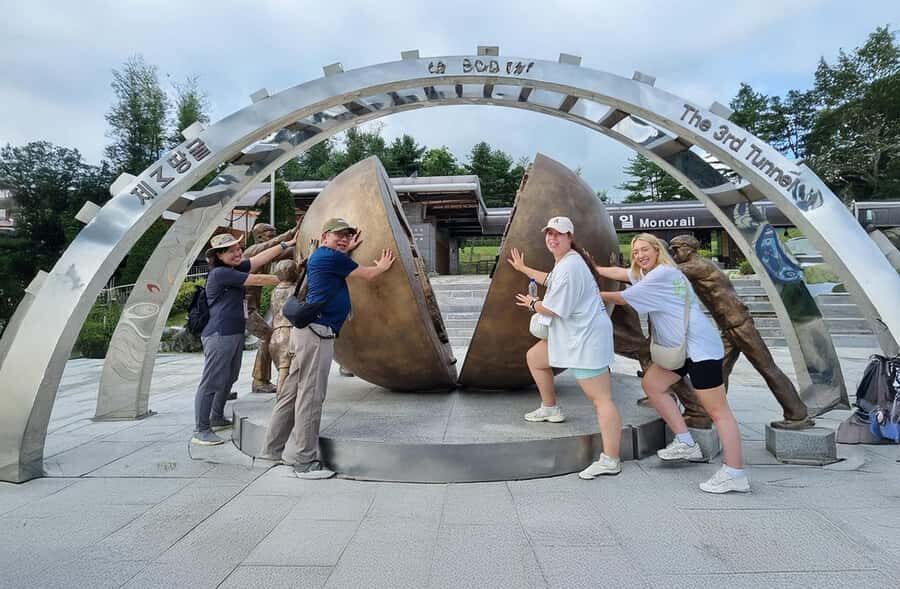
- Third Tunnel walkthrough: history you can feel underground
- Dora Observatory: gazing north while thinking clearly
- Tongilchon: the unification story beyond the “big sights”
- Hantan Geopark and Jaein Waterfall: calm after the tension
- Price and logistics: what $125 is really buying you
- Who this DMZTour fits best (and who should rethink)
- Should you book this tour?
- FAQ
- What areas does this tour cover?
- Do I need a passport to join the DMZ part?
- What’s included in the price?
- What is not included?
- What languages are available for the tour?
- Where do we meet and where does the tour end?
- Can I reserve now and pay later?
- What is the cancellation policy?
Key highlights you’ll actually remember
- Third Tunnel walking route: an underground passage dug by North Korea, with real historical meaning behind your feet
- Dora Observatory views: a chance to look into North Korea while the setting forces you to think about the division
- Imjingak Peace Park monuments: photo-worthy symbols of hope and unification, not just statues for decoration
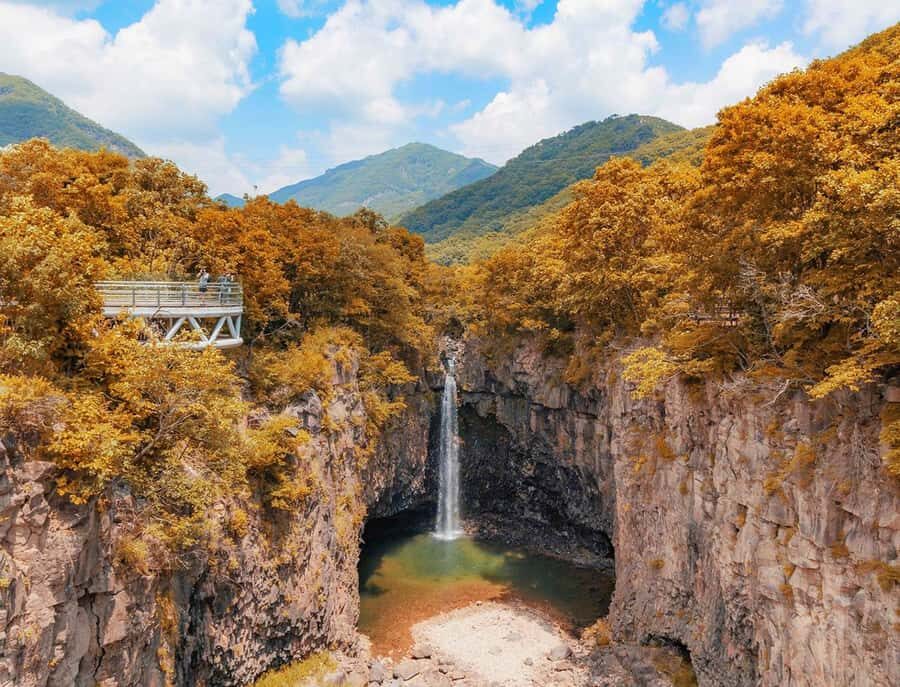
- Jaein Waterfall in Hantan Geopark: UNESCO-designated nature with scenic trails and strong photo potential
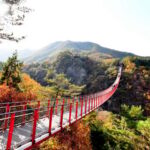
- Suspension bridge walk: a quick thrill break before you settle back into waterfall views
DMZ + UNESCO Geopark: why this combo makes sense
You might wonder why a DMZ tour from Seoul also includes a UNESCO geopark. The simple answer is balance. The DMZ stops can feel heavy—history, limits, and tension are part of the experience. Then Hantan Geopark gives you a visual and physical reset with forests, trails, and Jaein Waterfalls, which are also recognized as a UNESCO site.
This structure also helps you pace your brain. Instead of spending 10 hours staring at fences and signage, you get variety: underground history, observation points, a peace-focused memorial space, then nature time with room to slow down. If you’re the type who likes your tours to have both meaning and a little joy in the same day, this pairing is a strong fit.
Value-wise, the tour includes round-trip transportation, admission to the attractions, and a professional guide. That matters here because DMZ logistics aren’t casual. When you’re paying around $125 per person, you’re not just paying for sightseeing—you’re paying for someone to handle the process, timing, and interpretation so you don’t waste the day.
You can also read our reviews of more tours and experiences in Seoul.
Early departures, DMZ limits, and why 6am can be worth it
Expect an early start from Seoul. One recent group began at 6am, and the reason is practical: access to the DMZ is controlled, and only a limited number of people can enter at a time. If your guide doesn’t get in the ticket queue early enough, you can lose time and end up waiting longer than you want.
Here’s the mindset I recommend: treat the early morning like part of the itinerary, not a punishment. You’re not just commuting—you’re working around a security system that has strict rules, and your schedule depends on timing. If you show up refreshed and ready, the day feels smoother.
Also, bring the right paperwork. To get into the DMZ, the operator needs all participants’ passport information, including name, passport number, date of birth, and gender. Don’t try to wing it. Get your details ready before the day arrives, because that’s what protects both your access and the tour’s timing.
Imjingak Peace Park: monuments that turn photos into something heavier

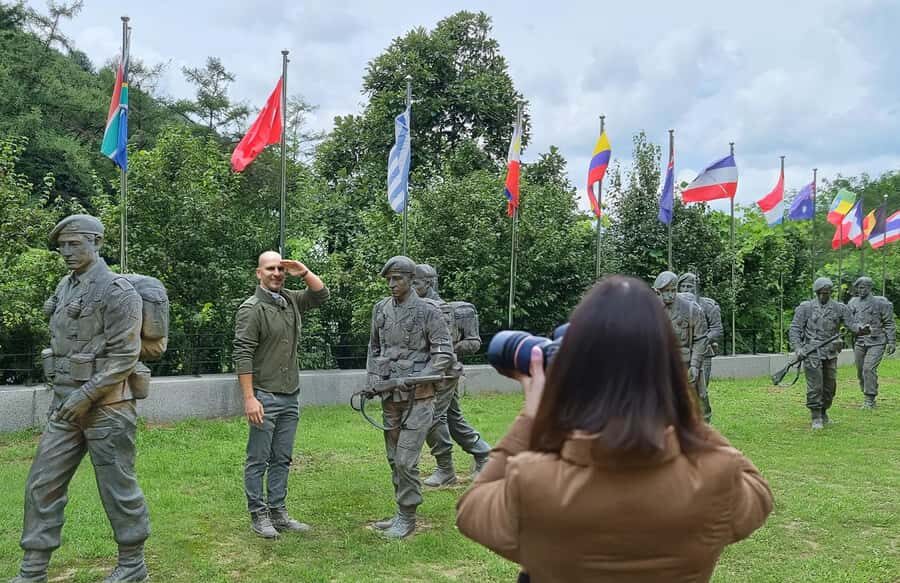
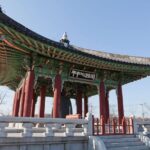
Imjingak is where the mood shifts from logistics to meaning. This is a space dedicated to peace and unification, with monuments designed to communicate hope rather than anger. You’ll have time there to take photos, but the point isn’t just to capture the background. It’s to stand in a place built for remembrance and reflection.
What I like about Imjingak is how it gives context without demanding you read a textbook on the bus. With your guide explaining the significance, you’ll connect why this area exists and what it represents. The monuments are described as powerful, and you’ll feel that immediately when you’re there—especially if you’ve already seen how tightly controlled the DMZ is.
Practical note: bring a camera you’re comfortable using. The lighting can change fast outside observation areas, and you’ll likely want a few angles, especially if you’re traveling with someone who loves photos as much as you do.
Third Tunnel walkthrough: history you can feel underground
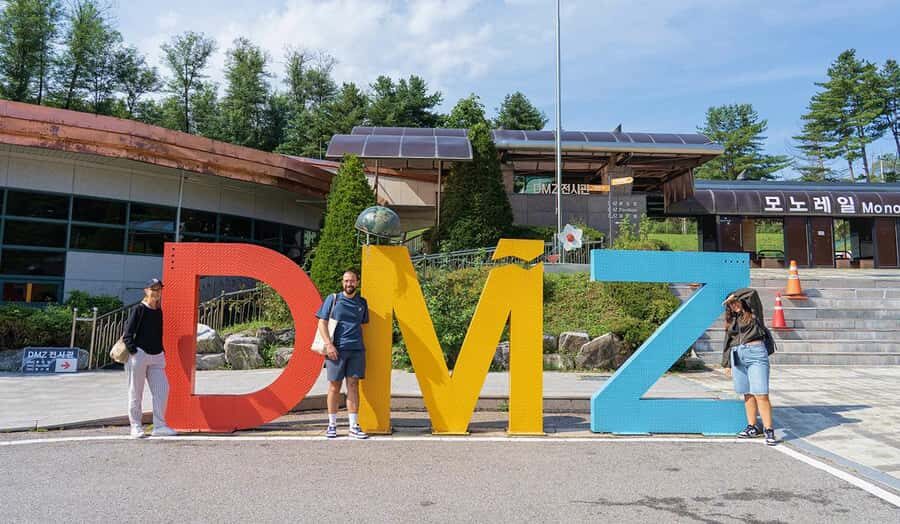
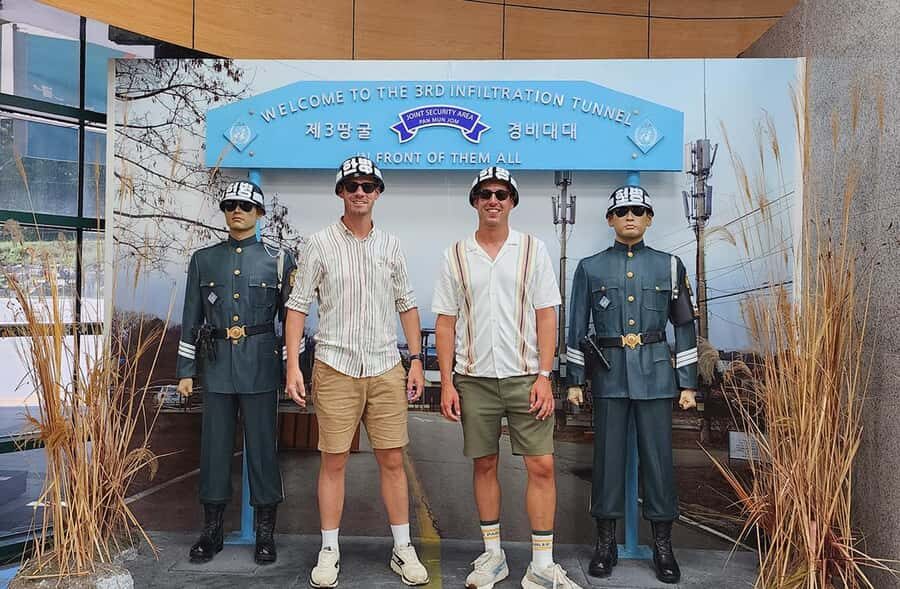
The Third Tunnel is one of the most memorable parts of this tour because it’s physical. You don’t just look at history—you walk through it. The Third Tunnel is an underground passage dug by North Korea, and it’s presented as a key piece of the story behind division.
You’ll walk through the tunnel as part of the tour, and your guide will explain what it was used for and why it mattered. Even if you don’t consider yourself a “history person,” this stop tends to stick. That’s because the environment does half the work: enclosed space, the sense of scale, and the knowledge that it was built for a specific purpose.
A consideration: the tunnel experience can feel intense just because it’s constrained. If you’re sensitive to enclosed spaces or you prefer lots of open-air time, plan your expectations. It’s still manageable for most visitors, but it’s not the kind of stop where you can treat it like a quick photo stop.
Dora Observatory: gazing north while thinking clearly
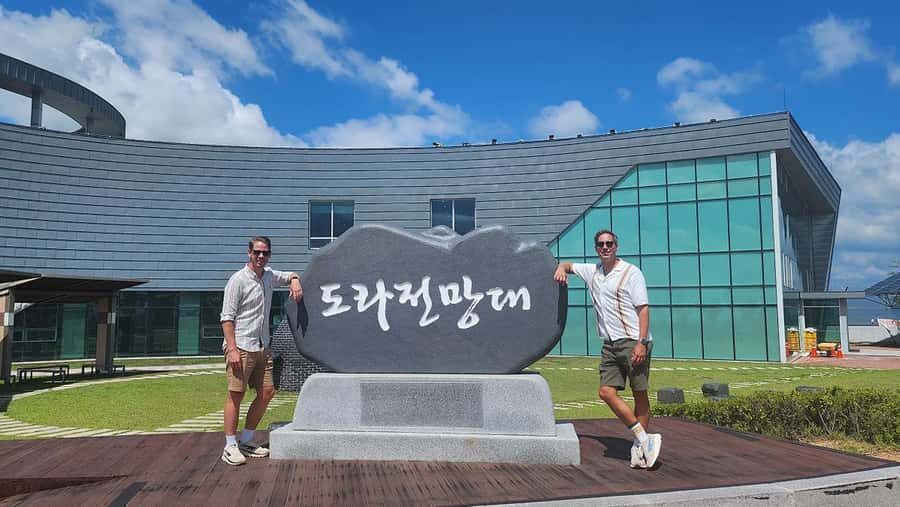
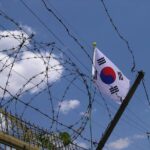
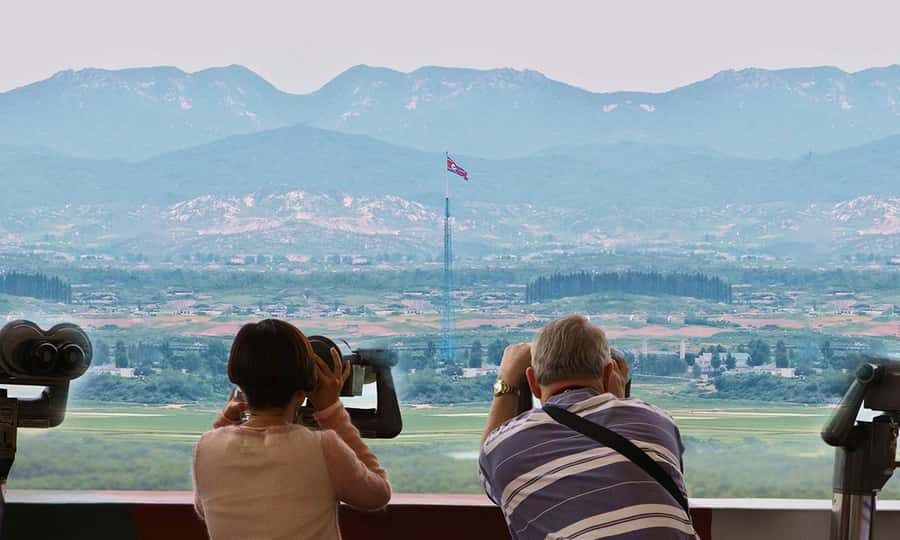
At Dora Observatory, you’ll get one of the signature experiences of any DMZ visit: you gaze into North Korea. The view is often described as stunning, but the experience isn’t about postcards. It’s about reality. From where you stand, you can’t avoid reflecting on what separation means in everyday terms—who sees what, who doesn’t, and why.
This is the moment on the day where your guide’s narration really matters. Without the context, you might just see scenery and signage. With the context, the observation point becomes a platform for understanding the stakes of the confrontation and the long-term impact on both sides.
Tip: wear layers or bring something light. Observation points can feel different from the bus and can change with weather. And give yourself time. Don’t rush your first look. Take a breath, then let the explanation land before you start snapping away.



Tongilchon: the unification story beyond the “big sights”
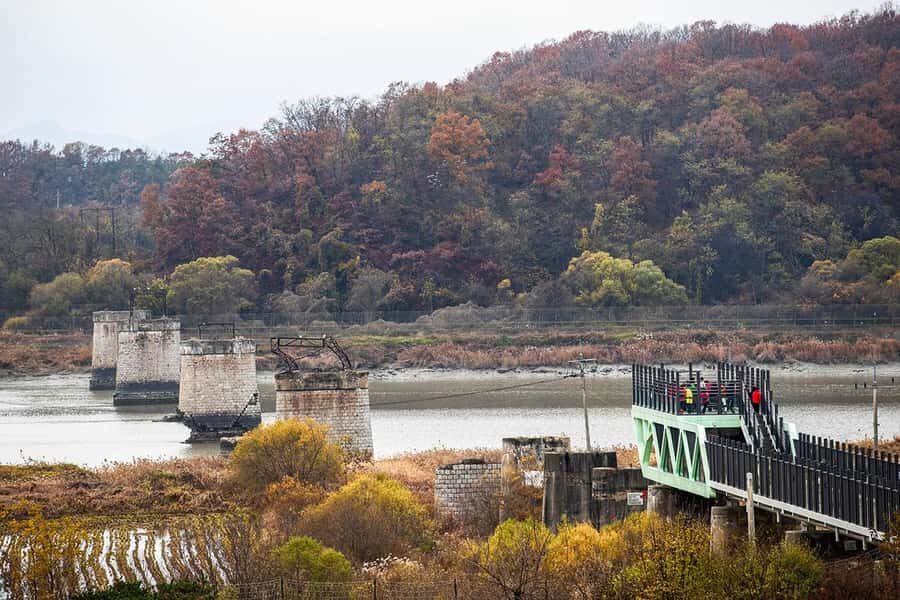
The tour also includes Tongilchon, a stop connected to the unification theme. It’s not presented as a dramatic set-piece like a tunnel or an observatory. Instead, it helps fill in the human and cultural angle of the day’s larger story.
Because the information provided for this stop is more general than the tunnel or observatory, I’d treat Tongilchon as a supporting chapter, not the main event. You’ll likely get a sense of why this region is tied to reunification narratives and how people interpret those hopes in a place shaped by division.
If you love tours that give a full sense of place—even when it’s not flashy—this stop will feel worthwhile. If you prefer only the most visually intense moments, you may see Tongilchon as a calmer interlude between the big DMZ hits and the later nature segment.
Hantan Geopark and Jaein Waterfall: calm after the tension
After the DMZ portion, the day shifts to nature at Hantan Geopark. The highlight here is Jaein Waterfall, which is described as an UNESCO site. You’ll get scenic views from the trails and have a chance for memorable photos, especially when the light is right.
What I like about ending with Jaein Waterfall is that you get something you can physically enjoy: walking paths, open air, and the sound of water. The tour also mentions a suspension bridge, which adds a playful edge to the day. You’re still outdoors, still moving, but you get that quick hit of excitement before you settle back into the quieter parts of the scenery.
A simple strategy: pace your photo stops. After the DMZ, your body will appreciate a slower rhythm. Take your time near the waterfall viewpoints, then use the bridge moment as a “fun break” rather than another rushed check-off. If the weather cooperates, this portion can feel like the day’s reward.
Price and logistics: what $125 is really buying you
At about $125 per person, this tour is priced like a full-day packaged experience rather than a cheap add-on. That makes sense because the DMZ component isn’t casual. You’re paying for:
- Round-trip transportation from Seoul
- Admissions to the listed attractions
- A professional tour guide for interpretation and timing
What’s not included: lunch expenses and other personal expenses. So budget for food, water, and any snacks you want to keep the day comfortable. If you tend to get hungry fast, pack something simple if your tour schedule allows, or plan where you’ll buy lunch.
Language options include English, Chinese, and Korean, which is helpful if you want a clear explanation rather than relying on guesswork. And the operator lists flexible booking as Reserve & Pay Later, meaning you can reserve your spot and pay nothing today.
One more practical point: the meeting point can vary depending on the option booked, and the tour ends back at the meeting point. So keep an eye on your confirmation details.
Who this DMZTour fits best (and who should rethink)
This tour fits you if:
- You want the classic DMZ sites (Imjingak, Third Tunnel, Dora Observatory) tied together with explanation
- You’re interested in real-world context for Korea’s division, not just quick sightseeing
- You want a day trip that ends with nature time at Jaein Waterfall in Hantan Geopark
- You like small group energy. One group example mentioned just 5 people, which usually makes questions and guide attention easier.
It might be less ideal if:
- You hate early mornings and long days. Starting around 6am is part of the deal for many schedules.
- You prefer a slow pace with no security procedures. DMZ access depends on strict timing and requires passport details in advance.
- You’re only interested in scenic stops and want minimal “serious history” content.
If you’re somewhere in the middle—curious but not trying to read a 400-page history book—this is a good compromise. The guide interpretation is built into the experience.
Should you book this tour?
Yes, I’d book it if you want one organized day that covers the key DMZ experiences and then gives you a real nature payoff at UNESCO Jaein Waterfall. The value is strongest when you consider what’s included: transportation, admissions, and a professional guide who can explain what you’re seeing as you move from stop to stop.
I’d be cautious if you’re very sensitive to enclosed spaces (since you’ll walk through the Third Tunnel) or if early starts ruin your vacation style. Also, plan for lunch since it’s not included, and make sure your passport details are correct before the DMZ process begins.
If your goal is a meaningful day with practical organization—and you’re okay with being up early—this is a solid choice.
FAQ
What areas does this tour cover?
You’ll visit the DMZ region and key sites including Imjingak, the Third Tunnel, Dora Observatory, and Tongilchon. You’ll also visit Hantan Geopark and see Jaein Waterfalls.
Do I need a passport to join the DMZ part?
Yes. To get into the DMZ, the tour needs all participants’ passport information: name, passport number, date of birth, and gender.
What’s included in the price?
Round trip transportation, admission to the attractions, and a professional tour guide are included.
What is not included?
Lunch expenses and other personal expenses are not included.
What languages are available for the tour?
The tour is available in English, Chinese, and Korean.
Where do we meet and where does the tour end?
The start meeting point may vary depending on the option booked. The activity ends back at the meeting point.
Can I reserve now and pay later?
Yes. The tour offers Reserve & Pay Later, so you can reserve your spot and pay nothing today.
What is the cancellation policy?
You can cancel up to 24 hours in advance for a full refund.