Seven days, nonstop Korea highlights. From tea ceremony with a Buddhist monk to a Mt. Seorak hike at the end, this trip strings together big sights across the country with an English guide, entrance fees handled, and your travel time planned. You’ll also get built-in meals most days, so you’re not hunting down lunch every time you’re tired.
I especially love the hands-on cultural moments. You’re not just looking at things—you’ll try archery in a mountain fortress, dress up in Korean national costume in Jeonju, and make traditional hanji paper in Wonju. The other standout is the way the food is used as part of the day, not an afterthought: lotus-leaf rice, Jeonju bibimbab, bulgoggi stew, Korean BBQ, and regional set meals tied to each stop.
The main drawback is the pace: this is a busy schedule with lots of driving between cities and limited true downtime. If you’re sensitive to long days or you hate moving every day, you may want a slower route or more free time built in.
In This Review
- Key Highlights Worth Planning For
- Pricing and What You Actually Get for $2,633
- Getting Ready: Pickup, Start Times, Group Size, and Mobile Tickets
- Gongju to Jeonju: Royal Tombs, Tea Ceremony, and Hanbok Moments
- Boseong and Suncheonman Bay Reed Marshes: Green Tea, Country Villages, and Coastal Nature
- Yeosu Marine Cable Car to Busan: Seawater Gondolas and Fortress History
- Gyeongju by UNESCO: Bulguksa, Silla Tombs, and the Old Observatory
- Andong to Pyeongchang: Hahoe Village, Hanji Paper, and Samgyeopsal
- Seorak Finale: Ski Jump Tower Views, Jujeongol Hiking, and Back to Seoul
- Meals Included: Where the Food Counts (and Where to Budget Extra)
- Who This Tour Suits (and Who Might Prefer Something Slower)
- Book It or Skip It: My Practical Recommendation
- FAQ
- What time does the tour start?
- Is pickup from Seoul accommodations included?
- Are entrance fees and meals included?
- Do I get an English-speaking guide?
- How big is the group?
- Can I get a refund or change the booking if my plans change?
Key Highlights Worth Planning For
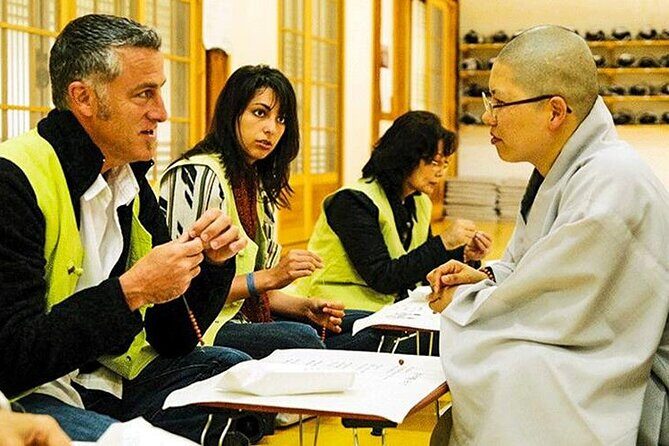
- Monk-led tea ceremony in Gongju with a calmer, more personal start than most tours
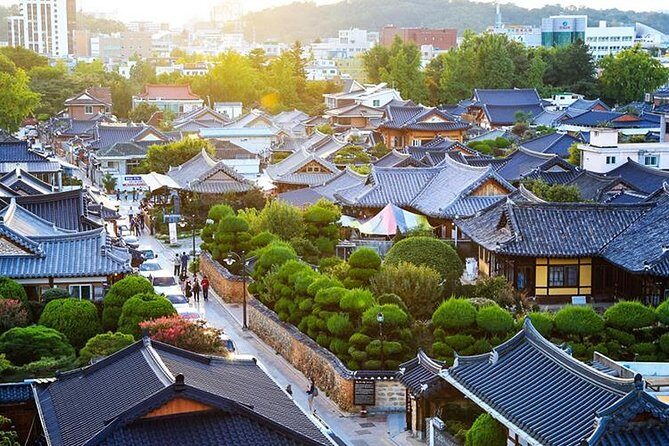
- Jeonju Hanok Village hanbok dress-up so you actually take home a memorable photo
- Yeosu Marine Cable Car over seawater for a real wow-factor view
- UNESCO-grade stops around Gyeongju including Bulguksa and Silla-era tombs
- Hanji paper making in Wonju as a hands-on craft workshop
- Mt. Seorak hiking finale after you’ve seen coast, temples, and countryside
Pricing and What You Actually Get for $2,633
At $2,633 per person, this isn’t a budget trip. But the pricing makes more sense when you look at what’s bundled: entrance fees, an English speaking guide, and most meals (6 breakfasts, 7 lunches, 6 dinners) are included. That kind of structure matters in South Korea, where tickets, transport, and food costs can stack up fast if you’re doing everything on your own.
You’re also paying for coordination. Your day-to-day plan is set, your stops are sequenced, and you don’t need to figure out the route between inland temples, coastal towns, and mountain areas. For a first-time visit, that can be worth real money because you spend more time seeing and less time figuring.
One thing to keep in mind: personal snacks, coffee/tea breaks not listed in the plan, and tips aren’t included. If you’re the type who stops for a drink every hour (and hey, I get it), set aside some extra cash so you don’t feel cramped.
You can also read our reviews of more tours and experiences in Seoul.
Getting Ready: Pickup, Start Times, Group Size, and Mobile Tickets
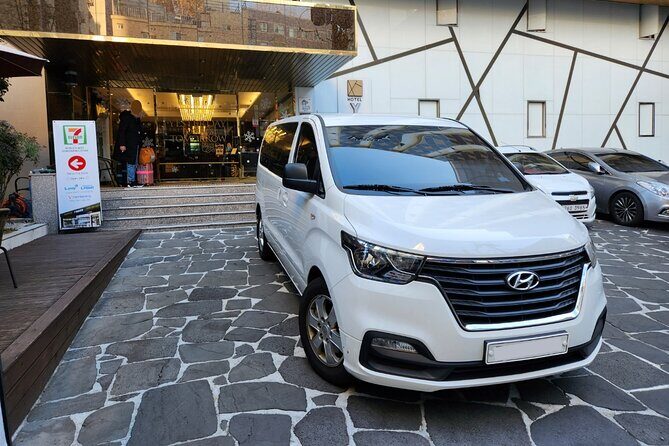
The tour starts at 8:00 am, and pickup is offered from your accommodation in Seoul. That’s a quiet but important perk—especially on day one—because you avoid the stress of finding your first meeting point.
Group size is capped at 35, which usually keeps things organized without feeling like you’re shoulder-to-shoulder in a giant crowd. Still, expect a “move together” rhythm. If you’re hoping to wander off solo for long stretches, this isn’t the style.
You’ll also have a mobile ticket, which is convenient for check-ins. The plan includes lots of timed experiences and scheduled admissions, so having that ticket on your phone helps you keep things smooth instead of scrambling for paper.
Gongju to Jeonju: Royal Tombs, Tea Ceremony, and Hanbok Moments
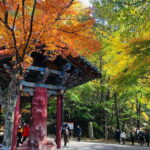
Day one begins with a transfer from Seoul to Gongju, the ancient capital of the Baekje Kingdom. The highlight here is Magoksa Temple and the tea ceremony with a Buddhist monk. Even if you’re not a tea expert, this is the kind of slow, respectful experience that resets your head after travel. You also get a temple setting with real atmosphere, not just a quick photo stop.
Then the day shifts into royal history at the Tomb of King Muryeong and the Gongsanseong Fortress. You’ll see wall paintings at the tomb, and at the fortress you can try archery—a great change of pace from temples and tombs. It’s one of those activities that makes you feel like you’re participating in the place, not just watching it.
Lunch is served as a set menu with steamed rice wrapped in a lotus leaf, which is a memorable local touch. Dinner continues the “comfort Korean” theme with kalguksu (chopped noodles) and dumplings.
For the evening, you’ll stay in Daejeon and have free time, including the option to try an indoor spa. That’s a smart recovery moment built into the plan—use it if you’ve got stiff legs from walking.
Day two heads to Jeonju, known for Korean culture and tradition. The most fun stop is the Jeonju Hanok Village, where you can dress up in Korean national costume. This isn’t just a photo opportunity. It also helps you understand the look of hanok life in a way that feels more personal than reading about it.
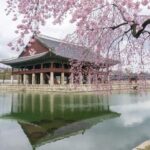
You’ll also visit Gyenggjeon Shrine (built in 1410) and see the portrait of King Tae-jo. From there, it’s food time: Jeonju bibimbab is the main lunch, and you’ll also taste Kakkolli, a traditional Korean wine. The plan then includes Tapsa Temple, known for its stone pagodas (over 80). Expect a lot of walking here, and bring shoes you trust.
The trade-off: Jeonju is a high-emotion day. You get costumes, shrines, and major meals, which is great—but it can feel like sensory overload if you like quiet sightseeing.
Boseong and Suncheonman Bay Reed Marshes: Green Tea, Country Villages, and Coastal Nature
On day three, the trip gets greener and softer. You head to Boseong-gun for a green tea plantation visit. Even if you’ve only seen tea as a drink, seeing the fields helps you connect the dots to how local food and everyday culture work.
Next up is Naganeupseong, a local village area. These kinds of stops are where you slow down and notice details: the layout, the feel of daily life, and the way the countryside looks when you’re not rushing to the next city.
Suncheonman Bay is the next big nature moment, with the reed marshes experience. This is the kind of scenery that makes you want to stop talking and just watch. After that, you’ll visit Yongsan Observatory and the Eco-Museum in Suncheon, which adds a learning component so the day isn’t only about pretty views.
Lunch is another set menu (including dried corvina and a vegetable pancake). Dinner includes grilled and smoked duck and grilled seafood, though there’s also an option for pizza and pasta depending on what’s easiest for your group that day.
Then you transfer and overnight in Yeosu. The value of this day is variety: tea fields, village atmosphere, and coastal wetlands all in one package. The cost is energy. By the time you arrive in Yeosu, you’ll be grateful you’ve already got dinner planned.
Yeosu Marine Cable Car to Busan: Seawater Gondolas and Fortress History
Day four is built around the coast. You’ll ride the Yeosu Marine Cable Car, which moves in a gondola over seawater. This isn’t a “take a quick aerial tram” moment. You get sustained views over the water and down toward the archipelago and seaport areas, which is exactly the kind of scenery that’s hard to replicate elsewhere.
After the cable car, you visit Jinjuseong Fortress, tied to the Japanese invasion in 1592. The fortress setting helps history land in a real place. You can look at the terrain and understand why defensive positions mattered.
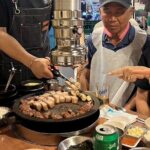
Lunch is bulgoggi stew, then dinner is Korean-style BBQ. That combination works well after a travel-heavy morning—something warm and hearty before you switch locations again.
You’ll move to Busan for the rest of the day on your own. This is your best chance on the trip to choose your own pace—whether you want a relaxed meal, a walk, or shopping in a more city-focused setting. Just remember: you’re in a new base city, so it’s smart to plan for a lighter evening so day five doesn’t feel like a grind.
Gyeongju by UNESCO: Bulguksa, Silla Tombs, and the Old Observatory
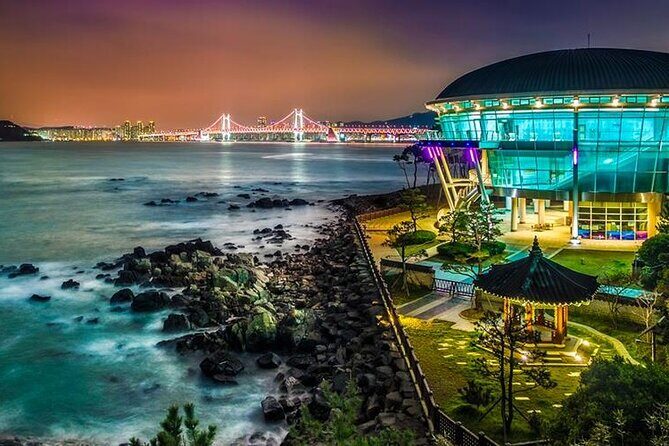
Day five turns into a classic Korean “temples and ancient capitals” day, with Gyeongju as the center. First is Nurimaru APEC House on Dongbaekseom Island. Even if APEC meetings aren’t your thing, the spot is about setting: ocean-side views and a modern landmark used for international gatherings.
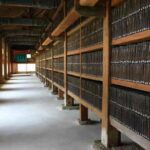
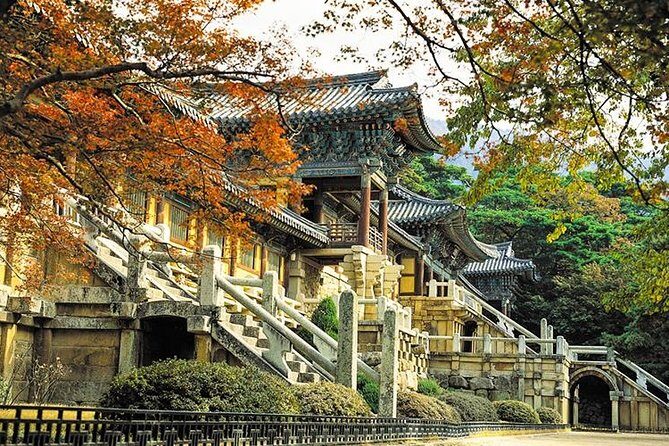
Then you go into UNESCO territory at Bulguksa Temple. This is the kind of stop that rewards slow attention. Look at the details, not only the big buildings. You’ll keep moving, but try not to treat it like a checklist.
You’ll also visit Gyeongju National Museum, which helps you anchor what you see to the Silla kingdom. After that, Daereungwon Tomb Complex gives you a sense of the scale of royal burial culture. The day wraps with Cheomseongdae Observatory, the oldest existing astronomical observatory in Asia. It’s a rare moment where science and culture meet in stone.
Evening time is flexible. You can walk around Bomun Lake or just rest. In my view, that free time is where you decide how you’ll manage the rest of the trip. If you keep pushing every night, you’ll feel it by day six and seven.
Andong to Pyeongchang: Hahoe Village, Hanji Paper, and Samgyeopsal
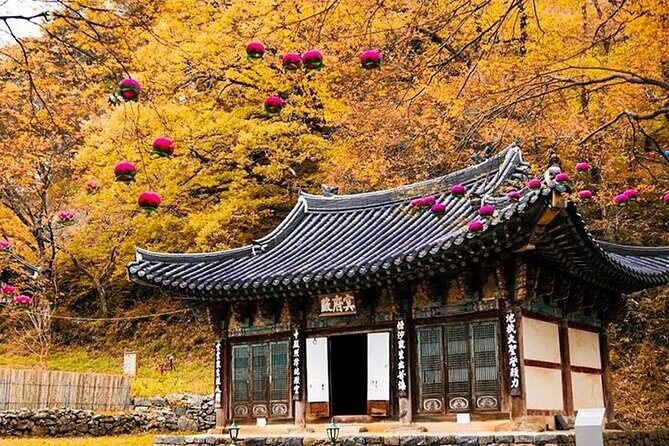
Day six starts with Andong and Andong Hahoe Village. This place is UNESCO-listed (added in 2010), and it’s tied to the descendants of the Ryu clan of Pungsan. The big reason this stop works is that it’s a living-feeling village setting, not just a staged attraction. The traditional houses and layout help the story stick.
After lunch of braised chicken, vegetables, and roasted fish, you transfer to Wonju. Here’s one of the most practical and satisfying experiences on the whole itinerary: the Hanji Theme Park where you learn to make hanji, traditional Korean paper. This is more than a demo. It’s a craft you can understand through your own hands, and you’ll leave with a better appreciation for why paper-making matters in Korean material culture.
Then you transfer again to Pyeongchang. Dinner is Korean-style pork belly (samgyeopsal), which is a fun comfort meal after a day of culture stops. You’ll overnight in Pyeongchang, and that matters because day seven is nature-focused and you’ll want to start close to the mountains.
Seorak Finale: Ski Jump Tower Views, Jujeongol Hiking, and Back to Seoul
Day seven is the payoff day. You start with the Ski Jump Tower Observatory, with access to the Sky Lounge for coffee or tea. This is an easy win: a panoramic view without needing an all-day commute just to see the scenery.
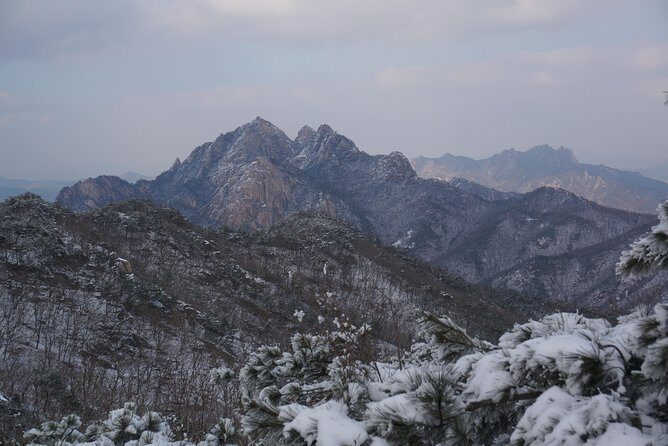
Then you head to Yangyang for a short hiking experience at Jujeongol of Mt. Seorak. This is the day that turns the whole trip into something physical. Even if you’re not a hardcore hiker, the point is to experience the mountain environment you’ve heard about—fresh air, changing views, and a sense of scale.
Lunch is a set menu with seasoned wild vegetables. After that, you return to Seoul around 6 PM, which is a nice realistic end time for getting back to your hotel and decompressing.
A practical note: this day can be cool, even if the rest of your trip was comfortable. Plan for layers and a light rain shell if forecasts change.
Meals Included: Where the Food Counts (and Where to Budget Extra)
You get six breakfasts, seven lunches, and six dinners included, which is a lot of meals to have planned for you. That reduces decision fatigue and helps you stick to a schedule without constantly checking what’s open.
What I like about the specific dishes listed is the variety across regions:
- Gongju brings lotus-leaf rice and simple noodle comfort.
- Jeonju gives you bibimbab and a cultural drink like Kakkolli.
- Boseong and Suncheon’s set meals fit the countryside-and-coast mix.
- Yeosu and Busan rotate between stew and BBQ.
- Gyeongju and Andong keep the meals aligned with sightseeing blocks.
- Pyeongchang and the Seorak area end with seasoned wild vegetables and hearty pork belly.
Still, don’t forget that personal expenses and any coffee/tea not included are on you. It’s easy to underestimate that on a route where every day has a scenic stop that also tempts you with drinks and snacks.
Also, this tour includes one dinner choice variation on day three (grilled duck/seafood or pizza/pasta). That’s useful if you want fewer surprises or if a group member isn’t feeling adventurous on a particular day.
Who This Tour Suits (and Who Might Prefer Something Slower)
This tour is a good match if you want structure and you like variety. You’ll see temples, royal sites, coastal viewpoints, UNESCO-grade monuments, and a mountain hike, all without needing to plan logistics yourself.
It also suits travelers who enjoy cultural participation. The archery try, hanbok dress-up, and hanji paper-making are the kind of experiences that make memories stick.
If you prefer quiet sightseeing, long museum time, or lots of independent free time, this may feel too scheduled. The constant movement between regions can be tiring, especially if you don’t handle day-to-day changes well.
And if you’re traveling with mobility concerns, you’ll want to consider the walking and transfers implied by a route like this. The plan has lots of sites that typically involve stairs and uneven ground, even when the admissions are included.
Book It or Skip It: My Practical Recommendation
Book this tour if you want a single, organized path through South Korea’s major highlights—especially your first time. The value is strongest in the meal inclusions, English guide support, and included entrance fees, plus the hands-on cultural stops that go beyond standard photo queues.
Skip it (or switch to a slower option) if you hate a packed day schedule or if you want deep downtime. At this pace, you’ll be tired some nights, even if the trip is great.
My final advice: pack for moving weather. Bring layers, comfortable walking shoes, and something warm for the Seorak area. With the right gear, this becomes one of those trips where you spend more time looking at Korea and less time worrying about how you’ll get to the next stop.
FAQ
What time does the tour start?
The tour start time is 8:00 am.
Is pickup from Seoul accommodations included?
Yes. Pickup is offered from your accommodation in Seoul.
Are entrance fees and meals included?
Yes. All entrance fees are included, along with 6 breakfasts, 7 lunches, and 6 dinners.
Do I get an English-speaking guide?
Yes. The tour includes an English speaking tour guide.
How big is the group?
The group maximum is 35 travelers.
Can I get a refund or change the booking if my plans change?
No. The experience is non-refundable and cannot be changed for any reason.