REVIEW · SEOUL
Seoul: DMZ & Observatory Tour with Suspension Bridge or Boat
Book on GetYourGuide →Operated by PLK Travel Inc. · Bookable on GetYourGuide
Crossing the DMZ feels like a time machine.
On this Seoul day trip to the DMZ, 3rd Tunnel, and Dora Observatory, you get a guided look at one of the most controlled places on earth, plus visits to the nearby unification villages. I especially like how the day is organized around the big, concrete sites (tunnel and observatory), not just bus-window stops, and I also like that your guide turns the history into something you can actually picture, with humor and clear explanations from guides like Dennis, Joey, Julie, and Paul.
One thing to keep in mind: the exact “extras” depend on which option you book, and even the bridge component can be confusing—this route specifically calls out Dokgae Bridge (not a suspension bridge) for the half-day program. Also, access can change suddenly if the military area closes, so expect some schedule reshuffling without refunds.
In This Review
- Key takeaways before you go
- DMZ day trips from Seoul: what you see beyond the headlines
- Half-day vs full-day with Imjin River boat: choose your pacing
- Imjingak Park landmarks and the pre-checkpoint feel
- 3rd Invasion Tunnel: why the walk feels so intense
- Dora Observatory and the Dorasan viewpoint: making the distance legible
- Unification Village stops: the border ends, but the story doesn’t
- How the bus schedule shapes your day (and your photos)
- Price and value at around $39: what you’re really paying for
- Guide energy is the secret sauce: Dennis, Joey, Julie, and Paul
- What to bring (and what not to bring) for a smoother DMZ visit
- Who should book this DMZ tour, and who might skip it
- Should you book: DMZ + 3rd Tunnel + Dora with boat or half-day?
- FAQ
- Do I need a passport for the DMZ?
- How long is the tour?
- What’s included in the ticket price?
- Is lunch included?
- Are luggage or large bags allowed?
- Is the tour suitable for people with mobility impairments?
- What happens if the DMZ is closed on the day?
Key takeaways before you go
- Dora Observatory views: Sweeping North Korea scenery from the Dorasan side, with a guide to help you make sense of what you’re seeing.
- 3rd Tunnel walking tour: A hands-on, ground-level way to understand how invasion planning was built into the landscape.
- Unification villages stop: A final human-focused look after the serious checkpoints.
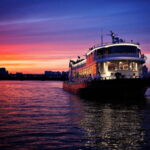
- Boat option on the Imjin River: Adds a calmer, scenic segment, with possible weather or maintenance changes.
- Guide-driven storytelling: Multiple praised guides (like Dennis, Joey, Julie, and Paul) keep the day moving and the English strong.
DMZ day trips from Seoul: what you see beyond the headlines

A DMZ tour sounds dramatic. In practice, the experience works because it’s staged in real places with real rules. This half-day or full-day format takes you through the controlled corridor south of the border, then focuses your time on two sites that make the conflict feel tangible: the 3rd Invasion Tunnel and Dora Observatory.
What I like for your planning is the structure. You’re not just ticking boxes; you’re getting a guided path that links purpose, geography, and what’s on the ground today. Expect a lot of information in a short span, but it’s paced with site visits and guided time rather than constant rushing.
One more reality check: you’re visiting a military area, so things are not guaranteed like a normal museum. If access is restricted on the day, you may get an alternative route instead.
You can also read our reviews of more boat tours in Seoul

Half-day vs full-day with Imjin River boat: choose your pacing

This tour comes in two main styles. The half-day option is shorter and more direct, built around DMZ access, the tunnel, Dora, and the unification villages. The full-day boat version keeps the same core sites, then adds the Imjin River boat ride after you leave the DMZ.
If you want the highest concentration of border sights in the fewest hours, the half-day makes sense. If you like a slower rhythm—especially after a long, intense DMZ segment—the boat option gives you a breather. It’s also a smart choice if you’re traveling with people who might get mentally overloaded by checkpoints and tunnels back-to-back.
One caution that matters for decision-making: the boat ride can change due to maintenance or weather at the site. So you should book the boat option for the overall itinerary experience, not because you’re betting your trip on a single weather-dependent detail.
Imjingak Park landmarks and the pre-checkpoint feel
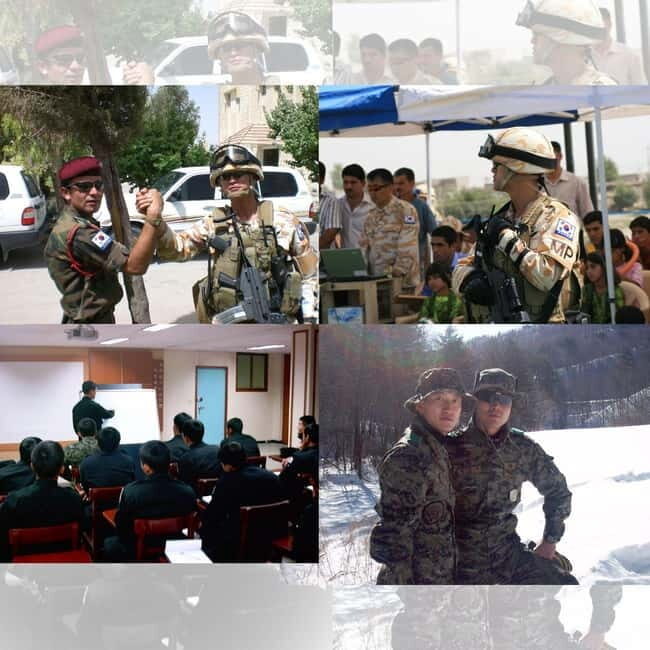
Most DMZ experiences start with a moment that helps you set your bearings, and this one does that at Imjingak Park. Your stop includes the Mangbaedan Altar, the Bridge of Freedom, and a steam locomotive landmark, all part of the South Korea-side memorial landscape connected to the divided peninsula.
The half-day and boat versions both route you through this area, but the full-day description also suggests you pass by Imjingak Peace Park. Either way, it’s a useful warm-up because it sets context before you hit the more restrictive areas.
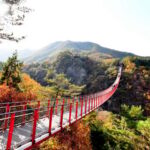
Then comes the approach to the DMZ zone. For the half-day program, the route calls out Dokgae Bridge (not a suspension bridge) before boarding the group bus designated by the Korean military. That detail matters if you were hoping for a specific bridge walk: the program you’re reading about is explicit on Dokgae, so plan your expectations accordingly.
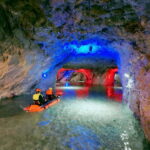
3rd Invasion Tunnel: why the walk feels so intense
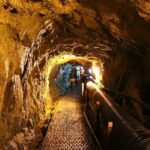
The 3rd Invasion Tunnel of Aggression is one of the most important stops on the day because it turns a political story into physical space. You’ll get a guided tour through the tunnel area, plus bus time around the segment, which helps you absorb what you’re seeing without trying to cram it all in solo.
What makes the tunnel visit stand out is scale and purpose. It’s not just a hole in the ground; it’s tied to invasion planning built from the North side, designed to breach the line into South Korea. When a guide explains the setup while you’re there, it stops being abstract.
A practical note: you’ll want comfortable shoes and a readiness for a more enclosed, structured environment. Even if you’re not claustrophobic, tunnels are tiring in a different way than open-air sights.
Dora Observatory and the Dorasan viewpoint: making the distance legible
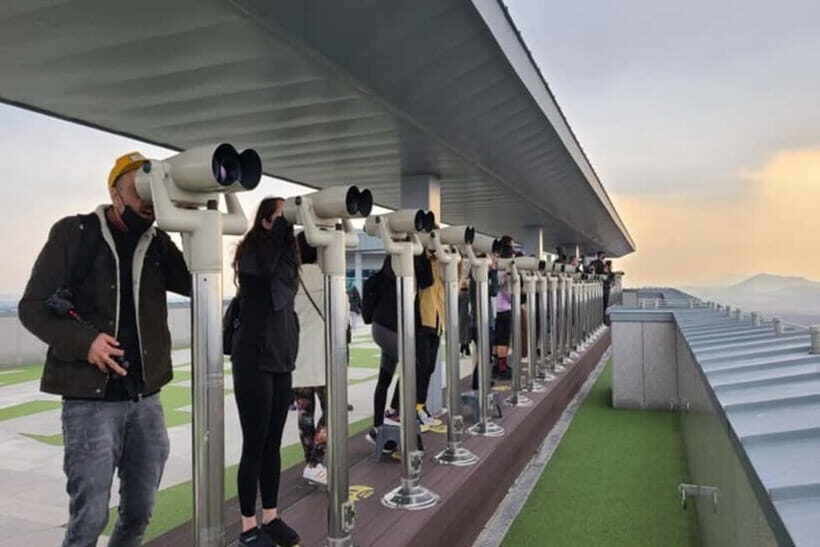
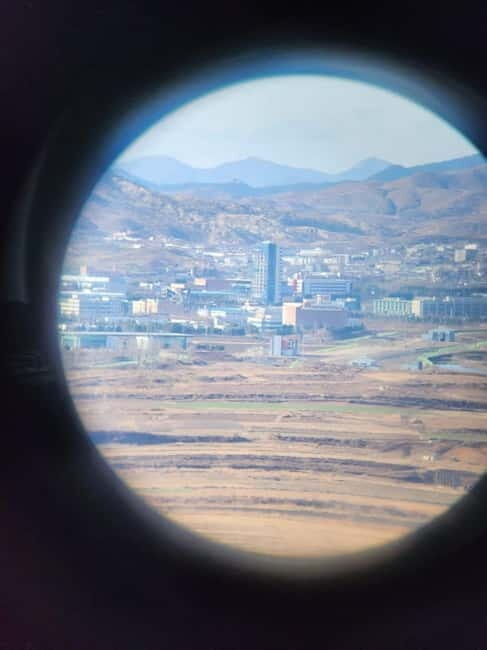
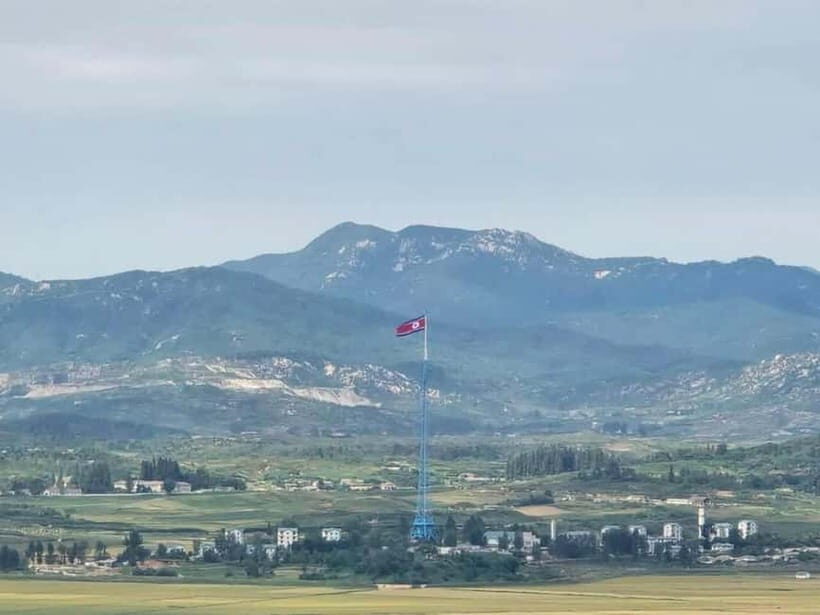
After the tunnel, you head to Dora Observatory, where the big payoff is the view of North Korea from the South side. Your guided time here is the moment most people think they’re coming for, and it’s also where your guide’s explanations matter most.
At Dora, you’re not just staring at a distant skyline. You’re looking at geography under strict rules, and the tour context helps you interpret why specific lines of sight and positions matter. This is where the day’s history lessons become visual.
Timing is tight. The program lists guided time at Dora, then you move on. That means it’s worth bringing a small amount of patience for the controlled flow—photos and viewing are part of the experience, but you’ll do them within the site rhythm.



Unification Village stops: the border ends, but the story doesn’t

After you’ve seen the tunnel and observatory, the itinerary shifts to Unification Village. This stop helps balance the day because it’s closer to everyday life themes than military engineering.
You’ll get guided tour time there, plus additional bus time. The unification villages segment tends to feel like a conclusion—but it’s also a reminder that division isn’t just a headline. It affects communities, access, and how people imagine reunification.
The main drawback here is emotional. The day is already intense, so it can hit hard even if you came for history. If you’re sensitive to heavy context, go at the unification village moment with your expectations set: it’s not a light stop.
How the bus schedule shapes your day (and your photos)
Whether you do half-day or full-day, the tour is built around bus travel between set stops. The itinerary includes a bus/coach segment early, then a guided DMZ block that lasts about 2.5 hours in the half-day format.
In the full-day version, you’ll have a break and lunch time in Paju-si. After the DMZ segment, the order includes the Imjin River boat ride, then additional stops tied to the Imjingak and memorial areas like Mangbaedan and the Freedom Bridge, plus more time in Paju-si for sightseeing.
Why this matters: photography and comfort depend on where you are in the day. The most photogenic moments (observatory views, tunnel entrances, memorial structures) are spread out, but you’re also working within group pacing. If you hate rushing, pick the boat option for the extra scenic segment after the DMZ intensity.
Also, there’s a reminder built into the format: drop-off times can shift due to traffic, weather, and military permission timing. That’s normal here—plan your next activity with some breathing room.
Price and value at around $39: what you’re really paying for
At about $39 per person, the value is strong because key components are bundled: roundtrip transfer from Seoul, admission fees to the DMZ, a guide, and a walking tour in the 3rd tunnel. You’re not arranging separate transportation and paying for separate access permissions.
Where the value calculation changes is what’s not included. Lunch is not included, and you’re responsible for traveler’s insurance. You’ll also want to budget for the possibility that the boat ride could change on the day if conditions don’t allow it.
So think of this price as paying for a structured, guided route into a place where independent access is hard. If you’re the kind of traveler who would otherwise spend time coordinating tickets, transfers, and timing, the cost starts to look even more reasonable.
Guide energy is the secret sauce: Dennis, Joey, Julie, and Paul
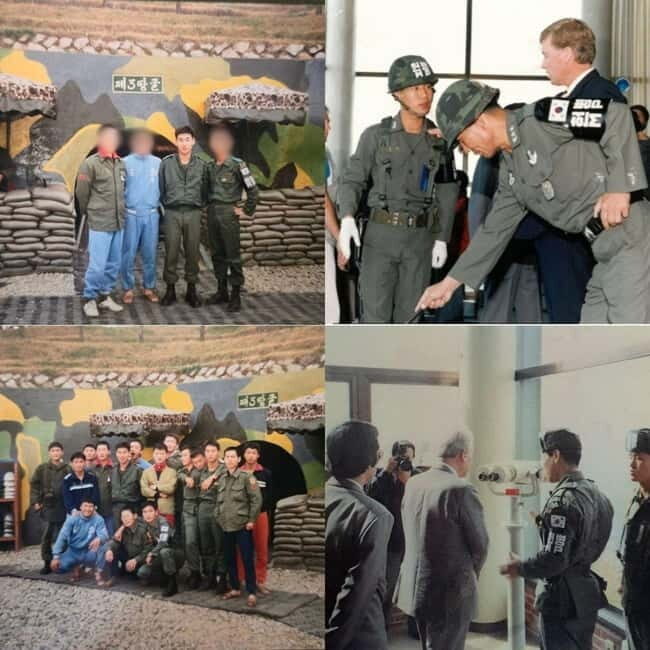
DMZ tours can become lectures. The best ones don’t. This itinerary’s standout strength is the way guides are reported to run the day: energetic delivery, humor, and history that’s explained in a way that sticks.
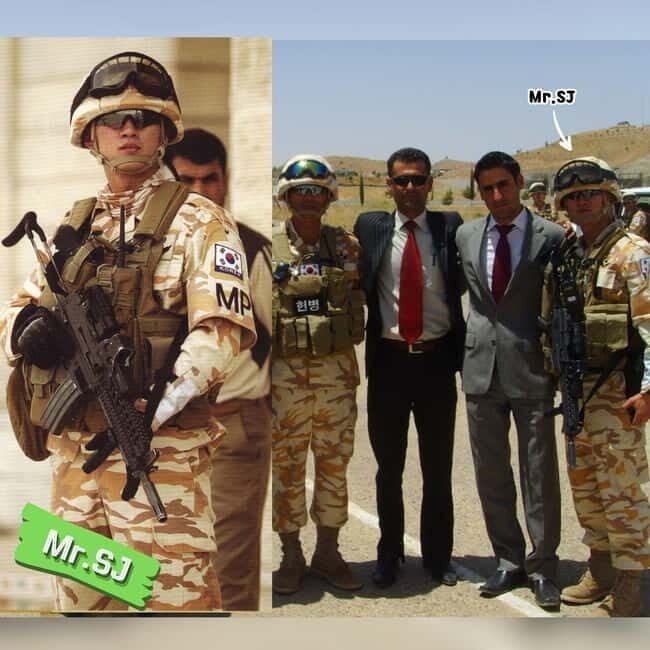
Guides named in the experience stream include Dennis, Joey, Julie, Paul, plus others like Lucy, Moon Young, and SJ. What ties them together in the feedback pattern is storytelling plus clarity. People also praise guides for answering questions and keeping the pace efficient, especially when navigating checkpoints and site rules.
If you care about language quality, that matters here too. The tour is described as having a live English guide, and the tour notes repeatedly highlight that English communication is a major reason people walk away happy instead of confused.
What to bring (and what not to bring) for a smoother DMZ visit
Bring a passport. It’s required to access the DMZ, and you’ll want it on you without fumbling. Wear comfortable shoes because you’ll be walking and touring inside structured spaces.
Don’t bring luggage or large bags. This isn’t a flexible sightseeing day; it’s a controlled security environment, so keep your load light and easy to manage.
Finally, have a mental buffer for sudden changes. The DMZ can close without notice, and the tour states that an alternative tour may be provided if that happens, with no refunds.
Who should book this DMZ tour, and who might skip it
This is a great fit if you want a guided education that connects the major DMZ sites into one coherent day. You’ll likely enjoy it most if you like history, maps, and context—because the observatory and tunnel don’t land the same way unless someone gives you the framework.
It’s also a good choice for groups who want structure. The itinerary is built around a set route and specific stops, which reduces decision fatigue.
One group that should reconsider: the tour is marked as not suitable for people with mobility impairments. If mobility is a concern for you or your travel partner, check with the operator in advance rather than assuming you can self-manage.
Should you book: DMZ + 3rd Tunnel + Dora with boat or half-day?
I’d book this if your priority is a high-value, guided DMZ experience that includes both the 3rd Tunnel and Dora Observatory, and you want roundtrip transfer handled for you. The $39 price point is especially compelling because the big cost drivers—DMZ access and logistics—are built in.
Choose the half-day if you’re optimizing time and want the core hits without extra pacing. Choose the boat option if you want a calmer visual change after the more intense DMZ segment—and if you’re okay with the realistic chance that weather or maintenance could adjust the boat ride plan.
Last decision tip: if you were specifically interested in a suspension bridge walk, double-check the bridge detail. This program calls out Dokgae Bridge (not suspension bridge) for the half-day flow, so align your expectations before you go.
FAQ
Do I need a passport for the DMZ?
Yes. You must bring a valid passport to access the DMZ.
How long is the tour?
It runs about 6–9 hours depending on the option and the day’s timing.
What’s included in the ticket price?
The tour includes a guide, roundtrip transfer from Seoul, admission fees to the DMZ, and a walking tour in the 3rd tunnel.
Is lunch included?
No. Lunch is not included.
Are luggage or large bags allowed?
No. Luggage or large bags are not allowed.
Is the tour suitable for people with mobility impairments?
No. The tour is marked as not suitable for people with mobility impairments.
What happens if the DMZ is closed on the day?
The DMZ can close suddenly without notice. If that happens, an alternative tour may be provided, but refunds are not offered.