REVIEW · GYEONGJU
Private Gyeongju Tour – Explore Gyeongju UNESCO Sites
Book on Viator →Operated by Korea Go Tours · Bookable on Viator
Stone temples make Gyeongju feel unreal. This private day tour strings together key UNESCO-class Silla landmarks with a real English-speaking guide, so you spend less time guessing and more time understanding what you’re looking at. I especially like the efficient flow—most big stops come with free admission tickets—and I like the comfort of an air-conditioned vehicle with pickup and drop-off arranged for your group.
One thing to plan for: not everything is free. Daereungwon Tomb Complex and Donggung Palace & Wolji Pond have separate entrance fees, and meals are listed as not included even though the day includes a lunch restaurant stop—so confirm what’s covered before you go.
In This Review
- Key Highlights You’ll Actually Feel
- Why Gyeongju’s UNESCO Belt Works Best in a Private Day
- Meet Your Guide: English-First Storytelling and Real Route Flex
- Price and Logistics: What You Pay for, and What You Should Budget
- Bulguksa Temple: Silla Buddhism in Stone and Symmetry
- Seokguram Grotto: Awe Without the Guesswork
- Hongsi (홍시한정식) Lunch: A Traditional Break You Should Confirm
- Daereungwon Tomb Complex: Reading Silla Royal Power
- Cheomseongdae Observatory: The Astronomy Stop That Feels Different
- Donggung Palace & Wolji Pond: When the Lights Matter
- Gyeongju National Museum: The Artifacts That Make Everything Click
- Who This Private UNESCO Day Is Best For
- Should You Book This Private UNESCO Tour?
- FAQ
- How long is the private Gyeongju UNESCO tour?
- Is pickup and drop-off included?
- What does the tour include?
- Are entrance fees included?
- Is lunch included in the price?
- Does the guide speak English?
- How many people are in the private group?
- Is it only your group on the tour?
- What are some of the UNESCO-related stops?
- Can I cancel for free if plans change?
Key Highlights You’ll Actually Feel
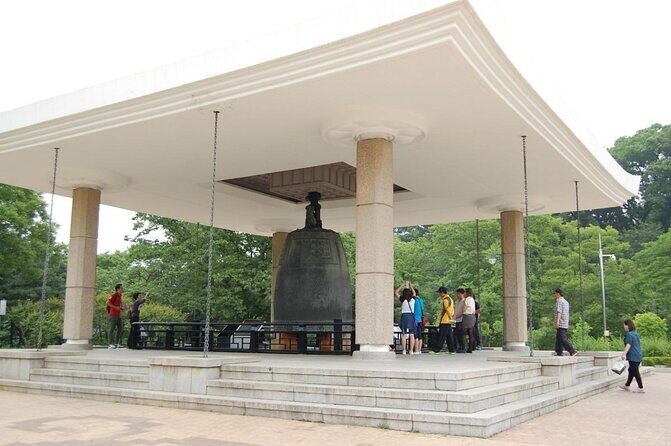
- Private, 1–7 guest group means the pace can match your crew, not a bus schedule
- English-speaking guide helps the sites click fast, from Buddhism to Silla governance
- Comfortable, air-conditioned transport with parking and tolls handled
- UNESCO stops with many free admissions (Bulguksa, Seokguram, Cheomseongdae, museum)
- Two paid sites you’ll want to budget for in advance
- A lunch stop at Hongsi (홍시한정식) for a traditional set-meal style break
Why Gyeongju’s UNESCO Belt Works Best in a Private Day
Gyeongju is one of those places where the “big attractions” aren’t isolated. They’re connected. A private guide helps you connect the dots: Buddhism and royal power, astronomy and state identity, tombs and the way Silla ruled.
The big practical win is timing. You’re looking at a full day (about 8–9 hours) but the stops are organized so you’re not crisscrossing Gyeongju on your own. You also get pickup and drop-off at select locations, plus an air-conditioned vehicle. That matters because sightseeing days are won or lost on comfort and flow.
The other value is interpretation. Even if you have a few hours on your own, it’s easy to leave Gyeongju feeling like you saw pretty buildings. With a guide, you’re less likely to miss what makes each site special in Silla history.
You can also read our reviews of more private tours in Gyeongju

Meet Your Guide: English-First Storytelling and Real Route Flex
This is a private tour, so you’re not stuck with a one-size-fits-all script. Guides you might encounter include Jason, Finn, Joy, Cynthia, Lily, Arthur, Daniel, Kim, Mimi, and Eunhee (Daisy). The consistent theme is how they explain Korean history and culture in a way that fits mixed groups—kids and grandparents, history buffs and people who just want the highlights.
You’ll notice a couple of patterns from how these guides operate:
- They adapt timing when crowds or traffic hit, especially on busy holidays.
- They focus on making you comfortable, including vehicle comfort and pacing for your group.
One small detail that can make a real difference: some guides use a microphone so everyone can hear clearly from the back seat. If your group has people who struggle hearing on the move, that’s worth asking about.
Potential drawback: if your group needs strict bathroom breaks or a slower pace, be very clear from the start. A single case in the provided info describes limited bathroom opportunities and a pace that felt too slow for part of the group. The company later clarified the situation and safety interventions due to the ages involved. Still, you’ll be happiest if you set expectations early.
Price and Logistics: What You Pay for, and What You Should Budget
At $186.50 per person, you’re paying for more than sightseeing. You’re buying a guided day plus the behind-the-scenes logistics: a professionally qualified tour guide, pickup and drop-off, and an air-conditioned vehicle. Fuel, parking, and toll fees are included too. Translation: you’re not wrestling with transportation math all day.
Now the costs to plan for:
- Daereungwon Tomb Complex entrance fee: ₩3,000 per person
- Donggung Palace & Wolji Pond entrance fee: ₩3,000 per person
- Meals are listed as not included.
That last point is important because the day includes a lunch restaurant stop at Hongsi (홍시한정식). The overview says local lunch is part of the package, but the inclusion list says meals aren’t included. Don’t guess—message the operator and ask what lunch coverage actually means on your date.
If you add entrance fees and a meal, the price still often works out well for families and small groups—especially when you’d otherwise pay separately for tickets, guides, and transport.
Bulguksa Temple: Silla Buddhism in Stone and Symmetry
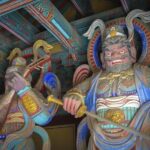
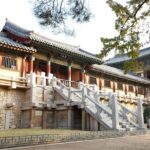
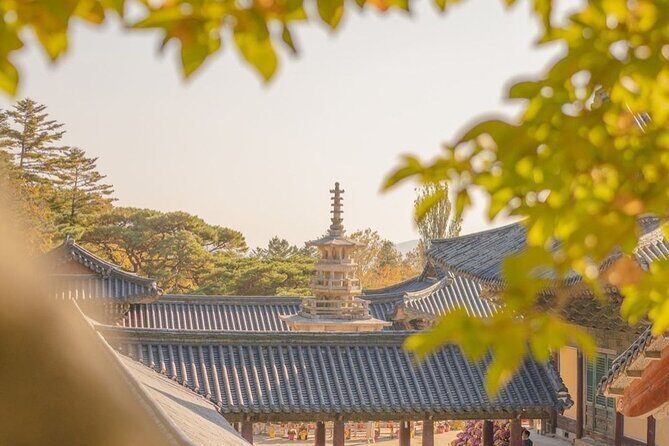
Bulguksa Temple is one of those UNESCO stops where you feel the craftsmanship before you even understand the story. The site represents Silla Buddhism in architecture and spiritual design, and it’s a major anchor for the day.
What I like here for first-time visitors: the temple is visually rewarding but also readable with the right explanations. A good guide points out how the layout reflects religious thinking and how Silla-era patrons used architecture to signal power and devotion.
Practically, you’ll have about 1 hour here. That’s usually enough to walk the core areas without turning it into a sprint. Admission is listed as free for this stop, which is a nice relief on a prepaid day.
Consideration: wear shoes you can trust. Temple grounds can include uneven paths and long stretches of walking, and one provided tip was to bring good footwear.
Seokguram Grotto: Awe Without the Guesswork
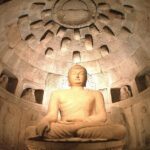
Seokguram Grotto is built into a cave, and that alone makes it memorable. The setting changes the whole experience. You’re not just looking at a temple—you’re stepping into a carved environment with strong spiritual atmosphere.
This stop is also listed as UNESCO World Heritage, with about 1 hour on the clock. Admission is free for this stop too, which makes it a smart “high impact” choice for your day budget.
The value of a guide here is speed. Without context, cave temples can feel like a set of impressive visuals. With interpretation, you connect the art and placement to how Silla Buddhism expressed itself. You’ll also get help timing your visit inside the grotto area so you’re not rushing through the parts that matter most.
Hongsi (홍시한정식) Lunch: A Traditional Break You Should Confirm
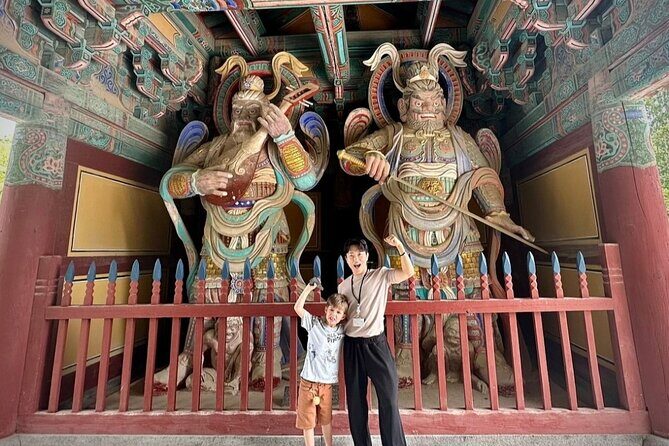
The lunch stop is at Hongsi (홍시한정식), a traditional Korean restaurant in the Gyeongju area, recommended for Korean cuisine. Plan for about 1 hour here.
This is where you should be extra careful about assumptions. The overall tour description talks about a local lunch being part of the package, but the detailed pricing section lists Meals as not included. That mismatch matters for your wallet and expectations.
What you can do:
- Ask whether the restaurant meal is included in your ticket price or if you’ll pay at the restaurant.
- If you have dietary needs, ask in advance what the menu style typically looks like for set meals.
If you get a lunch that matches the Hongsi-style set meal experience, you’ll likely get a more authentic “how locals eat” break than grabbing something quick near a major site. One guide-related detail you can take to the bank: several guides are known for making good restaurant recommendations and keeping the day flowing.
Daereungwon Tomb Complex: Reading Silla Royal Power
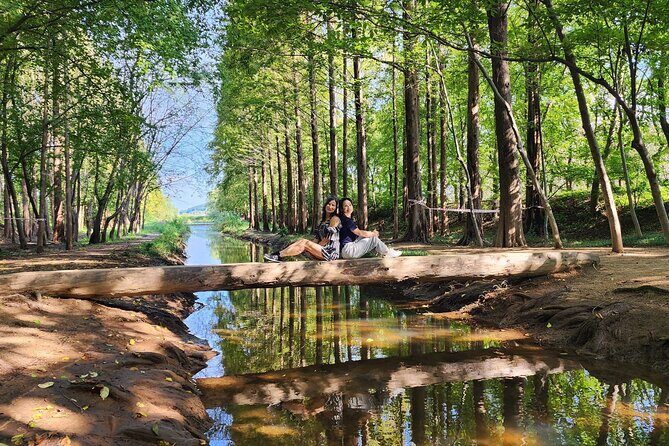
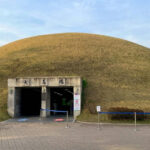
Daereungwon Tomb Complex is where Gyeongju’s royal story becomes physical. This is the Tombs of Ancient Kings and Nobles, and it shows the grandeur of the Silla Kingdom through large ancient burial mounds.
You’ll spend about 1 hour here. Entrance is ₩3,000 per person and not included, so budget for it. The guide helps you look past the size of the mounds and understand what they meant politically and culturally.
A private format is especially valuable at tomb sites. It’s easy to stand, take photos, and move on when you don’t have context. With a guide’s framing, you start connecting funerary design with how Silla expressed status.
One practical thought: if you’re traveling with older relatives or kids, you may want to ask your guide about the easiest walking routes from the vehicle to viewpoints. In one provided case, vehicle parking distance became an issue for an elderly family member, so it’s worth bringing up early.
Cheomseongdae Observatory: The Astronomy Stop That Feels Different
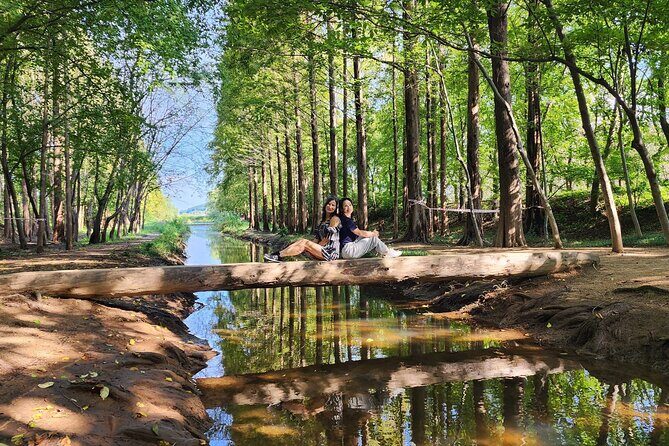
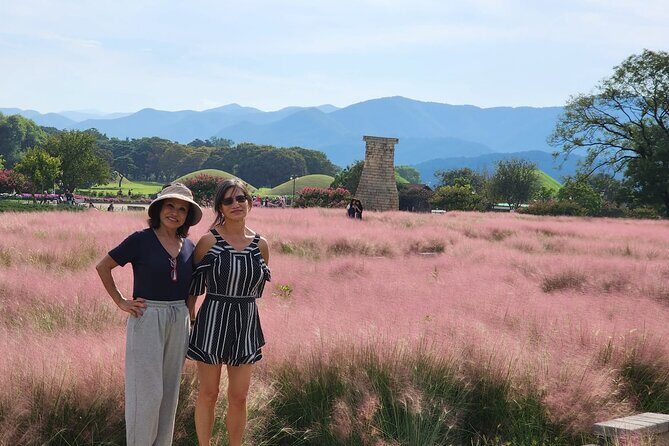
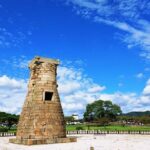
Cheomseongdae is famous as the world’s oldest extant astronomical observatory. That alone earns a stop. But the real payoff is how it connects science to state identity.
The description includes a fascinating detail: it was built with 362 stones, symbolizing the days. With a guide explaining the significance, this stop stops being just a photo spot and becomes a window into ancient Korean thinking.
You’ll have about 1 hour here, and admission is listed as free. The observatory is compact compared to some temple complexes, so it’s a good “brain break” between more demanding walking areas.
If you care about history that isn’t only wars and dynasties, this is your stop. It’s also a good one for families because it’s short, clear, and easy to picture.
Donggung Palace & Wolji Pond: When the Lights Matter
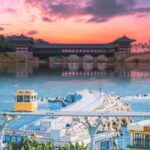
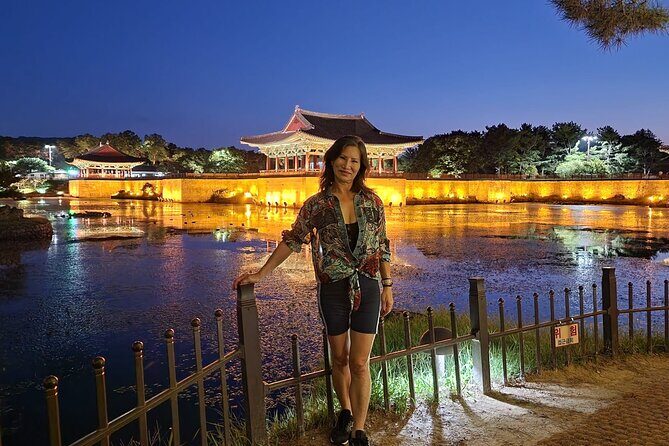
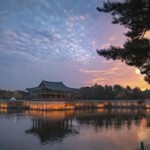
Donggung Palace and Wolji Pond—formerly called Anapji—is an artificial pond built in 674 by order of King Munmu of Silla. It sits in Gyeongju National Park, which helps explain why the area feels atmospheric rather than rushed.
Entrance is ₩3,000 per person and is not included. You’ll have about 1 hour here. The guide helps you understand how the pond-and-palace layout functioned in Silla court culture.
This stop can be special depending on timing. One of the included guide stories mentioned the palace lit up at night as spectacular. You can’t count on perfect dusk timing every day, but this is exactly the kind of place where evening light can add emotion to the scene.
If your day ends here or approaches evening, ask your guide whether you can position yourself for the best views without turning it into a frantic race.
Gyeongju National Museum: The Artifacts That Make Everything Click
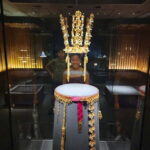
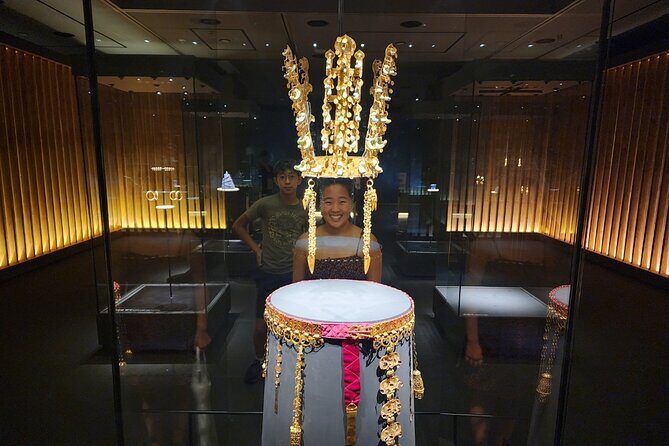
After you’ve seen temples, tombs, and astronomy, the museum turns your day from impressions into comprehension. The Gyeongju National Museum focuses on authentic relics unearthed in Gyeongju and offers exhibits tied to Silla history and culture.
This stop is listed as about 1 hour and admission is free. That free entry is a big deal on a day where two other major sites cost extra.
A guide makes museums easier because they help you prioritize. Instead of wandering through everything equally, you’ll know what to look for that connects to what you saw earlier—so the day feels like a story, not a checklist.
If you’re the type who likes to learn one or two key themes and then spot them everywhere, this is the perfect closer.
Who This Private UNESCO Day Is Best For
I’d pick this tour if you want a high-efficiency day with low stress. It’s especially suited to:
- History lovers who want context fast
- Families with mixed ages who need adaptable pacing
- People who’d rather pay for a guide than spend hours figuring out transport
It also fits first-time Gyeongju visitors. The route gives you a broad sweep: major Buddhism sites (Bulguksa and Seokguram), Silla royal power (Daereungwon), state science (Cheomseongdae), court culture and water architecture (Donggung Palace & Wolji Pond), then grounding through artifacts (the national museum).
Not ideal if: you hate guided pacing and want to wander completely on your own. This tour is designed to move. Even with a private setup, it’s still a structured day.
If your group has special needs—small kids, elderly relatives, or anyone who needs frequent bathroom breaks—tell your guide clearly at pickup so everyone stays comfortable.
Should You Book This Private UNESCO Tour?
Yes, if you want an organized, English-guided day that hits the must-sees without the planning headache. The value is strongest when you consider what’s included: a private guide, air-conditioned transport, pickup and drop-off, plus fuel, parking, and tolls.
Book it with two realistic expectations:
- Budget for the two paid sites (Daereungwon and Donggung Palace & Wolji Pond).
- Confirm lunch coverage since meals are listed as not included, even though there’s a lunch stop at Hongsi (홍시한정식).
If you like practical sightseeing—seeing the right places in the right order with enough explanation to make the day stick—this is a very solid way to experience Gyeongju’s UNESCO power.
FAQ
How long is the private Gyeongju UNESCO tour?
It runs about 8 to 9 hours.
Is pickup and drop-off included?
Yes. Pickup and drop-off are offered at select locations.
What does the tour include?
It includes a professionally qualified tour guide, air-conditioned vehicle, fuel surcharge, parking fees, and toll fees, along with pickup and drop-off.
Are entrance fees included?
Most major stops list free admission tickets, but Daereungwon Tomb Complex and Donggung Palace & Wolji Pond have entrance fees of ₩3,000 per person that are not included.
Is lunch included in the price?
A lunch stop at Hongsi (홍시한정식) is part of the day, but meals are listed as not included. You should confirm what the package covers for your booking.
Does the guide speak English?
Yes. The tour is designed so you don’t worry about language barriers with an English-speaking guide.
How many people are in the private group?
It’s private for 1 to 7 guests for the small private option, with a mid-sized option for 8 to 15 guests.
Is it only your group on the tour?
Yes. It’s a private tour/activity and only your group participates.
What are some of the UNESCO-related stops?
The day includes Bulguksa Temple and Seokguram, both identified as UNESCO World Heritage sites, plus other major heritage landmarks.
Can I cancel for free if plans change?
Yes. You can cancel up to 24 hours in advance for a full refund. Within 24 hours, there is no refund.