REVIEW · GYEONGJU
Gyeongju Private Car Tour with a Licensed Tour Guide
Book on GetYourGuide →Operated by Korea Go Tours · Bookable on GetYourGuide
Gyeongju on your own schedule beats the usual day-trip grind. This private car tour pairs a licensed national guide with door-to-door pickup, so you spend your time at UNESCO sites (and good food) instead of hunting for buses or losing the group. I love that the plan is built around major Silla-era highlights—then adjusted for how your group feels, whether you want extra stops or slower pacing.
Two things I really like: you get serious historical context at every stop, and you travel in comfort with an air-conditioned vehicle and parking/tolls handled. In other words, the day feels smooth, not chaotic—one guide, one car, and clear timing. One possible drawback is that the price is set per group (up to 7), so if you’re traveling solo or as a couple, it may feel steep compared with shared tours.
In This Review
- Key Highlights That Matter
- Private Car, Licensed Guide, and Real Door-to-Door Ease
- Picking the Right Tour Length: 4 Hours vs 8 vs 9 Hours
- Stop One: Bulguksa Temple and the Art of Silla Stone
- UNESCO Next: Seokguram Grotto’s Buddha and Bas-Reliefs
- Hongsi Lunch: A Korean Meal That’s More Than One Dish
- Daereungwon Tomb Complex and Cheonmachong Tomb Entry
- Cheomseongdae Observatory: Silla Science You Can See
- Gyeongju National Museum: Context After the Sights
- Donggung Palace and Wolji Pond at Dusk: The Photo-Perfect Finale
- Price and Value: When $399 Feels Fair (and When It Doesn’t)
- Who This Private Gyeongju Tour Is Best For
- Should You Book This Gyeongju Private Car Tour?
- FAQ
- Is this tour conducted in English?
- Where can I be picked up and dropped off?
- What’s included in the price?
- Is lunch included?
- Are entrance fees included?
- How long is the tour?
- Can I cancel for a full refund?
- Is the tour wheelchair accessible?
Key Highlights That Matter
- Licensed national guide in English who can explain what you’re seeing and keep the day moving
- Door-to-door pickup and drop-off in Busan or Gyeongju (with different tour lengths depending on route)
- UNESCO World Heritage stops: Bulguksa Temple and Seokguram Grotto
- Royal Silla sites with hands-on payoff, including Cheonmachong Tomb entry at the royal mounds
- Hongsi lunch built for variety, with soups, sides, dessert, and medicinal-herb tea
- Golden-hour finish at Donggung Palace and Wolji Pond, often at dusk with night lighting
Private Car, Licensed Guide, and Real Door-to-Door Ease
This tour is simple in the best way: you’re picked up where you’re staying, then dropped where you want to end the day. That matters in Gyeongju because sites are spread out, and losing time to transfers is the fastest way to make a “full day” feel shorter.
The guide is the real engine. You’ll get more than basic facts; you’ll learn what Silla-era rulers and monks were trying to communicate through architecture, art, and even how places were laid out. Guides I’ve seen leading groups on this experience include Austin, Gina, Jason, Joy Hye Jeong, Dylan, and Larry—each bringing energy and solid English, plus the kind of practical care that makes a long day easier.
A good sign: many guides in this program handle small problems fast. One guide provided rain gear when it was pouring, and another adjusted pacing after an older family member got tired. If you like travel where the logistics disappear in the background, this style works.
You can also read our reviews of more guided tours in Gyeongju
Picking the Right Tour Length: 4 Hours vs 8 vs 9 Hours
You’ll see tour durations listed as 4–9 hours, but the exact plan changes based on where you’re starting and where you want to end. For the shortest option, pickup and drop-off stay limited to the Gyeongju area. For longer days, routes open up to Busan-to-Gyeongju or Busan-to-Busan, depending on the combination.
Here’s the practical way to think about it:
- If you’re staying in Gyeongju and want a focused hit of key sites, the shorter option can be efficient.
- If you’re coming from Busan and want a full “ancient capital” day, plan around the longer versions because you’re spending time on the road as well.
- If your group has mixed fitness levels, longer tours can still work well because the guide can adjust pacing and order.
When I’m choosing among lengths, I ask myself one question: do I want this to feel like a tour I completed, or a day I enjoyed? Private time is best spent when you aren’t rushing through each stop.
Stop One: Bulguksa Temple and the Art of Silla Stone
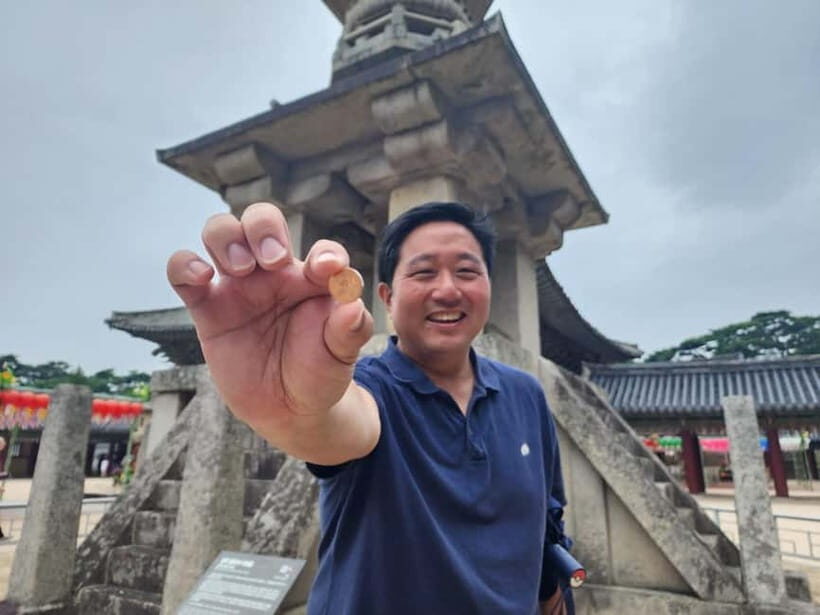
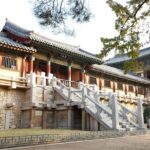
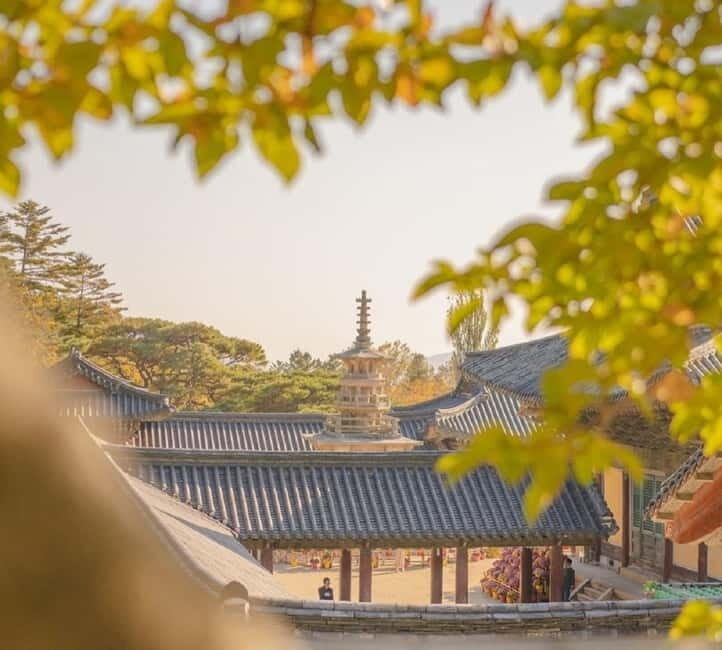
Your day typically starts at Bulguksa Temple, one of Korea’s most important Silla-era sites and a UNESCO World Heritage stop. This place is famous for stone pagodas and well-composed temple grounds, and the standout is how precise the craftsmanship feels, even centuries later. If you like architecture, stonework, or religious art, you’ll get a lot from just standing still and looking closely.
What makes Bulguksa special on a guided private tour is that you don’t just “see” it—you understand what you’re looking at. A good guide connects the dots: which structures are associated with the temple’s history, what the layout signals, and why the details matter. That context turns a pretty set of buildings into a story you can actually follow.
The drawback to keep in mind: temple complexes can mean walking on uneven ground and taking time between areas. Wear shoes you trust, and don’t try to rush to the next photo spot. The best memories here come from slowing down.
UNESCO Next: Seokguram Grotto’s Buddha and Bas-Reliefs
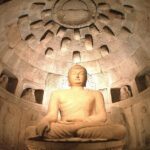
From Bulguksa, the next UNESCO stop is Seokguram Grotto, known for its Buddha statue and surrounding bas-reliefs. This is an artificial stone grotto, which gives it a different feel than open-air temples. Instead of a big scenic spread, you get a more enclosed, focused atmosphere where the artwork draws your eyes in.
The bas-reliefs matter because they show the visual world of Buddhist deities, not just one central figure. With a guide, you’ll get help interpreting what you’re seeing—what the figures represent and how the scene is composed. It’s the kind of detail that’s easy to miss if you’re only skimming.
Practical tip: plan to spend real time here even if you think you’ve “seen one grotto.” The craftsmanship is what you came for. Also, if you’re sensitive to enclosed spaces, take it slow and step back when you need a breather.
Hongsi Lunch: A Korean Meal That’s More Than One Dish
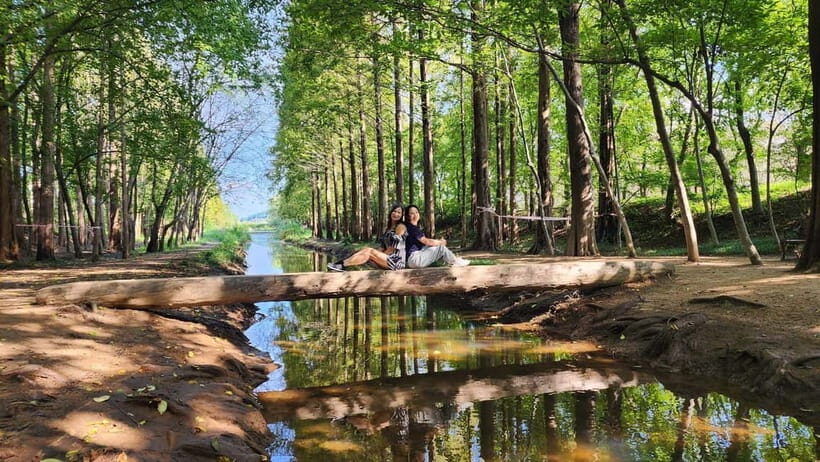
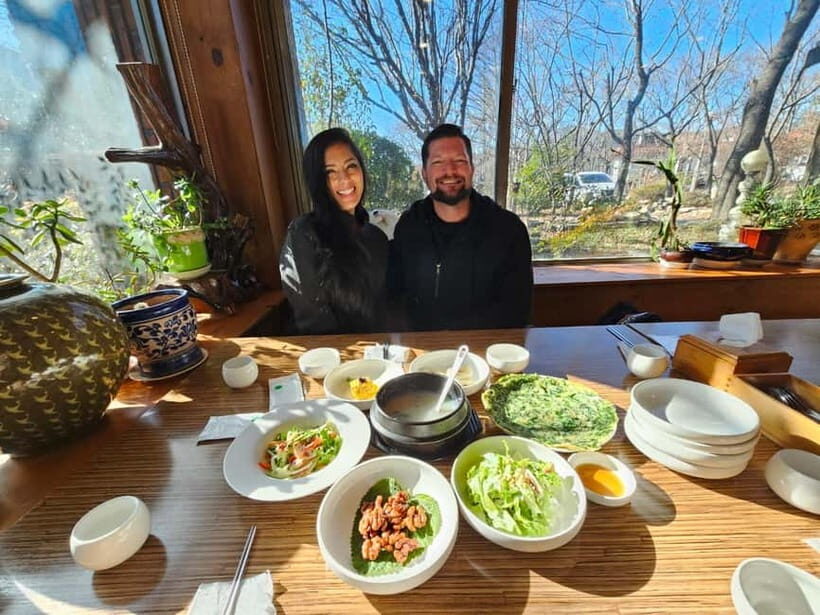
Lunch is at Hongsi, a popular local restaurant known for traditional Korean food at a reasonable price. This meal is not a tiny set menu either. You’ll get appetizers, a main featuring a mix of fish and meats, three types of soup, and lots of side dishes—so you can taste widely without needing to order like a food blogger.
Dessert is part of the experience, too: frozen persimmon and traditional Korean tea infused with over ten medicinal herbs. That might sound unusual if you’re expecting only sweet flavors, but it’s exactly why this lunch feels like culture, not just fuel.
A private guide can help you order and navigate the menu, especially if you don’t read Korean. I also like that this stops you from spending your limited daylight searching for a place that will definitely be good and not overcomplicated. For value, lunch is where a lot of groups silently win or lose on day trips, and Hongsi is set up to be an easy win.
Keep in mind: lunch isn’t included, so you’ll budget for it. Entrance fees also aren’t all bundled (more on that later), so plan on a few extras beyond the base price.
You can also read our reviews of more private tours in Gyeongju

Daereungwon Tomb Complex and Cheonmachong Tomb Entry
After lunch, you’ll head to the Daereungwon Tomb Complex, the burial mound area tied to Silla royalty. This is where the “museum without walls” idea becomes real. Standing near these large mounds gives you scale, and walking through the complex helps you imagine how power and ceremony worked in Silla times.
A highlight here is the famous Cheonmachong Tomb, which you can enter to see excavated treasures and artifacts. That’s a big difference between looking at a tomb from the outside and experiencing the story behind what was found there. Inside, you’ll get a better sense of royal life and what people considered important enough to place in burial spaces.
The drawback: this is walking-heavy in spots, and it can feel long if your group is tired. If you have seniors or someone with limited stamina, the good news is that the guide can help manage pace and timing so nobody feels dragged along.
Cheomseongdae Observatory: Silla Science You Can See
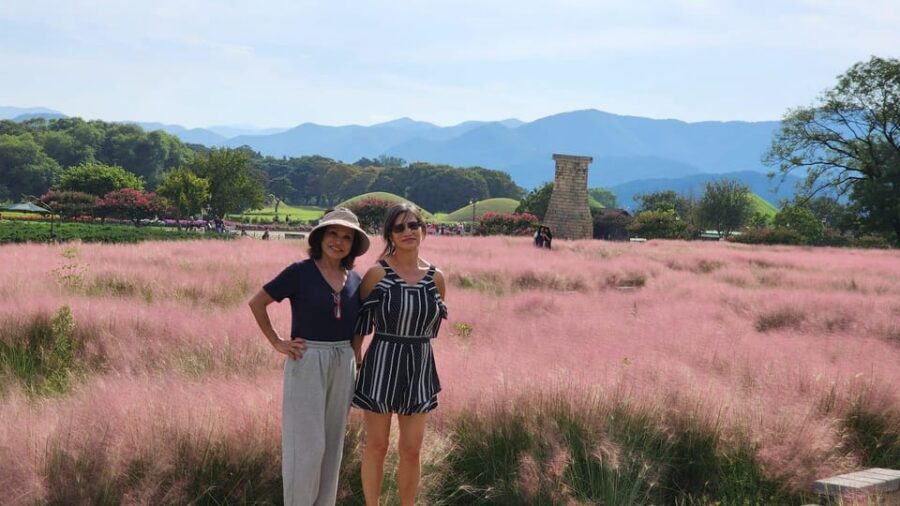
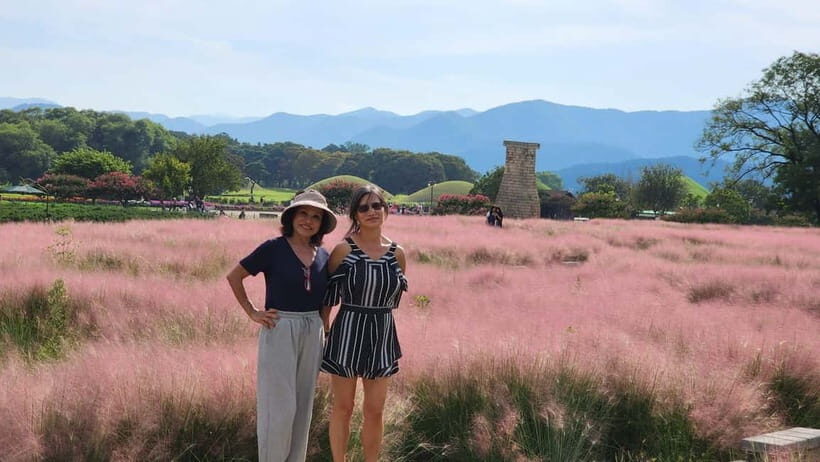
Next is Cheomseongdae Observatory, widely recognized as the oldest surviving astronomical observatory in Asia. The structure has a distinctive bottle-shaped form, and it was used to observe stars and forecast weather. Even if you’re not a science person, the fact that this is still standing makes the story hit harder.
On a private tour, the guide is what makes this stop click. You’ll learn what observations likely looked like in Silla times and why the building design matters. It’s a reminder that “old” doesn’t mean “simple.”
Practical note: this is outdoors and exposed, so weather affects comfort. If it’s hot, you’ll feel it. If it’s cool, you’ll appreciate a light layer.
Gyeongju National Museum: Context After the Sights
By the time you reach the Gyeongju National Museum, you’ve already seen temples, grotto art, tombs, and an observatory. That’s when the museum becomes extra useful. It helps you connect what you saw in the real world to artifacts from the Silla kingdom.
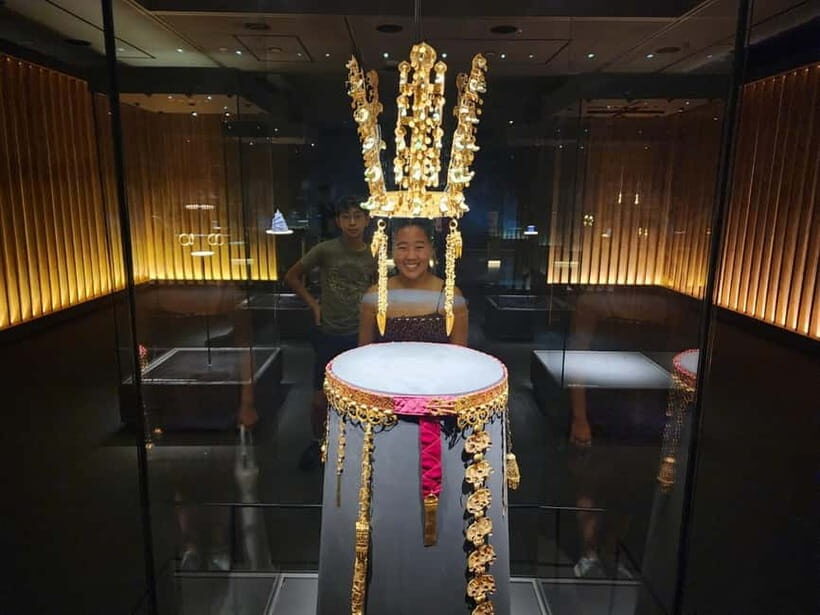
The museum’s collection includes items like gold crowns, pottery, and Buddhist relics. With a guide, you can connect specific themes you noticed earlier—royal status, religious influence, and everyday objects—into one clearer picture of Silla culture rather than separate stops.
This is also a good place to adjust pace. If anyone in your group needs a break, museums are the perfect “reset button.” You can walk, pause, and keep moving without feeling like you’re losing time.
Donggung Palace and Wolji Pond at Dusk: The Photo-Perfect Finale
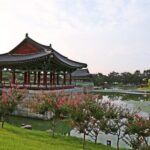
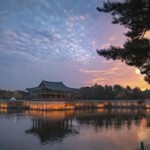
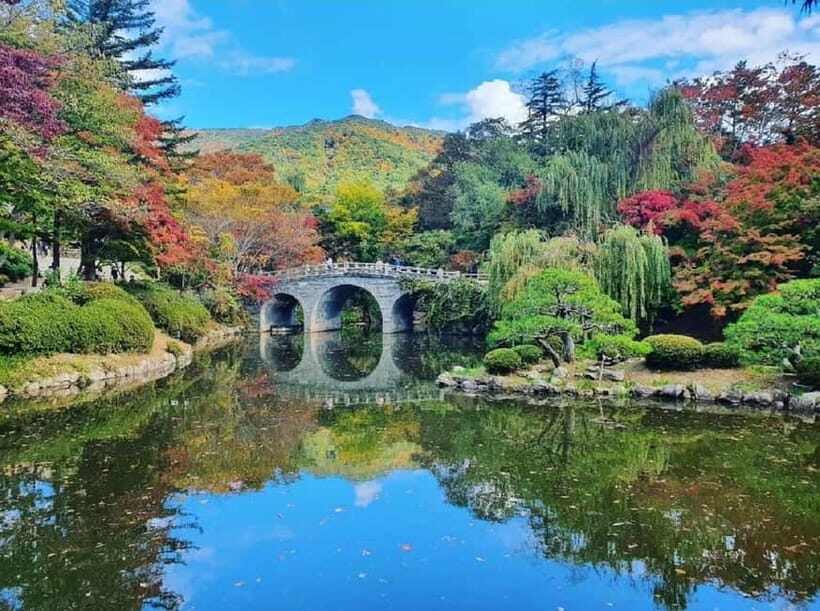
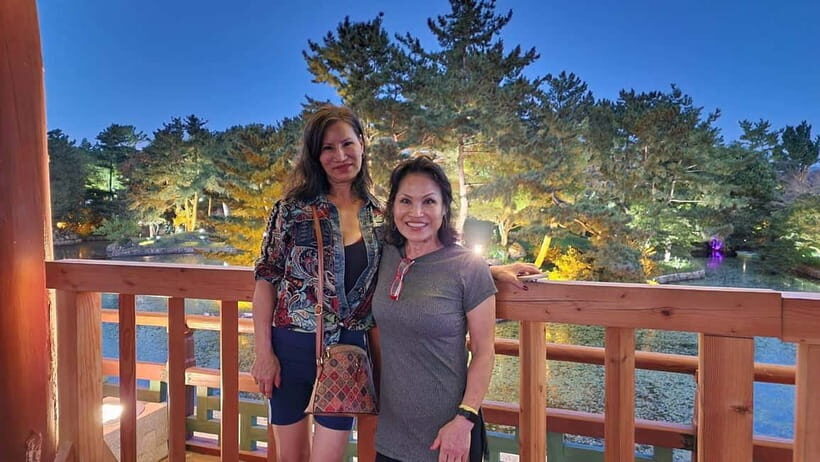
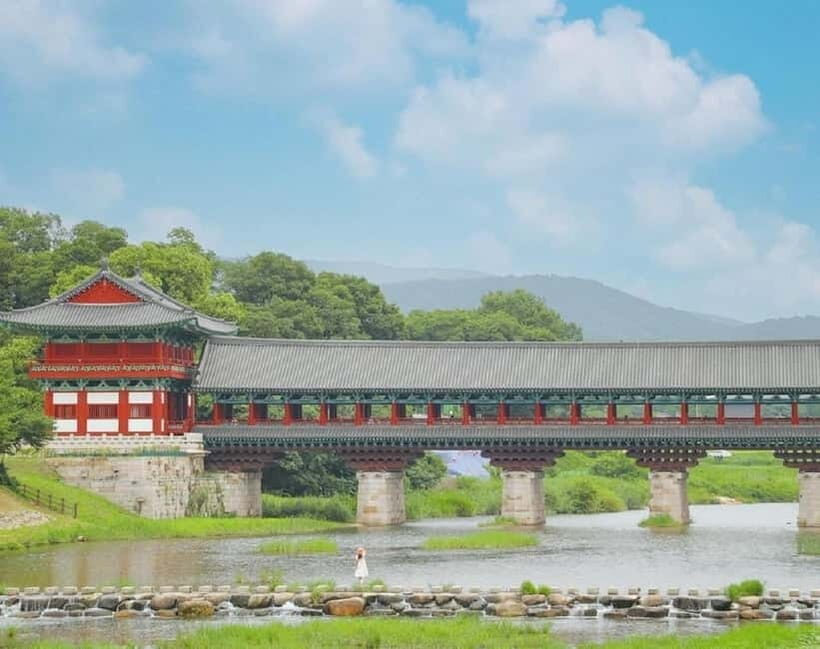
The day usually ends at Donggung Palace and Wolji Pond, a secondary palace site during the Silla dynasty. This place is especially magical at dusk, when the pond reflects the palace buildings and the light changes the whole mood. In the evening, the area is also beautifully illuminated, which makes it a natural closing scene.
If you like atmosphere, this is where the tour pays you back for all the morning walking. You’ll get a slower, more scenic end—perfect for photos, quiet moments, or just letting your brain absorb everything you learned.
One drawback to plan around: if you’re visiting when it’s very crowded in your general area, you might not get as much space as you’d like for long photo sessions. The upside of private guiding is you’re not stuck waiting in lines as part of a larger group flow—you can often take your time as the guide manages the timing.
Price and Value: When $399 Feels Fair (and When It Doesn’t)
The tour price is $399 per group up to 7, with pickup and drop-off included, plus an air-conditioned vehicle. For a private day covering multiple major sites with UNESCO status, a guide licensed for national guiding, and logistics like parking and tolls handled, the value is pretty solid—especially if you have a group bigger than two.
How I’d measure value for you:
- If you’re traveling as a family of four, a private car can be a smart trade. You split the cost and gain a lot of comfort and time control.
- If you’re two people, it can still be worth it if you care about pacing, easy navigation, and getting explanations at every stop.
- If you’re solo, it may be hard to justify unless you strongly prefer private touring and want zero coordination stress.
Also remember what’s not included: lunch, and specific entrance fees listed for Daereungwon (2$) and Donggung Palace (2$). The exact entrance situation for every other stop isn’t stated here, so budget conservatively for the possibility of additional paid entries. You’ll be happiest when you treat this as a guided cultural day, not a “set fee that covers everything” kind of deal.
Who This Private Gyeongju Tour Is Best For
This is ideal if you want a day that feels personal. It fits well for:
- Families with kids who need breaks and clear explanations
- Multigenerational groups where energy levels vary
- Small groups who want the UNESCO hits without rigid bus timing
- Travelers who appreciate history but also want comfort and good logistics
It’s also a strong choice if your Korean is limited and you want someone to handle restaurant guidance and site context. In past experiences, guides have helped with things like ordering and even making the day fun with humor—without letting it turn into fluff.
If you’re the type who enjoys learning while walking, this kind of guided pacing works. If you prefer strictly self-guided roaming with zero structure, you might find any curated route too “planned.” This one is best when you want structure plus flexibility.
Should You Book This Gyeongju Private Car Tour?
I’d book it if you have 3–7 people, want door-to-door convenience from Busan or Gyeongju, and care about getting the meaning behind each site—not just snapshots. The combination of a licensed English guide, UNESCO stops, a museum, and Hongsi lunch makes it a complete cultural day without the usual friction.
Skip it (or at least think hard) if you’re traveling solo or you’re trying to keep costs very tight, because private touring is a premium. Also, if you know you want a slow wander with zero schedule, a guided itinerary—even a flexible one—might feel too structured.
If your goal is a smooth, well-explained Gyeongju day with minimal hassle, this is the kind of booking that usually pays off fast.
FAQ
Is this tour conducted in English?
Yes. The live tour guide is English-speaking.
Where can I be picked up and dropped off?
Pickup is available in Busan or Gyeongju, and drop-off can be in Gyeongju or Busan, depending on which tour length/route you choose.
What’s included in the price?
The tour includes a professionally qualified tour guide, pickup and drop-off, an air-conditioned vehicle, fuel surcharge, parking fees, and toll fees.
Is lunch included?
No. Lunch is not included.
Are entrance fees included?
Daereungwon (2$) and Donggung Palace (2$) entrance fees are listed as not included. Other entrance fees are not specified in the provided details.
How long is the tour?
Duration is listed as 4 to 9 hours, depending on the route. Exact starting times are shown when you check availability.
Can I cancel for a full refund?
Yes. You can cancel up to 24 hours in advance for a full refund.
Is the tour wheelchair accessible?
Yes, the tour is wheelchair accessible.