REVIEW · GYEONGJU
Guided Car Tour in Geyongju with a Local Guide
Book on Viator →Operated by Tour in Geongju with a local guide · Bookable on Viator
Gyeongju history fits neatly into four hours. I really liked the local guide stories that make UNESCO sites feel personal, and the smooth ride in an air-conditioned electric car that keeps the day comfortable. If you need nonstop English, plan for some translation time.
You’ll likely rely on a phone translation app for back-and-forth conversation, but that can still work well for understanding what matters most at each stop. The upside: the guide usually keeps things moving and adjusts the pace to your comfort.
In This Review
- Key things to know before you go
- Why This 4-Hour Gyeongju Car Tour Feels Like a Smart First Plan
- Meet-Up and the 10:00 Start: How to Get Ready
- Electric Car Comfort: Why the Transport Matters Here
- Stop 1: Bulguksa Temple and the UNESCO Moment
- Stop 2: Seokguram Cave Temple and Why It’s a Tour Highlight
- Stop 3: Bomun Lake for a Breather (and a Change of Mood)
- Stop 4: Woljeonggyo Stepping Stones and the Old Stone Bridge Feel
- Stop 5: Gyeongju National Museum to Tie Everything Together
- Language and Conversation: How Translation Apps Keep It Real
- Price and Value: Does $70.70 Make Sense?
- Who This Tour Suits Best (and Who Might Want a Different Plan)
- Should You Book This Gyeongju Car Tour?
- FAQ
- What is the duration of the guided car tour in Gyeongju?
- How much does the tour cost?
- Where does the tour start and when?
- Is pickup available?
- How many people are in the group?
- Are tickets or admission included?
- What language should I expect from the guide?
- What happens if the weather is bad?
- Is there a cancellation window?
Key things to know before you go
- Small group (max 3 travelers) means less waiting and more flexibility
- Electric car with AC keeps the half-day comfortable, even when the weather swings
- UNESCO highlights in the same loop: Bulguksa and Seokguram are built for a one-day hit
- Free admission at each stop (temples, lake/bridge sights, and the museum) helps the value
- Translation-supported guiding keeps the tour informative without requiring a fluent English speaker
- Schedule flexibility is possible, including a swap between Bomun Lake and Woljeonggyo Stepping Stones
Why This 4-Hour Gyeongju Car Tour Feels Like a Smart First Plan
If you’re short on time, this is exactly the kind of sightseeing structure that helps you get your bearings fast. You start with the big names in Korean Buddhist heritage, then slow down for scenery by the lake and a historic stone bridge, and finish by anchoring it all with the National Museum.
The time math is also friendly. About four hours isn’t “rush everything,” but it’s enough to leave you with a clear sense of the Silla Kingdom era instead of just scattered photo stops. And because the group is capped at three, you’re not stuck watching the same slow-motion pace as a large bus tour.
On top of that, the day runs in an eco-conscious electric car with air conditioning. That matters in real life: comfort changes how much you can actually enjoy the walk, the stairs, and the time spent waiting for viewpoints.
You can also read our reviews of more guided tours in Gyeongju
Meet-Up and the 10:00 Start: How to Get Ready
The tour meets in Noseo-dong, Gyeongju-si and begins at 10:00 am. You’ll use a mobile ticket, so have your phone charged and ready. The end point is back in the Gyeongju-si area, and the meeting location is flexible in the sense that pickup is offered and the guide can meet you where you want within reason (not a giant mystery pickup zone).
Before you go, I suggest you do one simple thing: set expectations for the language. Multiple guests have had great days even when the guide isn’t speaking English, because they can communicate through a translation app.
If you like being prepared, download a translator before the day and keep it easy to reach. In past experiences, apps like Google Translate and Papago have been used smoothly.
Electric Car Comfort: Why the Transport Matters Here
You could do this route with taxis or public transport, but the car tour is built for convenience. The electric car with AC helps you stay focused on the sights instead of fighting the logistics between locations.
Also, the car format gives the guide room to manage timing around real-world traffic. One guest specifically noted how the guide handled delays during the Chuseok holiday rush while still fitting in as much as possible. That’s the practical value of having a local driver who knows how the day actually behaves.
And with a small group, you’re less likely to feel like you’re constantly waiting on other people. The guide can encourage you to move at your own pace once you’re at each site, instead of pulling you along like a human conveyor belt.
Stop 1: Bulguksa Temple and the UNESCO Moment
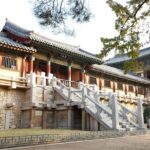
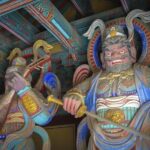
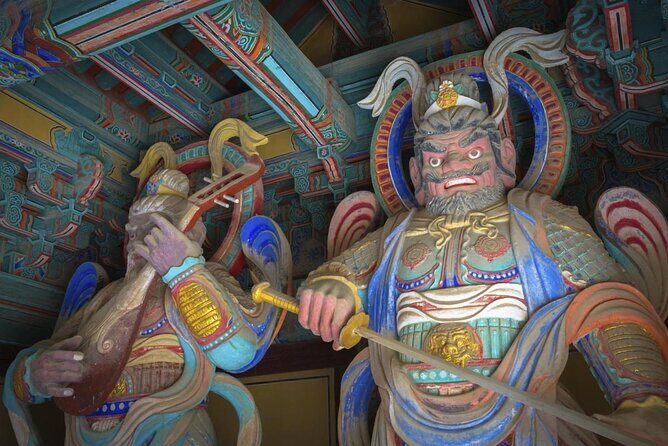
Bulguksa Temple is where the tour builds momentum. It’s a major Buddhist site in Gyeongju, and it’s also a UNESCO World Heritage Site. The time block is about one hour, and admission is listed as free—nice when you’re trying to keep the total cost sane.
What makes this stop work in a guided format is the explanation. You’re not just looking at structures; you’re learning what you’re seeing and why it matters. A local guide from Gyeongju can add personal context that you simply won’t get from standing alone in front of stone and trying to guess the backstory.
If you want to use your hour well, do this rhythm:
- First: take a quick visual scan so you understand the layout
- Second: let the guide point out what to notice
- Third: spend the last part slowing down for photos and details
One practical bonus: Bulguksa is often paired with Seokguram nearby, so starting here sets up the next stop with clearer context.
Stop 2: Seokguram Cave Temple and Why It’s a Tour Highlight
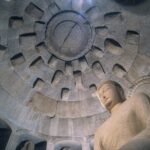
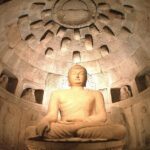
Seokguram is the other UNESCO heavy hitter, and it’s a Buddhist cave temple. Like Bulguksa, it’s commonly visited together with the temple complex nearby, and the tour gives it about one hour as well.
This is the stop that stood out the most for a lot of people. In several cases, the cave setting and the historical importance made it feel like the emotional peak of the half-day. The site traces back to the 8th century, which is a huge jump in time—and the guide’s storytelling helps that fact land instead of just floating overhead.
Because this is a cave environment, your best strategy is simple: don’t rush your eyes. You’ll enjoy it more if you let the guide’s key points guide where you look first. Then you can decide how long to linger on whatever captures your attention—without feeling guilty about holding the group back.
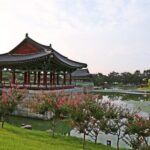
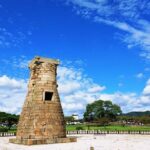

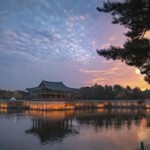
Stop 3: Bomun Lake for a Breather (and a Change of Mood)
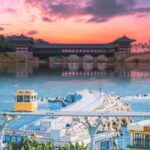
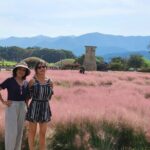
After temples and history, Bomun Lake is a good reset. It’s listed as Bomun Lake (Bomun Tourist Complex), and the tour allots about 30 minutes. Admission is free, and this is the softer, more scenic break in the route.
I like this stop for two reasons. First, it helps you avoid museum-temple-temple overload in a four-hour window. Second, it gives you time to breathe and regroup so the last half doesn’t feel like you’re mentally sprinting.
This is also one spot where flexibility can show up. If you’re already staying near Bomun Lake, the guide may be open to adjustments. One guest asked to swap out the lake visit for a different nearby highlight and said it wasn’t a problem. If you have a must-see you’d rather prioritize, this is a good moment to ask.
Stop 4: Woljeonggyo Stepping Stones and the Old Stone Bridge Feel
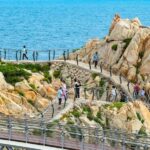
Next comes Woljeonggyo Stepping Stones. The tour frames it as Weoljeong Bridge, also known as Woljeonggyo, and it’s described as one of the oldest surviving bridges in South Korea. The stop is about 30 minutes, with free admission.
Even if you’re not a bridge-nerd, this place works as a visual pause after the cave temple. It’s easier to appreciate the “why” when your guide ties it back to long-running cultural patterns of where people gathered, traveled, and built.
If you like photography, this is a good stop to slow down. Short time doesn’t mean you need to rush. You can take a few frames, listen for what the guide wants you to notice, and then move on when you feel ready.
Stop 5: Gyeongju National Museum to Tie Everything Together
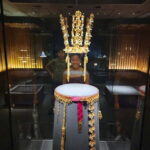
The final stop is the Gyeongju National Museum, and you get about one hour. Admission is listed as free here too, and the museum’s collection includes over 160,000 artifacts.
This is the part where a guide helps you turn a collection into a story. Without help, a museum can feel like a hallway of things to see. With a guide, you get a sense of what to focus on for your first pass.
If you want to make this hour count, go in with a simple goal: connect what you saw outside (temples, stone, historical sites) to what you see inside (objects, context, explanations). Ask the guide what themes to watch for, then you’ll walk through with a plan instead of wandering.
One more practical point: many people recommend doing this sort of tour earlier in your trip. It helps you understand what you’re looking at for the rest of your days in Gyeongju.
Language and Conversation: How Translation Apps Keep It Real
Here’s the honest truth: you should expect the guide to rely on a phone translation app if you don’t share the same language. In multiple experiences, guests used Google Translate or Papago and had lively conversation anyway.
The key is your mindset. Treat it like a guided conversation with a tool, not a broken communication system. You’ll still learn. The guide can still explain. You can still ask questions.
Also, it helps that the guides running this tour are used to international visitors. You can feel that in how they pace the conversation and how they keep the day moving while still sharing stories. Some guests even got extra suggestions afterward, like a short list of additional places to see on their own.
Price and Value: Does $70.70 Make Sense?
At $70.70 per person for about 4 hours, the value depends on your travel style. If you’re paying for private access, local context, and a comfortable car that handles the driving between sites, this starts to look like a bargain—especially because admission is listed as free at each stop.
What you’re really buying here isn’t just transport. It’s:
- Door-to-door convenience (pickup offered, not a you-figure-it-out situation)
- Expert guidance from someone who grew up in Gyeongju
- Small-group attention (max 3 travelers)
- A plan that hits the biggest cultural anchors without turning your day into a marathon
If you’re traveling solo and you don’t want to rent a car, this is often the best kind of middle ground: guided meaning, but not a regimented group schedule.
If you’re an experienced self-driver who hates asking questions and just wants to wander quietly, you might find the cost less compelling. But for most first-timers, the combination of comfort + interpretation + a tight route is exactly what makes a half-day tour worth it.
Who This Tour Suits Best (and Who Might Want a Different Plan)
This tour is ideal if you:
- Want a fast, well-paced introduction to Gyeongju’s biggest names
- Prefer car convenience over public-transport transfers
- Enjoy history and appreciate a guide who shares personal stories
- Don’t mind using a translation app to communicate
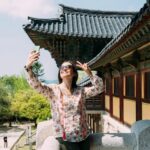
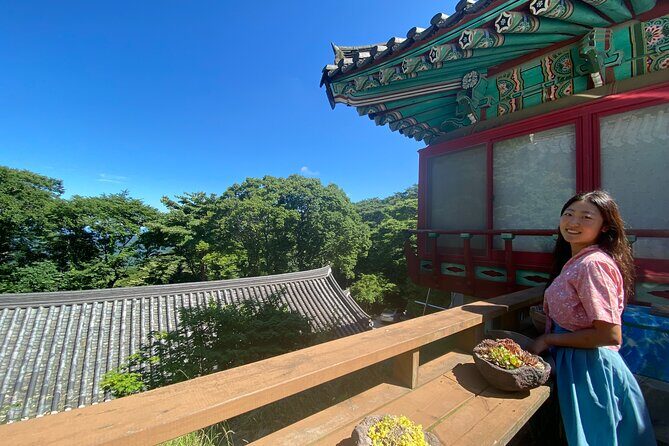
It’s also a good fit for people who like photos. Several guests noted the guide took photos and helped capture the moment.
One caution: if you’re the type who needs long, uninterrupted English explanations with zero translation, you may feel a little less satisfied. The tour can still be informative, but the conversation style may be more phone-app guided than fluent back-and-forth.
And if you want a full-day deep dive into museums, neighborhoods, and evening views, four hours might feel short. This is a half-day “hit the essentials and understand them” experience.
Should You Book This Gyeongju Car Tour?
I’d book it if you want a smart first day in Gyeongju—especially if you care about meaning, not just photos. The route makes sense (major UNESCO sites first, then scenic breaks, then museum context), and the small group size plus electric car comfort makes the whole day feel manageable.
You should also book if you’re comfortable with translation tools. The guide setup has worked well for past visitors, and it can turn the language barrier into something you adapt to quickly.
One last tip before you decide: if you’re the kind of traveler who enjoys asking, do it early in the day. A good guide will steer you to what’s most worth your attention, and that’s when the tour feels like more than a checklist.
FAQ
What is the duration of the guided car tour in Gyeongju?
The tour lasts about 4 hours.
How much does the tour cost?
The price is $70.70 per person.
Where does the tour start and when?
The meeting point is Noseo-dong, Gyeongju-si, and the start time is 10:00 am.
Is pickup available?
Yes, pickup is offered, and the tour can meet guests where they want.
How many people are in the group?
The tour has a maximum of 3 travelers.
Are tickets or admission included?
Admission is listed as free for each of the stops.
What language should I expect from the guide?
Confirmation notes a local guide, and guests have used translation apps such as Google Translate and Papago to communicate.
What happens if the weather is bad?
This experience requires good weather. If it’s canceled due to poor weather, you’ll be offered a different date or a full refund.
Is there a cancellation window?
Yes. You can cancel up to 24 hours in advance for a full refund.