REVIEW · GYEONGJU
Gyeongju: UNESCO Highlights Tour with Guide and Ticket
Book on GetYourGuide →Operated by TourPuzzle · Bookable on GetYourGuide
One day in Gyeongju, well-spent. This UNESCO highlights tour strings together the big Silla sites with an English-speaking guide and included entrance fees.
I like the clear morning-to-afternoon flow, plus how you get more than photos—you get stories that explain what you’re looking at. One watch-out: it’s a very active day with lots of stairs and slopes, so comfy shoes matter.
The best part is the access: you can actually go inside Cheonmachong (rare for royal tombs) and then see the excavation finds at the Gyeongju National Museum. I also like that the route hits two UNESCO standouts in one day—Seokguram Grotto and Bulguksa Temple—without you having to figure out transport between them.
The one possible drawback is the pace. Even with vehicle rides between main points, expect real walking time, and the itinerary order can shift with weather and road conditions.
In This Review
- Key Highlights Worth Marking on Your Map
- A Tight UNESCO Day in Gyeongju: What 8.5 Hours Really Covers
- Morning Bus Loop: Daereungwon Tombs, Cheonmachong, and Hwangnam Photos
- Inside Cheonmachong: The Heavenly Horse Detail That Makes It Real
- Seokguram Grotto and Bulguksa Temple: Silla Buddhism Up Close (Not Just a Detour)
- After Lunch Choices: Museum Time That Makes the Tomb Story Pay Off
- Woljeonggyo Bridge, Gyochon Choi Clan Homes, and Joseon-Era Texture
- Cheomseongdae: Counting Stones Like an Astronomer (Without the Math Panic)
- Price and Value: Is $58 Worth It for a One-Day UNESCO Push?
- Pace, Comfort, and Who Should Book This Tour
- Guide Impact: When the Right Person Turns Sites Into Stories
- Should You Book This Gyeongju UNESCO Highlights Tour?
- FAQ
- How long is the Gyeongju UNESCO Highlights Tour?
- Where does the tour start and end?
- What is included in the tour price?
- Is lunch included?
- Does the itinerary include Cheonmachong inside access?
- Which UNESCO sites are part of the tour?
- Do I need to bring anything?
- Is this tour suitable for kids and strollers?
- Is it suitable for wheelchair users?
- What about group size and minimum participants?
- FAQ
- Can I cancel for a refund?
- What payment options are available?
Key Highlights Worth Marking on Your Map
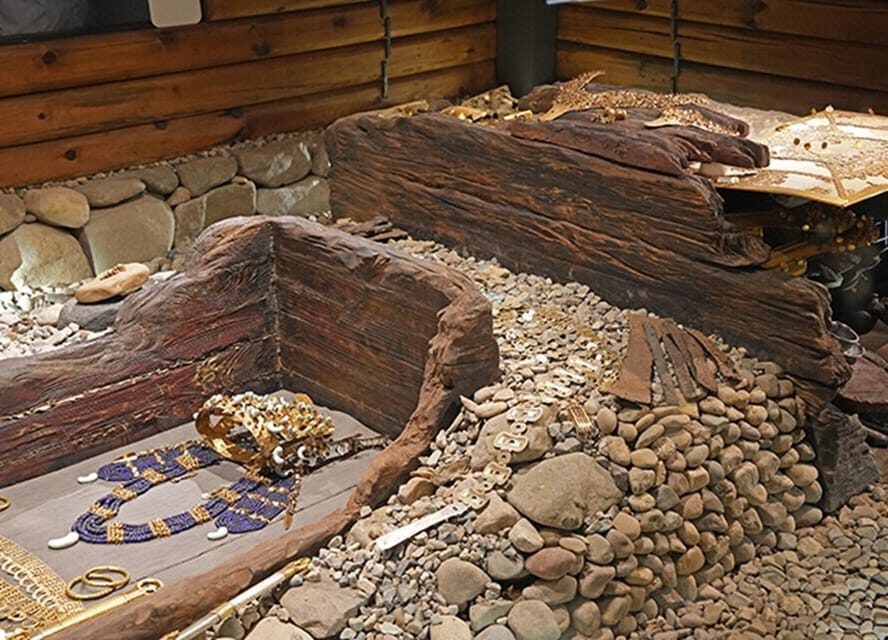
- Cheonmachong inside access: one of the few Silla royal tombs where you can see what’s inside, with the Heavenly Horse story explained on-site
- Daereungwon tomb area early stop: start with Silla burial culture before the crowds build
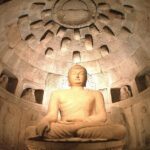
- Seokguram Grotto’s huge Buddha interior: scale, faces, and the cave atmosphere are the whole point here
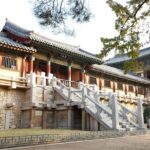
- Bulguksa Temple and its national treasures: Silla Buddhist culture in a setting that feels built for quiet attention
- Gyeongju National Museum matching the tombs you saw: golden crown and Great Hwangnam Tomb relics are the payoff
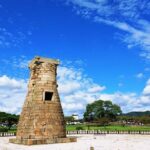
- Cheomseongdae counting challenge: 365 stones and lunar-step logic make the old observatory easy to understand
A Tight UNESCO Day in Gyeongju: What 8.5 Hours Really Covers
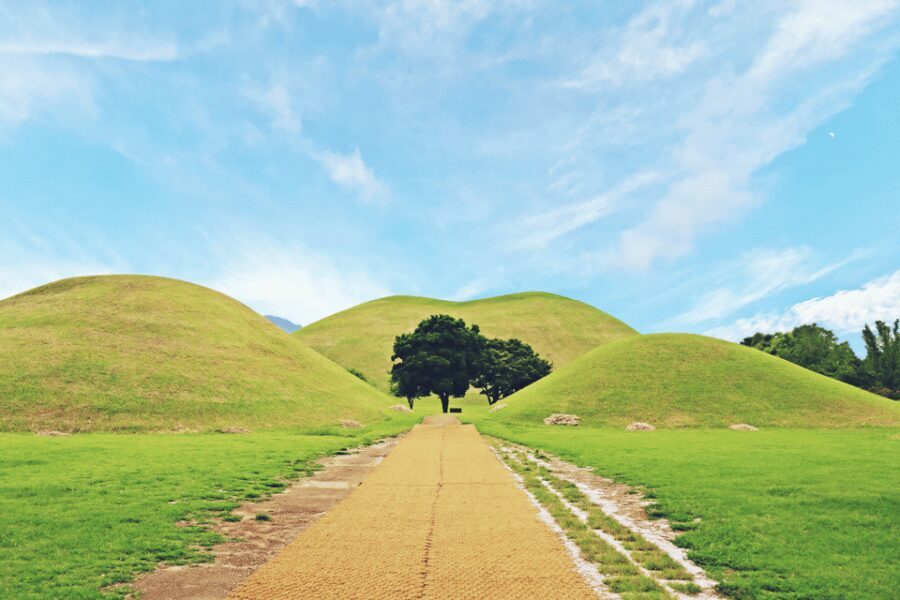
This is designed for one-day visitors who don’t want to bounce between sites on their own. You get a morning bus tour and an afternoon walking tour, all starting and ending at the Daereungwon Tomb Complex area (in front of the back gate). With a certified English guide, you’re not stuck reading small signs and guessing what matters.
Timing is built around concentration, not wandering. Morning emphasizes Silla burial sites—tombs, royal tomb details, and photo backdrops. Afternoon shifts to UNESCO religious landmarks and then rounds things out with museum context, a traditional village look at the Choi clan, and the old observatory. If you’re in Gyeongju for only a day or two, this route is a smart way to get your bearings fast.
You can also read our reviews of more tours and experiences in Gyeongju.
Morning Bus Loop: Daereungwon Tombs, Cheonmachong, and Hwangnam Photos
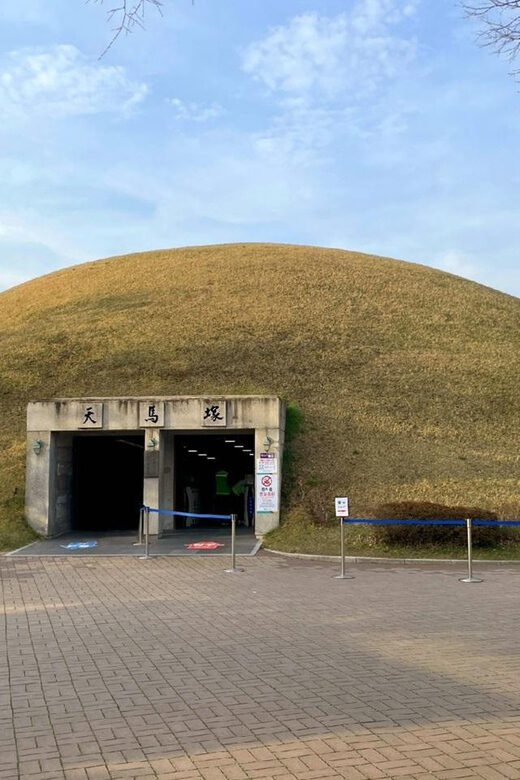
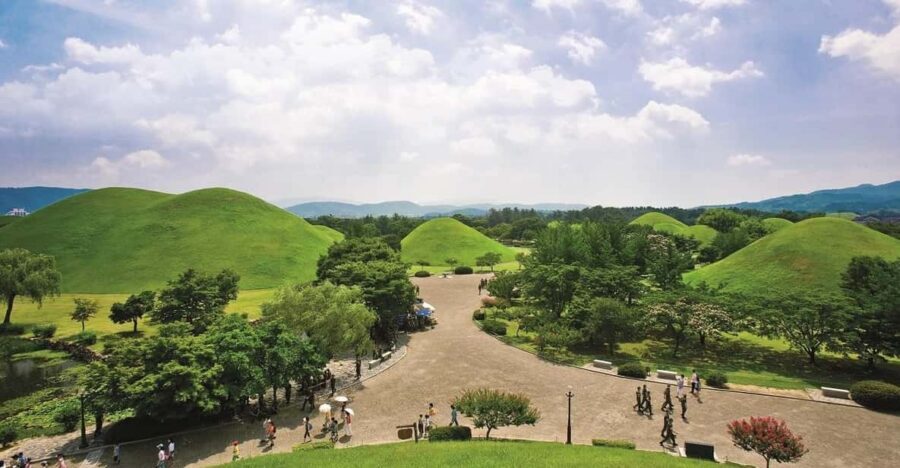
You start at Daereungwon Tomb Complex, early enough to feel like you’re stepping into the Silla story before the day gets noisy. The first stop is the tomb area itself—this is where burial culture becomes visible at human scale, not just theory from a guidebook.
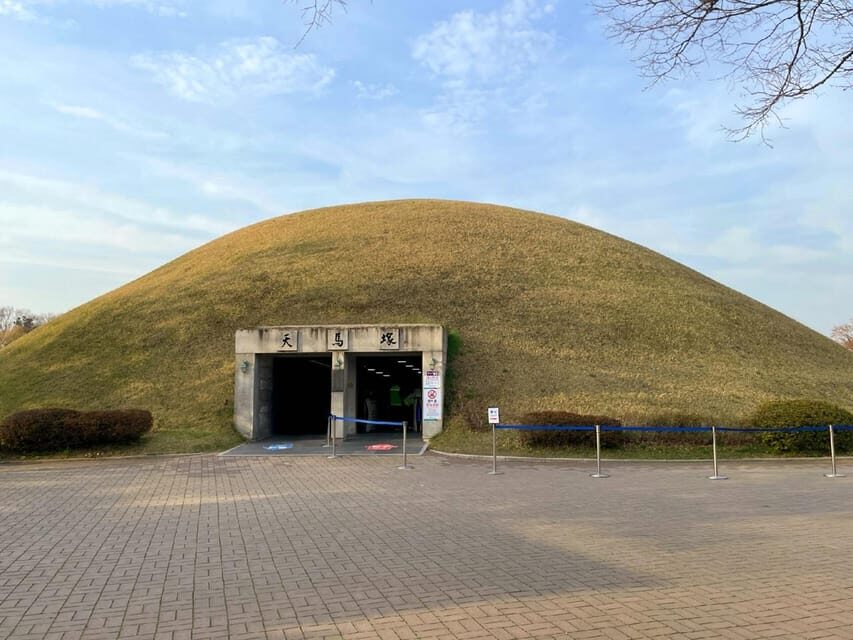
Then comes Cheonmachong. This is one of the few Silla royal tombs where you can see the inside. Even before you enter, you’ll get the background: Cheonmachong started as a tomb selected as a test site linked to the excavation of the Great Hwangnam Tomb. That’s exactly the kind of detail that makes later museum scenes click.
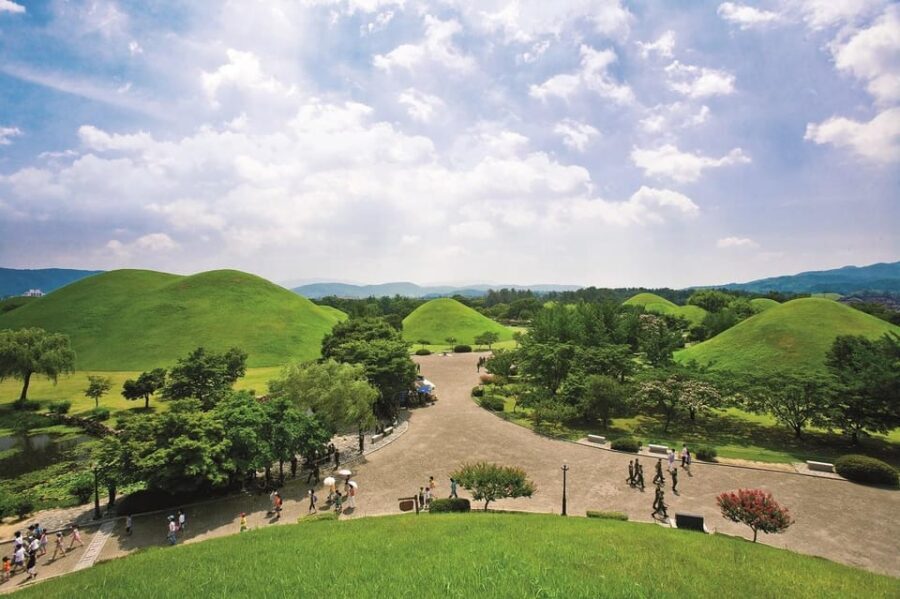
From Cheonmachong you move on to the Great Hwangnam Tomb. It’s the largest tomb in Gyeongju, and the experience here is both practical and visual. You’re encouraged to take a photo with the Great Hwangnam Tomb in the background—easy to do, and it later makes it easier to remember what you actually saw. The real trick is what happens next: the relics from that area aren’t just left as distant facts. You’ll see them later at the museum.
Inside Cheonmachong: The Heavenly Horse Detail That Makes It Real
Cheonmachong has a specific story that helps you look more carefully while you’re inside: the name comes from a discovered birch bark saddle flap, sometimes described as a mud-guard, depicting a flying horse. That detail turns the tomb from a “pretty structure” into a clue about craftsmanship and belief.
What I like about including the entrance fee here is simple: you’re not passing by an important stop because ticket lines or rules make it a hassle. The experience is set up so you can actually do it. And when you’re there, the guide’s explanations help you notice what you might otherwise miss—especially the context of how this tomb relates to the bigger Great Hwangnam excavation story.
Then, the tour connects the dots in the best way: the excavated items you’ll see later at the Gyeongju National Museum are the direct continuation of what you’re witnessing now.
Seokguram Grotto and Bulguksa Temple: Silla Buddhism Up Close (Not Just a Detour)
After the Silla tomb-focused start, the afternoon brings you to two major UNESCO sites tied to Silla Buddhist art and culture. This is the shift from royal earthworks to sacred space.
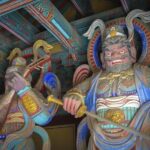
Seokguram Grotto is introduced as one of the greatest masterpieces of Silla Buddhist art. The key payoff is what you feel when you step into the interior—an immense main Buddha scale, gentle facial expressions, and a mysterious cave atmosphere. You don’t need fancy theory to enjoy it, but a guide helps you understand the symbolism of why this setting was chosen and how the art is meant to affect you.
Next is Bulguksa Temple, often described as the core of brilliant Silla Buddhist culture. Here, the tour points you toward “seven national treasures” at Bulguksa. This matters because it nudges you away from generic temple sightseeing and toward specific, meaningful highlights you can later recognize when you compare carvings, structures, and architectural details.
After Lunch Choices: Museum Time That Makes the Tomb Story Pay Off
Lunch is not included, so you eat on your own. That’s useful because it lets you choose what you want that day—though it also means you should plan for your energy level. This route keeps moving, so don’t schedule a sit-down meal for the last minute. Eat, recharge, and be ready for museum walking.
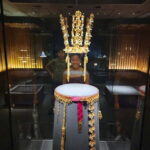
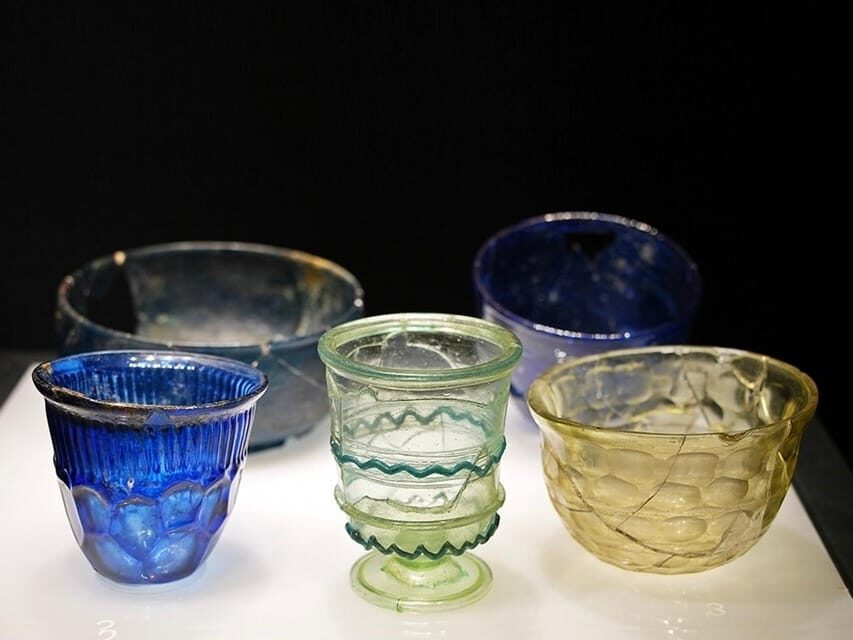
Then you hit the Gyeongju National Museum. This stop is where the morning’s tombs become more than a list of names. You’ll see the golden crown excavated from Cheonmachong and relics excavated from the Great Hwangnam Tomb. Seeing objects after hearing the tomb story makes the whole day feel “connected,” not just stitched together.
This is also a good place to slow down. Temples and grottoes are spiritual and dramatic. Museums are precise. You’ll get a clearer understanding of how Silla burial culture, art, and excavation history connect to what you saw earlier.
You can also read our reviews of more guided tours in Gyeongju
Woljeonggyo Bridge, Gyochon Choi Clan Homes, and Joseon-Era Texture
After the museum, the tour adds variety with a mix of heritage structures and a traditional village setting.
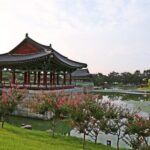
Woljeonggyo Bridge is next, tied to the Unified Silla Dynasty. The guide’s notes here are practical: the bridge connects Wolseong to Namsan in Gyeongju, and it was lost during the Joseon Dynasty but restored in 2018. That restoration date matters because it explains why you’re seeing something that looks complete today—this isn’t ancient rubble; it’s a modern recovery of an old link. And yes, you’ll get a good photo moment with the bridge in the background.
Then you head to Gyochon Traditional Village. This is where you meet the old house of the Gyeongju Choi Clan—often associated with the phrase Gyeongju Choi Rich house. The tour frames it around values: you’ll learn the six principles of the Choi family by looking around the simple and frugal old house. The point here isn’t to judge wealth; it’s to understand how social duty and self-control showed up in everyday living spaces.
If you like heritage stops that show how people actually lived (not only how they were buried or prayed), this is the section that makes the day feel human.
Cheomseongdae: Counting Stones Like an Astronomer (Without the Math Panic)
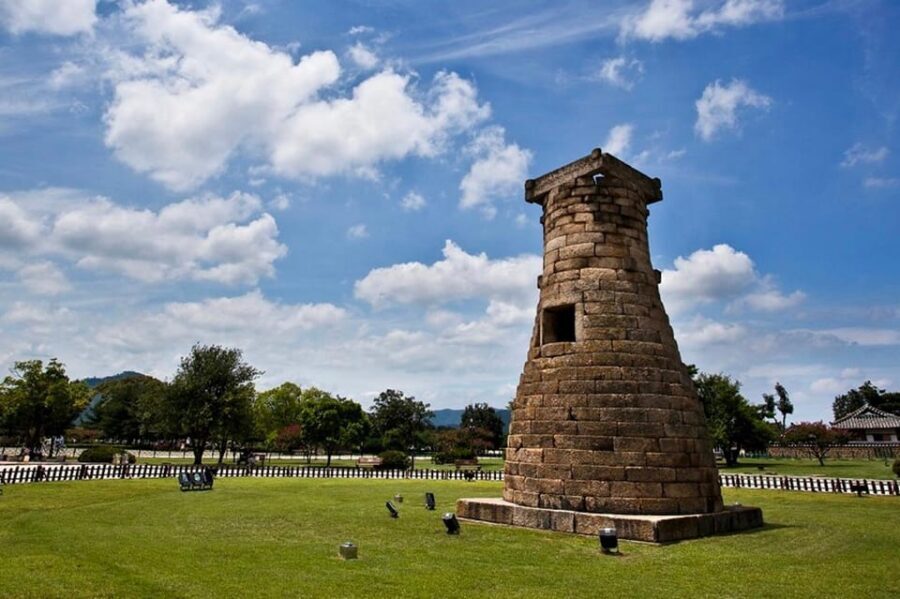
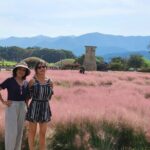
The final major historical anchor is Cheomseongdae, described as the oldest astronomical observatory in Asia. This is another spot where the guide’s explanation turns a structure into an easy-to-grasp system.
You’ll hear that the 365 stones represent the number of days in a year. You’ll also learn the “steps count” idea—representing days in a lunar month, depending on which level you count from (29 or 30). The tour even gives you a nudge to count the levels yourself. It’s a fun mental exercise and it makes Cheomseongdae feel less like a relic behind ropes and more like a working concept from long ago.
Price and Value: Is $58 Worth It for a One-Day UNESCO Push?
At $58 per person, this tour sits in the value zone for what you get: a certified English guide, entrance fees, and dedicated transport in one day. The biggest value is not the bus or the schedule—it’s the combination of (1) sites you can’t fully appreciate without context and (2) the included access pieces.
Two examples:
- Cheonmachong inside entry is specifically called out, and that’s the kind of ticketed experience that can be easy to skip if you’re DIY.
- The museum stop matches the morning tomb story by showing the golden crown and Great Hwangnam relics. That “see it twice” effect is what makes the day feel worthwhile.
If you already have transport and you’re comfortable navigating every stop on your own, you could replicate parts of this. But if you’re doing Gyeongju as a short visit, paying for a guide is how you save time and avoid missing key details.
Pace, Comfort, and Who Should Book This Tour
This is a full-day itinerary with a lot packed in. The tour uses a dedicated vehicle (TourPuzzle), which helps between major points, but you still walk and climb.
You should come prepared with:
- Comfortable shoes (you’ll use them a lot)
- Comfortable clothes
- A plan for stairs and slopes
It’s not suitable for children under 4, and it also isn’t suitable for stroller users or wheelchair users due to stairs and slopes. People over 75 are also listed as not suitable. If you fit the physical requirements, great—this tour can feel very satisfying because you see multiple eras (Silla and Joseon-era context) in one controlled day.
Also keep your expectations realistic about the day itself. One common theme from guide performance is keeping the group moving efficiently, even when traffic or crowds show up. If you’re booking near big holidays or heavy traffic days, you may notice slower moments—but a good guide knows how to keep the flow.
Guide Impact: When the Right Person Turns Sites Into Stories
The guide makes a real difference on a route like this. This tour runs with a professional English guide, and you can see how strongly that matters from examples like Dongmin Goh, Sam, Cynthia, Shin Dongsook, and Sumin. Some have been praised for being friendly and fun, others for organizing the timing well and spotting photo angles, and others for answering questions clearly.
One practical plus: at least some guides reach out ahead of time with contact details so you know exactly where to meet. In a place with early starts and multiple entry points, that kind of communication reduces stress before it starts.
If you care about learning what you’re looking at—why Seokguram is impressive, how the tomb finds connect to the museum, what Woljeonggyo meant historically—this is the kind of day where a guide can turn sightseeing into understanding.
Should You Book This Gyeongju UNESCO Highlights Tour?
Book it if:
- You have one day in Gyeongju and want the UNESCO highlights plus museum context
- You value included entrance fees and don’t want to hunt down tickets and rules
- You like structured routing with a guide that explains the key details (Cheonmachong inside access and the museum payoff are big reasons)
Skip or reconsider if:
- You have mobility limitations that make stairs and slopes difficult
- You want a slow, relaxed day with long breaks
- You’re traveling with a stroller or wheelchair (not suitable as listed)
My take: at $58, the value is strongest for first-timers and short-trip visitors. The tour’s real “win” is the way it connects tombs to artifacts, and UNESCO sacred spaces to the broader Silla story.
FAQ
How long is the Gyeongju UNESCO Highlights Tour?
The tour lasts 8.5 hours. Starting times vary, so you’ll need to check availability for the specific departure.
Where does the tour start and end?
It starts in front of the back gate of the Daereungwon Tomb Complex. It ends back at the same meeting point.
What is included in the tour price?
Included items are a professionally licensed English-speaking guide, entrance fees, and a dedicated vehicle.
Is lunch included?
No. Lunch and drinks are not included, and you eat using your own choice of individual meals.
Does the itinerary include Cheonmachong inside access?
Yes. The tour includes exploring the inside of Cheonmachong, and the entrance fee is included.
Which UNESCO sites are part of the tour?
The tour includes Seokguram Grotto and Bulguksa Temple, both UNESCO-listed UNESCO World Heritage Sites.
Do I need to bring anything?
Wear comfortable shoes and comfortable clothes. The itinerary includes walking, stairs, and slopes.
Is this tour suitable for kids and strollers?
No. It is not suitable for children under 4, and it is also not suitable for strollers due to stairs and slopes.
Is it suitable for wheelchair users?
No. The tour is not suitable for wheelchair users because the route includes stairs and slopes.
What about group size and minimum participants?
The minimum number of participants for the tour is 2.
FAQ
Can I cancel for a refund?
Yes. Free cancellation is available up to 24 hours in advance for a full refund.
What payment options are available?
The tour offers a reserve now & pay later option, so you can book your spot and pay nothing today.