REVIEW · GYEONGJU
Gyeongju UNESCO World Heritage Sites and History Full-Day Tour with Lunch
Book on Viator →Operated by Busan Tourism Center · Bookable on Viator
UNESCO sites in one tight day sounds impossible. This tour stitches together Gyeongju’s top Silla sights, including Bulguksa Temple and Seokguram, with hotel pickup/drop-off and lunch plus entrance fees handled for you. You get a story from one place to the next, even though the sites are spread out.
The only real catch is the pace: with an 8-hour itinerary and multiple walking stops, you’ll want comfortable shoes and a flexible attitude about how much time you spend at each gate.
In This Review
- Key things that make this tour work
- One-day UNESCO plan that saves your time from Busan
- Cheomseongdae Observatory: ancient star-watching and what to notice
- Wolji Pond and Donggung Palace: a “set design” for Silla power
- Gyeongju Gyochon Traditional Village: hanok life and the Choi clan
- Daereungwon Tomb Complex: reading Silla royalty in stone
- Seokguram Grotto and Bulguksa Temple: the spiritual high point
- Seokguram Grotto
- Bulguksa Temple
- Lunch, tickets, and dietary requests: where the value shows
- Price and who this tour fits best
- Should you book this tour?
- FAQ
- How long is the Gyeongju UNESCO World Heritage Sites and History tour?
- Does the tour include lunch and entrance fees?
- Is hotel pickup and drop-off included?
- What dietary options are available for lunch?
- Which UNESCO sites are included?
- Is there free cancellation?
Key things that make this tour work
- Pickup, drop-off, and an air-conditioned minivan so you stop wrestling transit schedules
- UNESCO pairing: Seokguram Grotto + Bulguksa Temple, the day’s big spiritual anchors
- Silla “wow” variety from Cheomseongdae’s astronomy to royal burials at Daereungwon
- Gyochon Hanok Village time built in, so you see everyday traditional life, not just relics
- Lunch included with dietary options when you request ahead (vegetarian, and even gluten-free in some cases)
- Small-group feel can happen in practice, keeping questions and pacing manageable
One-day UNESCO plan that saves your time from Busan
If you’re starting in Busan, this is the biggest reason to book. Gyeongju’s UNESCO stops aren’t clustered into one walkable zone. They’re scattered, and that turns an ambitious day into a stress test if you’re trying to DIY transport.
This tour runs about 8 hours with a morning start around 8:00 am, then drops you back at the end. You’ll ride in an air-conditioned minivan and get convenience you can feel right away: pickup, transportation between sites, and someone else handling the logistics while you focus on the sights.
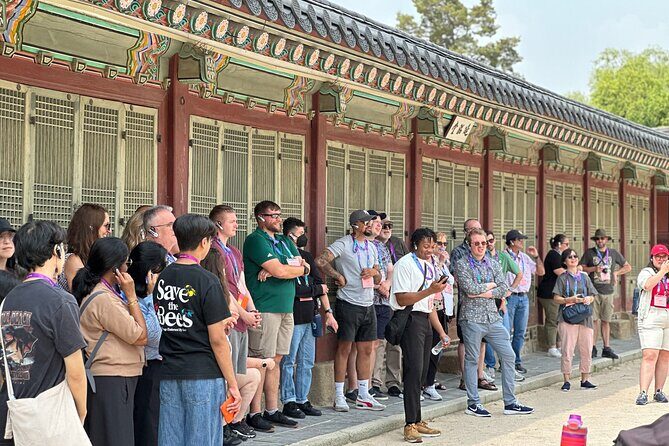
The human element matters too. The guides listed in past groups include people like Sue, Steve, Chris, and Jina—and the consistent theme is clear, story-driven explanations that connect what you’re seeing to why it mattered in the Silla era. Even when the day is packed, the commentary helps you “place” each stop instead of treating it like a checklist.
So the value isn’t just the entry tickets. It’s the time saved, plus the fact that you’re guided through a complicated historical landscape in one go.
You can also read our reviews of more historical tours in Gyeongju
Cheomseongdae Observatory: ancient star-watching and what to notice
Your day usually begins at Cheomseongdae Observatory. It’s often described as the oldest surviving astronomical observatory in Asia, built during Queen Seon-deok’s reign (632–647). The key detail I’d watch for is the purpose: star observation wasn’t for fun trivia—it was tied to practical forecasting in the Silla world.
It’s also a good first stop because it’s shorter and manageable. Plan for about 30 minutes here. Some groups move smoothly through, but crowds can spike on holidays. One guide-led group I read about still made the call to reduce time at Cheomseongdae when it was super crowded, which is a useful reminder for your expectations: you’re not guaranteed a slow, quiet museum pace.
What to bring here is the obvious-but-important stuff:
- Sunscreen (the day can heat up fast)
- A hat if you run warm
- Your best patience for lines and photo spots, especially if you’re traveling during a Korean holiday period
Wolji Pond and Donggung Palace: a “set design” for Silla power
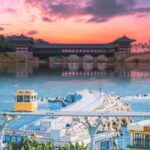
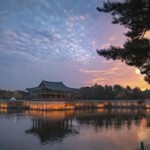
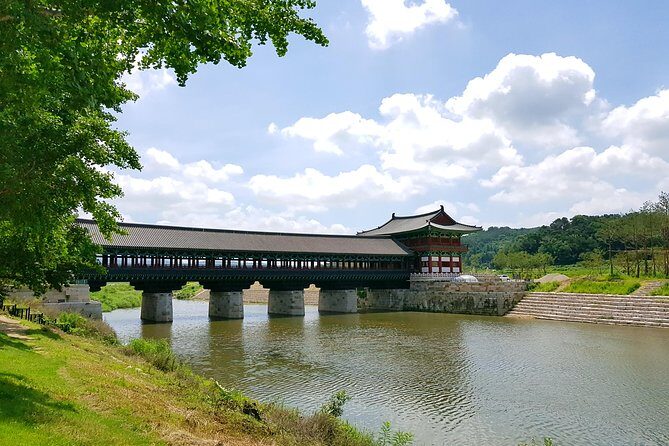
Next up is Donggung Palace & Wolji Pond. This stop is the kind of place where your brain can help you. You look at the pond and surrounding palace grounds, but you also try to picture what the builders intended—especially when you learn Wolji Pond was built during King Munmu’s reign (661–681 AD).
The history you get here matters because it turns a calm body of water into something more political. The palace site wasn’t just private scenery; it was part of how rulers projected control and culture.
You’ll usually get about one hour for this area, and that hour is valuable because it balances two modes:
- a chance to walk and orient yourself
- time to absorb the story behind what you’re seeing
Also, don’t assume this stop is “only scenic.” If your guide points out historical references from sources like Samguk-sagi, you’ll start noticing how Korean history keeps showing up as layered explanation, not just stone and silence.
Gyeongju Gyochon Traditional Village: hanok life and the Choi clan
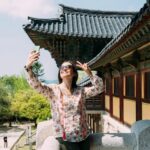
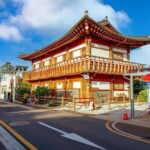
Gyeongju Gyochon Traditional Village is about how people lived, not only what they worshipped or built. It’s a hanok village tied to the Choi clan, and it’s designed for you to peek into domestic historical life—so you’re not stuck staring at temples all day.
You typically get around 45 minutes here, and that time is long enough to:
- walk the village lanes at an easy pace
- look for the house settings connected with the clan story
- take in how hanok design shapes daily living
The practical truth: this isn’t a huge museum complex. It’s a traditional village experience, and you should expect it to feel smaller than the temple sites. If you’re the type who loves atmosphere and everyday design, it’s a nice break. If you’re only chasing the biggest UNESCO labels, you might wish you had more minutes elsewhere. Either way, it does help balance the day.
Daereungwon Tomb Complex: reading Silla royalty in stone
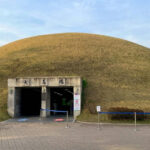
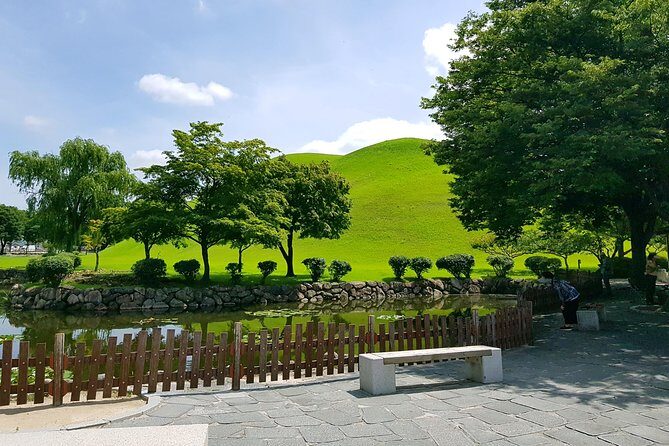
At Daereungwon Tomb Complex, you step into the royal burial zone around Gyeongju. The site includes 23 large tombs, including prominent burial mounds often associated with kings and nobles. One of the real values here is that it gives you a sense of scale: Silla power wasn’t just ceremonial—it was physically marked in the landscape.
You’ll usually have about one hour. That’s enough to walk the area, see the tomb mounds, and understand the basic idea of what this meant socially: being buried in a monumental zone connects a person’s identity to a dynasty’s lasting presence.
This stop also helps you connect the dots between the day’s themes:
- astronomy and timekeeping (Cheomseongdae)
- court and aesthetics (Donggung/Wolji)
- everyday tradition (Gyochon)
- elite authority and legacy (Daereungwon)
If you’re prone to history fatigue, this is where your guide’s storytelling can make a difference. A good explanation keeps the tombs from turning into “just shapes” in the distance.

Seokguram Grotto and Bulguksa Temple: the spiritual high point
This is the heart of the itinerary: Seokguram and Bulguksa. If you only cared about UNESCO stamps, you’d still get your money’s worth here because these sites are the ones most people travel to Gyeongju for.
Seokguram Grotto
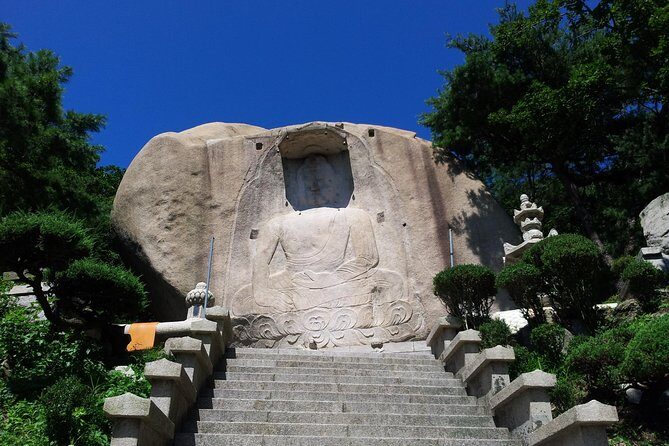
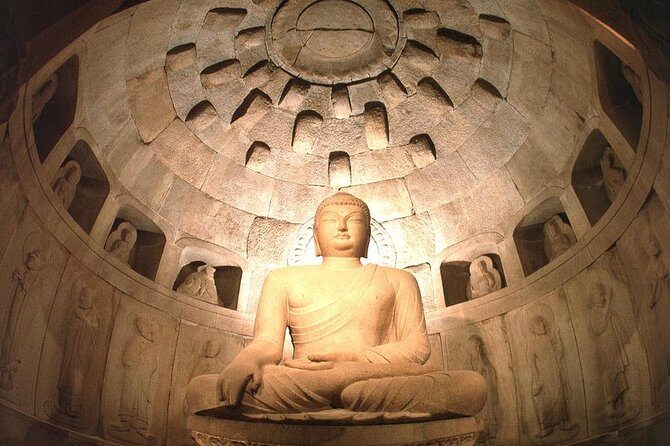
Seokguram is a stone temple on Tohamsan Mountain and is known as a National Treasure site. You’ll typically have about one hour. This is also a stop with rules that matter: some groups report strict limits on photography inside the grotto area. So if you’re planning your phone camera like it’s a concert, adjust your expectations and save your energy for careful looking.
Also, expect a climb-and-walk day. Even with transport handling the driving, you’ll be moving on-site. Comfortable shoes are not optional here.
Bulguksa Temple
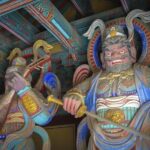
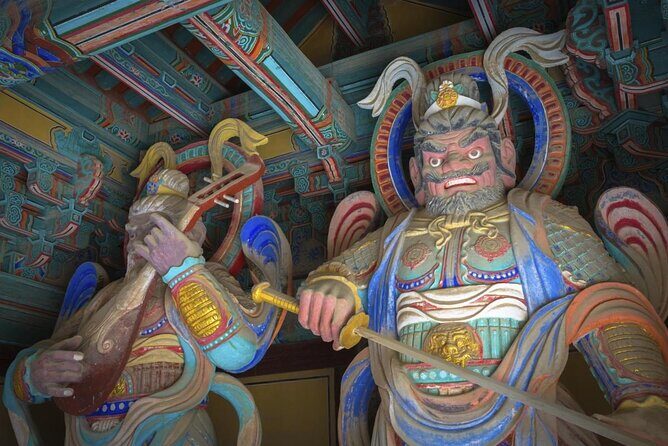
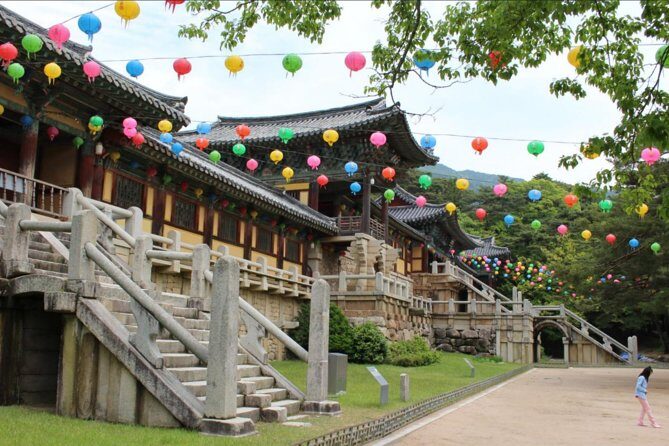
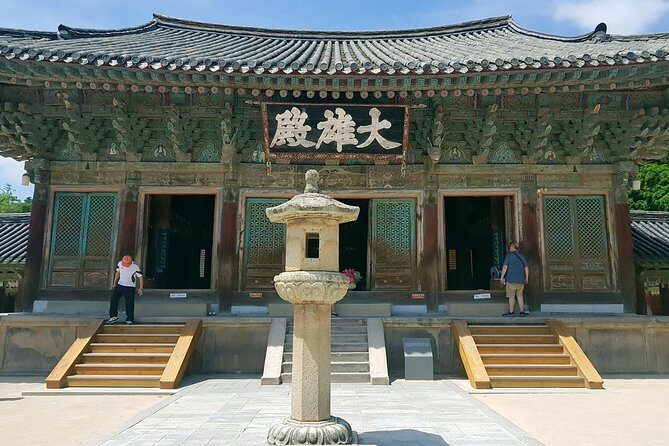
Then it’s Bulguk Temple (Bulguksa), a major UNESCO-listed relic tied to 1995 UNESCO recognition. You’ll usually spend about one hour. This is the place where stonework and temple design become the story. It’s not only the buildings; it’s the art and structure that make the place feel like a designed expression of belief.
Why I like this combo: Seokguram gives you the dramatic “stone sanctuary” feeling, and Bulguksa returns you to the temple complex where the experience becomes more complete—more paths, more stone details, and more sense of scale.
Guides like Steve and Chris have been praised in past groups for the way they connect temple art to Silla ideas—so when you’re standing in front of the structures, you’re not just staring. You’re understanding what to look for.
Lunch, tickets, and dietary requests: where the value shows
One of the strongest positives tied to this tour is the included lunch. It’s not described as an afterthought, and that matters because a day this packed can fall apart if you’re stuck with a bad meal and no time to fix it.
There’s also a clear dietary component:
- A vegetarian option is available if you request it ahead.
- In at least one group, the guide and team handled a gluten-free lunch need smoothly.
That tells me this operator plans for real-world needs, not just standard meal preferences. If you’ve traveled in South Korea before, you know that “I can eat anything” doesn’t always survive contact with a set menu. This tour gives you a better shot at a calm lunch stop.
And because entrance fees are included, you’re not doing surprise math mid-day. That’s part of why the tour can feel fair, even at $189.99: you’re paying for a stitched-together day with transport, tickets, and a meal, rather than only the sightseeing.
Price and who this tour fits best
At $189.99 per person, the big question is value. Here’s my practical take: this price makes the most sense when you’re traveling from outside Gyeongju, especially from Busan, because the alternative is paying for your own transport and spending time figuring out how to sequence sites efficiently.
If you’re already staying in Gyeongju, your personal math may shift. Some attractions are closer together than a full-day “drive all day” route implies. In that case, you might be able to taxi between nearby stops and build a lighter day. The tour shines when you want someone else to handle routing and timing.
This tour is also a good fit if you:
- want an easy, guided day without navigating public transport
- like having a guide connect temple, tomb, and court history
- don’t want to worry about entry fees or finding lunch that works for your diet
It’s less ideal if you hate structured time. The day is about seeing a lot in one sitting, so you’ll feel the pressure of the schedule. The plus is that the itinerary is designed to keep moving while still giving enough time for real viewing.
Should you book this tour?
Book it if you’re aiming for maximum UNESCO return per hour and you’re starting from Busan. The included lunch, entrance fees, and pickup/drop-off remove the usual headaches of a dispersed city.
Skip it (or consider DIY) if you’re already in Gyeongju and you prefer a slower, more self-directed pace. In that case, you may be able to build a cheaper plan with less walking pressure.
FAQ
How long is the Gyeongju UNESCO World Heritage Sites and History tour?
The tour runs for about 8 hours (approx.).
Does the tour include lunch and entrance fees?
Yes. Lunch and entrance fees are included in the tour price.
Is hotel pickup and drop-off included?
Yes. Pickup and drop-off are included, and you travel by air-conditioned minivan.
What dietary options are available for lunch?
A vegetarian option is available if you request it when booking. Some groups have also reported help with gluten-free lunch needs.
Which UNESCO sites are included?
The day includes Seokguram Grotto and Bulguksa Temple, both UNESCO-listed.
Is there free cancellation?
Yes. You can cancel for a full refund up to 24 hours before the experience start time.