REVIEW · GYEONGJU
Gyeongju: Private Car Charter Taxi Tour
Book on GetYourGuide →Operated by Visit Korea Tour · Bookable on GetYourGuide
Gyeongju is easier when someone else handles the driving. This private car charter is a smart way to stack major stops into one day, with toll and parking fees included and ride insurance coverage for medical expenses if there’s an accident. Even better, the service is built for short windows, so you can squeeze in more than you’d manage on buses.
I especially like the custom pacing. You tell the driver what you want to see, and they help steer your day in a practical order, with English support when needed. In real life, that can mean extra help with photos and small on-the-go comforts—drivers like Lee, Park, and Jeon Chang Hae have been praised for being attentive and prepared, even when English is limited.
One thing to consider: if you want detailed site-by-site English history from a fully English-speaking guide, that specific English-speaking driver option is temporarily deactivated and may require an extra request fee. For most people, the built-in support via online help and simple conversation works fine, but it’s worth knowing upfront.
In This Review
- Key takeaways before you book
- Why a private taxi charter works so well in Gyeongju
- Vehicle choice: sedan vs van, and why luggage rules matter
- Price and what you actually get for your money
- How to plan your day: 3, 5, 6, and 8 hours without rushing
- A smart way to choose
- The classic city hits: temples, grotto time, and the palace-pond zone
- Bulguksa Temple
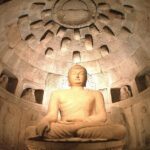
- Seokguram Grotto
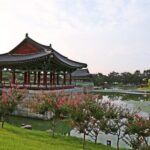
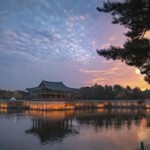
- Donggung and Wolji (or Anapji)
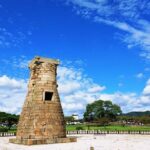
- Cheomseongdae
- The day’s rhythm tip
- Adding texture: Kyochon Village, Woljeonggyo, museums, and Hwangridan-gil
- Kyochon Village
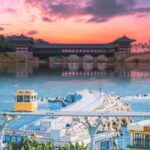
- Woljeonggyo
- Temple History & Culture Museum
- Cheonnyeon Forest Garden
- Bunhwangsa Temple
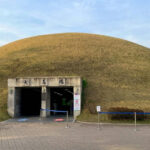
- Daereungwon / Cheonmachong
- Hwangridan-gil
- Night tour: Eupseong, Woljeonggyo, Cheomseongdae, and Anapji glow
- English support and driver guidance: what you can expect in the real world
- Tip: use WhatsApp well
- No child seat
- Extra hours, meal timing, and the practical stuff you’ll plan anyway
- Who this tour fits best (and who should rethink it)
- Value check: is $124 per group up to 4 actually a bargain?
- Should you book this Gyeongju private taxi tour?
- FAQ
- How long is the Gyeongju private taxi charter?
- What’s included in the price?
- Are admission tickets and meals included?
- What vehicle do I need for 5 to 7 people?
- Do the drivers speak English?
- Is pickup included?
- Is a child seat provided?
Key takeaways before you book
- Insurance coverage for medical expenses is included, so you’re not taking the risk alone.
- No surprise tolls or parking: these costs are included in the quoted price.
- Pick a sedan or van based on group size and 24-inch luggage limits.
- Flexible routing lets you design a day around your energy, not a bus schedule.
- Language support is practical, using simple English plus online translation help.
- Night options are available for the lit-up mood around the city’s evening highlights.
Why a private taxi charter works so well in Gyeongju
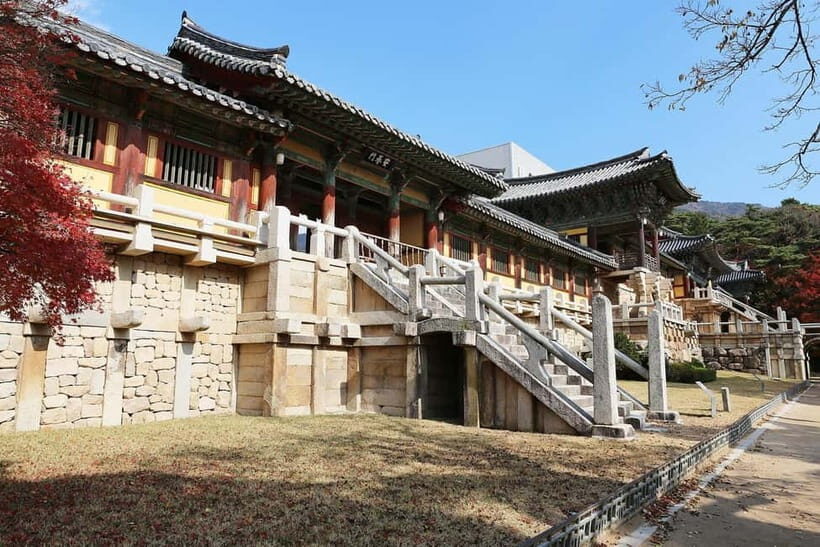
Gyeongju is the kind of place where distance adds up fast. With a private car, you don’t waste your day hunting buses, timing transfers, or figuring out parking for multiple stops. You’re paying for time, comfort, and fewer headaches—and you feel it the moment you step out and start moving.
The other win is control. Instead of committing to one rigid route, you can build a loop that matches your priorities: big temple and grotto time in the morning, then palace-pond and observatory-style sights later, or a slower night plan when the lighting does the work for you. When you’re on a tight schedule, that flexibility is the whole point.
There’s also a big practical advantage: you’re in a private vehicle with someone who can shift order on the fly. If weather changes, if one stop takes longer, or if you want to swap in an extra place, you’re not stuck. That adaptability is what makes a short Gyeongju visit feel complete.
You can also read our reviews of more private tours in Gyeongju

Vehicle choice: sedan vs van, and why luggage rules matter
This charter works in two main vehicle sizes. A sedan taxi fits up to 4 passengers and is recommended for 1–3 people with up to 2 pieces of 24-inch luggage. If you’re traveling as a bigger group, a van taxi (up to 7 passengers) is the better fit, especially for 1–6 people with up to 6 pieces of 24-inch luggage.
Here’s the reality check: if your luggage exceeds the allowed limit and it doesn’t fit, the travel may not proceed, and the amount won’t be refunded. So before you book, count bags like you’re packing for a long flight. If you’re close to the limit, consider booking two vehicles instead.
If you’re traveling with more than 4 people or you’re over the luggage plan, the service also states you should book 2 sedan taxis or van taxis. It’s not just a suggestion—it’s how you avoid a day-of surprise.
Price and what you actually get for your money
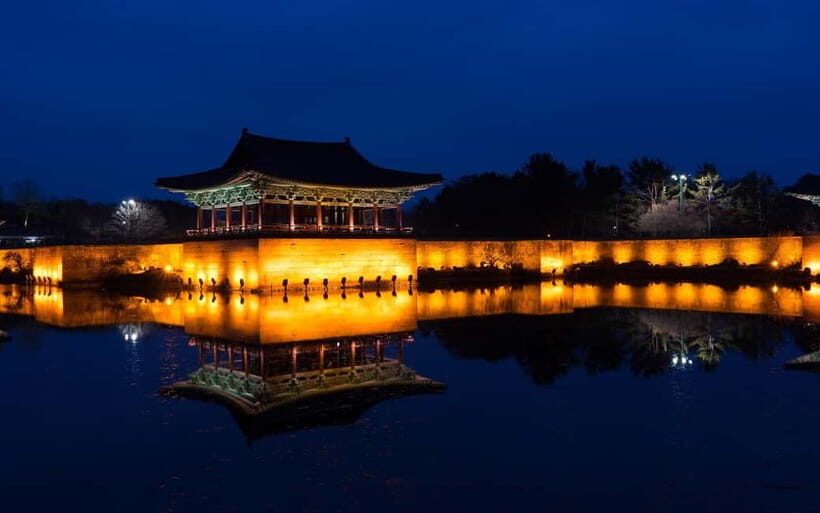
The headline price is $124 per group up to 4, and the ride duration runs from 3 to 9 hours depending on availability. What makes this value feel real is what’s included: fuel, toll fees, parking charges, the driver, and car insurance.
That matters because Gyeongju’s most-used routes can include paid roads and multiple stops with parking. When those costs are bundled in, you can focus on the plan instead of turning every change into a math problem. It’s a comfort upgrade, not just transportation.
Not included, so plan ahead:
- admission fees (at the sites you choose)
- meals and drinks
- personal expenses
- travel insurance
Also expect any additional on-site fees to be paid directly to the driver. The most common triggers are things like pickup outside the Gyeongju city area or changes that create extra costs.
How to plan your day: 3, 5, 6, and 8 hours without rushing
Think of the time windows as different levels of stress. With 3 hours, your day is about hitting a few essentials and keeping movement tight. By 5–6 hours, you can add pleasant extras like a village stroll or a museum break. At 8 hours, you can take the “slow is smart” approach and mix temples, gardens, and historic zones.
A common 5-hour loop is built around:
- Bulguksa Temple
- Seokguram Grotto
- Donggung and Wolji
- Cheomseongdae
A 6-hour loop adds more variety after the same opening:
- Kyochon Village
- Woljeonggyo
- Hwangridan-gil
An 8-hour loop is for people who don’t want to feel like they’re sprinting:
- Bulguksa Temple
- Seokguram Grotto
- Cheonnyeon Forest Garden
- Bunhwangsa Temple
- Temple History & Culture Museum
- Donggung and Wolji
- Kyochon Village
- Cheomseongdae
- Daereungwon / Cheonmachong
- Hwangridan-gil
If you want to go beyond the core city zone, you can request East Coast, North Area, or West Area courses, but those are only available with the 8-hour option.
A smart way to choose
If this is your only day in Gyeongju, I’d lean toward 6 hours. It usually gives you the big-ticket classics plus a couple of “wander and snack” moments. If you have a full day and you want variety (or the weather might shift), 8 hours is the safer bet.
If you just need a highlight hit—say you’re passing through on a schedule—pick 3 hours and keep expectations realistic. With shorter time, you’ll trade depth for coverage.
A few more Gyeongju tours and experiences worth a look
The classic city hits: temples, grotto time, and the palace-pond zone
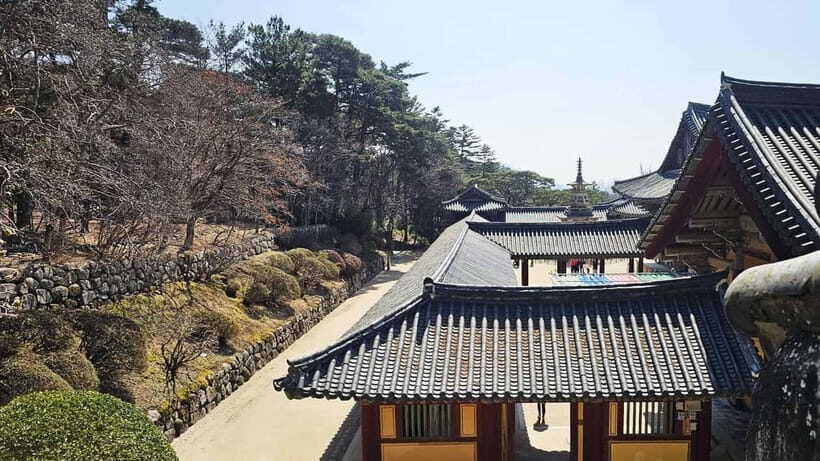
Let’s talk about what each big category gives you, and where the pressure points are.
Bulguksa Temple
This is the kind of stop that tends to require actual walking time, not just a quick photo. In a private taxi day, you’ll usually be able to spend enough time to feel like you experienced it, rather than being rushed by a coach schedule. The drawback: if you add too many other sites immediately after, your legs may quietly protest.
Seokguram Grotto
The name alone tells you it’s not a quick roadside pull-off. You’ll want to treat it as a dedicated block, especially if your itinerary is packed. If you’re going with older family members or anyone who moves slowly, plan a little buffer so you’re not cutting your time short.
Donggung and Wolji (or Anapji)
This area works for day and evening vibes. The big practical point is that it’s easy to pair with nearby historic-looking spots without zigzagging across town. If you’re doing a night tour, you’ll appreciate how the atmosphere changes and makes the photos easier.
Cheomseongdae
This is one of those landmarks that feels efficient in a car day. It’s a clean stop to place after a temple/grotto segment because you don’t have to “reinvent” your plan—just arrive, look, and move on. The consideration is that if your schedule is tight, you may feel tempted to hurry. Build a couple minutes for lingering if photos matter to you.
The day’s rhythm tip
Most people underestimate how often “short” sightseeing becomes “time inside.” With a private taxi, you can correct for that by giving each major stop real time and keeping the smaller stops flexible.
Adding texture: Kyochon Village, Woljeonggyo, museums, and Hwangridan-gil
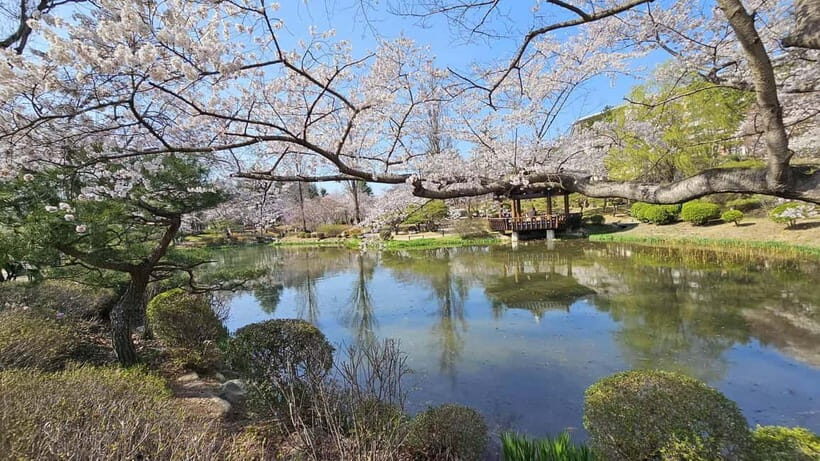
Once you’ve got the core classics, the fun shifts to texture—places that slow you down in a good way.
Kyochon Village
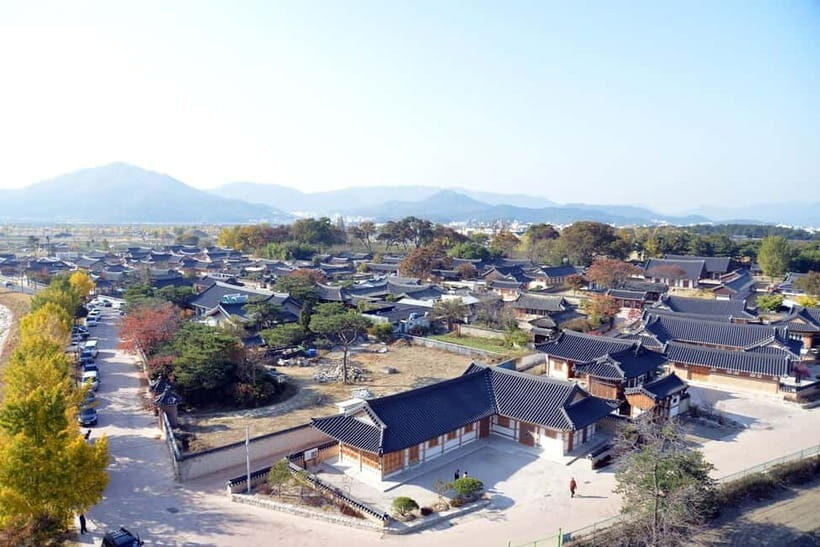
This stop tends to be about strolling and slowing the day down. It’s a good match for the middle of a longer itinerary when you want something less physically intense than temples or grotto segments. The tradeoff is simple: it can eat time if you’re hungry for photos or shopping.
Woljeonggyo
A bridge stop is a nice break between “big sites” because it’s easier to handle in between. If you’re building a 6-hour plan, this is the kind of stop that helps your day feel complete without turning into a full appointment.
Temple History & Culture Museum
This is your “you’ll thank yourself later” stop. If the weather turns, an indoor museum can reset the day without wrecking the itinerary. Even if you’re not a museum person, it helps connect what you saw earlier into a clearer story.
Cheonnyeon Forest Garden
Garden time is about pacing. If your day includes multiple major monuments, this kind of stop gives you a breather and a change of pace. In an 8-hour schedule, it also helps you avoid the all-day feeling that comes from constant walking.
Bunhwangsa Temple
This is another temple stop inside the 8-hour plan, and it works best when you already accept that you’ll be moving steadily all day. The good part: it keeps the “historic Gyeongju” theme consistent without forcing you to skip earlier highlights.
Daereungwon / Cheonmachong
This is placed late in the 8-hour route for a reason: open-area historic zones can feel more comfortable later when you’ve settled into a rhythm. If you’re energy-limited, this is where you might shorten time—though the day is designed so you can still fit it in.
Hwangridan-gil
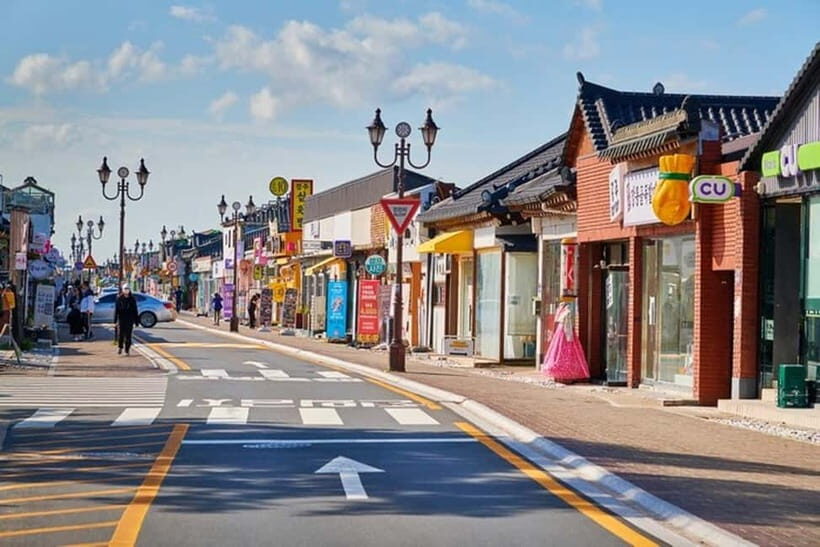
This is the practical reward at the end of a sightseeing block. A street stop is where you can grab a snack, pick up small souvenirs, and reset before heading back. It’s also a smart spot for breaks because it’s easy to rejoin the car after a short wander.
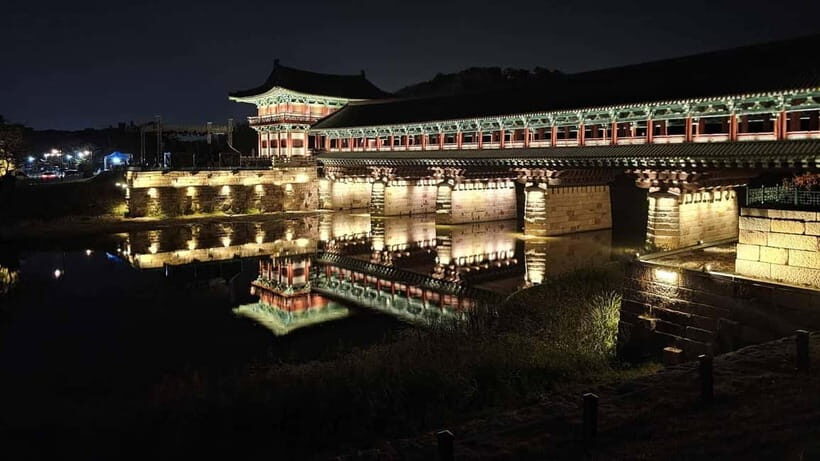
Night tour: Eupseong, Woljeonggyo, Cheomseongdae, and Anapji glow
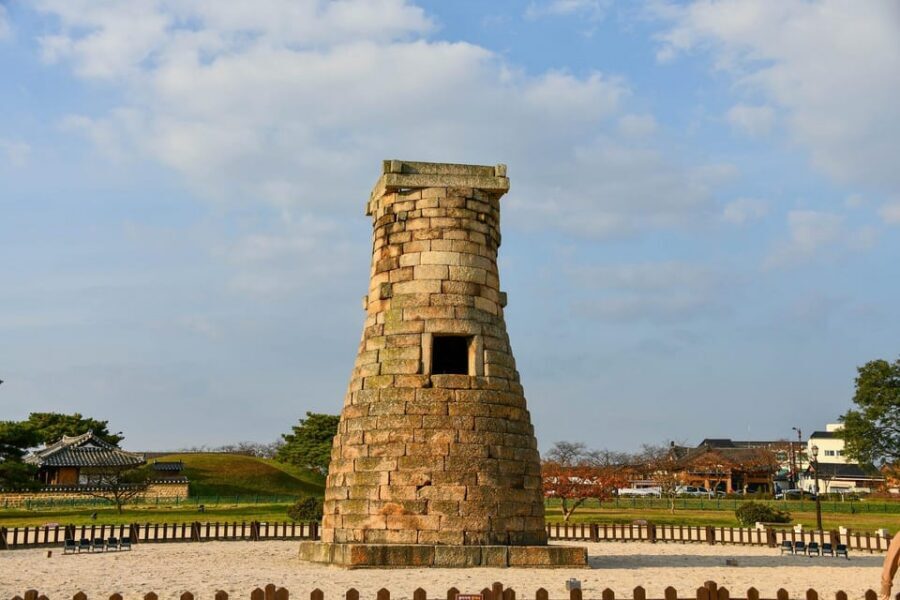
If you like photos after dark, the night plan is a strong choice. The 3-hour night tour focuses on:
- Eupseong
- Woljeonggyo
- Cheomseongdae
- Donggung and Wolji / Anapji
In practice, night tours feel efficient because the lighting creates atmosphere that you don’t have to manufacture with extra time. You’ll also get a more relaxed pacing because many sites are easier to experience in a shorter window.
A key consideration: it’s still sightseeing. If you’re the type who loves sitting and absorbing, you’ll want to keep your expectations flexible. If you’re the type who wants the best photo angles, the night route is made for you.
English support and driver guidance: what you can expect in the real world
This is private transportation, not a formal guided tour with a licensed historian everywhere. The driver support model is built around practical communication.
You have:
- a Korean-speaking driver baseline (with simple English support)
- online English support (translation help during the ride)
- an English-speaking driver option with history explanations, but that option is temporarily deactivated and may be available on request with extra fees
In other words, you’ll likely get enough guidance to navigate, plan order, and understand the basics. If you want a deep English lecture for every monument, you should ask early about what’s available for your dates.
Names matter here because you’ll see why people value this service. Some past drivers were praised for being very accommodating and organized, including Lee, Park, and Jeon Chang Hae. One driver was even noted for taking photos throughout the day, and another was described as going above and beyond with small comforts like snacks and cold water.
Tip: use WhatsApp well
You’re asked to ensure your phone number is available on WhatsApp. After booking, you’ll be contacted via WhatsApp within 24 hours, and you’ll receive details like car plate number in advance. This is the best way to confirm meet points and adjust your day.
No child seat
If you’re traveling with kids, note this service does not provide child seats.
Extra hours, meal timing, and the practical stuff you’ll plan anyway
Need more time? You can add hours in advance or during the tour.
- Sedan taxi: KRW 30,000 per hour
- Van taxi (9 seater): KRW 50,000 per hour
Meals aren’t included. That’s actually helpful if you have dietary needs or strong preferences, because you can tell the driver what you like. If you share your preferred menu, dietary restrictions, or a specific restaurant/cafe, the driver can suggest options. You’ll pay for food directly.
And if you want a specialty swap, there’s room for it. One driver recommendation highlighted Golgulsa Temple for an afternoon martial arts demonstration, described as a highlight. That’s a great example of how the private format can add something you might not find on a standard list.
Who this tour fits best (and who should rethink it)
This tour is ideal if:
- you want maximum sightseeing per day without bus stress
- you’re traveling as a small group (sedan) or with more people (van)
- you care about flexible pacing and quick itinerary changes
- you value helpful local guidance more than classroom-level narration
It might be less ideal if:
- you need a fully English-speaking guide with deep history for every stop
- your group includes passengers who require a child seat (not provided)
- you have luggage that doesn’t fit the stated limits
Also, since pickup is free from KTX Gyeongju Station or any hotel in the Gyeongju area, it’s especially convenient if you’re already based there.
Value check: is $124 per group up to 4 actually a bargain?
At $124 per group up to 4 for a 3–9 hour charter, you’re paying for one thing: a private ride that consolidates transportation plus tolls and parking into one predictable total. That’s value compared to cobbling together multiple taxis, paying for parking repeatedly, and losing time on transit.
If you’re traveling solo, it can still be worth it because you get full control of pacing. But the “best deal” feeling usually comes when you’re splitting cost with a couple of people and you can actually use the extra time to see more than one zone.
The strong indicator is how many people give it top marks for comfort and efficiency. The service is rated highly with a 5-star average and 37 reviews, plus a note that transport performance scored a perfect mark for all reviewers. That doesn’t prove it’s perfect for every day, but it does suggest reliability in practice.
Should you book this Gyeongju private taxi tour?
If you’re aiming for a smooth, efficient Gyeongju day—and you want the freedom to adjust on the spot—then yes, this is a very sensible way to do it. The included tolls, parking, driver, fuel, and insurance make the price feel less like a guess and more like a plan.
I’d book it when you have limited time, want to cover major sites like Bulguksa and Seokguram, and still want room for calmer stops like villages, gardens, or a museum. Just be sure you’re comfortable with the language setup: you’ll get help, but the deep-history English mode may not be available for your dates.
If you want zero logistics headaches and high flexibility, this is one of the easier decisions in South Korea.
FAQ
How long is the Gyeongju private taxi charter?
The duration is flexible from 3 to 9 hours. Starting times depend on availability.
What’s included in the price?
The vehicle (sedan/van/minibus), driver, fuel, toll fees, parking fees, and car insurance are included.
Are admission tickets and meals included?
No. Admission fees and meals and drinks are not included.
What vehicle do I need for 5 to 7 people?
Use the van taxi option (up to 7 passengers). It’s recommended for groups traveling with up to 6 pieces of 24-inch luggage.
Do the drivers speak English?
The driver category is listed as English support, and online English support is provided. The fully English-speaking driver option is temporarily deactivated and may be available on request with extra fees.
Is pickup included?
Yes, free pickup is included from KTX Gyeongju Station or any hotel in the Gyeongju area. Extra charges may apply outside Gyeongju City area.
Is a child seat provided?
No. This service does not provide child seats.
![[Private Tour] Nami Island+Morning calm Garden+Petite France - Nami Island on Namiseom: Ferry In, Then Walk It Like a Local](https://8.koreaadventures.com/wp-content/uploads/private-tour-nami-islandmorning-calm-gardenpetite-france.jpg)