REVIEW · GYEONGJU
Full day Private Gyeongju UNESCO Heritage Tour : a glimpse into Silla
Book on Viator →Operated by Here Korea Travel · Bookable on Viator
Silla’s best hits, packed into one day. This private, 11-hour Gyeongju tour links UNESCO highlights like Bulguksa Temple and Seokguram Grotto with Silla royal tombs, Cheomseongdae-area views, and the Donggung Palace/Wolji Pond complex. You’ll also have time for a Korean lunch stop, and if you choose the Seoul upgrade, the day can include a KTX bullet train ride.
I love the time-saver factor. Instead of figuring out transport between far-flung sites, you get an air-conditioned ride, hotel pickup/dropoff, and an order that keeps the day moving. I also like the human touch: guides such as Mimi, Wookie, Kevin, Min, and William show up again and again in the stories for being patient, flexible, and able to explain what you’re seeing in plain language.
One drawback to consider is the price-for-convenience trade. At about $256.42 per person, you’re paying for a curated day and private guiding, not just tickets. Also, it’s not a sit-on-a-bench tour: there’s a moderate amount of walking and steps, so plan for a legs-first day.
In This Review
- Key highlights I’d circle before you book
- First, what kind of day is this?
- Price and logistics: what you’re really paying for
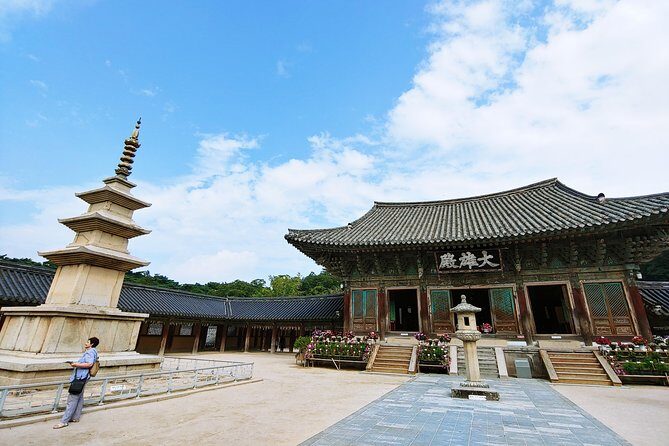
- Bulguksa Temple: UNESCO calm with spring and fall surprises
- Seokguram Grotto: the statue ring inside the cave
- Lunch stop for tteokgalbi: convenient, local, and not a free-for-all
- Shilla Arts and Science Museum: Silla in animated form
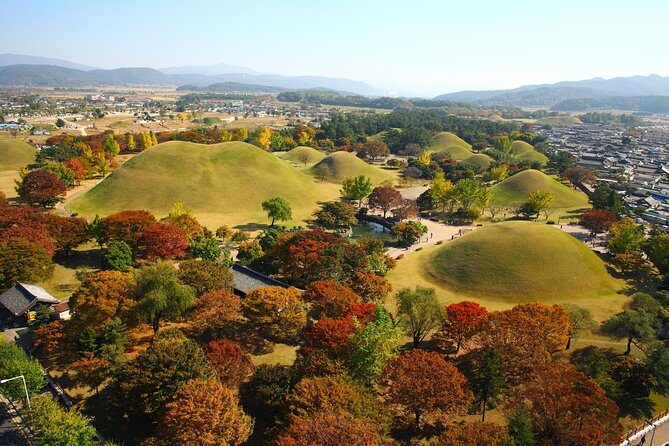
- Daereungwon Tomb Complex and Chemseongdae: royal power meets star-gazing
- Gyeongju Gyochon Traditional Village: hanok streets around Cheomseongdae
- Gyeongju National Museum: free time for relics of Silla
- Donggung Palace and Wolji Pond (Anapji): the pond that wants evening light
- Guides, flexibility, and why a private day feels different
- When this tour is a great fit
- Things to watch so your day stays fun
- Should you book this Gyeongju Silla tour?
- FAQ
- What’s included in the private tour?
- Is lunch included?
- How long is the tour?
- What stops are part of the heritage route?
- Is it really private?
- What if weather is bad?
Key highlights I’d circle before you book
- Bulguksa + Seokguram: UNESCO spiritual sites that pair Buddhist art with real-world views (and seasonal scenery can be part of the fun)
- Royal tomb focus: a short but worthwhile stop at the Daereungwon Tomb Complex, plus nearby star-gazing history
- Chemseongdae Observatory area: you get the Cheomseongdae-side vibe before heading into traditional village streets
- Silla storytelling in different formats: an animated museum film plus outdoor ruins so it doesn’t feel like museum-only sightseeing
- Korean lunch stop built into the flow: tteokgalbi (grilled short rib patties) is part of the plan, with a vegetarian option available
- Private guiding that can bend a bit: multiple guides are praised for adjusting to your pacing and interests
First, what kind of day is this?
This is a private full-day route built around the “Silla glow-up” story: Buddhist sites, royal power, and the science/culture side of ancient life. The format is simple—ride to each stop, see the main sights, then get the context from your guide so the place names don’t stay as place names.
You’ll spend about 11 hours out and about. That usually means one tight lunch window and a schedule that expects you to keep moving. The good news: it’s organized with entrance fees covered, pickup/dropoff arranged, and bottled water on hand—small things that stop the day from feeling like logistics homework.
You can also read our reviews of more private tours in Gyeongju

Price and logistics: what you’re really paying for
At $256.42 per person, the value is less about buying single tickets and more about removing the stress of doing Gyeongju efficiently. You’re paying for a pro guide, an air-conditioned vehicle, and help between sites that aren’t all next door.
Here’s what’s included that affects value:
- professional guide
- air-conditioned vehicle
- entrance fees for the itinerary stops
- bottled water
- hotel pickup and dropoff (with coverage listed for Gyeongju and Busan)
- a KTX bullet train option from Seoul (if you choose the Seoul option)
- mobile ticket
One thing to watch: lunch is marked as not included, even though the day includes a lunch stop (and the plan includes tteokgalbi). So think of lunch as a paid-on-your-own part of the day, with the tour helping you land at a good moment and (if needed) a vegetarian choice.
Bulguksa Temple: UNESCO calm with spring and fall surprises
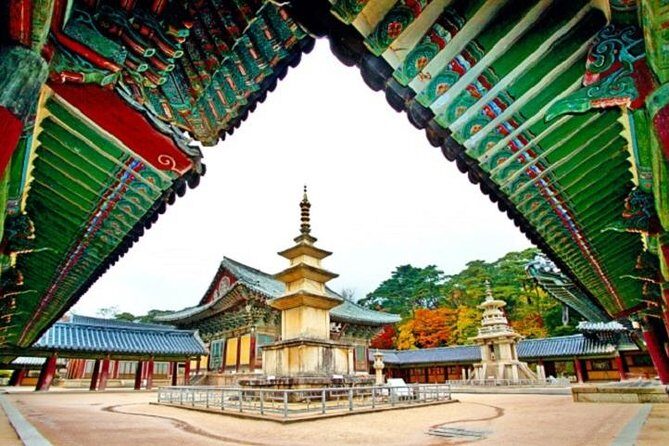
Bulguksa is your first big “wow” stop, and it’s no accident that it’s included. It’s designated as a UNESCO World Heritage site as a masterpiece of Buddhist art in the Far East. Translation: you’re not just seeing a pretty temple. You’re seeing a place that carries real weight in Korea’s cultural map.
You’ll have about an hour here. That’s enough time to orient yourself, take in the main temple areas, and still leave energy for the next sites. If you’re visiting in spring, you may catch blooming cherry blossoms; if you’re there in fall, colorful foliage can turn the grounds into a photo-friendly walk.
Practical note: temples mean stairs and uneven footing. If you’re the type who hates “step counting,” wear grippy shoes and move slowly. Your reward is that calm, focused atmosphere—no sprinting needed if your guide paces you well.
Seokguram Grotto: the statue ring inside the cave
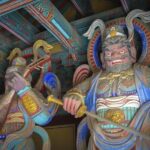
After Bulguksa, you’ll head to Seokguram, another UNESCO hit. Here, the spectacle is the way the sculpted figures frame the space. In the grotto, you can see statues of devas, bodhisattvas, and disciples carved on the surrounding walls.
You’ll get about one hour. This is a great spot for a guide-led approach, because it helps you notice details instead of just admiring the overall cave shape. The walls can feel busy if you’re rushing—slow down and let the explanation do its job.
And yes, this is the kind of place where your camera might get dust on it if you hold it too low. Keep it up, breathe, and enjoy the quiet contrast to the road travel between stops.
Lunch stop for tteokgalbi: convenient, local, and not a free-for-all
Lunch is part of the plan after Seokguram. The meal direction is tteokgalbi (grilled short rib patties), which fits the theme: local food that matches the day’s culture-focused pace.
Still, double-check the billing reality: the tour lists lunch as not included. So I’d budget for your meal separately. The upside is that you’re not left hunting for a place after a long morning—you’re guided to the right moment in the schedule.
Good to know: there’s a vegetarian option available if you advise when booking. If dietary needs matter to you, don’t wait. Send it at the time of reservation so they can plan the right meal.
You can also read our reviews of more historical tours in Gyeongju
Shilla Arts and Science Museum: Silla in animated form
Next comes an indoor stop that breaks up the day: the Shilla Arts and Science Museum. You can watch an animated movie about this thousand-year-old Silla Kingdom, and the show is described as having value on par with a national treasure of Gyeongju.
You’ll have about one hour. This is the part of the day I recommend keeping mentally open. Outside you’re looking at temples and tomb sites; inside, you’re connecting those visuals to the broader story your guide is sharing.
If you’re traveling with teens or anyone who gets bored by pure ruins, this museum film often acts like a reset button. It’s also a nice move when the weather shifts.
Daereungwon Tomb Complex and Chemseongdae: royal power meets star-gazing
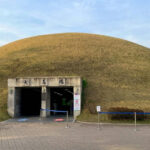
Daereungwon is your royal tomb stop, with large ancient tombs of kings and nobles of the Silla Kingdom. The time here is shorter—about 30 minutes—but it’s the kind of stop where a guide’s framing matters. Without context, tomb complexes can feel like you’re just walking between big grassy areas. With context, you start to see the meaning behind the arrangement.
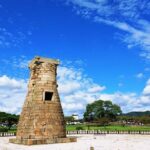
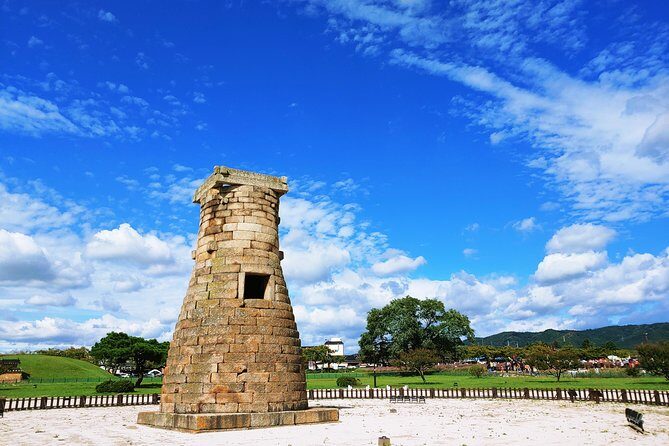
Right nearby is Chemseongdae Observatory, described as the oldest surviving astronomical observatory in Asia. The name means star-gazing tower. This is a smart pairing in the itinerary because it adds an unexpected angle: not just power and religion, but the science and sky-watching side of ancient life.
Wear shoes you trust. Tomb areas can mean more walking than you expect, and observatory zones can be uneven. If you’re sensitive to steps, tell your guide early and they can manage your pace.
Gyeongju Gyochon Traditional Village: hanok streets around Cheomseongdae
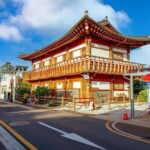
From the tomb complex area, you’ll move into Gyeongju Gyochon Traditional Village, near Chemseongdae. This stop is described as a mix of old historical buildings and newly built hanok at Gyeongju Gyochon Hanok Village.
You’ll have about one hour here, and admission is free. That makes it a nice “breather” stop. You can wander, look at architectural details, and get a sense of how the area mixes preservation with newer traditional-style building.
One practical reason I like this stop: you’re not locked into one building or one fixed viewpoint. It gives your legs a chance to walk at a comfortable pace and lets your eyes relax between the big-ticket UNESCO moments.
Gyeongju National Museum: free time for relics of Silla
The next stop is the Gyeongju National Museum, where you can find relics from the Shilla Kingdom. Admission is listed as free, and you’ll have about one hour.
This is the “make it stick” portion of the day. When you’ve just spent hours looking at temples, carvings, tombs, and pond-area ruins, the museum helps you connect visuals to artifacts. Even if you only skim, you’ll come away with a stronger sense that the places you visited weren’t random—they belong to one long story your guide has been building.
If you’re the kind of person who likes to take one photo and move on, focus on the biggest items you see first. Your guide can steer you toward the best rooms without turning the museum into a marathon.
Donggung Palace and Wolji Pond (Anapji): the pond that wants evening light
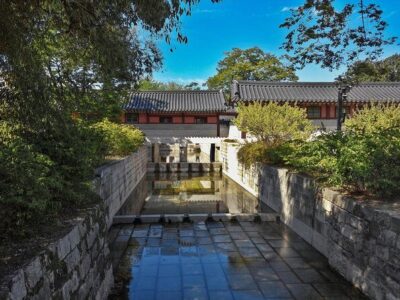
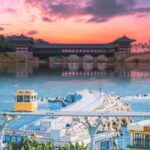
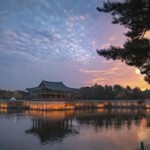
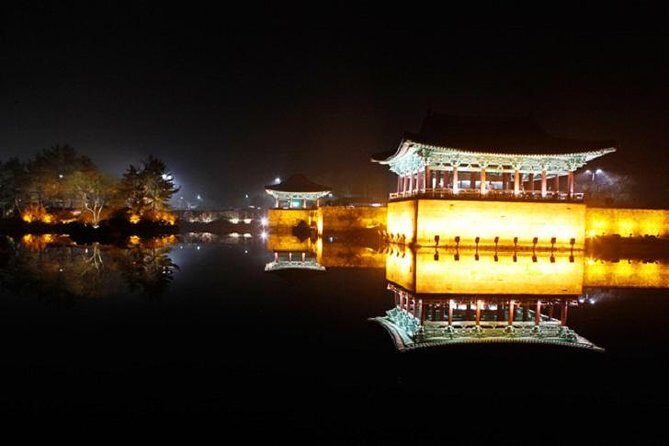
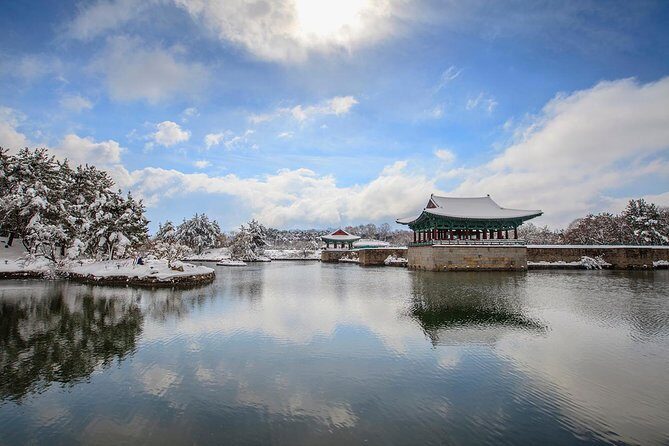
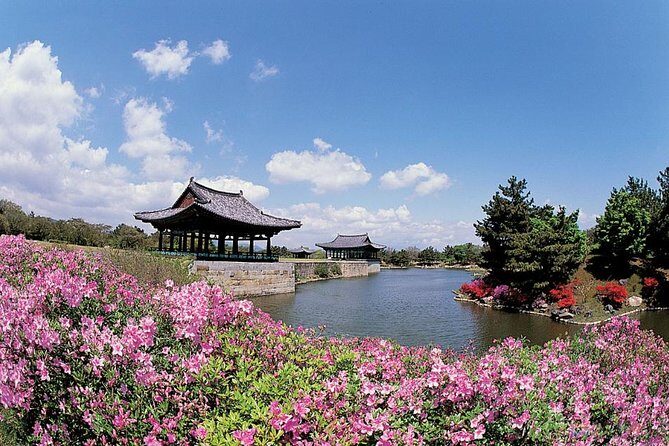
To finish, you’ll go to Donggung Palace and Wolji Pond, also known as Anapji. It’s described as known for the most beautiful nightscape in Gyeongju, and the plan includes about one hour here.
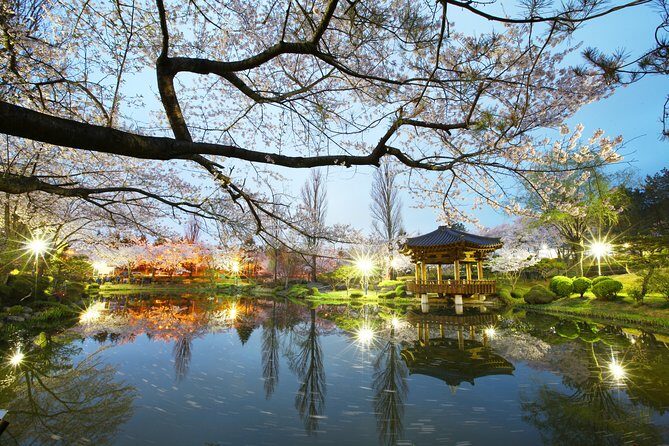
This stop is all about atmosphere. Even if you don’t catch full night lighting, the pond setting changes the feel of the whole day from “hardcore ancient sites” to “ancient place living in water and light.” If your timing works out near evening, that’s when you’ll appreciate why people remember Anapji.
Note on reality: the day ends up being a timing game. Your guide will manage the schedule, but the best night-leaning experience depends on how the day runs.
Guides, flexibility, and why a private day feels different
A big reason this tour earns near-perfect scores is the guide factor. Across the accounts tied to the day, guides like Mimi, Wookie, Kevin, Min, William, and Larry show up as being friendly, professional, and good at adjusting the day.
What “adjusting” looks like in practice:
- matching pacing to your group
- explaining in a way that makes the sites click
- deciding when to add a helpful detour or skip something that won’t land for your interests
- keeping the day organized even when weather isn’t cooperating
You’ll also get that private-tour advantage: it’s only your group, so you aren’t stuck with a loud cluster that moves like a train. If you ask questions, your guide can actually answer instead of speaking over the rest of the group.
When this tour is a great fit
This tour works especially well if you:
- want the top Gyeongju Silla sights in one efficient day
- prefer a guide to interpret what you see, especially at Seokguram and the tomb areas
- like a mix of outdoor heritage + one indoor cultural break (the museum film helps)
- want convenience with pickup and transport between sites
- plan around weather and don’t mind a schedule that expects some stairs
It also works for first-timers who don’t want to stress over navigating Gyeongju on their own. One theme that comes through is the comfort of not driving or searching for viewpoints while juggling timing.
Things to watch so your day stays fun
Keep these in mind before you decide:
- Walking and steps: expect some, especially at temples and grotto areas. Bring shoes you can trust.
- Lunch is extra: budget for your meal, even though lunch is part of the day flow.
- Good-weather requirement: the experience notes that it needs good weather. If conditions aren’t right, plans may shift.
- One-day limits: this is a “big hits” day. If you want deep, unhurried exploration of every site, you’ll need another day in Gyeongju later.
None of this is a dealbreaker. It’s just the honest trade: you’re buying structure and convenience.
Should you book this Gyeongju Silla tour?
I’d recommend booking if your priority is a guided, efficient first visit to Gyeongju’s UNESCO and Silla-centered highlights. The private format, entrance fees handled, and the guide explanations make the day feel more meaningful than a self-guided checklist.
I’d hesitate only if you have very limited mobility, dislike structured schedules, or feel uncomfortable with a full day of walking and steps. In that case, you might prefer a slower-paced plan with fewer sites.
If you’re visiting Gyeongju for a limited time and want your photos and your understanding to match, this is one of the cleaner ways to do it.
FAQ
What’s included in the private tour?
The tour includes an air-conditioned vehicle, a professional guide, entrance fees for the itinerary stops, bottled water, and hotel pickup and dropoff in Gyeongju and Busan. If you choose the Seoul option, it also includes the KTX bullet train from Seoul. You’ll receive a mobile ticket.
Is lunch included?
Lunch is listed as not included. The plan includes a lunch stop, with tteokgalbi mentioned, and you can request a vegetarian option when booking.
How long is the tour?
The tour lasts about 11 hours.
What stops are part of the heritage route?
The day includes Bulguksa Temple, Seokguram Grotto, the Shilla Arts and Science Museum, the Daereungwon Tomb Complex (with Chemseongdae Observatory nearby), Gyeongju Gyochon Traditional Village, the Gyeongju National Museum, and Donggung Palace and Wolji Pond (Anapji).
Is it really private?
Yes. It’s a private tour/activity, meaning only your group participates.
What if weather is bad?
The experience requires good weather. If it’s canceled due to poor weather, you’ll be offered a different date or a full refund.