REVIEW · SEOUL
Seoul: UNESCO Heritage Palace, Shrine, and More Tour
Book on GetYourGuide →Operated by I LOVE SEOUL TOUR Co., Ltd. · Bookable on GetYourGuide
Royal Korea starts with two UNESCO stops. This guided day strings together Changdeokgung Palace and Jongmyo Shrine with a clean plan for seeing more without getting lost. I also like that it mixes big-ticket history with fun street-and-culture time in neighborhoods that feel very Korean.
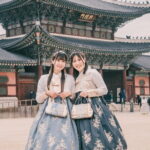
What I really enjoy is the way the guide keeps things friendly and practical, not stiff. In feedback tied to this tour, guides like KyungAh Park (Chloe) and Leo are singled out for warm welcomes, smart historical context, and helping with small travel wins like hanbok shop pointers and photo-taking help.
One thing to consider: the time at each stop is intentionally short (for example, around 50 minutes for Bukchon and 40 for Jongmyo), so if you want long, slow wandering, you may feel a bit time-pressed.
In This Review
- Key things to know before you go
- UNESCO Changdeokgung and Jongmyo: why this pairing works
- Bukchon Hanok Village (and the Sunday switch to Namsangol)
- Jongmyo Royal Shrine: ancestral rites you can actually picture
- Changdeokgung Palace: harmonious design and garden time
- Cheongha Korea Ginseng: quick learning plus a shopping window
- The real value: a guide, entrances, and van transfer for one price
- Timing, duration, and what you’ll feel on the day
- Full-day option: Suwon Hwaseong Fortress and Haenggung Palace
- Where you start and where you end
- Small but important rules
- Who this tour suits best (and who might want a different plan)
- Should you book this Seoul UNESCO Palace, Shrine, and More Tour?
- FAQ
- How long is the Seoul UNESCO Heritage Palace, Shrine, and More Tour?
- What are the main UNESCO sites included?
- Where do I meet the group?
- What happens on Sundays for Bukchon Hanok Village?
- What happens on Tuesdays for Jongmyo Shrine?
- What happens on Mondays for Changdeokgung Palace?
- Is lunch included?
- What’s included in the price?
- Is hotel pickup or drop-off included?
- Is the tour wheelchair accessible?
Key things to know before you go
- Weekday substitutions keep the route working if a site is closed
- UNESCO priority: Changdeokgung plus Jongmyo, with swaps on certain days
- Bukchon Hanok Village timing: Sundays switch to Namsangol
- Photo-friendly pacing with guide help for quick shots
- Ginseng stop adds context plus shopping time
- Optional full-day Suwon add-on for fortress history beyond Seoul
UNESCO Changdeokgung and Jongmyo: why this pairing works
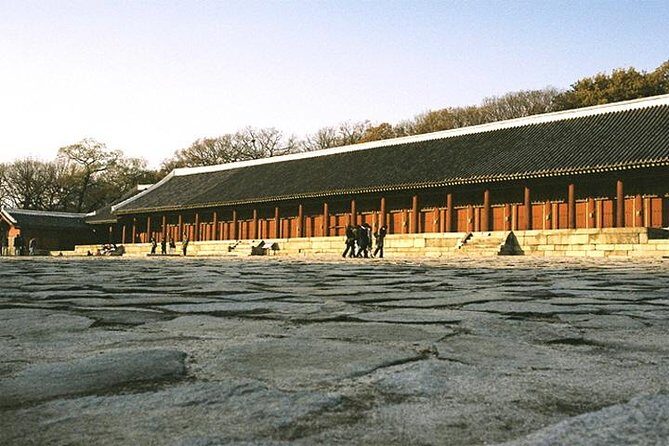
This tour is built around two UNESCO World Heritage sites that basically define Seoul’s royal and ancestral heritage. Jongmyo Shrine is tied to memorial rites for royal ancestors, while Changdeokgung Palace shows how kings lived inside a palace designed to fit the land. Seeing them in one guided stretch helps you connect the themes: ancestors and rituals first, then day-to-day power and court life.
I like that the tour doesn’t just say Look and move on. A good guide makes a difference at places like these, where the story is hidden in details. You get that context in a way that’s easy to follow, even when the site layout can feel maze-like.
You can also read our reviews of more historical tours in Seoul
Bukchon Hanok Village (and the Sunday switch to Namsangol)
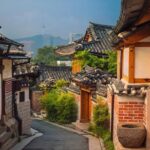
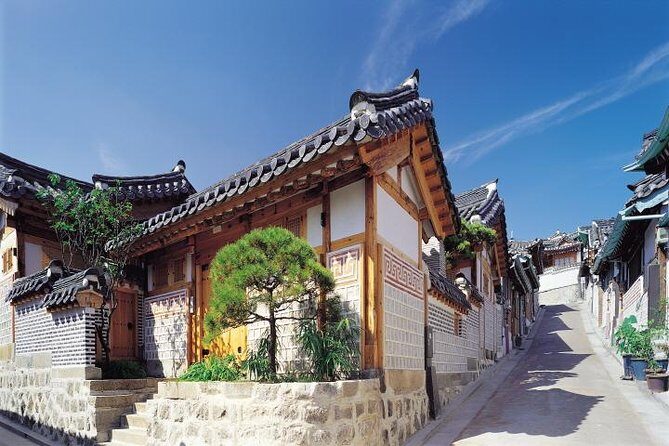
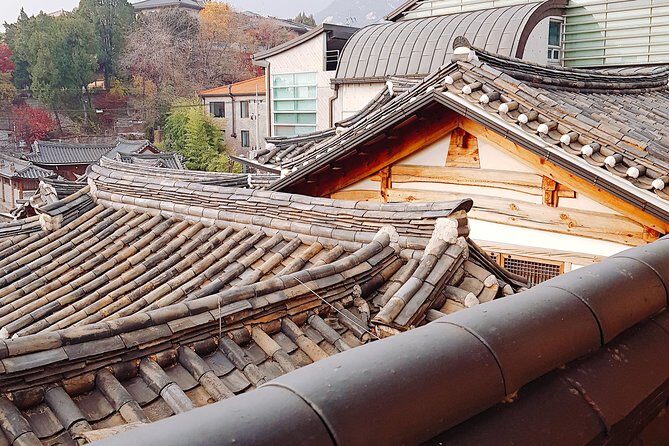
The day starts by heading to Bukchon Hanok Village, where traditional Korean-style houses (hanok) have been preserved and repurposed into cafés and cultural spots. This stop is a strong “first look” at the feel of old Seoul. You’re also positioned for photos, because the clustered rooftops and narrow lanes are exactly what you’re picturing when you think hanok.
Important weekday rule: from November 1, 2024, Bukchon Hanok Village is not available on Sundays. On Sundays, the itinerary switches to Namsangol Hanok Village instead. The trade-off is simple: same theme (hanok streets), different location.
Practical tip: wear shoes that handle uneven stone and crowded walkways. Even with guided timing, you’ll likely want to pause for photos at several corners.
Jongmyo Royal Shrine: ancestral rites you can actually picture
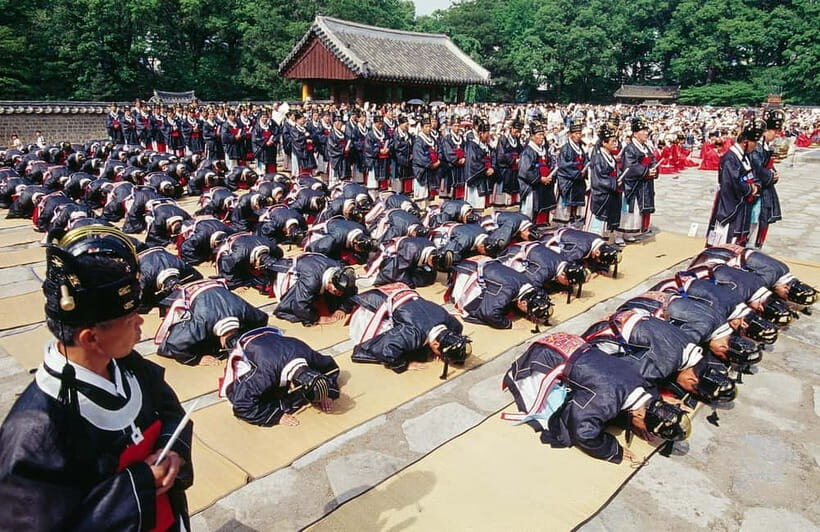
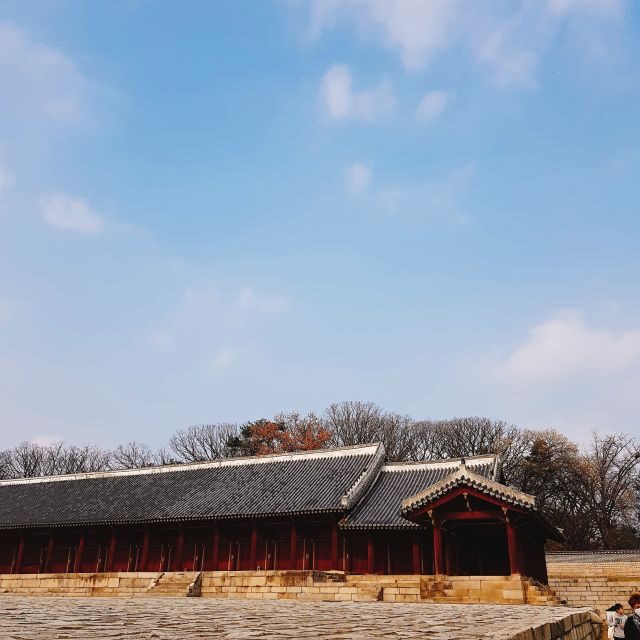
Next up is Jongmyo Royal Shrine, built nearly 600 years ago as a sacred space for royal ancestral rites. The big idea here is that kings visited the shrine to pay respects to past monarchs, which means it’s not just an empty monument. It’s a living concept tied to ceremony.
The shrine is also recognized as a UNESCO site, and it can host traditional memorial services and music performances. Even if your day doesn’t match a specific event, you’ll come away with a clearer sense of why the architecture and ritual space matter.
One more weekday rule: Jongmyo is closed on Tuesdays, and that stop is replaced with Insa-dong Culture Street. If your trip lands on a Tuesday, you still get culture time, just with a different vibe: less shrine space, more old-town street atmosphere.
Changdeokgung Palace: harmonious design and garden time
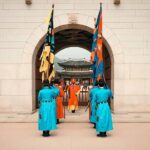
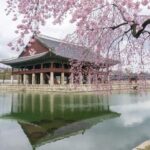
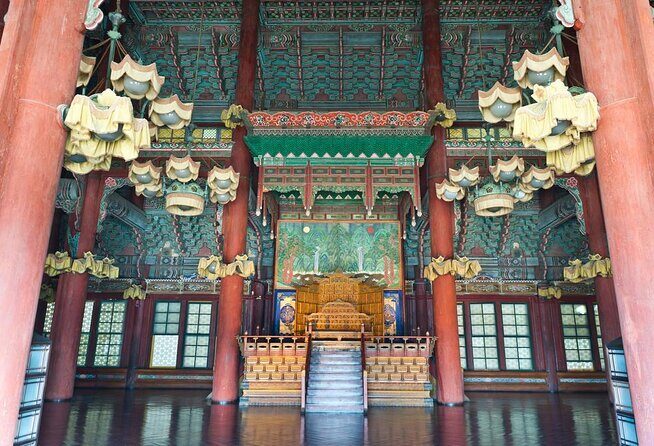
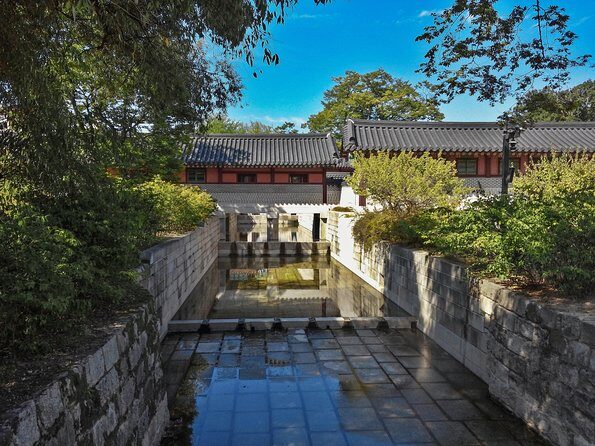
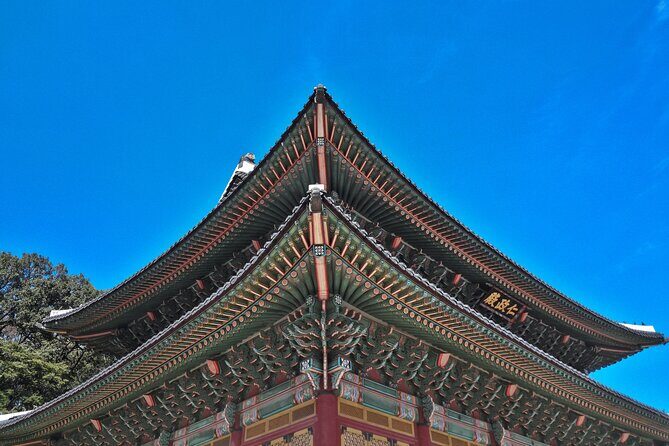
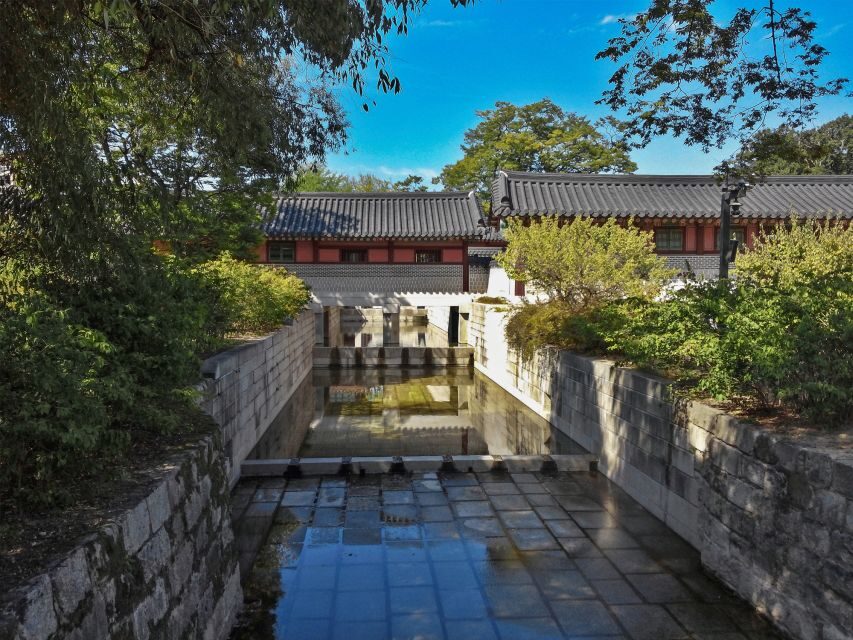
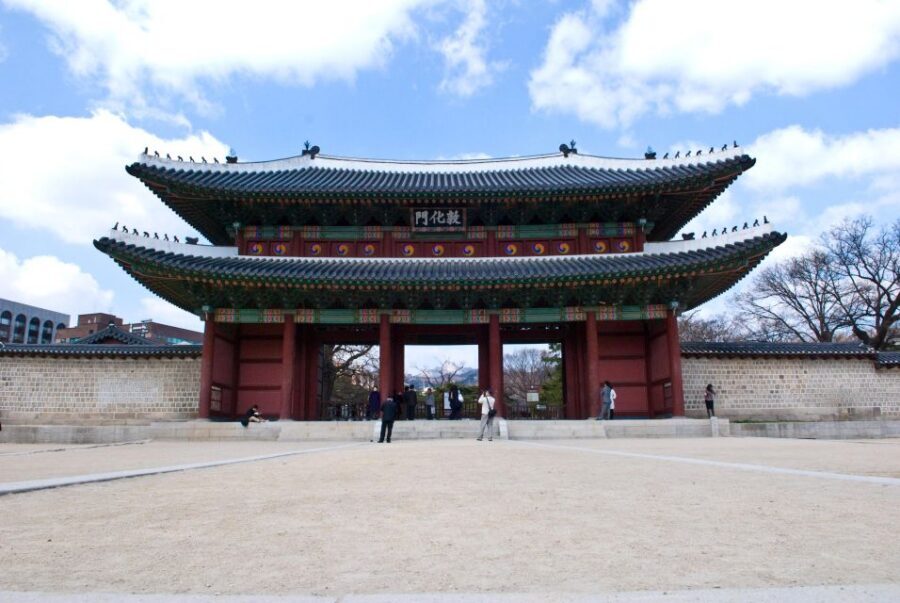
Then you reach Changdeokgung Palace, another UNESCO site with a history tied to the royal residence. This is the palace known for harmonious design and landscaped gardens that follow traditional Korean aesthetics. It’s the kind of place where looking closely pays off, but you don’t need to be a palace scholar to enjoy it.
If you’re wondering about substitutions: on Mondays, Changdeokgung Palace is replaced by Gyeongbokgung Palace. Same royal theme, different palace.
Practical tip: gardens look best when light hits them at an angle. If your starting time is later in the day, the scene can look totally different than morning photos—so if you care about pictures, plan to take a few during the best light, not just at the first stop.
Cheongha Korea Ginseng: quick learning plus a shopping window
After the palace and shrine portion, the route usually includes a Korean Ginseng Museum stop tied to Cheongha Korea Ginseng. You’ll get a short educational introduction to why ginseng is valued in East Asian medicine, including notes like its long documentation history and its role as a stress and well-being aid.
What matters for your plan is the format: you get learning time plus shopping (around 30 minutes). If you want to buy something, this is your window. If you don’t, treat it like a cultural detour: learn the basics, then move on when the shop time is up.
Quick sanity check: since it’s part shopping, have a budget in mind before you walk in. That keeps it fun instead of stressful.

The real value: a guide, entrances, and van transfer for one price
At $36 per person, this tour isn’t just about standing in line at UNESCO sites. The price includes entrance fees, a professional English-speaking guide, and van transfer and driver. For many people, that combo is the whole point: fewer logistics headaches and less time figuring out routes and ticket rules.
It also helps that the guide experience is a big part of the feedback. Guides such as KyungAh Park (Chloe) and Leo are praised for friendly handling, quick assistance with practical needs, and photo-taking support. When you’re bouncing between multiple historic spaces, someone who keeps the timing smooth is genuinely worth it.
Timing, duration, and what you’ll feel on the day
The tour runs 4 to 8 hours, depending on the option and starting time. That range matters because it affects how much of Seoul you’ll feel you actually lived in versus visited.
For many half-day schedules, you’ll move through the core UNESCO trio plus the ginseng stop, then head toward the finish area. For a full-day option, the tour adds the bigger day-long excursion.
The pacing is designed so you see the key sites without needing to rearrange your whole itinerary around transport and ticket planning. Just know this is still a structured schedule, so you won’t get unlimited roaming time inside each major stop.
Full-day option: Suwon Hwaseong Fortress and Haenggung Palace
If you choose the longer option, the tour continues after the main Seoul stops with a trip to Suwon in Gyeonggi-do Province. Here you’ll visit Suwon Hwaseong Fortress and Hwaseong Haenggung Palace. This is a great extension if you like royal history that isn’t limited to the center of Seoul.
After the full day, the tour returns to Seoul. The drop-off point is typically Myeongdong, which is handy because it’s packed with food and shopping choices that make it easy to finish your day.
Meal note: a lunch break is provided on the full-day tour, but the meal is at your own expense.
Where you start and where you end
Meeting points can vary based on the option. One listed start option is KOREANA HOTEL at Myeongdong Station Exit 10. Ending is typically tied to returning you to the broader Myeongdong area, with Myeongdong called out as the finish/drop-off location.
What’s not included: pickup and hotel drop-off. So plan to meet the group yourself at the designated point.
Also, the exact meeting time and location are confirmed by the local partner by email, so check your spam folder too.
Small but important rules
This is a straightforward history-and-culture tour, with clear boundaries:
- No alcohol or drugs
- Rain or shine means you should bring a light rain layer and plan for wet sidewalks
- It’s not suitable for wheelchair users
If you’re sensitive to weather or long walking stretches, it’s worth wearing breathable layers and bringing a compact umbrella or rain poncho.
Who this tour suits best (and who might want a different plan)
You’ll likely love this tour if you:
- want UNESCO highlights with a guide who makes the stories make sense
- prefer van transfers over figuring out buses and subways between far-flung stops
- like having a photo-friendly plan, not just random wandering
- want a structured day that still leaves you energy for dinner afterward
You might want to consider something else if you’re the type who likes to linger for hours in one place. The guided windows are limited, and that’s the trade-off for seeing more in one day.
Should you book this Seoul UNESCO Palace, Shrine, and More Tour?
Yes, if you want an efficient, guided hit of royal Seoul: Jongmyo for ritual ancestry, Changdeokgung (or Gyeongbokgung on Mondays) for palace design and gardens, plus Bukchon hanok streets (or Namsangol on Sundays) and a ginseng stop with learning and shopping time.
If your ideal day is slow, do-it-yourself, and heavy on free time, then the fixed schedule may feel limiting. But if you’d rather spend your effort on learning and photos instead of navigation, this tour is strong value for the price—especially because entrance fees and transport are included.
FAQ
How long is the Seoul UNESCO Heritage Palace, Shrine, and More Tour?
It runs 4 to 8 hours, depending on the option and starting time.
What are the main UNESCO sites included?
The tour centers on Changdeokgung Palace and Jongmyo Shrine.
Where do I meet the group?
A listed option is KOREANA HOTEL, Myeongdong Station Exit 10. Meeting points can vary by the option booked, and the exact details are emailed by the local partner.
What happens on Sundays for Bukchon Hanok Village?
Bukchon Hanok Village is prohibited on Sundays from November 1, 2024. On Sundays, the itinerary visits Namsangol Hanok Village instead.
What happens on Tuesdays for Jongmyo Shrine?
Jongmyo Shrine is closed on Tuesdays, and that stop is replaced with a visit to Insa-dong Culture Street.
What happens on Mondays for Changdeokgung Palace?
On Mondays, Changdeokgung Palace is replaced by Gyeongbokgung Palace.
Is lunch included?
A lunch break is provided on the full-day option, but meals are at your own expense.
What’s included in the price?
The tour includes entrance fees, a professional guide, and van transfer and driver.
Is hotel pickup or drop-off included?
Pickup and hotel drop-off are not included. The tour ends around Myeongdong as listed, depending on the option.
Is the tour wheelchair accessible?
No. It is not suitable for wheelchair users.