REVIEW · SEOUL
Seoul: City Highlights and Historical Experience No Shopping
Book on Viator →Operated by TRIPPER KOREA · Bookable on Viator
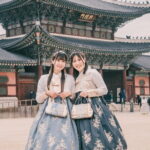
Hanbok photos in front of Seoul palaces are pure movie magic. This small-group walk (max 15 people) strings together Gyeongbokgung Palace, Bukchon Hanok Village, and classic neighborhood stops, with free entry included and optional traditional hanbok dress-up.
I especially like that you get included admission to the key sights instead of playing ticket-hunting roulette, and you also get a local snack break plus bottled water. The one real drawback to plan around: the hanbok fitting at the start can create waiting time, which has thrown off timing for some people.
In This Review
- Key things I’d plan for
- A half-day route that hits Gyeongbokgung and Bukchon fast
- Hanbok at the start: fun dress-up, timing you must respect
- Entering Gyeongbokgung Palace in period costume
- The paid stops: included tickets make the day feel effortless
- Samcheongdong snack break and Bukchon-style neighborhood transitions
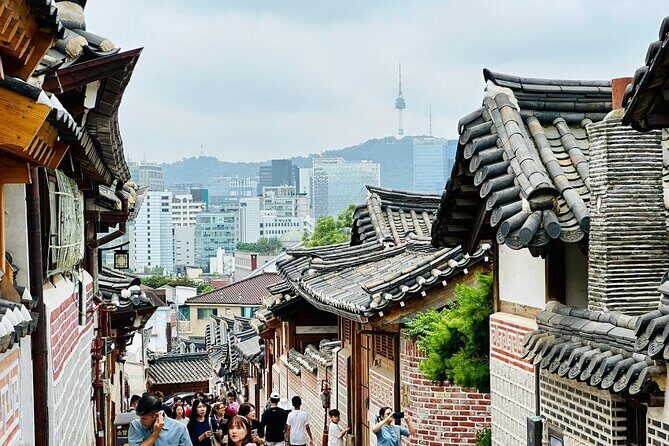
- Bukchon Hanok Village and Baek In-je’s House: traditional homes and film-famous streets
- Guides make or break the pace: names I’d look for
- Price and value: why $49 can actually be a bargain
- Weather reality: rain and heat change the hanbok experience
- Ending in Insadong: your next move is food
- Who should book this Seoul highlights tour
- Should you book this tour?
- FAQ
- How long is the Seoul city highlights tour?
- What group size should I expect?
- Are entrance fees included?
- Do I have to wear hanbok?
- Where does the tour start and end?
- Will the tour run in rain or snow?
- Is food and water included?
Key things I’d plan for
- Free entry where it matters (palace and other paid stops) so your half day stays focused
- Hanbok dress-up at the palace for period-photos that actually look like you’re in a drama
- Gyeongbokgung + Bukchon back-to-back so you see both power and neighborhood life
- A photo-led Bukchon walk along Hanok Street used in filming
- Snacks and water included to keep energy steady on uneven sidewalks
- Ends in Insadong so lunch and browsing come right after
A half-day route that hits Gyeongbokgung and Bukchon fast
This is a tight, well-paced Seoul highlights walk designed for people who want the big sights without surrendering a full day. You’ll spend time in Gyeongbokgung Palace area, then continue into the Bukchon Hanok Village zone, with a short cultural break along the way.
The overall flow is simple: start with hanbok (optional), step into Joseon-era atmosphere at Gyeongbokgung, then walk through traditional streets and houses in Bukchon before the tour finishes in Insadong. It’s a smart first-trip plan because these areas are close enough to string together, but different enough that the day doesn’t feel repetitive.
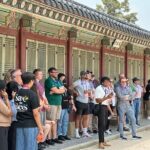
Also, the group size is a real quality lever here. With up to 15 people, you usually get more guide attention than you would on big bus tours, and it’s easier to keep your place while walking.
You can also read our reviews of more city tours in Seoul
Hanbok at the start: fun dress-up, timing you must respect
Your tour begins at Flash Coffee (Gyeongbokgung Branch), 127-6 Sajik-ro, Jongno District. From there, you head to a hanbok rental spot first. Even though it’s not a shopping stop, the dress-up step is the pivot point of your schedule.
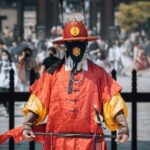
Here’s what you need to know: hanbok fitting can take time. Some participants reported a long wait to get dressed, and in at least one case it caused them to miss the changing of the guard at the palace. So if your top goal is catching a specific palace ceremony, show up with patience in your bag. Think of that first step as part of the experience, not a quick photo-op.
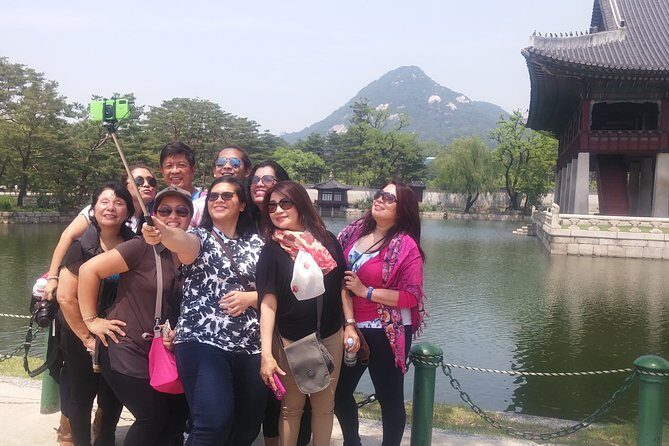
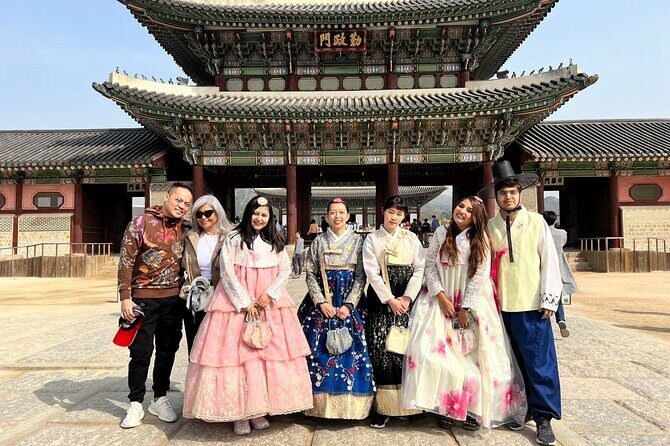
On the upside, the hanbok experience is often the part people talk about most. Wearing hanbok through the palace grounds turns the photos into something special. Guides like Gina and Pearl are singled out in reviews for getting people set up smoothly and then taking group photos so you’re not constantly hunting for your own angles.
My practical advice: wear comfortable clothing you can layer under hanbok, and wear shoes that can handle lots of walking. If you’re not keen on hanbok for comfort reasons, the tour operates with both hanbok and no-hanbok options (you just need to consider how timing can change depending on the group split).
Entering Gyeongbokgung Palace in period costume
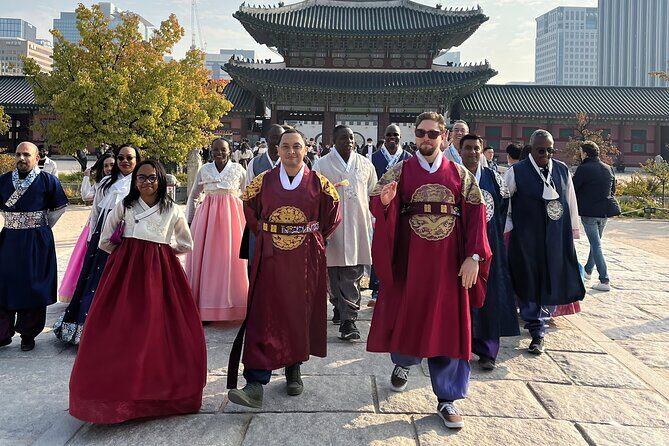
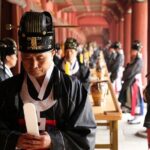
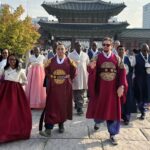
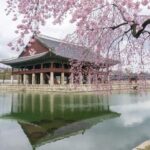
Once you’re in the palace area, the day shifts into the Joseon vibe. You enter Gyeongbokgung Palace while dressed as a person of the Joseon Dynasty, which is why this tour feels different from a standard palace visit. It’s not only about seeing buildings—it’s about seeing them in the right mood.
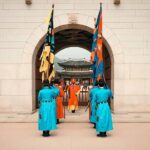
Gyeongbokgung is famous for a reason. The scale, courtyards, and palace architecture create that big “this was the seat of power” feeling fast. On guided days, you also get context to help you connect what you’re looking at: how the palace was laid out, what key areas represent, and why the design matters.
One recurring praise from reviews: guides keep things organized and moving while still giving time for photos. People mention guides staying punctual and leading a brisk route that still hits the major sights. Names that come up include Sheen, J, Pearl, Jade, and Gina, each credited for clear explanations and keeping the group on track.
Two honest notes to balance the excitement:
- If your priority is deep, slow museum-level interpretation, a half-day format means the focus can tilt toward experience and photo moments.
- English quality can vary by guide. One review praised the guide overall but noted English wasn’t always easy to follow during history explanations. If history detail is your main goal, ask questions early so you don’t miss what you came for.
The paid stops: included tickets make the day feel effortless
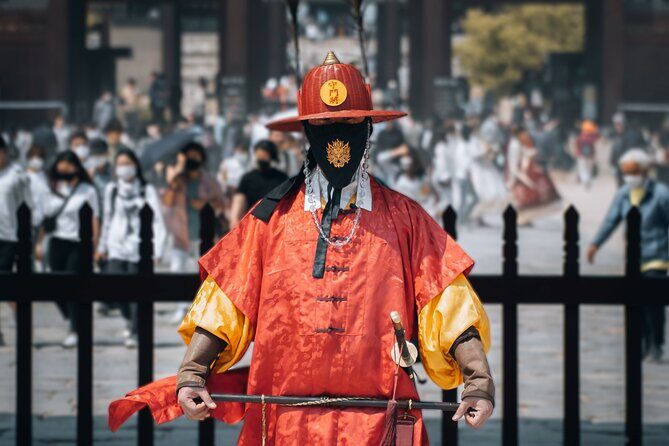
A big value point here is that entrance fees are handled for you. The tour includes admissions to the paid attractions you visit, and the itinerary also includes stops where entry is free.
In practical terms, that means fewer distractions on your walking day. You don’t need to check ticket counters mid-flow, and you’re less likely to lose time to lines. For a half-day tour, saving even 20–30 minutes can be the difference between seeing the highlights and feeling rushed.
The palace stop is included, and so is Baek In-je’s House later in Bukchon. The tour description also mentions the National Palace Museum of Korea as part of the overall experience, so you’re not only seeing buildings from the outside—you have a pathway into museum context too.
If you’re comparing on your own, the math often looks better with a guide because you’re paying for two things at once:
1) entry fees you’d otherwise buy separately, and
2) someone to help you translate what you’re seeing into meaning.
Samcheongdong snack break and Bukchon-style neighborhood transitions
Between major sights, you get a short neighborhood segment that changes the pace. As you head toward the next stops, you’ll pause for a light Korean-style snack, described as seasonal—cooler in summer and warmer in winter.
This matters more than it sounds. Palace days can turn into a sweat-and-snack drought if you don’t plan for energy. That snack break helps you keep walking without feeling stuck in a long sit-down meal.
This stop also helps you shift from grand palace scale into the finer, street-level details that make Bukchon special. You’re moving from monumental “state power” spaces into the everyday geography of Seoul, where small streets, walls, and building shapes start to tell the story.
You can also read our reviews of more historical tours in Seoul
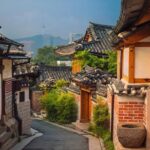
Bukchon Hanok Village and Baek In-je’s House: traditional homes and film-famous streets
Bukchon Hanok Village is where Seoul turns slow and architectural. You’ll visit Hanok Street, which has been used as a filming location for dramas and movies. It’s the kind of place where you start noticing roof lines, courtyards, and how people move through narrow lanes.
A key feature here: there’s a professional photo guide who helps you get good photos. That’s a real time-saver. Instead of everyone taking one shaky selfie and moving on, you get help with composition and positioning, and you can actually enjoy the moment.
Then comes Baek In-je’s House in Gahoe-dong. This is a hanok built during the Japanese administration period that shows modern hanok features. You get a different layer of understanding here: not just old-versus-new, but how traditional architecture evolved under changing pressures.
One review also mentioned that Bukchon includes residential homes and that the group was asked to keep talking to a minimum. That’s a nice reminder that you’re not only walking through a set—you’re passing through a living neighborhood environment, even if you’re there with camera in hand.
Heads-up for comfort: this part involves walking on uneven ground and through tighter spaces. Wear shoes you’d trust on long city walks.
Guides make or break the pace: names I’d look for
This tour lives or dies by the guide’s rhythm. With a half-day schedule, good guidance helps you:
- stay on time,
- hear the key context, and
- still enjoy the photos.
The reviews include several guides with standout mentions:
- Sheen for excellent Gyeongbokgung history and architecture overview
- Pearl for being informative and organized, plus helping with pictures
- Gina for detailed explanations and photographer-style picture help
- Jade for communication and steady pacing even in bad weather
- Helena for considering temperatures and keeping the group comfortable
There are also more mixed notes you should respect. Some reviews complained about insufficient history depth in certain areas, and others pointed out disorganization or delays tied to hanbok fitting. Those issues can happen when a group’s timing gets disrupted at the beginning.
So if you want maximum value from the guide component, arrive early enough to reduce stress, and be clear about what matters most to you: photos, history, museum time, or the changing of the guard moment.
Price and value: why $49 can actually be a bargain
At $49 per person for about 4 hours, the value depends on what you care about. If you’re the type who wants to hit palace + hanok areas and you’d have to buy tickets anyway, this price can make sense quickly.
The tour bundles:
- guide service,
- included entrance fees for the attractions you visit,
- bottled water and snacks, and
- hanbok dress-up as an optional add-on experience (not a mandatory surcharge you’ll be stuck with).
You’re also paying for time management. Even when everything goes right, palace-and-village areas can eat hours. A guide helps you avoid wandering, guessing where to go next, and losing momentum.
My bottom line on value: this is best for travelers who want a guided route with major-site access and a cultural add-on experience (hanbok), not for people who want to self-tour slowly with zero structure.
Weather reality: rain and heat change the hanbok experience
This tour runs even in rain or snow. You’ll still go unless weather makes it completely impossible, in which case the group is contacted.
That’s great for flexibility, but it also means you should think about how hanbok works in weather. One review described rain making it hard to walk and take photos, and wet clothes and shoes were an issue. Another mentioned intense heat where hanbok became uncomfortable, and ongoing renovations reduced some of the historical charm they expected to feel.
On the positive side, other reviews showed it can still work beautifully in winter rain and cold, thanks to guides who handled conditions thoughtfully. The key is that the experience becomes more physically challenging when it’s wet or hot.
Practical packing suggestions (based on what these tours tend to feel like):
- Bring water-resistant outer layers if you’re going in rainy months.
- Wear shoes that you don’t mind getting splashed.
- If it’s hot, plan for shade and hydration, even if the day already includes water and a snack.
Ending in Insadong: your next move is food
The tour finishes in Insadong (Insa-dong, Jongno District), a street known for culture and food. This is a helpful design choice. You’re not stuck commuting across Seoul right after a long walk.
It’s a good moment to reset and eat. One review specifically mentioned a guide recommending a place for samgyetang, a comforting choice after time in the palace zone and Bukchon lanes.
Even if you’re not chasing a specific restaurant, you’ll likely appreciate being dropped into a neighborhood where you can casually keep exploring and grab lunch without navigating a complicated route.
Who should book this Seoul highlights tour
This is a great fit if:
- you want a first-day Seoul plan that covers palace + hanok areas,
- you like guided context but don’t want a full-day commitment,
- you’re excited about trying hanbok for the palace walk, and
- you prefer a small group (max 15) over a crowded experience.
It’s less ideal if:
- you only want the deepest museum-style explanations and zero photo-first pacing,
- you hate waiting for dressing, because timing at the hanbok stop can affect the rest of the day, or
- you’re going at a time when heavy rain or extreme heat would make hanbok genuinely uncomfortable for you.
Should you book this tour?
I’d say yes if your goal is a high-value half day with major sights, included admissions, and a hanbok moment that makes the palace feel alive. The guide-led photo help in Bukchon and the chance to walk Gyeongbokgung in costume are real reasons this tour gets a 4.8 rating and strong recommendation percentage.
I’d also say book strategically:
- If you care most about a specific ceremony timing at the palace, try to choose a date/time where you’re unlikely to be stuck by long hanbok fitting lines.
- If weather is rough, plan for comfort first, not just photos.
If you want an easy, structured way to connect Seoul’s royal history with its residential traditions in one afternoon, this is a solid pick. Just treat the hanbok start as the part of the day that needs the most patience, and you’ll get the payoff.
FAQ
How long is the Seoul city highlights tour?
It lasts about 4 hours.
What group size should I expect?
The tour has a maximum of 15 travelers.
Are entrance fees included?
Yes. Entrance fees for the attractions you visit are included.
Do I have to wear hanbok?
No. Hanbok rental is listed as optional, and there is also a no-hanbok option.
Where does the tour start and end?
It starts at Flash Coffee (Gyeongbokgung Branch) in Jongno District and ends in Insadong, also in Jongno District.
Will the tour run in rain or snow?
It operates as scheduled even in rain or snow. You’ll only be contacted separately if weather makes it completely impossible to proceed.
Is food and water included?
Yes. You get bottled water and a local snack during the tour.