REVIEW · SEOUL
From Seoul: DMZ The 2nd Tunnel and Suspension Bridge Tour
Book on GetYourGuide →Operated by I LOVE SEOUL TOUR Co., Ltd. · Bookable on GetYourGuide
The DMZ day tour is short on fluff. It’s long on real-world history, guided by people who explain what you’re seeing at Cheorwon Peace Observatory and inside Second Infiltration Tunnel.
I especially like the hands-on scale of the tunnel visit and the chance to see across the border using telescopes.
One thing to keep in mind: it’s a 10–11 hour day, and you’ll walk and stand at multiple stops, so it can feel like a full-on trek.
In This Review
- Key things to know before you go
- From Seoul to the DMZ: the long day starts at Myeong-dong
- Second Infiltration Tunnel: the walk you can’t forget
- Cheorwon Peace Observatory: telescopes, distance, and real tension
- Hantangang Geopark and the Sky Bridge feeling: nature with a border twist
- Woljeong-ri and the Migratory Bird Sanctuary: a nature break that stays meaningful
- Former Korean Workers’ Party Headquarters: a short stop with heavy gravity
- Lunch break near the 2nd tunnel area: plan for your own food
- Transfers, group style, and what a good guide actually does
- Who should book this DMZ tour from Seoul (and who should think twice)
- Price and value: what $67 includes (and why it can be a fair deal)
- Should you book? My practical take
- FAQ
- How long is the DMZ 2nd Tunnel and Suspension Bridge tour?
- Where is the meeting point in Seoul?
- Is lunch included in the price?
- What sites are included in the tour?
- Do I need an ID to join?
- What languages are the guides?
- Is hotel pickup available?
- Is the tour wheelchair accessible?
- Who might not be able to join this tour?
Key things to know before you go
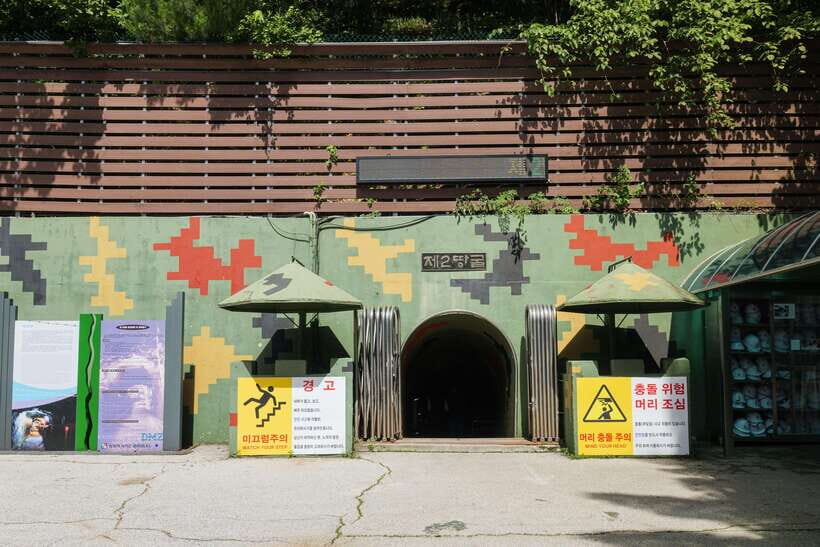
- Two guided experiences anchor the day: Second Infiltration Tunnel (about 1.5 hours) and the Cheorwon Peace Observatory (about 1 hour).
- You’re not just looking at history, you’re hearing it: guides place the sites in context and keep the pace steady.
- UNESCO Hantangang Geopark is part of the route, with a Sky Bridge–style walkway experience when conditions and season line up.
- Telescope time at Cheorwon can bring extra surprises like distant activity on the other side.
- Seasonal nature moments happen: winter can mean rare crane viewing at the bird sanctuary.
- Lunch is on your own near the 2nd tunnel area, so plan for a break that’s not built into the tour price.
From Seoul to the DMZ: the long day starts at Myeong-dong
If you’re doing this from Seoul, expect a proper day trip. You start outside Exit #10 of Myeong-dong Subway Station, and you’ll end back at a drop-off around Myeong-dong. Some options also include pickup from central areas like Gangnam, Myeong-dong, Gwanghwamun, Itaewon, and Dongdaemun—but you’ll want to confirm the exact details in your email.
The route takes you out into Gangwon-do Province, and the day runs about 10 to 11 hours. That length matters because the experience is not “one big photo stop.” It’s a sequence: tunnel, observatory, walking/transfer stops, then a couple of historic sites.
Also note this is not every day. The join-in option runs Mondays, Thursdays, and Saturdays, and it’s not available on Tuesdays or national holidays. If your schedule is tight, that’s something to lock early.
You can also read our reviews of more tours and experiences in Seoul.
Second Infiltration Tunnel: the walk you can’t forget
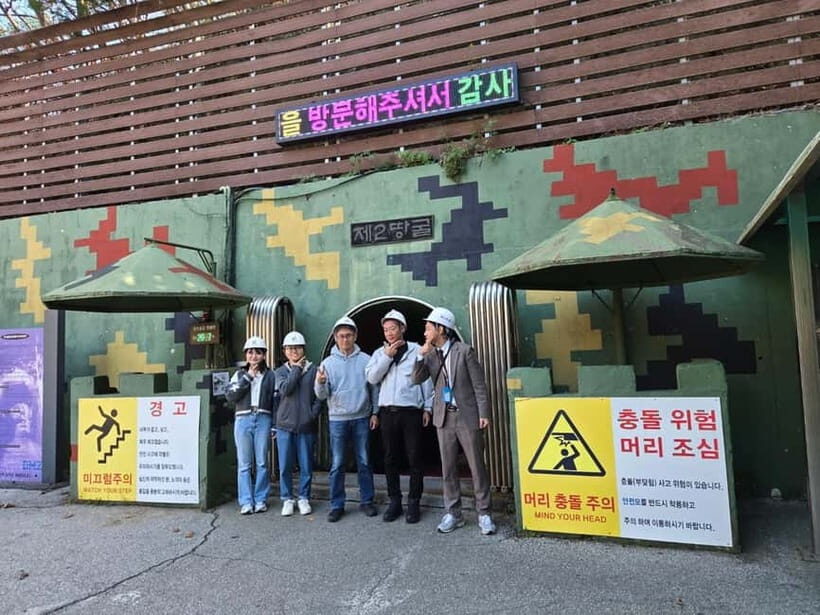
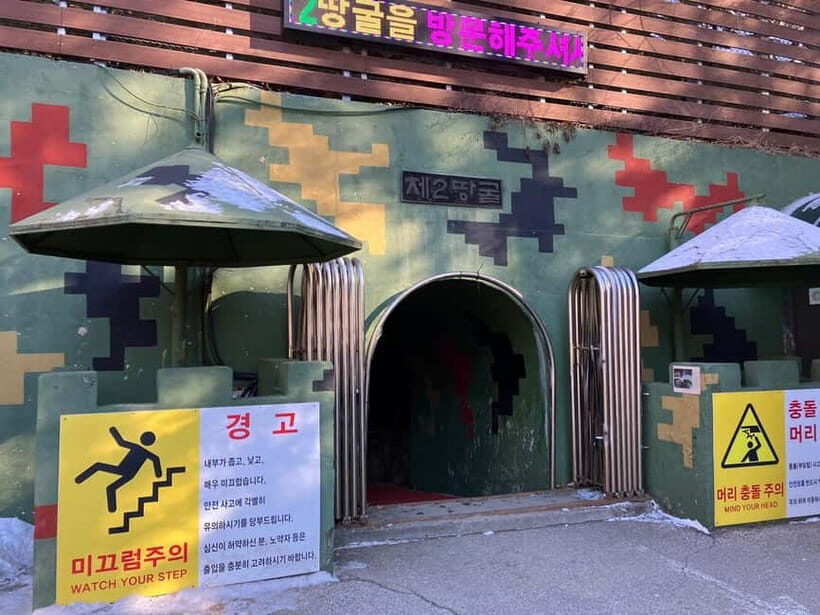
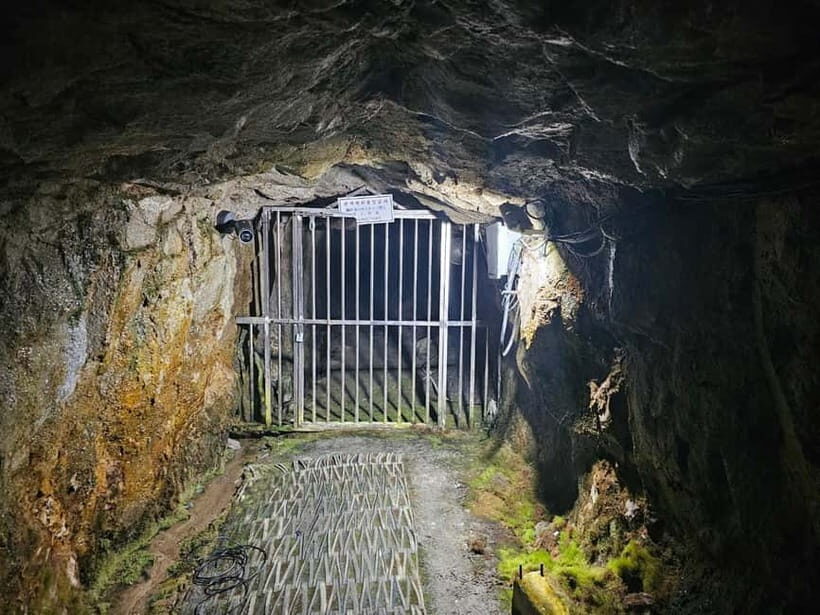
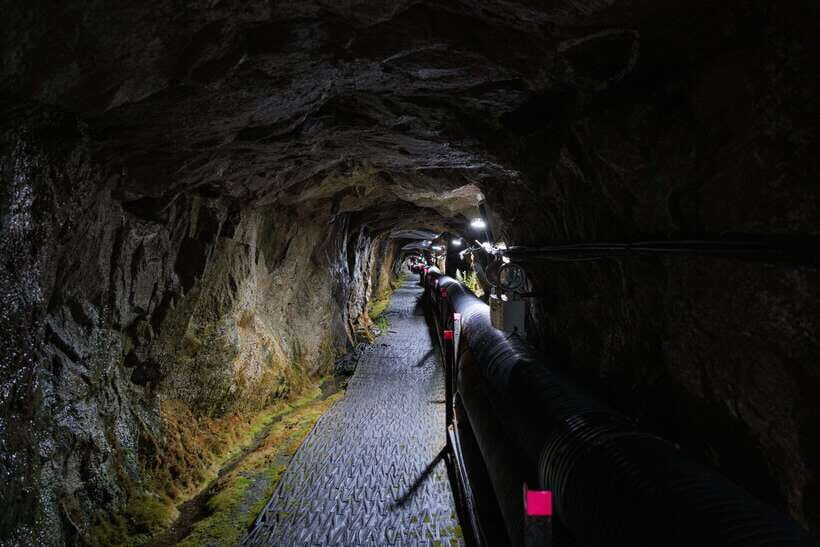
The tunnel is the heart of the outing. After a short briefing period (there’s a quick driver training/briefing before the tunnel portion), the tour begins with a guided visit to the Second Infiltration Tunnel lasting about 1.5 hours.
Why this stop hits: tunnels change how you understand conflict. Textbook history becomes physical. You’ll move through a space that forces scale and gravity on your thinking. A good guide helps you connect the dots—what the tunnel was for, why it mattered, and what the conditions would have meant for people moving through it.
This is also where the guide style matters a lot. The tour’s English-language guides have been praised for making the explanation clear and not overwhelming. I’ll flag a few names you might hear depending on your day: guides like Leo, Winnie, and Heidi have led groups and were specifically noted for attentive care and strong English.
Practical tip: wear shoes you’re happy to keep on for a while. Even when you’re only “walking,” DMZ sites can involve uneven surfaces and time spent standing still for explanations.
Cheorwon Peace Observatory: telescopes, distance, and real tension
Next comes the Cheorwon Peace Observatory (about 1 hour with a guide). This is where you’ll use telescopes to look toward North Korea, and it’s the most emotionally loaded moment of the day.
What makes this stop special is that it’s not just “look at the line on a map.” It’s a structured viewing experience with context. You’ll get the background of what you’re seeing and why this particular vantage matters.
Some people report an extra jolt of realism—like hearing loud audio across the DMZ and spotting distant figures through the telescope when conditions allow. That’s not something you should count on like a timetable event, but it explains why this observatory often feels more intense than other viewpoint stops.
Practical tip: if you’re sensitive to cold, bring layers. Observatories can be breezy, and the viewing portion can take time.
Hantangang Geopark and the Sky Bridge feeling: nature with a border twist
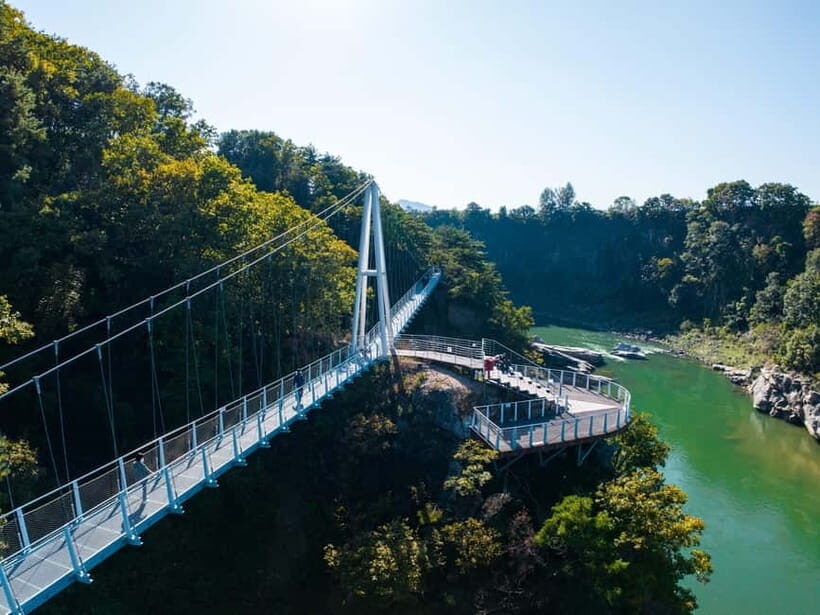
After the main DMZ core, the day shifts into a different mode: UNESCO Global Geopark and the Hantan River area.
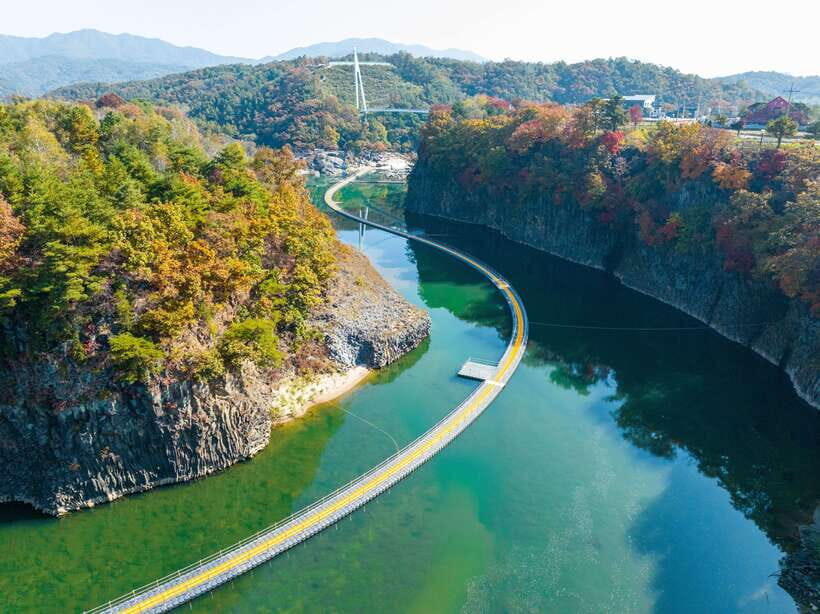
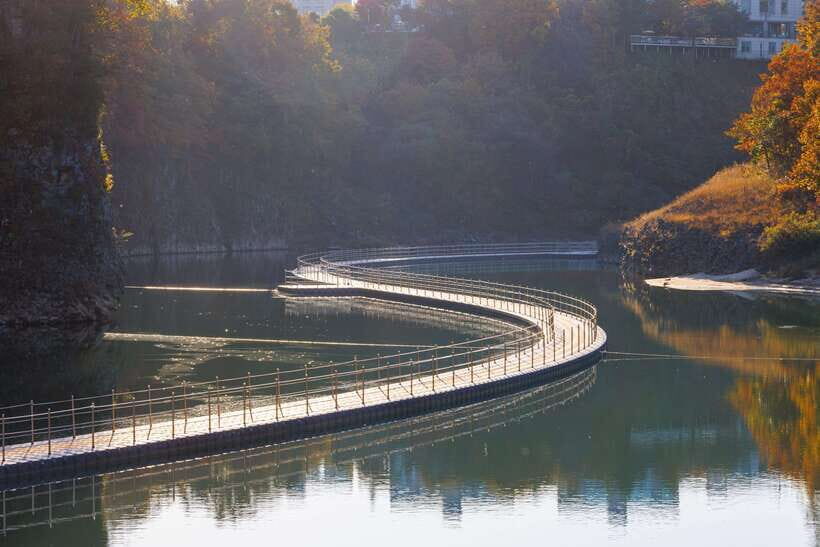
The tour includes Hantangang Geopark (about 1 hour guided) and a walking experience linked to the Hantangang Columnar Joint Way. Here’s the key detail: the columnar joint walkway is specifically mentioned as available April to October. When it’s open, you’ll walk a route that involves installing a small bridge between cliff areas and crossing a section that feels like climbing a ladder along the cliff face.
If you’re going in the off-season, you might still enjoy the geopark context, but the exact walkway elements may differ from what you’d see in those spring-to-fall months. Think of this as a place where geology and atmosphere do the talking, not a museum-style stop.
Also, the name Sky Bridge appears in the tour description, so if you’re watching for that moment, it’s likely connected to these cliffside bridge-style paths around the geopark area. Either way, the experience is the same idea: a dramatic viewpoint built into the structure of the landscape.
Woljeong-ri and the Migratory Bird Sanctuary: a nature break that stays meaningful
You’ll also stop at Woljeong-ri for about 30 minutes. This portion is shorter, more about setting, transfer, and keeping the day flowing than about one big signature attraction.
The tour description also calls out a Migratory Bird Sanctuary. This is one of those details that makes the trip feel less like a single-note history day. In winter months, there’s even a chance for a rare natural monument moment—flocks of cranes at the sanctuary.
That means your best “nature odds” depend on when you go:
- Winter: crane viewing might be possible.
- Other seasons: you’ll still be in the geopark/river world, but cranes are the headline for winter.
If you’re traveling with kids, this is a great angle to use: birds, river scenery, and then back to the big questions.


Former Korean Workers’ Party Headquarters: a short stop with heavy gravity
After lunch, you’ll continue to the former Korean Workers’ Party Headquarters (about 30 minutes guided). The tour frames it as a historic site once under the control of North Korea’s Workers’ Party.
This is not a long museum crawl. It’s a focused historical visit. What you’ll take away is less about building facts and more about understanding how institutions and ideologies shaped the landscape of the peninsula.
If the tunnel and observatory already put a strong emotional stamp on the day, this stop helps you see that the DMZ isn’t isolated—it sits inside a bigger system of power, planning, and propaganda.
Lunch break near the 2nd tunnel area: plan for your own food
Lunch is a break of about 1 hour near the 2nd tunnel area, but it’s at your own expense. That’s a simple detail, but it affects your energy. The day can feel like a marathon if you try to squeeze sightseeing into every gap.
A helpful extra note from the guide experience: some tour moments have included the option of a North Korean dish during the meal break. That isn’t something you should expect every time, but it’s worth asking your guide if there’s a local spot they recommend.
Practical tip: bring a little flexibility in what you’ll eat. DMZ-area lunch isn’t going to mirror Seoul’s restaurant variety. If you need specific dietary accommodations, you should think about that early.
Transfers, group style, and what a good guide actually does
This is a guided join-in experience on certain days, and private or small groups are available. Either way, you’ll have a professional guide and transportation included, plus admission tickets.
The reviews emphasize guide quality for a reason. When you’re dealing with a sensitive, complicated topic, the best guides do two things:
- They translate hard ideas into clear, visit-based explanations.
- They keep you moving without rushing the important parts.
Names that have been praised for exactly that include Leo, Winnie, and Heidi, with notes about excellent English, attentiveness to families, and the ability to answer questions without turning it into a lecture.
Also, the pacing matters. This tour is built as a sequence of different settings: tunnel indoors, observatory outdoors, geopark walkway, then historic sites. That variety helps keep you from burning out halfway through.
Who should book this DMZ tour from Seoul (and who should think twice)
This tour is described as suitable for families, couples, solo travelers, and groups. In practice, it fits best when:
- You want a structured day with guided context, not a self-driven day of guessing.
- You’re curious about the DMZ beyond photos—tunnels, observatory viewing, geopark surroundings, and historic sites all matter here.
- You like having a guide who can answer questions in plain language.
It may be less ideal if you:
- Have serious medical constraints, including heart complaints, or need to avoid strenuous walking/standing.
- Are pregnant (it’s listed as not suitable).
- Use a wheelchair (it’s not wheelchair accessible).
- Prefer a low-walking, minimal-steps day.
If you’re on the fence because it sounds “intense,” you’re not wrong. But if you show up prepared for a real-world day—and listen—you’ll probably feel the whole peninsula’s tension more clearly than from any video screen.
Price and value: what $67 includes (and why it can be a fair deal)
At $67 per person, this tour looks affordable compared with other guided day trips that try to cover multiple sites in one day. The reason is that the price includes:
- A professional guide
- Admission tickets
- Transportation plus pick-up/drop-off from designated meeting points
What you don’t get is also clear: lunch and drinks are on your own. So your real “all-in” cost depends on what you choose to eat.
Where the value really shows is in time and organization. You’re not figuring out the logistics of visiting a restricted-feeling area with specific stops. You’re getting a guided flow that balances indoor and outdoor viewing, a tunnel walkthrough, a telescope observatory, and geopark time—within a single day.
If you want a DMZ experience that’s not chaotic, this format often makes sense for the money.
Should you book? My practical take
Book this DMZ 2nd Tunnel and Sky Bridge day tour if you want:
- A guided visit to Second Infiltration Tunnel (with real context, not just sightseeing)
- A telescope viewing moment at Cheorwon Peace Observatory
- A day that also includes UNESCO Hantangang Geopark and seasonal nature possibilities like cranes in winter
Skip it or choose another option if:
- You want a very light walking day or cannot manage standing and moving between sites.
- You’re traveling during times when the join-in day doesn’t work for your schedule (it does not run Tuesdays or national holidays).
- You need wheelchair access or you’re in a category the tour marks as not suitable.
FAQ
How long is the DMZ 2nd Tunnel and Suspension Bridge tour?
It runs about 10 to 11 hours. You’ll be able to see the starting times when you check availability.
Where is the meeting point in Seoul?
You meet outside Exit #10 of Myeong-dong Subway Station. The tour drops you off at listed drop-off locations around Myeong-dong.
Is lunch included in the price?
No. Lunch is a break of about 1 hour near the 2nd tunnel area, and it’s at your own expense.
What sites are included in the tour?
You’ll visit the Second Infiltration Tunnel, Cheorwon Peace Observatory, Woljeong-ri, Hantangang Geopark (including the columnar joint way where applicable by season), and the former Korean Workers’ Party Headquarters. The plan also references a Migratory Bird Sanctuary.
Do I need an ID to join?
Bring an ID card. A copy is accepted.
What languages are the guides?
The live tour guide is available in English and Japanese.
Is hotel pickup available?
Pickup is optional and may include pickup and drop-off from central Seoul areas such as Gangnam, Myeong-dong, Gwanghwamun, Itaewon, and Dongdaemun. Check your confirmation email from the local agent for your exact details.
Is the tour wheelchair accessible?
No, it is not wheelchair accessible.
Who might not be able to join this tour?
The tour is not recommended for people with heart complaints or other serious medical conditions, and it is not suitable for pregnant women.