REVIEW · SEOUL
Small-Group Royal Palace and Seoul City Tour (hotel pick-up)
Book on Viator →Operated by Seoul N Tour · Bookable on Viator
Seoul’s palaces can feel like a maze. This full-day tour turns that maze into a clear story across Joseon-era power. You also get real neighborhood time in Insadong and Namdaemun, not just palace photos.
I like that the day is built around two major palaces—Gyeongbokgung and Changdeokgung—plus a stop that explains daily life in Korea at the National Folk Museum. I also like the pace control: you get guided segments and then practical free time for shopping and lunch in Insadong. Guides on this route are often praised for making the history make sense while you’re walking the grounds, with some days led by names like Mr. Young, BK, Lua, or Sookee.
One thing to keep in mind: the schedule depends on the calendar and weather. The royal guard changing ceremony can be canceled, and Monday or Tuesday closures can swap in Bukchon Hanok Village and/or adjust what you see.
In This Review
- Key Things You’ll Notice on This Day Trip
- Why This Seoul Highlights Plan Works (Palaces + Real Neighborhoods)
- Hotel Pickup and the Small-Group Rhythm
- Jogyesa Temple: Zen Calm in the Middle of the City
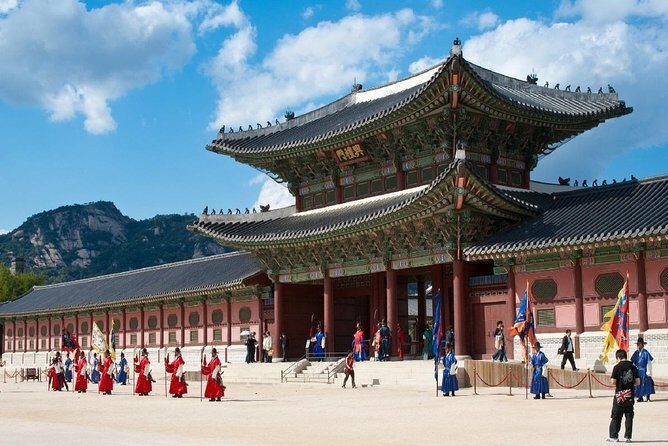
- Gwanghwamun Gate and the Royal Guard Changing Ceremony
- Gyeongbokgung Palace and the National Folk Museum: Power Meets Daily Life
- Blue House Views: A Palace-Garden Neighborhood Legacy
- The Ginseng Museum Stop: A Tasting Break Before Shopping Time
- Insadong Antique Street: Where Lunch and Souvenirs Become Part of the Day
- Changdeokgung Palace UNESCO Experience (Secret Garden May Be Included)
- Namdaemun Gate and Market: Historic Seoul Finishes Strong
- Price and Value: What You Get for About $56
- Timing Tips and What to Pack for a Smooth Day
- Should You Book This Seoul Tour?
- FAQ
- Is hotel pickup included?
- How long is the tour?
- What’s included in the price?
- Is lunch included?
- What happens on Mondays?
- What happens on Tuesdays?
- What if the royal guard changing ceremony is canceled?
- Where does the tour end?
Key Things You’ll Notice on This Day Trip
- Hotel pickup in central Seoul keeps you from wasting half your morning on transit.
- Two UNESCO-listed palace experiences (Gyeongbokgung and Changdeokgung) give you both the main royal setting and a better-preserved palace villa.
- Royal guard ceremony timing at Gwanghwamun is the photo moment people plan around.
- Insadong Antique Street time is real free time, so you can browse and eat at your own speed.
- Namdaemun Market + Namdaemun Gate adds a fortress-era landmark with a practical market finale.
- Max 16 travelers means you’re not stuck listening through a megaphone.
Why This Seoul Highlights Plan Works (Palaces + Real Neighborhoods)
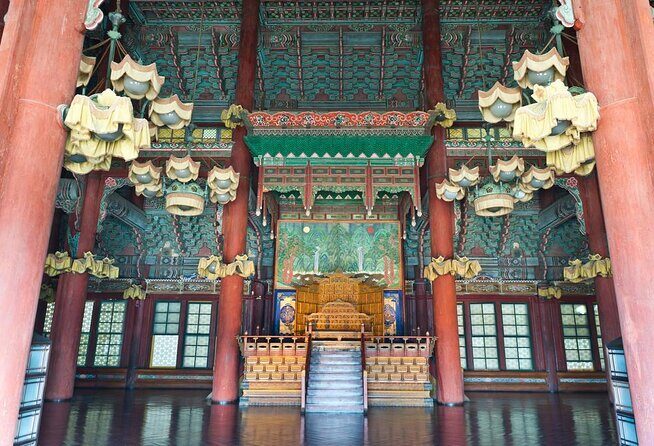
If you only have one full day in Seoul, you have two choices: chase random sights alone, or build a route that connects the city’s big stories. This tour is designed for the second option. You start with a peaceful Buddhist temple, then shift into the show-and-power world of the Joseon dynasty palaces, and finish with traditional shopping streets and a historic market gate.
The magic here is the mix. Palaces alone can turn into a lot of stone courtyards and photo stops. But when you pair them with the National Folk Museum and time in Insadong and Namdaemun, the day feels grounded. You see where rulers lived and how ordinary people lived, then you end up in the kinds of streets where culture is still traded daily.
Also, this is a small-group setup (up to 16). That matters in Seoul. It’s not just comfort—it affects how smoothly you move through gates, queue systems, and timed entry areas.
You can also read our reviews of more city tours in Seoul
Hotel Pickup and the Small-Group Rhythm
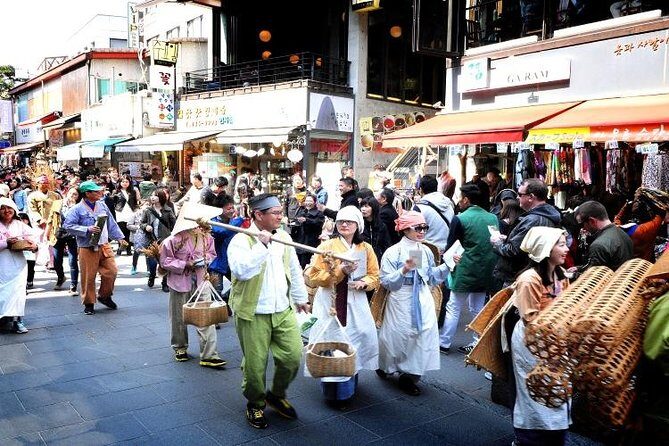
The tour starts with pickup from central Seoul hotels. Your meeting time is set for 9:00 am, though pickup timing can shift based on where you’re located. Expect a comfortable vehicle and a full day running about 8 hours.
This kind of small-group schedule is the best use of time if you’re not trying to map the city yourself. It also helps with the reality that Seoul traffic can be slow, especially around Jongno and the palace areas. You’ll spend some time in transit. The good news is that guides keep things organized and use the time to orient you—so you’re not just watching traffic and guessing what’s next.
A final logistics note: the tour ends in a different location. Drop-off is described as City Hall or Myeongdong only. That’s convenient if you plan to stay nearby after, but it might mean you’ll do a short final hop to your hotel.
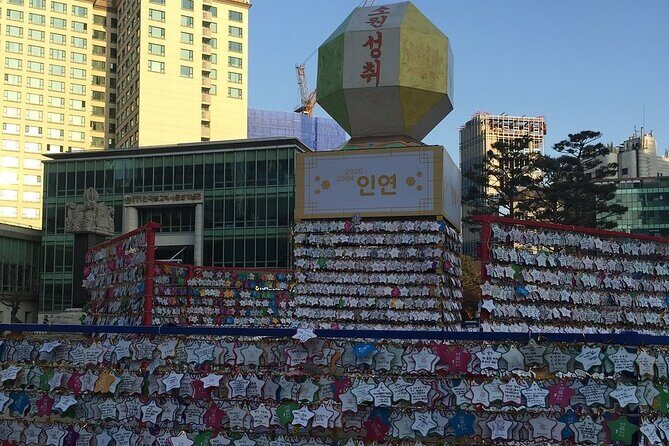
Jogyesa Temple: Zen Calm in the Middle of the City
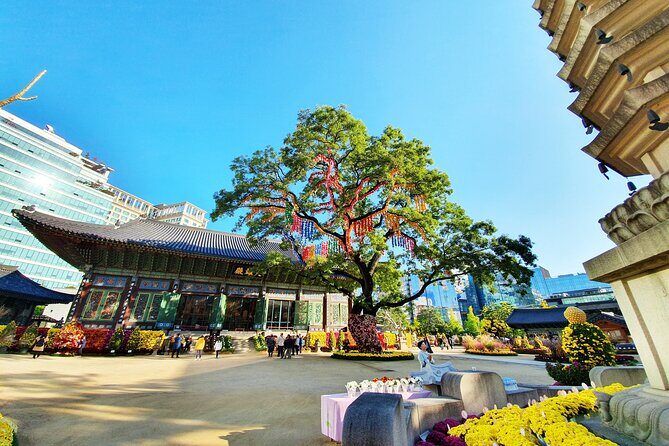
You begin at Jogyesa Temple, the center of Zen Buddhism in Korea. Even though it sits amid busy streets in the Jongno district, the temple grounds are quiet and visually striking. This is one of those stops that helps you reset your brain before the palace crowds and ceremonial routes.
You’ll have around 30 minutes here, and admission is free. What tends to make Jogyesa memorable is the contrast: colorful temple decorations against modern city blocks, plus the big golden Buddha statues that anchor your first look at Korean religious art.
Practical tip: wear comfortable walking shoes. You won’t be doing a long hike, but you will move around enough to justify good footwear.
Gwanghwamun Gate and the Royal Guard Changing Ceremony
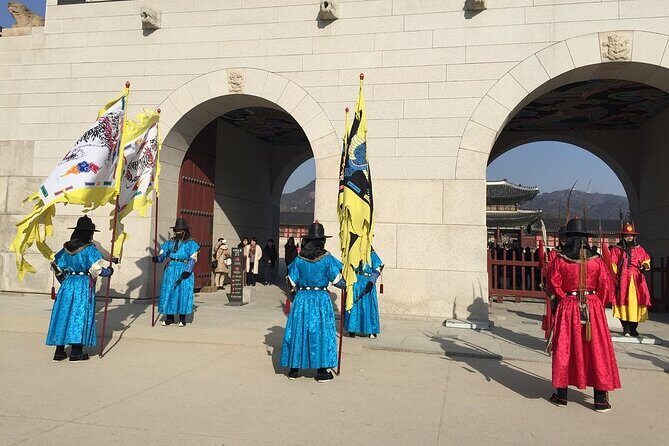
From Jogyesa, you head toward Gwanghwamun Gate, one of the most iconic ceremony spots in central Seoul. This is a short stop—about 20 minutes—and it’s designed to catch the changing of the royal guards.
You’ll want your camera ready because this is the moment most people come to see. The tour also mentions that the ceremony might be canceled due to weather. If that happens, don’t panic. The rest of the palace plan still delivers the core Joseon story.
Tip for photos: arrive ready. Seoul crowds can move fast, and the ceremony timings are tight. If you’re traveling with someone who needs the photo but also needs a seat, bring a backup plan for where you’ll stand and wait.
Gyeongbokgung Palace and the National Folk Museum: Power Meets Daily Life
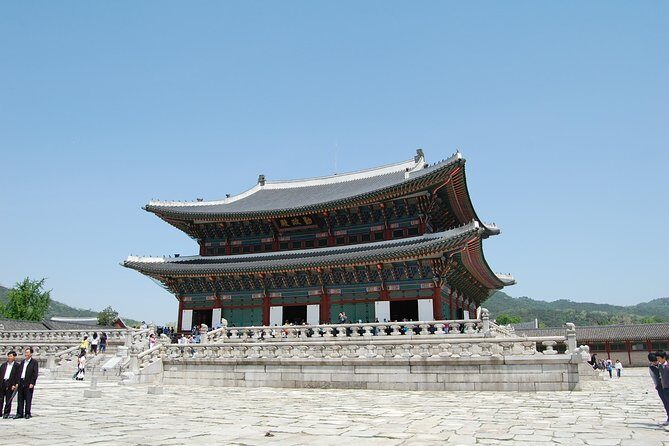
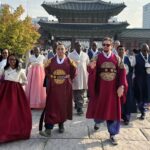
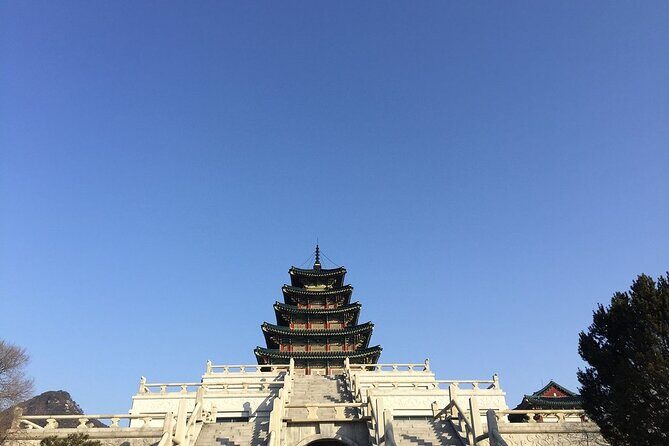
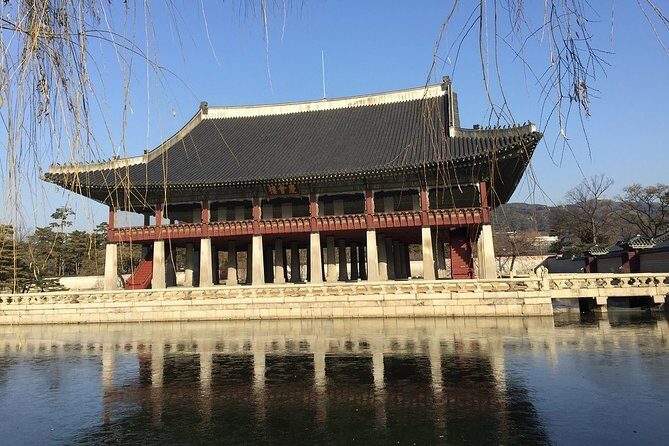
Gyeongbokgung Palace is the main palace associated with the Joseon dynasty, and it’s one of Korea’s must-see heritage sites. On this tour, you’ll spend about 1 hour here, with admission included. This isn’t just a walk through courtyards. The idea is to connect the structures to the dynasty story your guide is explaining—who held power, how the palace functioned, and why these spaces mattered.
Then you add the National Folk Museum of Korea within the palace compound. Plan for about 20 minutes. This stop is valuable because it shifts you from court life to everyday life across time. You get a guided look at displays meant to show how people lived from ancient times to today, with your guide highlighting key points along the way.
If your goal is understanding (not just sightseeing), this pairing is smart. Palaces tell you how power was staged. The folk museum helps you remember that history wasn’t only about kings—it was also about regular homes, tools, and daily habits.
Blue House Views: A Palace-Garden Neighborhood Legacy
Next comes the Blue House area (Cheong Wa Dae). This stop is mainly about viewing from the outside, with Mt. Bukak in the background. It’s brief, but it adds a modern layer to the location where royal garden grounds once existed in Joseon times.
The Blue House was built using traditional Korean architectural styles on grounds associated with the Joseon dynasty. Until May 2022 it served as the official presidential residence. On a full-day highlights tour, this works as a quick contextual bridge: from old royal spaces to present-day Korea.
Don’t expect an interior visit here. The value is the setting and the way it connects old geography to modern national identity.
The Ginseng Museum Stop: A Tasting Break Before Shopping Time
Before you reach Insadong, you’ll stop at a Korean ginseng center (Cheongha Korea Ginseng Museum). Admission is free for this stop and the time is about 30 minutes.
What makes this stop useful is practical exposure. You’ll get to taste Korean ginseng tea and hear about ginseng products, plus you’ll learn the basics your guide can connect back to Korean culture. If you’re the type who likes to understand what you’re buying before you buy it, this gives you context before Insadong turns into a souvenir maze.
One caution: ginseng centers can feel a bit sales-focused in any country. Keep it as a cultural break and tasting opportunity, not as a must-do clinic.
Insadong Antique Street: Where Lunch and Souvenirs Become Part of the Day
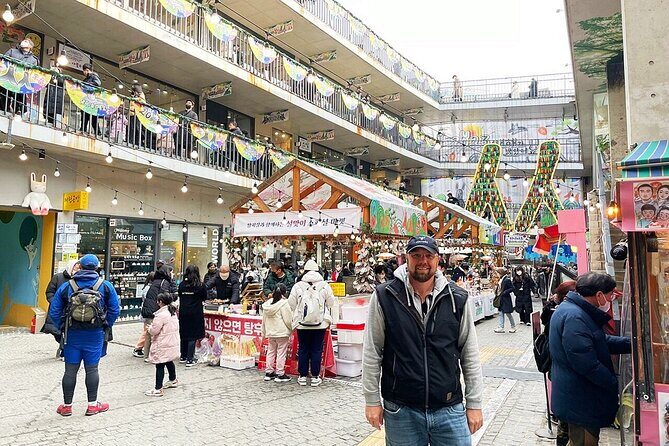
Insadong is where the tour slows down into neighborhood mode. You get about 1 hour 20 minutes here, and admission is free. This is your main shopping and cultural time, close to Gyeongbokgung.
Insadong is famous since the Joseon dynasty for antique shops. Today it’s popular with visitors for the mix of traditional goods, antiques, and cultural experiences. You can also enter a Korean tea house if you want a sit-down pause, or browse for small gifts and keepsakes.
Lunch note: lunch is not included on or after September 1, 2024. Instead, you’ll have free time for lunch in Insadong so you can pick what fits your taste and budget. That’s actually a good setup if you’ve got picky eaters in your group or you want noodles vs. set meals.
My advice: decide your lunch plan early. Insadong has choices, but once you’re tired, you’ll be grateful you picked a lane—tea house, quick snack street food, or a full sit-down meal.
Changdeokgung Palace UNESCO Experience (Secret Garden May Be Included)
In the afternoon you’ll visit Changdeokgung Palace, another major Joseon royal site and part of the UNESCO World Heritage listing. You’ll have about 1 hour with admission included.
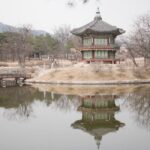
Changdeokgung is described as the second royal villa built after Gyeongbokgung in 1405, and it’s known as the most well-preserved palace complex in this category. If you like gardens and palace layout, this is often the palace that feels more human-scale than a massive fortress-like layout.
There’s also an important scheduling detail. On Tuesdays, when Gyeongbokgung Palace and the National Folk Museum are closed, the plan shifts to Changdeokgung including the secret garden. That means your experience on that day could feel even more “special” if the garden portion is running.
What to do with your time: don’t rush your photos. Even within 1 hour, you’ll be able to catch key buildings and courtyard views—especially if you pause for a moment instead of only shooting while walking.
Namdaemun Gate and Market: Historic Seoul Finishes Strong
The final stop is Namdaemun, also known as Soongryemun. This gate was built in 1396 and is listed as Korea’s most important National Treasure. You’ll spend around 30 minutes here, and then you’ll have time to check out the Namdaemun Market.
The gate matters because it’s a physical reminder that Seoul was once enclosed and controlled through fortress-era structures. The market matters because it shows how that historic framework feeds modern street life and shopping.
This finale is good for two reasons. First, it’s easy to snack as you go if your energy runs low. Second, it gives you a last chance to buy practical gifts—things you can carry home without stress.
Price and Value: What You Get for About $56
At $56.44 per person, this tour is priced like a value option for a full-day route. The key reason it can feel worth it is that the price isn’t just transportation.
You’re also getting:
- Hotel pickup in central Seoul
- A local English-speaking guide
- Entrance fees included for the major sites
- Bottled water
- A day plan that combines palaces, museum context, and traditional shopping areas
Lunch is the main thing that can change your overall cost. Since September 1, 2024, lunch isn’t included, and you’ll handle it during free time in Insadong. Still, you usually end up with more control over what you eat and how long you want to sit.
If you’re comparing costs, look at what else you’d pay solo: separate entrance tickets, taxi rides between neighborhoods, and the cost of your time getting from one queue to the next. This route tries to bundle that into one price with a guide holding the whole story together.
Timing Tips and What to Pack for a Smooth Day
A day like this depends on weather and walking. The tour says you should have a moderate physical fitness level. That’s not about athletic training—it’s about being okay with palace steps, outdoor courtyards, and some time standing for the guard ceremony.
Plan to pack:
- Comfortable shoes for palace walking
- A layer for changing palace-weather, especially if you go in cooler months
- A charged phone/camera for ceremony and palace details
- A small bag for browsing in Insadong and Namdaemun
Also remember the schedule adjustments:
- Mondays: Changdeokgung Palace is closed, so the plan swaps to Bukchon traditional Hanok Village.
- Tuesdays: Gyeongbokgung Palace and the National Folk Museum are closed, so you go to Changdeokgung (including the secret garden) and then Bukchon Hanok Village in the afternoon.
- Royal guard changing ceremony might cancel due to weather.
This flexibility is common for Seoul palace access. The key is that the tour still tries to keep the day full and coherent.
Should You Book This Seoul Tour?
I’d book this if you want a one-day Seoul “best of” that doesn’t leave you stranded between districts. The route makes sense: calm temple start, royal ceremony and palace core, museum context, then cultural shopping and a historic market ending.
Skip it (or reconsider) if you hate structured schedules. Some time will be spent riding between areas, and the day includes multiple guided segments. You also need to accept that one big ceremonial moment might be canceled if the weather turns.
If you want the easiest first-day answer in Seoul—palaces plus neighborhood culture—this small-group plan is a strong fit.
FAQ
Is hotel pickup included?
Yes. The tour includes hotel pickup in central Seoul. Pickup timing can vary based on your location.
How long is the tour?
It runs about 8 hours.
What’s included in the price?
You get an English-speaking local guide, a driver/guide, bottled water, and entrance fees for the included sites.
Is lunch included?
No. Lunch is not included starting September 1, 2024. You’ll have free time for lunch in Insadong.
What happens on Mondays?
Changdeokgung Palace is closed on Mondays, so you’ll go to Bukchon traditional Hanok Village instead.
What happens on Tuesdays?
Gyeongbokgung Palace and the National Folk Museum of Korea are closed on Tuesdays. You’ll still go to Changdeokgung (including the secret garden) and then visit Bukchon Hanok Village in the afternoon.
What if the royal guard changing ceremony is canceled?
The changing of the royal guards ceremony at Gwanghwamun Gate might be canceled due to weather conditions.
Where does the tour end?
The tour ends in a different location, with drop-off described as City Hall or Myeongdong only.