REVIEW · SEOUL
Korean Heritage Tour: Palaces and Villages of Seoul Including Gyeongbokgung Palace
Book on Viator →Operated by KOREA TOUR (DMZ TOUR) · Bookable on Viator
Seoul’s palaces feel bigger with a guide. This full-day tour strings together Gyeongbokgung Palace restoration details, Korean everyday-life context at museums, and a living culture stop at the Korean Folk Village. I like how the pacing uses a coach ride for coverage, then switches to on-foot walking where the architecture matters.
Two things I really like: you get real structure to the day (hotel pickup, guided stops, included lunch), and you’re not just looking at monuments. You also spend time at the National Folklore Museum where replicas help you understand how people lived from ancient times to the 20th century. One thing to watch: the included ginseng stop can feel like retail time for some people, so it’s worth deciding ahead of time whether you’re in the mood for product presentations.
In This Review
- Key Takeaways Before You Go
- Getting Oriented Fast: Hotel Pickup and the Blue House Drive-By
- Gyeongbokgung Palace: Joseon Grandeur and a Real Sense of Scale
- National Folklore Museum of Korea: Replicas That Make Daily Life Click
- Jogyesa Temple: A 500-Year-Old Main Hall in the Middle of a Busy Day
- Lunch and the Ginseng Center: Useful Info or a Time Sink?
- Korean Folk Village: Crafts You Can Watch, and Culture That Feels Hands-On
- How the Day Flows (So You Don’t Feel Rushed)
- Who This Tour Is Best For (and Who Might Want Another Option)
- Should You Book This Korean Heritage Tour?
- FAQ
- What time does the tour start?
- How long is the tour?
- Is hotel pickup and drop-off included?
- What happens if Gyeongbokgung Palace is closed on Tuesdays?
- Are admission tickets included for the main attractions?
- How much walking is involved?
- Can I cancel for a full refund?
Key Takeaways Before You Go
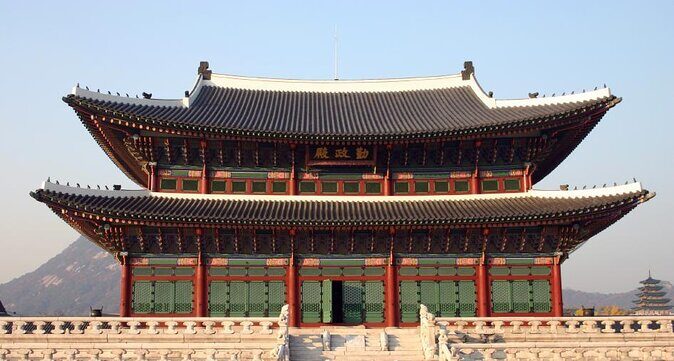
- Gyeongbokgung on foot: the Joseon core palace experience with an architecture-focused guide.
- National Folklore Museum replicas: easy-to-grasp exhibits that translate everyday history.
- Jogyesa Temple main hall (about 500 years old): a calm contrast to palace grounds.
- Korean Folk Village crafts you can watch: pottery, weaving, and handwork beyond photos.
- Lunch + hotel coach transport included: fewer logistics headaches for a long day.
- Small group size (max 10): more chance for questions and a less chaotic pace.
Getting Oriented Fast: Hotel Pickup and the Blue House Drive-By
This tour is built for first-time orientation. You start with hotel pickup in Seoul and head out on an air-conditioned coach, which matters because your day is long and you don’t want to spend it zigzagging for transit.
A fun opener is the drive past the Blue House area, the presidential office and official residence. Even if you never stop there, the guide narration helps you connect modern Seoul to the political power structures that shaped how the city works today.
The group is capped at 10, so you’re usually not dealing with a massive bus crowd. Still, start your morning with water, a small snack if you need one, and comfortable shoes, because the schedule flips into walking fairly early.
You can also read our reviews of more historical tours in Seoul

Gyeongbokgung Palace: Joseon Grandeur and a Real Sense of Scale
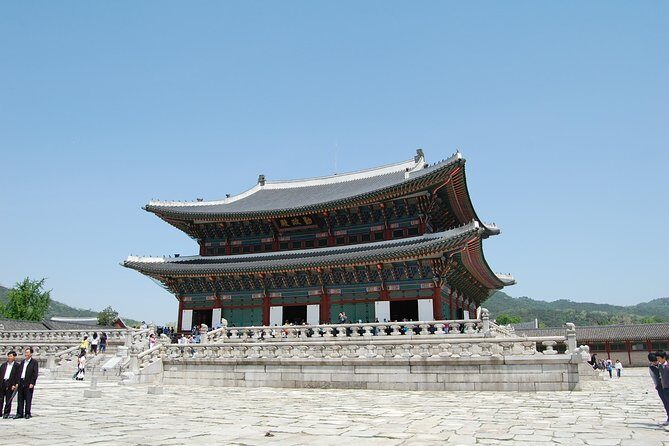
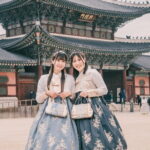
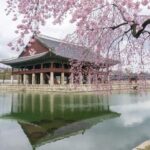
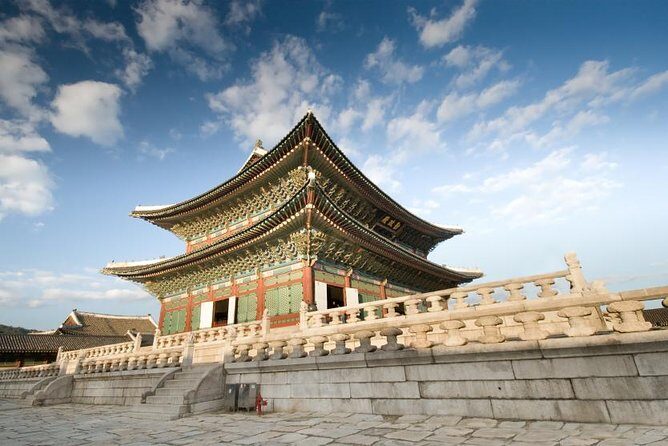
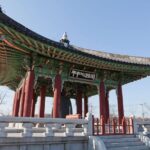
Gyeongbokgung Palace is the centerpiece. It’s the first royal palace built by the Joseon Dynasty and also the largest of the Five Grand Palaces. You’ll tour the grounds with a guide on foot, focusing on gates, pavilions, and royal halls—basically the parts that make Korean palace design feel logical instead of just impressive.
One practical reason this stop is valuable: much of the palace was destroyed during the Japanese occupation, and there’s been a major restoration effort to bring it back to something closer to its original condition. When your guide points out what you’re seeing as a “restored” space versus what’s older, the palace becomes more than a pretty background.
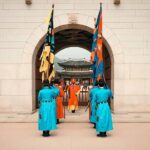
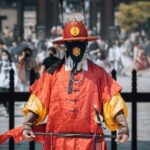
If you’re timing your visit right, you may catch the changing of the guard. It’s often a highlight in this area, and the sight is easier to appreciate when you’re already orienting yourself to the palace layout.
Tuesday heads-up: if Gyeongbokgung is closed, the tour switches to Deoksugung Palace instead. Deoksugung also includes a guided stop at the Seoul Museum of History in the same walled compound area. So you still get a palace + museum package, just with a different palace flavor.
National Folklore Museum of Korea: Replicas That Make Daily Life Click
Right after the palace, you stop at the National Folklore Museum of Korea. The most important thing to know here is the museum uses replicas to teach how Korean life worked—from ancient times through the 20th century. Replicas can sound gimmicky, but in practice they’re often the fastest way to understand how homes, tools, and daily routines fit together.
The museum stop is relatively short, so the strategy is simple: don’t try to read everything cover to cover. Instead, let the guide point you to the themes—how people lived, what tools looked like, and how culture shows up in everyday objects. The exhibit setup is designed to make history feel usable, not like memorizing dates.
Admission is free for this museum stop, which helps value on a day that already includes multiple sights. If you’re someone who likes context (not just architecture), this is a smart place to spend your energy.
Jogyesa Temple: A 500-Year-Old Main Hall in the Middle of a Busy Day
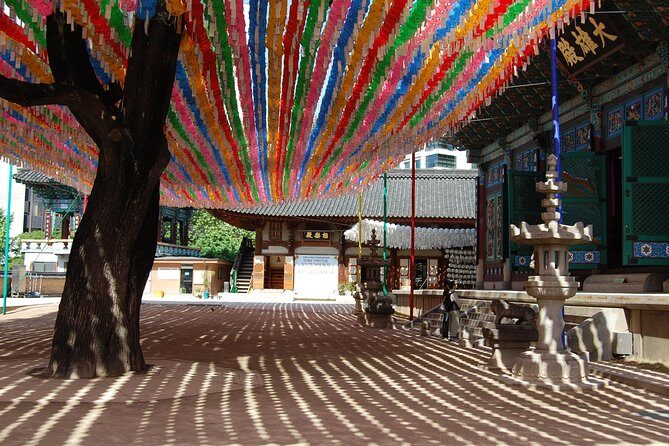
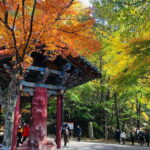
Then you head to Jogyesa Buddhist Temple of the Jogye Order of Korean Buddhism. The visit includes time inside the main hall, where you can see an enlightened Buddha. The main hall dates back about 500 years, so it’s one of those stops where the age shows up in the feeling of the space.
Jogyesa also makes a nice breather. Compared to the palace grounds and museum halls, this part of the day tends to feel quieter and more grounded. Outside, you’ll notice the trees lining the entrance, including locust and baeksong trees—small details that help you slow down for a moment.
Admission is free for this stop, and that’s a quiet win: you’re getting an atmospheric cultural site without adding more ticket costs.
Lunch and the Ginseng Center: Useful Info or a Time Sink?
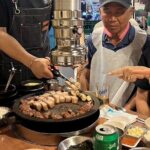
Around midday, you stop for lunch at a local Korean restaurant. Lunch is included, which is a big practical benefit on a full-day itinerary. If you’re trying to avoid decision fatigue in the middle of the day, this alone can make the tour feel worth it.
Before lunch, there’s also a stop at a Korean ginseng center. The plan is to learn more about ginseng—an important part of Korea’s health and traditional product industry—and you may have the opportunity to purchase ginseng to take home.
Here’s the balanced take: this stop can be either informative or frustrating. Some people love learning about how ginseng is presented and marketed; others feel it interrupts the heritage focus. There’s also the risk of feeling pressure to buy. If you know you don’t want retail presentations, go in with the mindset of learning only, not shopping—and stick to your budget.
I’d recommend you treat this as a cultural commercial stop, not a “heritage” one. If that distinction helps you mentally, the rest of the day lands better.
Korean Folk Village: Crafts You Can Watch, and Culture That Feels Hands-On
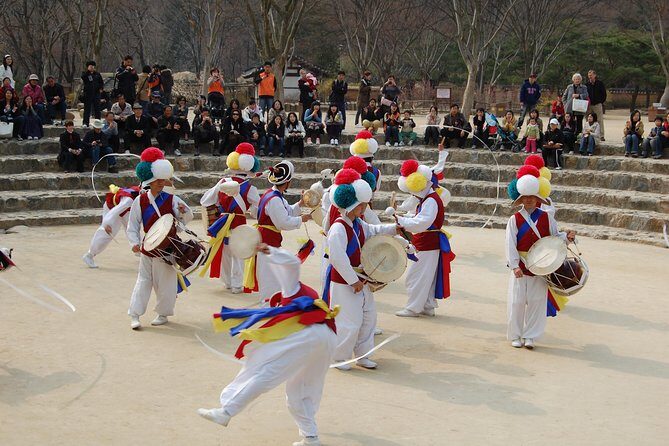
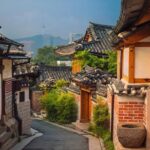
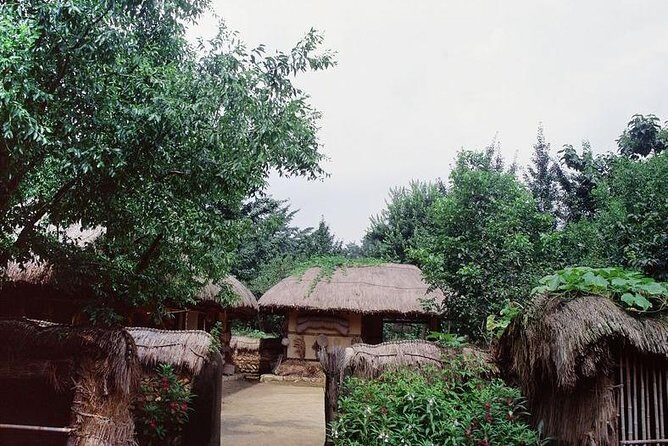
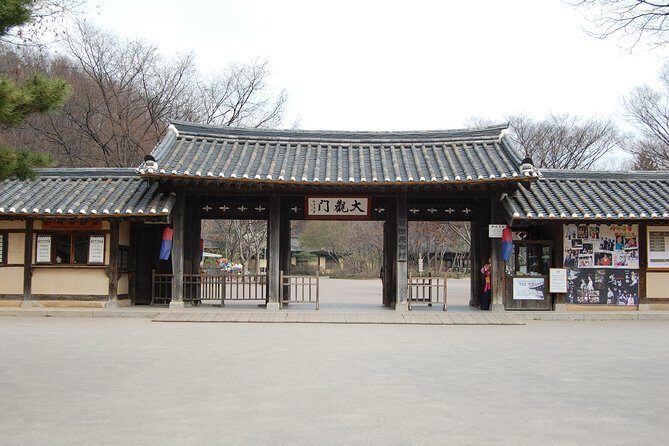
In the afternoon, you visit the Korean Folk Village, described as a living showcase for traditional Korean life and folk culture. This is where the tour changes tone again—less palace and museum history, more hands-on observation.
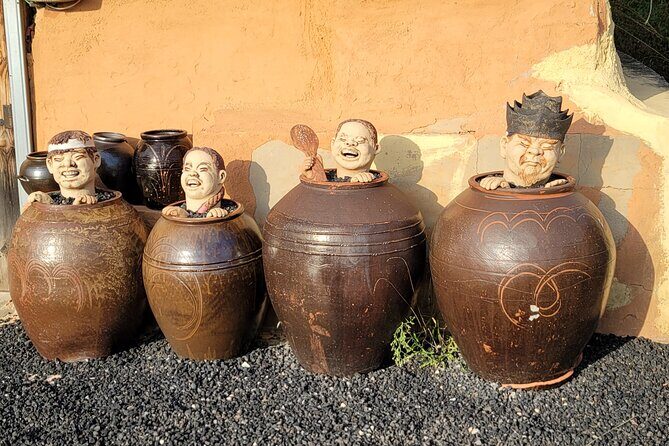
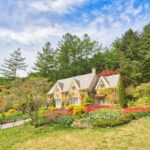
You’ll walk around and have a chance to see crafts and traditional making processes, including pottery making, basket weaving, hand-making of winnows, musical instruments, embroidery, and work with bamboo, wood, and brass wares. This kind of stop is valuable because it shows culture as skills and tools, not just costumes.
If you like demonstrations, you’ll probably enjoy this part. If you prefer strict historical authenticity and minimal “show,” you might find the experience less satisfying. The good news is you still get something real out of it if you focus on the craft process: watch how items are made, then connect it back to what you saw earlier at the museum and temples.
At an 8.5-hour day, timing matters. The Folk Village stop includes about 1 hour 20 minutes, so don’t plan to see everything in depth. Pick what you’re most curious about—handwork, instruments, weaving, or metalwork—and let the rest be a bonus.
How the Day Flows (So You Don’t Feel Rushed)
Your day starts around 8:30 am with pickup. The itinerary runs about 8 hours 30 minutes total, which is a solid length for hitting multiple major highlights without losing daylight.
The most important planning tip: expect “movement beats waiting.” The schedule is structured to cover a lot of Seoul cultural ground. That means there are moments when you’ll want a short reset—especially after palace walking and before the Folk Village.
Also, guide quality can change the feel of the day. Some guides are especially praised for clear English and for keeping the pace organized, with names like Sunny, Winnie, David, Michelle, and Dora popping up in people’s experiences. If you’re booking based on guide performance, look for language clarity and consistency in the tour description, and be ready to ask questions when you can.
Who This Tour Is Best For (and Who Might Want Another Option)
This is a great fit if you want a one-day “Korean heritage sampler” that hits palaces, temple culture, and traditional life. It’s especially useful for a first trip to Seoul because it gives you big-picture context: royal history through palace design, daily life through museum replicas, faith through Jogyesa’s main hall, and craft culture through the Folk Village.
It’s also a good match if you like structured touring. With professional guidance, hotel pickup/drop-off, and included lunch, you’re spending less time planning and more time actually seeing.
It’s less ideal if:
- you hate shopping detours and don’t want product presentations (the ginseng center stop can be a sticking point)
- you prefer more time at fewer sites (you’ll be moving through multiple stops)
- you’re sensitive to pacing that feels fast early on
Should You Book This Korean Heritage Tour?
Book it if you want a practical, guided day that covers Seoul’s key heritage areas without you stitching together tickets, transit, and timing. The value is strongest for travelers who appreciate structure: hotel coach transport + included lunch + guided palace and Folk Village time.
Skip or consider an alternative if you’re mainly looking for quiet, slow museum time and you don’t want any “product learning” stops. In that case, the ginseng center may feel like wasted minutes.
If you’re aiming for a first-timer overview, I think this tour earns its spot—especially because the palace and the Folk Village bring you out of Seoul’s modern buzz and into how Korea tells its story.
FAQ
What time does the tour start?
The tour starts at 8:30 am.
How long is the tour?
It runs about 8 hours 30 minutes.
Is hotel pickup and drop-off included?
Yes. You get round-trip hotel transport by air-conditioned coach included.
What happens if Gyeongbokgung Palace is closed on Tuesdays?
The tour visits Deoksugung Palace instead, and you’ll also tour the Seoul Museum of History in that area.
Are admission tickets included for the main attractions?
Gyeongbokgung Palace and the Korean Folk Village have admission tickets included. The National Folklore Museum and Jogyesa Temple stops are free.
How much walking is involved?
There is a moderate amount of walking, so comfortable walking shoes are recommended.
Can I cancel for a full refund?
Yes. You can cancel for a full refund up to 24 hours before the experience starts.